





 Free Report
Included
Free Report
Included
 Worldwide
Shipping
Worldwide
Shipping
 30 Day
Returns
Free Report
Included
Worldwide
Shipping
30 Day
Returns
30 Day
Returns
Free Report
Included
Worldwide
Shipping
30 Day
Returns
|
Reviewed By Andreas Zabczyk
Lighting and Gem Color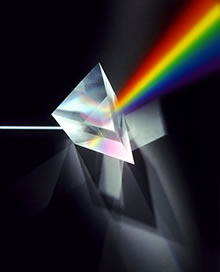
Color is arguably the most important feature of colored gemstones. But the color of any material is due to the nature of light itself. Daylight, or white light, is a mixture of all the different colors of light in the spectrum. When white light shines on a solid material, part of the spectrum of light is absorbed, while the remainder is reflected back to the eye. For example, a ruby looks red because the material absorbs all the other colors of white light except for red. The perceived color of any gemstone is thus dependent upon the light in which it is seen. So when buying gems there are a few tricks of the trade that can be employed to help judge the true color of a stone. The first rule of thumb is to examine a gem in natural light. Flaws can be seen more clearly and, most importantly, the true color and brilliance of the gem can be discerned. It is always a good idea to examine a gemstone in varying light. But a gemstone should always be seen in natural light first. However, not all natural light is the same. In general, skylight - as opposed to direct sunlight - is preferable because it produces less glare. Geographical latitude can also affect the color of a gemstone, since skylight is usually stronger in the tropics than at higher latitudes. So a stone purchased in Thailand may appear slightly, yet noticeably, lighter once transported to a temperate country. The intensity of skylight also changes throughout the day. Stones with reddish hues, such as rubies, look best during the middle of the day while sapphires and other gems with bluish tones are enhanced by the light in the early morning or late afternoon. Heavily-polluted or overcast skies also make the skylight more grayish than blue, which may improve the appearance of red gems whilst detracting from blue ones. To avoid disappointment, purchases should be made at a time when the stone is not in its ideal light. 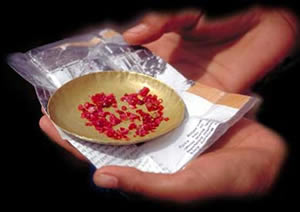
Ruby on a Brass Background
Another factor that may affect the appearance of color is the color of the background on which the gem is displayed. In Thailand and Burma, rubies are traditionally offered for inspection on brass plates or yellow table tops. Using yellow as the background color offsets the bluish tint that is often noticeable in ruby and makes the gemstones appear redder. Sometimes gemstone parcel paper is lined with yellow cellophane, or brass tweezers are used for the same reason. A plain white background is usually best for judging color.
About Us
Overall Rating -> 8 I've purchased things from GemSelect before. What you see is what you get, which is not always the case with gem sites online. You can find some good value with gem select, and I will buy from them again. Posted By Meyeusername in March, 2026 Source: Bizrate Overall Rating -> 10 Web site is very simple to navigate Selection is terrific Posted By ToRa.62 in April, 2026 Source: Bizrate Overall Rating -> 9 Nothing bad to report. Everything is as expected. The gems and the price are all very good. Posted By Dafanatic in August, 2025 Source: Bizrate Overall Rating -> 10 They have a wonderful selection of gems of all sorts, shapes, cuts, and quality. I am very particular about the quality of stones I buy, and found many with VVS clarity and excellent cut and polish. I am thrilled with each of the stones I purchased, and would definitely recommend GemSelect to everyone. Posted By Debsarabs in February, 2026 Source: Bizrate Overall Rating -> 10 Always get a nice gemstone. Just like the picture. Never disappointed Posted By Ron T in June, 2026 Source: Bizrate Related Articles Color Basics Gemstone Color - A Quick Guide to Colors Pink Gemstones for Jewelry Pink Gemstones for Jewelry, Shop Pastel Pink to Hot Pink Topaz Colors Topaz Colors: Red, Blue, Pink, Violet, Green & More Gem Hues Gem Color Saturation Gemstone Color Saturation - Find all Details here Color Zoning in Gemstones Understanding Color Zoning in Gemstones: A Complete Guide Green Gemstones Green Gemstones: Green colored Gemstone List | GemSelect Red Gems for Jewelry Buying Red Gemstones for Jewelry White Gems for Jewelry White Colorless Gems for Jewelry |


