

 Free Report
Included
Free Report
Included
 Worldwide
Shipping
Worldwide
Shipping
 30 Day
Returns
Free Report
Included
Worldwide
Shipping
30 Day
Returns
30 Day
Returns
Free Report
Included
Worldwide
Shipping
30 Day
Returns
|
Reviewed By Andreas Zabczyk
About Us
Overall Rating -> 9 It was fine . Wish there had been more round stones to select from Posted By Emm in January, 2026 Source: Bizrate Overall Rating -> 10 Good selection prices are reasonable! Posted By ToRa62 in April, 2026 Source: Bizrate Overall Rating -> 10 I was looking for high-quality amethyst on this site, and I was able to compare size, color, and weight in detail before making a purchase. Posted By Atsuhisa in January, 2026 Source: Bizrate Overall Rating -> 10 Took a chance on purchasing my gemstones from Gemselect and was impressed. 10/10 Posted By KT in September, 2025 Source: Bizrate Overall Rating -> 10 I was able to find what I've been looking for. Posted By Tree Dog in April, 2026 Source: Bizrate Overall Rating -> 10 Always get a nice gemstone. Just like the picture. Never disappointed Posted By Ron T in June, 2026 Source: Bizrate Related Articles Black Tourmaline Black Tourmaline - Stand out from the crowd Buying Gems in Thailand Buying Gems in Thailand Rutilated Quartz Prices Rutile Quartz Prices: Insights into Rutilated Gems Market Tiger's Eye Gems Exploring Tiger's Eye Gems: Colors, Symbolism & Benefits H. Stern Hans Stern - Famous Brazilian Jeweler Gems by Language Gemstones by Language - Learn gem names in other languages Gemstone Supply and Demand Gemstone Supply and Demand Classifying Gemstones Classifying Gemstones: How Gemstones Types Are Classified Purple Sugilite Purple Sugilite Blue Zircon Gemstones Blue Zircon Gemstones: Beauty, Brilliance, and Significance |

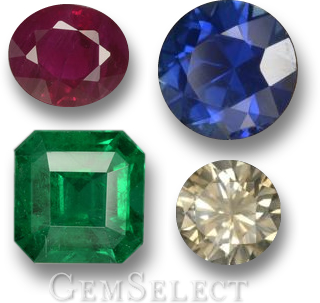
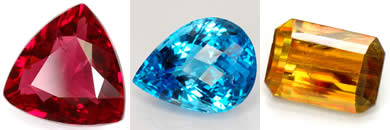
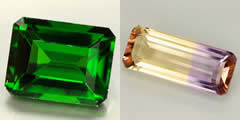 Another useful categorization is grouping gems that have good gemstone characteristics, but are widely available and very affordable. These include members of the quartz group - amethyst, citrine, ametrine, rose quartz, etc. - as well as topaz and the more common garnets. All of these stones have very good hardness (between 7 and 8 on the Mohs scale) and most have very good clarity. However, they are typically priced at well under $10 per carat.