
Topaz Gemstone Information

Introduction to Topaz
For over 2,000 years, the name topaz has described yellowish gemstones, though early traders didn't always know they could be different minerals. As knowledge grew, it became clear these yellow stones might be quartz, beryl, sapphire, or what we now call topaz.
The term topaz might come from the Greek island Topázos in the Red Sea, where yellow stones were mined, or from the Sanskrit word 'Tapas' meaning heat or fire - which seems fitting given the gem's vibrant sparkle.
Topaz stands out as an excellent gemstone choice. It appears in various colors and has the hardness needed for diverse applications. In nature, topaz often forms massive, flawless crystals ideal for cutting into gems. Most topaz starts out colorless or white, but impurities like chromium can add subtle tints.
Topaz Colors

Naturally, topaz often shows up in pale yellow or brown tones. Historically, almost any yellowish gem was labeled topaz. But sometimes, you'd find rarer shades like pink, orange, red, purple, or blue.
The scarcest and priciest topaz colors span from golden yellow to pink-orange, known as Imperial Topaz or Precious Topaz.
Blue topaz reigns as the most sought-after hue, ranging from soft sky blue to intense navy. Since natural blue is uncommon, most blue topaz results from irradiation followed by heating. Favorites include the gentle 'Swiss Blue' and the deeper 'London Blue'. These blues are eye-catching, affordable, and plentiful, making them a hit with jewelers.
Topaz is allochromatic, meaning its colors stem from crystal defects or impurities, not from elements like iron or chromium.
For more details on the variety of hues available, explore our guide to natural topaz color variations and their significance.
Our topaz for sale collection includes almost all available topaz colors. You'll be delighted by the color range offered.
Types of Topaz
Topaz types are mostly named by color, often as trade terms. Common ones include Swiss Blue and London Blue. The premium variety is Imperial Topaz, with its golden, orange, and pink tones. Lesser-known are Sherry Topaz in warm browns, Azotic and Mystic Topaz with artificial rainbow effects, and colorless Silver or White Topaz.
Watch out - some names mislead. Bahia Topaz, Gold Topaz, and Madeira Topaz are actually citrine, while Indian Topaz and King Topaz are low-grade sapphires.
Discover more about specific varieties such as azotic topaz and its unique coating process, mystic topaz with iridescent rainbow effects, imperial topaz as the premium golden variety, and rutile topaz featuring needle-like inclusions.
Additionally, learn why smoky topaz is actually a form of quartz and not true topaz.
Topaz Clarity
Topaz boasts excellent clarity. Most gems for sale are 'eye clean,' meaning no visible flaws without magnification. As a natural stone, inclusions exist but stay hidden to the unaided eye.
Spiritual Meaning of Topaz
Topaz has long symbolized wealth and plenty. Its golden yellows and oranges echo the sun's energy - ancient Egyptians and Romans linked it to their sun gods. This solar vibe soothes, heals, and energizes, captured perfectly in topaz.
Generally, topaz aids focus and meditation. But colors add specifics: Blue brings truth and wisdom, white clears the mind, Imperial boosts power and positivity, pink inspires hope, and brown unlocks hidden energies.
With endless shades, topaz offers versatile powers - mixing colors can amplify effects. Pretty neat, right?
For a deeper exploration, check out our article on topaz meaning and its mystical powers.
Topaz Healing Properties
In the 13th century, St. Hildegard suggested soaking topaz in wine for three days then rubbing it on eyes for better vision. In India, it treated tonsillitis and mumps; medieval Europeans used it to detect poison in wine. These old remedies highlight topaz's healing legacy, though they might not convince modern doctors.
Today, topaz is thought to improve posture, support heart health, and yes, enhance eyesight.
Disclaimer: Metaphysical and Alternative Crystal Healing Powers and Properties are not to be taken as confirmed advice. Traditional, Ceremonial and Mythological Gemstone Lore is collected from various resources and does not represent the sole opinion of SETT Co., Ltd. This information is not to replace the advice of your doctor. Should you have any medical conditions, please see a licensed medical practitioner. GemSelect does not guarantee any claims or statements of healing or astrological birthstone powers and cannot be held liable under any circumstances.
Topaz Prices

Like all gems, topaz prices depend on color, clarity, cut, and carat weight. Blue varieties like Swiss and London Blue are popular but mass-produced, keeping costs low. Imperial Topaz, rare and untreated, is the costliest - less than 1% of gem-grade topaz, in golden to pink shades. Pinks fetch top dollar. Sources are Brazil and formerly Russia, but supplies are dwindling. White topaz can hit fair prices based on size and quality.
Topaz Price List |
||
| Color | Weight range | Price range / USD |
|---|---|---|
| Sky Blue | 1 - 5ct | $5 - $10/ct |
| Sky Blue | 5ct + | $6 - $12/ct |
| Swiss Blue | 1 - 5ct | $6 - $20/ct |
| Swiss Blue | 5ct + | $7 - $20/ct |
| London Blue | 1 - 5ct | $7 - $30/ct |
| London Blue | 5ct + | $8 - $45/ct |
| Imperial | 1ct + | $500 - $1500/ct |
| White | 1ct + | $3 - $12/ct |
| Fancy (coated) | 1ct + | $5 - $15/ct |
To make informed purchasing decisions, refer to our comprehensive topaz buying guide with expert tips.
Topaz Discovery and History
Tracing topaz's past is tricky due to name confusion - all yellow gems were once 'topaz,' including citrine, quartz, and peridot. Some huge clear topaz were even mistaken for diamonds, appearing in royal jewels.
By the 1700s, scientists defined topaz's properties, grouping varieties properly.
Where Topaz is Found
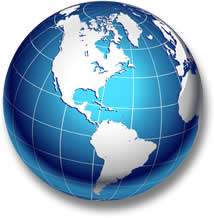
Topaz occurs globally, with quality crystals in South and Southeast Asia, Europe's central mountains, North and Central America, Australia, Southern Africa, and especially Brazil - once Russia too.
For insights into the primary sources, read about where topaz is found in the greatest abundance.
Topaz Treatments
Natural blue topaz is rare, so most blue gems are irradiated and heated for color. Imperial Topaz rarely gets treated, though some pinks are heated for vibrancy. Mystic or Azotic types get coatings for rainbows. Trusted sellers always note treatments.
Learn everything about blue topaz treatments and enhancements.
Topaz in Jewelry
Thanks to its toughness, topaz suits everyday jewelry. Large crystals allow fancy cuts, even those with waste. Colors match any metal, from silver to red gold.
At Mohs 8 hardness, it's sturdy but has perfect cleavage - more a cutter's worry. Avoid hard hits, store safely. Coated topaz needs protective settings.
Topaz as Birthstone and Anniversary Gem
Yellow or orange topaz is November's birthstone, symbolizing love and strength. Blue topaz serves December.
Blue topaz marks the 4th anniversary; Imperial the 23rd.
How Topaz is Formed

Cooling magma creates igneous rock with cavities. Over time, minerals like fluorite and cassiterite in these spaces, plus eons, form topaz.
Very Large Topaz Crystals
Topaz can grow huge - boulder-sized, weighed in kilos. The American Golden Topaz, 172 facets, is 22,892.5 carats (nearly 5kg cut, over 11kg raw) - world's largest cut yellow topaz. El-Dorado Topaz, 31,000 carats, was 37kg uncut. Marbella Topaz, 8,225 carats, oval-cut, resides in Madrid's museum.
Explore fascinating details on the world's largest faceted topaz gemstones and their histories.
Fun Facts About Topaz
Texas named blue topaz its state gem after 1969 finds; Utah's too, with Topaz Mountain for public digging.
Scorpios claim topaz as lucky.
Kate Middleton wears blue topaz earrings. The Braganza 'Diamond' (1680 carats) was likely topaz, lost after King John VI's death. Elvis owned a topaz-diamond ring.
Caring for Topaz
Hardness makes topaz scratch-resistant. Clean with soapy water and soft cloth; rinse well. Skip ultrasonics or steam. Remove before activity; store wrapped to prevent scratches.
Identifying Real and Quality Topaz
Real topaz feels smooth, cool; cheap prices signal fakes. Pro labs test refractive index or gravity. We offer reports from AIGS or BGL.
Quality via 4Cs: Color (hue, tone, saturation) - vibrant best. Eye-clean clarity. Cuts that sparkle, no windows. Size in mm for accuracy.
What Makes Topaz Special
For standout jewelry, topaz delivers with colors, light play, and versatility. Large sizes available for bold pieces, any shape. Buy from reliable sources like us - established 2003, treatments disclosed.
Does Topaz Change Color?
Unlike some gems, topaz doesn't shift colors under different lights.
Gemological Properties of Topaz
| Chemical Formula: | Al2SiO4(F,OH)2 Fluor containing aluminum silicate |
| Crystal Structure: | Orthorhombic, prisms with multi-faceted ends, often octagonal in cross-section |
| Color: | Colorless, yellow, orange, red-brown, light to dark blue, pink-red, red, violet, light green |
| Hardness: | 8 on the Mohs scale |
| Refractive Index: | 1.609 - 1.643 |
| Density: | 3.49 - 3.57 |
| Cleavage: | Perfect |
| Transparency: | Translucent to transparent |
| Double Refraction or Birefringence: | 0.008 to 0.016 |
| Luster: | Vitreous |
| Fluorescence: | Under long wavelength UV, white and blue shows a weak yellow or greenish glow; brown, pink and yellow can show a strong orange-yellow glow; red shows a weak yellow-brown glow |
Frequently Asked Questions
What are the different types of topaz?
Types are mainly color-based, like Swiss Blue, London Blue, Imperial (golden to pink), Sherry (brown), Mystic/Azotic (rainbow-coated), and White/Silver (colorless).
What is the spiritual meaning of topaz?
It represents abundance and sun energy, aiding focus. Colors add specifics: blue for wisdom, imperial for positivity, pink for hope.
Can topaz be treated?
Yes, most blue topaz is irradiated and heated; some coated for effects. Imperial is usually untreated.
Is topaz a birthstone?
Yellow/orange for November; blue for December.
How do I care for topaz?
Clean with soapy water and soft cloth; avoid ultrasonics, store separately.
How can I tell if topaz is real?
It feels cool and smooth; low prices suggest fakes. Lab tests confirm via refractive index or gravity.
What makes topaz special?
Its color variety, brilliance, large sizes, and versatility in jewelry.
Does topaz change color?
No, it doesn't shift under different lighting.
How can I spot good quality topaz?
Look for vibrant color, eye-clean clarity, brilliant cut, and measure in mm for size.

