





 Free Report
Included
Free Report
Included
 Worldwide
Shipping
Worldwide
Shipping
 30 Day
Returns
Free Report
Included
Worldwide
Shipping
30 Day
Returns
30 Day
Returns
Free Report
Included
Worldwide
Shipping
30 Day
Returns
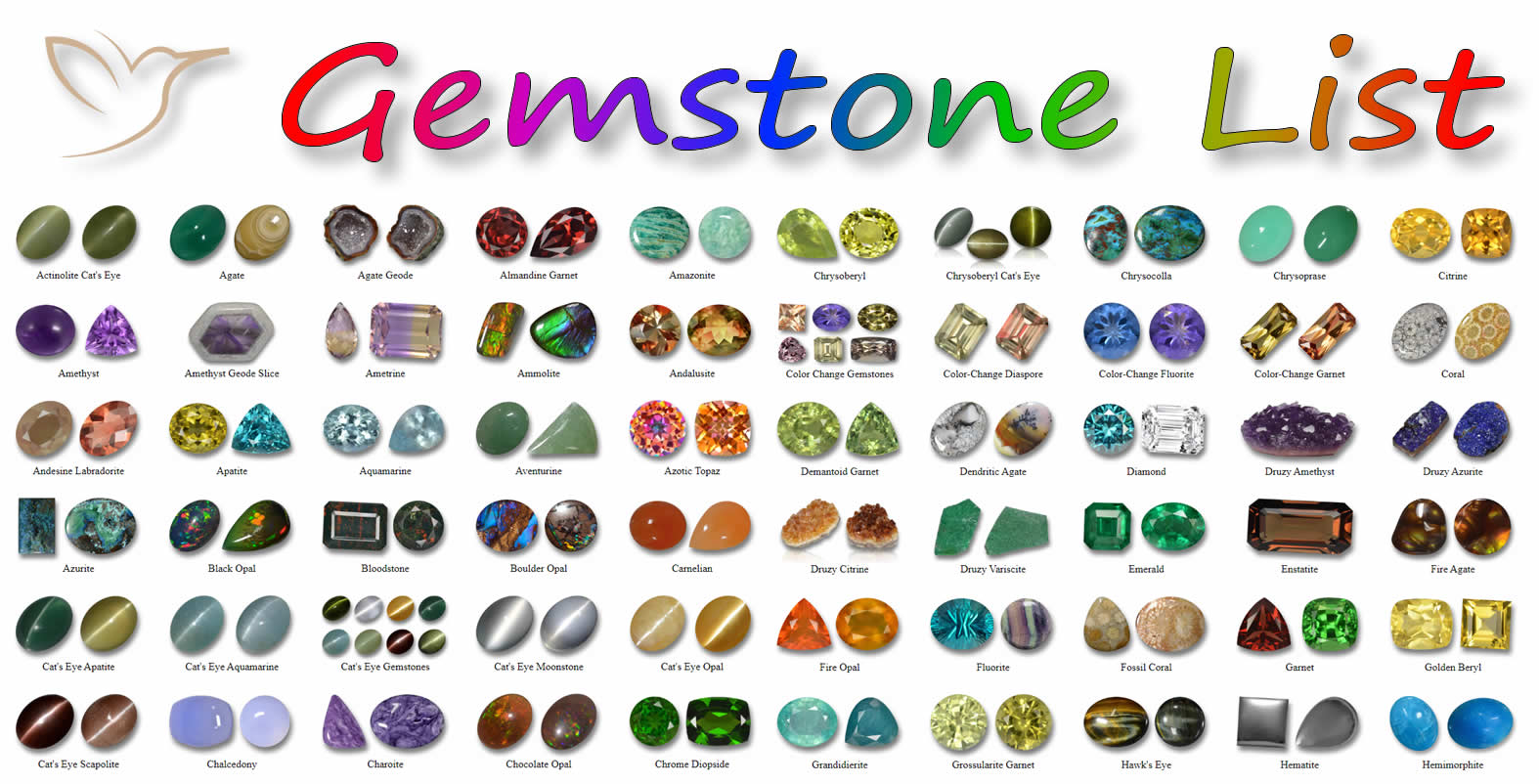
Our gemstone list features over 200 precious and semi-precious varieties, a comprehensive index to find the ideal colored stone. Whether for jewelry, collecting, or crystal healing, this gemstone list guides you to the perfect natural gem for your needs.
A
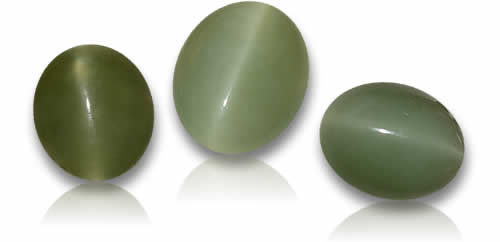
Actinolite is a rare translucent variety of chatoyant actinolite. It is an amphibole silicate that is sometimes mistakenly called "cat's eye jade".
Actinolite Cat's Eye Information
Shop Actinolite Cat's Eye
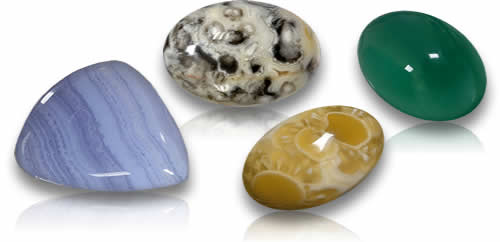
Actinolite is a rare translucent variety of chatoyant actinolite. It is an amphibole silicate that is sometimes mistakenly called "cat's eye jade".
Agate Information
Shop Agate
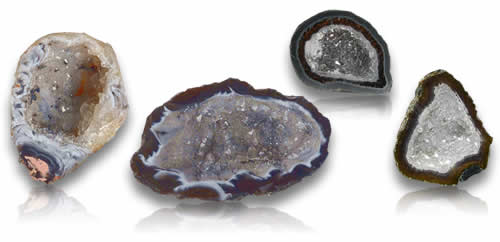
Agate Geodes are a form of chalcedony quartz that forms in concentric layers in a remarkable variety of colors and textures within rock cavities or vugs with internal crystal formations.
Agate Geode Information
Shop Agate Geode
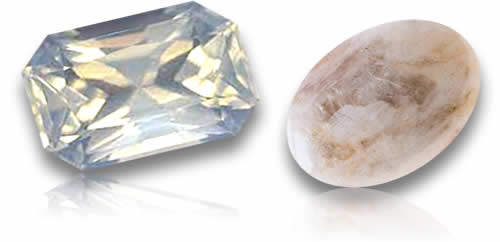
Albite is a type of feldspar with a white to grey color which is often cut into cabochon gemstones.
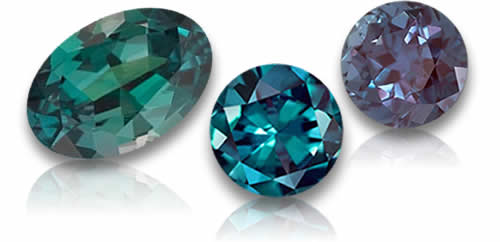
Alexandrite is one of the rarest of all colored gemstones and is famed for its color change from green in daylight to red under incandescent light.
Alexandrite Information
Shop Alexandrite
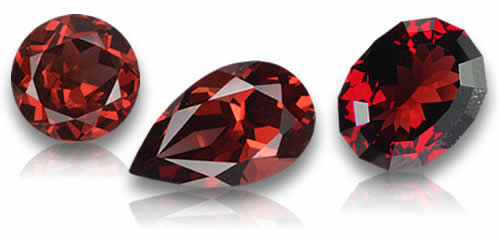
Almandine garnet the most common garnet, is dark-brownish or purplish-red. Garnet is very popular for its excellent hardness and brilliance.
Almandine Garnet Information
Shop Almandine Garnet
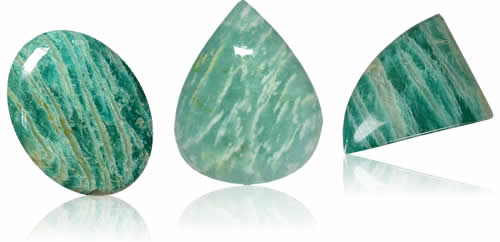
Amazonite is a gemstone variety of green microcline, a feldspar mineral. It is named after the Amazon River in Brazil, although no deposits have been found there.
Amazonite Information
Shop Amazonite
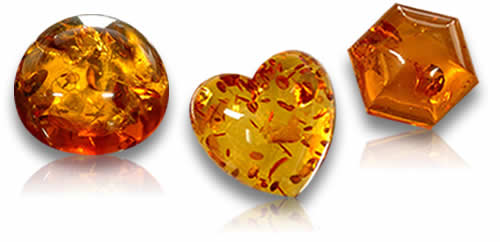
Amber, the fossilized, hardened resin of the pine tree, is one of the few gemstones of organic origin. Most amber is found in the Baltic, where it formed about 50 million years ago.
Amber Information
Shop Amber
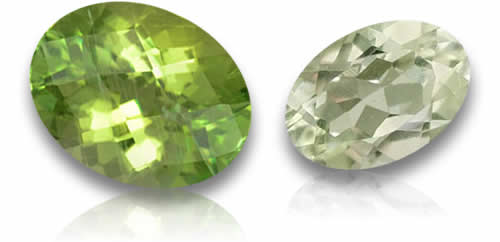
Amblygonite is an incredibly rare gemstone that is usually pale yellow, but can also be found in a very beautiful mint blue/green color.
Amblygonite Information
Shop Amblygonite
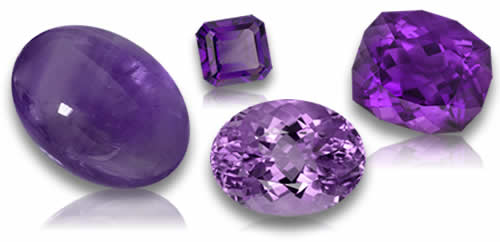
Amethyst is the most precious gemstone within the quartz group. Amethyst ranges in color from pale lilac to deep reddish-purple.
Amethyst Information
Shop Amethyst
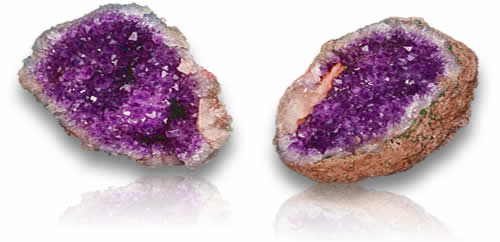
Amethyst Geode is a trade name for violet quartz that forms within rock cavities and is often traded under names such crystal clusters or crystal plates.
Amethyst Geode Information
Shop Amethyst Geode
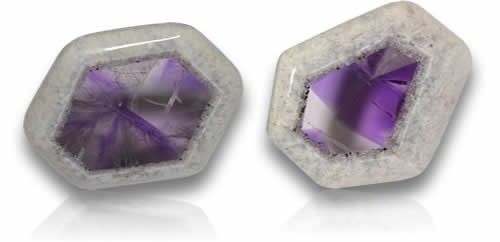
Amethyst Geode Slice combines an outer shell of pure rock with the interior of Amethyst crystal with its characteristic color from lilacs with pink undertones all the way up to raspberries with hints of red and blue.
Amethyst Geode Slice Information
Shop Amethyst Geode Slice
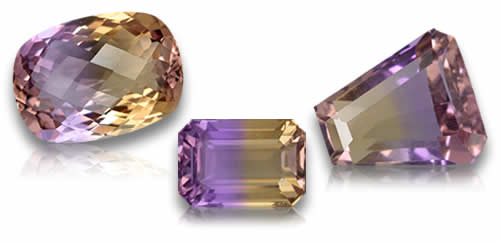
Ametrine is a form of quartz that occurs in bands of yellow and purple, a combination of the colors of amethyst and citrine.
Ametrine Information
Shop Ametrine
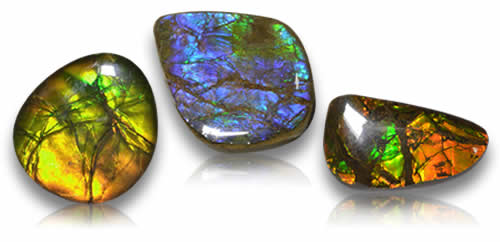
Ametrine is a form of quartz that occurs in bands of yellow and purple, a combination of the colors of amethyst and citrine.
Ammolite Information
Shop Ammolite
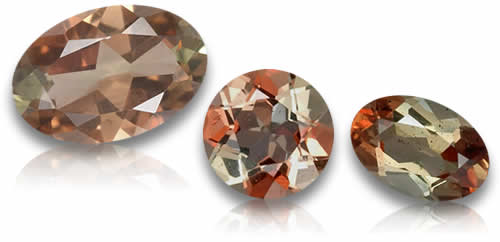
Andalusite is a strongly pleochroic gem, which means that it can display different colors when viewed from different angles.
Andalusite Information
Shop Andalusite
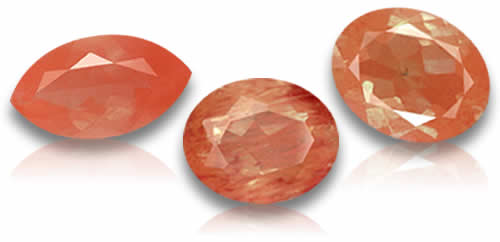
Andesine Feldspar is a variety of labradorite that has a reddish with traces of green and yellow color; the most valuable color range from red to honey-red.
Andesine Feldspar Information
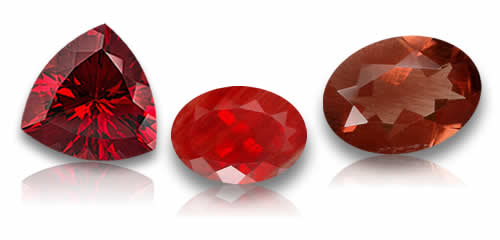
Supplies of andesine-labradorite are quite recent, with the mineral found in a range of colors, including red, yellow, champagne and green.
Andesine Labradorite Information
Shop Andesine Labradorite
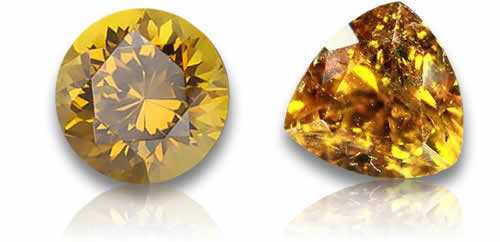
Andradite Garnet is the most lustrous of the garnets and comes in many colors most famously green and black but the term Andradite is not often used when describing gems, usually broken down into further groups or types, including the highly prized Demantoid garnets.
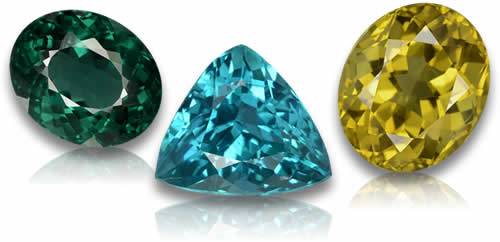
Apatite, a stone seldom found in jewelry stores, is beloved by collectors for its many different colors and forms.
Apatite Information
Shop Apatite
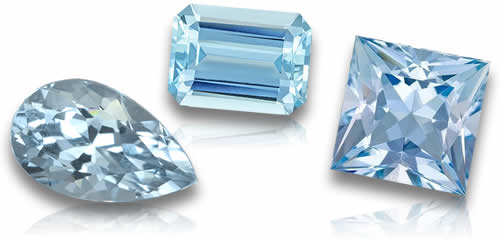
Aquamarine is best known for its breathtaking range of blue colors and belongs to the same family as emerald (beryl). Aquamarine is colored by trace amounts of iron.
Aquamarine Information
Shop Aquamarine
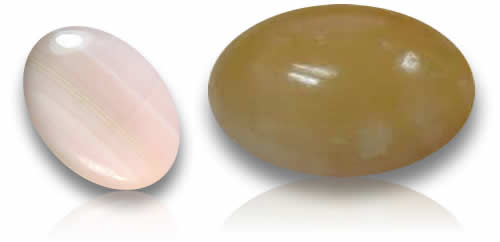
Aragonite is highly priced by mineral collectors and is usually white or colorless, but impurities can create a wide range of pale colors including pink, blue, purple, red and more.
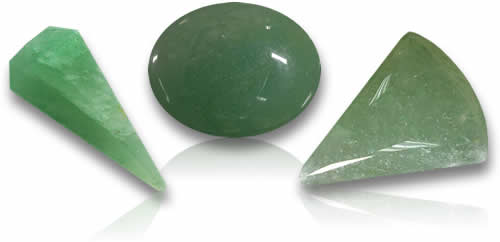
Aventurine is a type of green quartz often used for carvings and cabochons.
Aventurine Information
Shop Aventurine
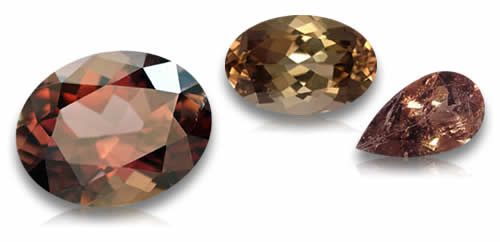
Axinite is a group of brown to violet-brown or reddish-brown minerals that sometimes occur in gem quality. Axinite is distinctive for its strong vitreous luster.
Axinite Information
Shop Axinite
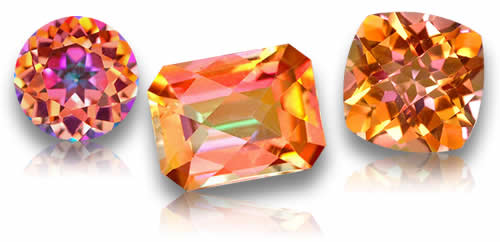
A new high tech enhancement process using thin film deposition has created this new-look topaz.
Azotic Topaz Information
Shop Azotic Topaz
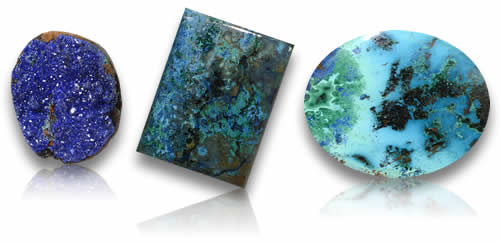
Azurite is an intense blue gem that gets its bright azure blue color from copper, and is related to malachite, which is also a copper carbonate mineral.
Azurite Information
Shop Azurite
B
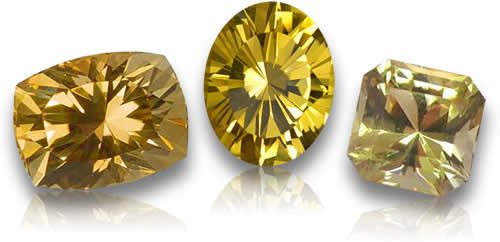
Barite is very soft so rarely cut into gemstones. It generally has a white or colorless color.
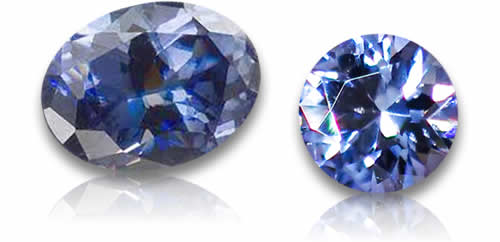
Benitoite is an extremely rare and valuable gemstone with a bright blue color that is only found in California.
Benitoite Information
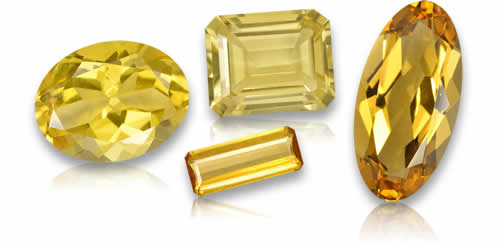
Beryl is one of the most important gem minerals. The most famous beryl is emerald, but other beryl varieties include aquamarine, heliodor and morganite.
Beryl Information
Shop Beryl
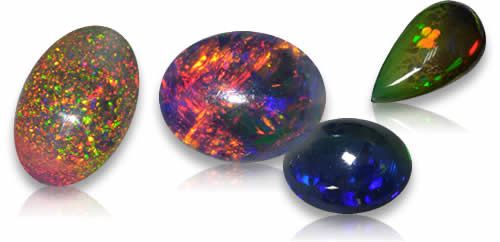
Black Opal is the most valuable opal variety. Its dark body color can range from dark to black and acts as the base for the spectrum of colors it can exhibit.
Black Opal Information
Shop Black Opal
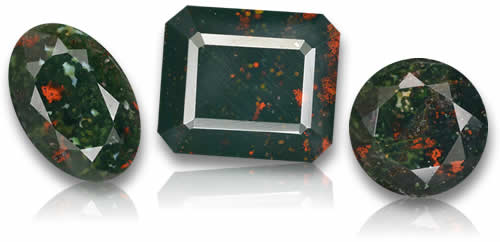
Bloodstone, also known as heliotrope, is a green gemstone dotted with bright red spots of iron oxide.
Bloodstone Information
Shop Bloodstone
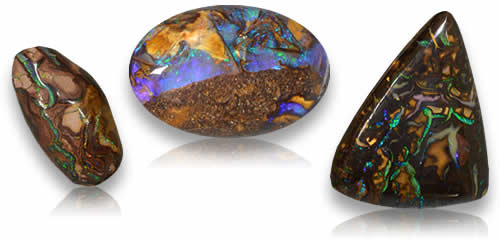
Boulder opal is the second most prized form of opal, after black opal. The name is derived from the fact that boulder opal is found embedded in ironstone boulders.
Boulder Opal Information
Shop Boulder Opal
C
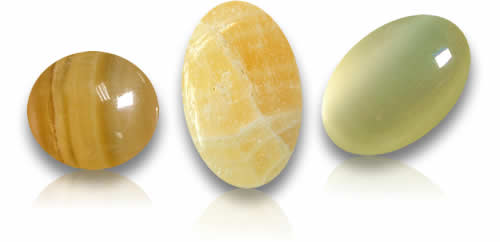
Pure calcium carbonate is colorless, but calcite is often colored by various impurities, including iron, magnesium, manganese, zinc or cobalt.
Calcite Information
Shop Calcite
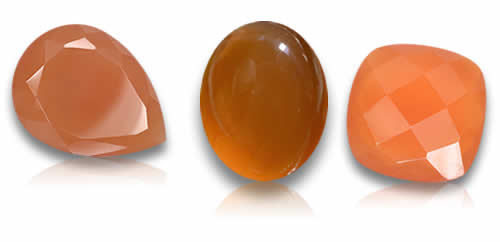
Carnelian is a brownish red to orange variety of chalcedony quartz, colored by trace amounts of iron. Darker colors (red-brown to brown) are often referred to by the name sard.
Carnelian Information
Shop Carnelian
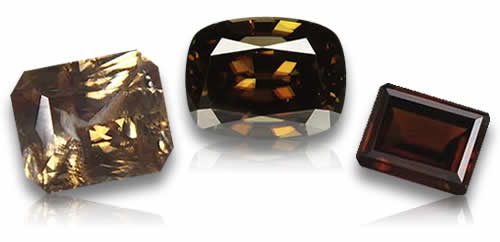
Cassiterite is one of the densest gem materials known. It also has a very high refractive index, higher than zircon, sphene and demantoid garnet.
Cassiterite Information
Shop Cassiterite
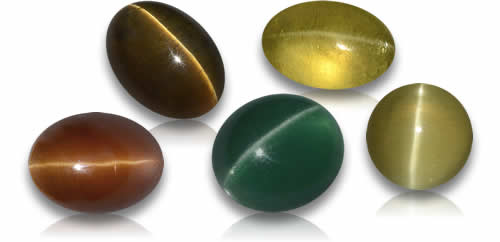
Chatoyancy (the cat's eye effect) in cat's eye apatite is the reflection of light by parallel fibers, needles, or channels, which resemble the slit eye of a cat.
Cat's Eye Apatite Information
Shop Cat's Eye Apatite
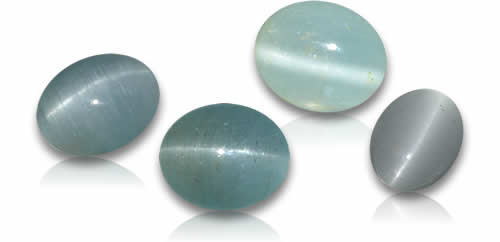
Aquamarine is best known for its breathtaking range of blue colors and belongs to the same family as emerald. Cat's eye aquamarine is quite rare.
Cat's Eye Aquamarine Information
Shop Cat's Eye Aquamarine
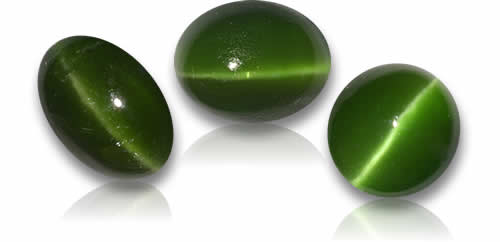
Cat's Eye Augite is a rare type of Augite that is found in pale green to blackish green color. Parallel-aligned inclusions causes light to be reflected in the shape of a cat's eye.
Shop Cat's Eye Augite
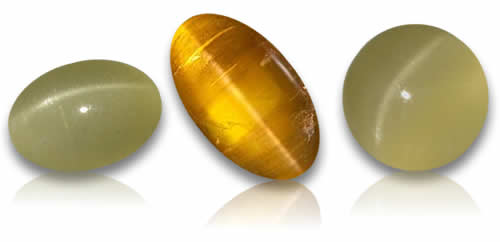
Beryl is colorless in pure form; it is the many different impurities that give beryl its varied coloration as well as the appearance of the cat's eye effect.
Cat's Eye Beryl Information
Shop Cat's Eye Beryl
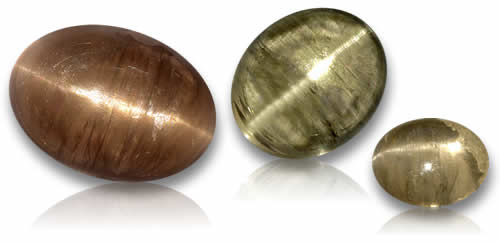
Diaspore, sometimes marketed under the name zultanite, is a color change gem from Turkey. Cat's eye diaspore is fairly rare.
Cat's Eye Diaspore Information
Shop Cat's Eye Diaspore
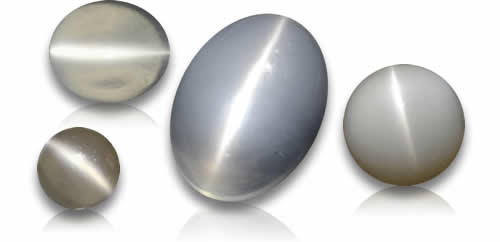
Cat's Eye Moonstones come in a variety of delicate colors - white or colorless, cream, gray, yellow and orange are the most common. The unique Cat's Eye effect is quite strong in Moonstone which makes it a very popular gem.
Cat's Eye Moonstone Information
Shop Cat's Eye Moonstone
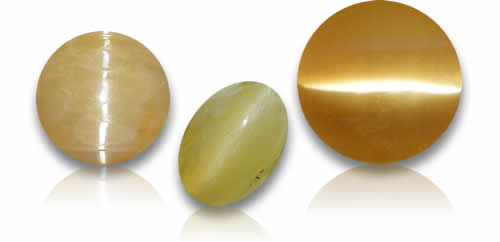
Very rarely opals can be found showing the fascinating cat's eye effect where a combination of fibrous inclusions and skilled cutting produces a stone which resembles the pupil of a cat.
Cat's Eye Opal Information
Shop Cat's Eye Opal
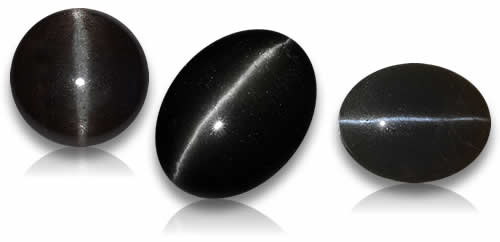
Scapolite is a sodium calcium aluminum silicate with a hardness of 5.5 to 6 on the Mohs scale. It is named after the Greek word for "stick", since its crystals grow in columns.
Cat's Eye Scapolite Information
Shop Cat's Eye Scapolite
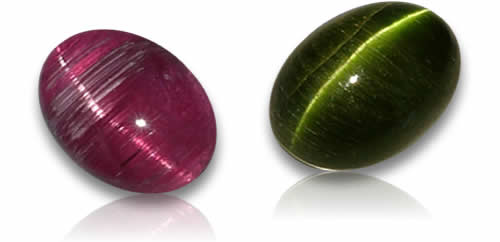
Tourmaline with tiny parallel inclusions sometimes displays a strong cat's eye effect when polished.
Cat's Eye Tourmaline Information
Shop Cat's Eye Tourmaline
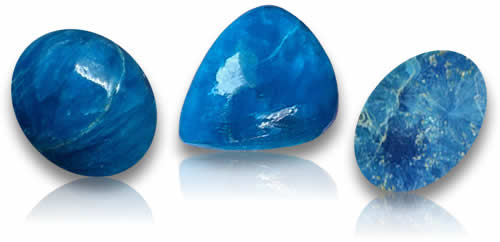
Cavansite is a vivid blue crystal mainly found in India. It is very soft at 3-4 on the Moh's Hardness scale, so rarely cut into gemstones.
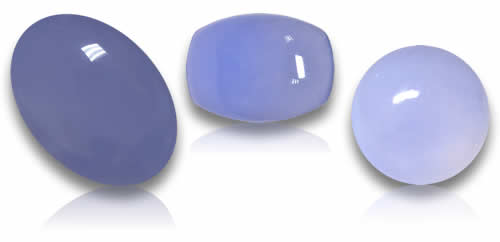
Chalcedony is the fine-grained variety of the silica mineral quartz. It has a waxy luster and appears in a great variety of colors.
Chalcedony Information
Shop Chalcedony
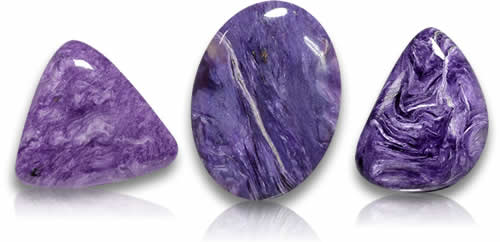
Charoite is a new gem on the market, first appearing in 1978. It is found only in one location in Siberia, Russia. The swirling shapes of lavender and violet are quite unique.
Charoite Information
Shop Charoite
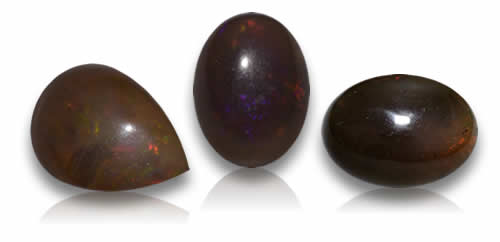
Chocolate Opal is a very distinct opal variety due to its chocolate-brown base-color. Chocolate Opal is found only in Ethiopia and forged in the ashes of ancient volcanoes.
Chocolate Opal Information
Shop Chocolate Opal
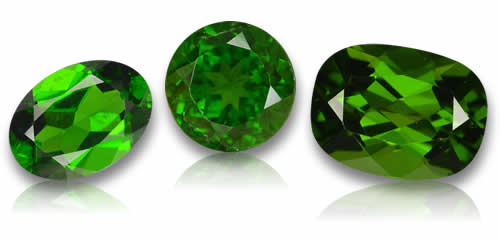
Chrome diopside is colored by chromium and displays a rich forest green that has similarities with tsavorite garnet and chrome tourmaline.
Chrome Diopside Information
Shop Chrome Diopside
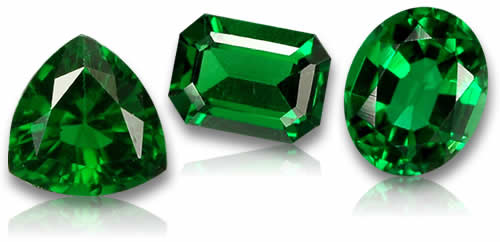
Chrome tourmaline is a distinct variety of tourmaline colored by chromium. It is sometimes referred to as chrome dravite and is known for its rich forest green color.
Chrome Tourmaline Information
Shop Chrome Tourmaline
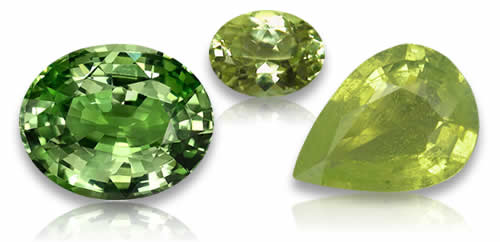
Faceted chrysoberyl is a beautiful gem which is not as well known as it deserves. Apart from the very good hardness (8.5 on the Mohs scale), it has excellent luster.
Chrysoberyl Information
Shop Chrysoberyl
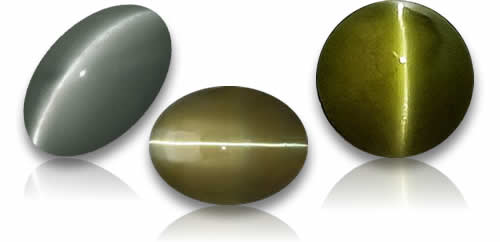
The most famous and valuable cat's eye gemstone is chrysoberyl cat's eye. It is valued for its excellent hardness (8.5) and sharp cat's eye.
Chrysoberyl Cat's Eye Information
Shop Chrysoberyl Cat's Eye
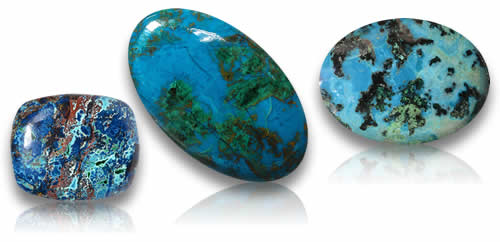
Chrysocolla is hydrous copper silicate. Often confused with turquoise, chrysocolla is found in unusual multicolor combinations as well as blue or green.
Chrysocolla Information
Shop Chrysocolla
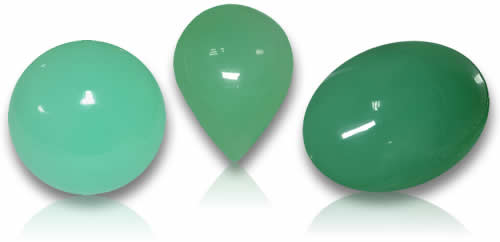
Chrysoprase is a gemstone variety of chalcedony or cryptocrystalline quartz, colored by trace amounts of nickel. Its color varies from apple-green to deep green.
Chrysoprase Information
Shop Chrysoprase
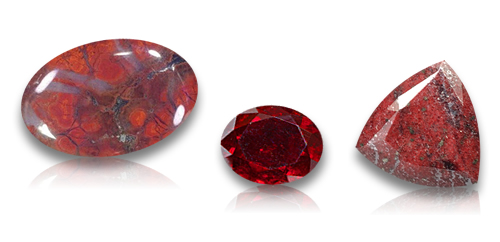
Cinnabar is composed of mercury sulphide and is the common ore of mercury. Cinnabar is notably soft, with a hardness of only 2 to 2.5 on the Mohs scale.
Cinnabar Information
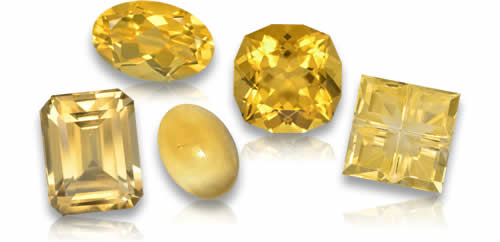
Named after the French word for lemon, citrine is yellow, gold or orange-brown transparent quartz.
Citrine Information
Shop Citrine
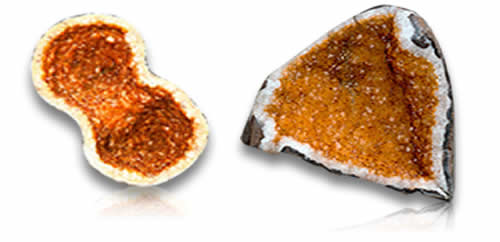
Citrine geodes are rock cavities or vugs with internal crystal formations in colors ranging from pale yellow to deep orange and ranging from transparent to translucent.
Citrine Geode Information
Shop Citrine Geode
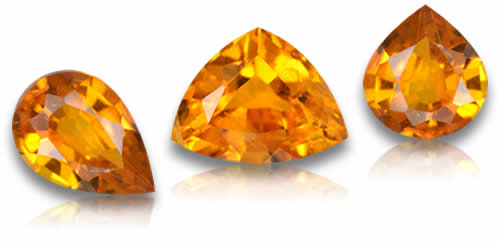
Clinohumite is a rare mineral and an especially rare gemstone. Only three sources of gem-quality clinohumite material are known; in Tajikistan, Siberia and Tanzania.
Clinohumite Information
Shop Clinohumite
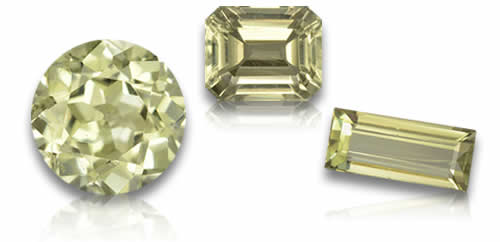
Diaspore, sometimes marketed under the name zultanite or csarite, is a natural color change gemstone mined from Turkey, which was recently introduced to the international market.
Color-Change Diaspore Information
Shop Color-Change Diaspore
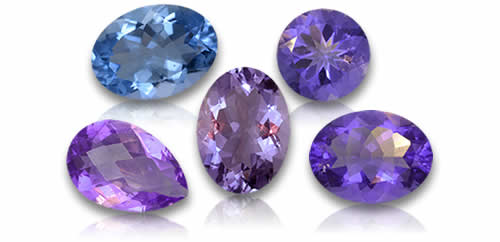
Very rarely, Fluorite can be found in examples that will have a marked change in color when moved from one lighting source to another. Color Change Fluorite tends to look blue in daylight and shifts to purple under incandescent light.
Color-Change Fluorite Information
Shop Color-Change Fluorite
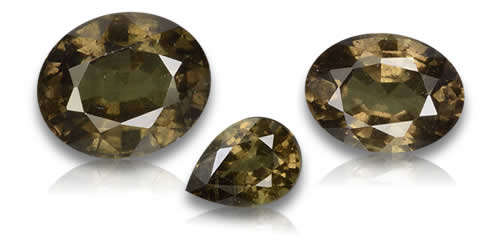
Color-change garnet is a mix of spessartite and pyrope garnet. This garnet presents a color change from brownish in daylight to rose pink in incandescent light.
Color-Change Garnet Information
Shop Color-Change Garnet
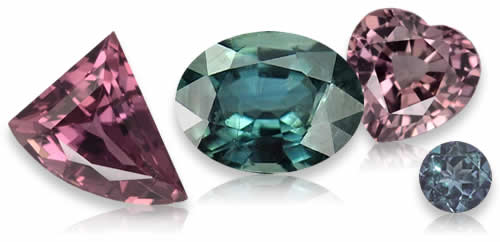
Some rare sapphires exhibit a color change under varying lighting conditions. Color change sapphires are typically blue in natural light and purple under incandescent light.
Color-Change Sapphire Information
Shop Color-Change Sapphire
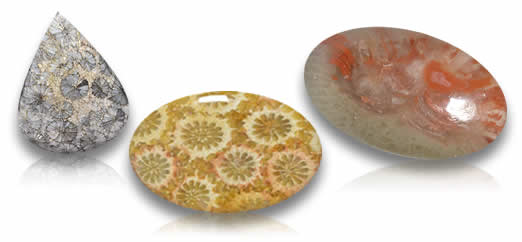
Precious coral is a species of coral that grows in rocky seabottoms. Coral exhibits a range of warm reddish-pink colors ranging from salmon pink to deep-red.
Coral Information
Shop Coral
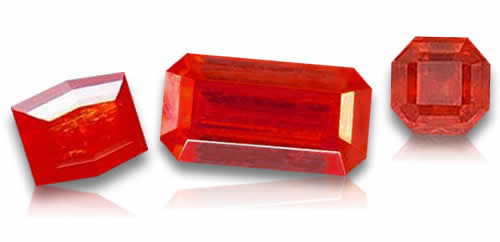
Crocoite is a very rare gem type with colors ranging from saffron orange/red to intense red.
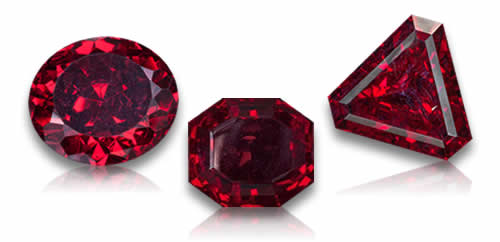
Cuprite is a rare gemstone that has a very distinctive ruby-red color and stunning brilliance.
D
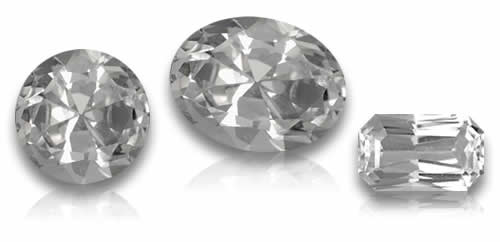
Precious coral is a species of coral that grows in rocky seabottoms. Coral exhibits a range of warm reddish-pink colors ranging from salmon pink to deep-red.
Danburite Information
Shop Danburite
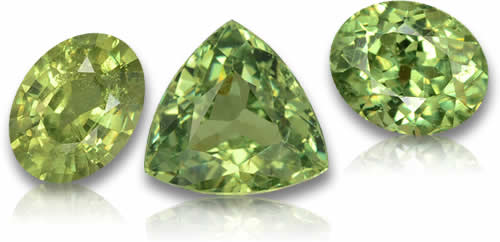
Demantoid garnet is the rarest and most valuable of the garnets. Found in green to emerald green, demantoid garnet is scarce and is typically only seen in small sizes.
Demantoid Garnet Information
Shop Demantoid Garnet
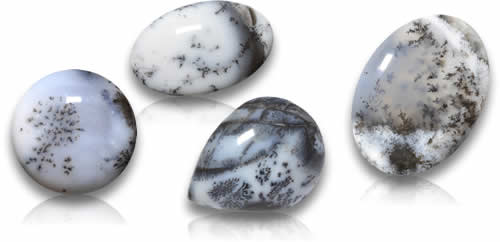
Dendritic agate is a whitish-gray or colorless chalcedony with fern-like inclusions known as dendrites. The inclusions look like plant material, but they are actually iron or manganese.
Dendritic Agate Information
Shop Dendritic Agate
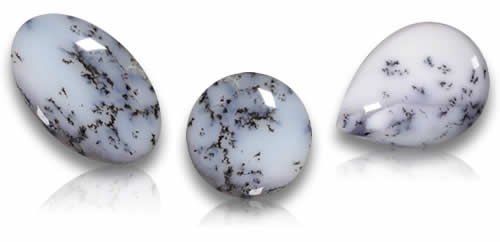
Dendritic chalcedony is a whitish-gray or colorless chalcedony with fern-like inclusions known as dendrites. The inclusions look like plant material, but they are actually iron or manganese.
Dendritic Chalcedony Information
Shop Dendritic Chalcedony
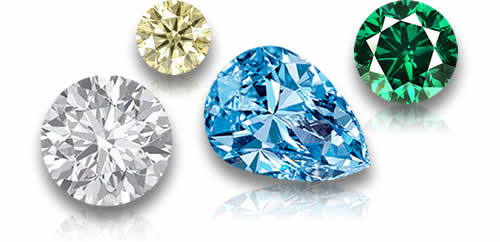
Diamond, the hardest known natural material, is a transparent carbon crystal. Diamond is famed not only for its superb hardness, but also for its high refractive index and dispersion.
Diamond Information
Shop Diamond
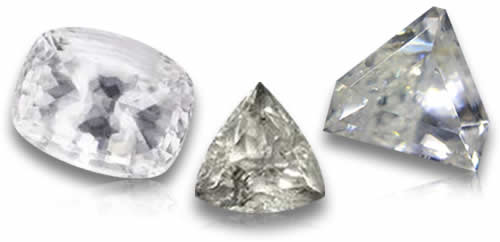
Dolomite ranges from pure white to brownish-white and sometimes pink-colored. Gemstone quality dolomite can be difficult to find due to their cleavage and low hardness, 3.5-4 on Moh’s scale. They are therefore usually preferred as a collector’s stone.
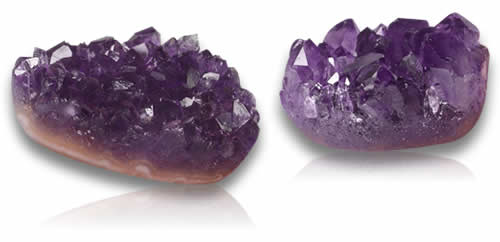
Druzy Amethyst are small amethyst crystals that form inside or on the surface of various types of rock. Layers of crystal in various shapes and colors fill cavities in volcanic rock and when left whole or sliced make very interesting gemstone pieces.
Druzy Amethyst Information
Shop Druzy Amethyst
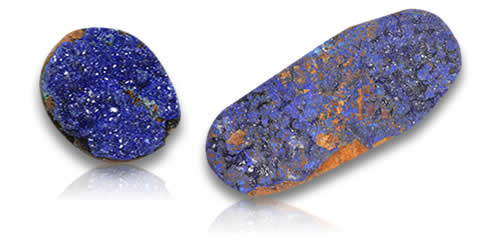
Druzy are small mineral crystals that form inside or on the surface of various types of rock. Layers of crystal in various shapes and colors fill cavities in volcanic rock. Druzy Azurite is an interesting dark blue version.
Druzy Azurite Information
Shop Druzy Azurite
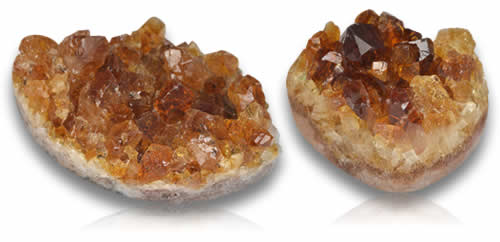
Druzy Citrine is small mineral crystals formed inside or on the surface of various type of rock. Layers of pale yellow to deep orange crystals fill cavities in volcanic rock creating this beautiful crystal.
Druzy Citrine Information
Shop Druzy Citrine
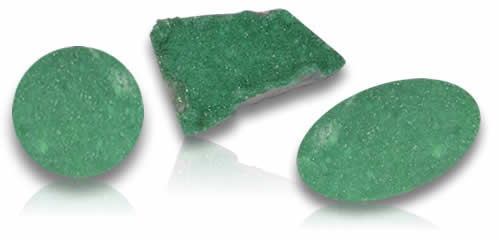
Druzy Variscite is an attractive green crystal formed inside or on the surface of various type of rock. The colors range from light pale-green to emerald-green.
Druzy Variscite Information
Shop Druzy Variscite
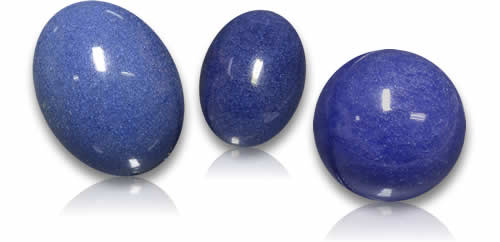
Dumortierite quartz is an unusual quartz that is intergrown with the mineral dumortierite. The inclusions of dumortierite give it a deep blue color that is unique in the world of quartz.
Dumortierite Quartz Information
Shop Dumortierite Quartz
E
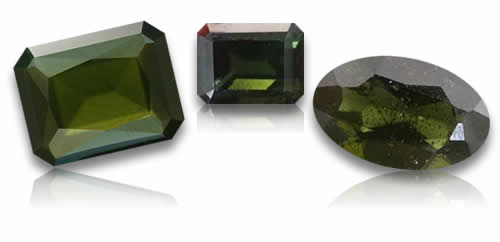
Ekanite is a very rare gemstone primarily found in Sri Lanka. Ekanite is one of very few gems that are naturally radioactive so jewelry use isn't recommended.
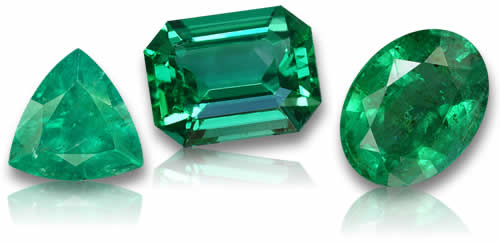
Emerald is the most precious stone in the beryl group. The wonderful green color of emerald is unparalleled in the gem world.
Emerald Information
Shop Emerald
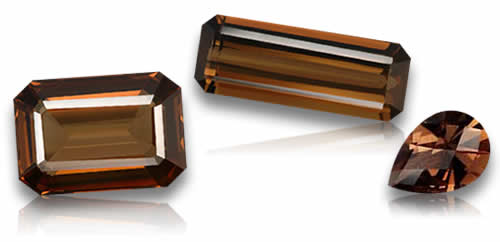
Enstatite is a rare gemstone that belongs to the pyroxene group of minerals. It is typically brown-green with a vitreous luster and is a collector's gem.
Enstatite Information
Shop Enstatite
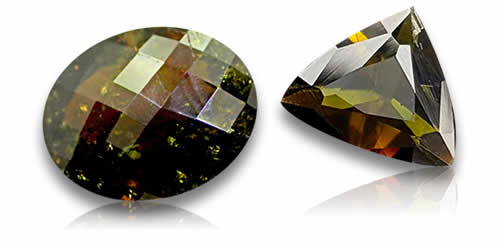
Epidote is actually a group of closely related minerals, but in the gem trade, the name typically refers only to the gem-quality green variety of the mineral epidote. Epidote occurs in all shades and tones of green, with yellowish-green or pistachio color being most typical and most desirable.
Epidote Information
Shop Epidote
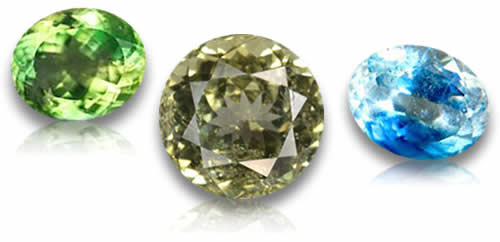
Euclase is a rare Beryllium Silicate with beautiful blue color. The most important source of gem quality euclase today is from Ouro Preto, in the Minas Gerais area of Brazil.
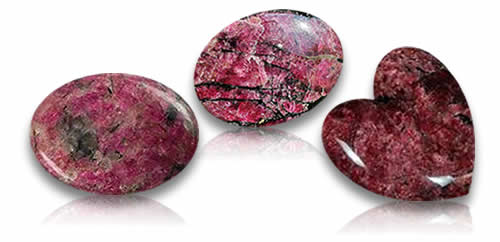
Eudialyte is a rare, reddish-toned crystal that sometimes has black and white inclusions. It is mostly found in Russia, but other mining locations are Brazil, USA, Norway, Madagascar and even Greenland.
F
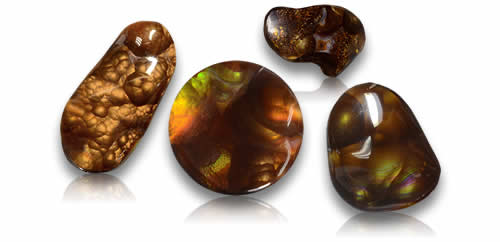
Fire agate is a type of opaque, limonite-bearing chalcedony with an iridescence caused by the diffraction of light in its layered structure.
Fire Agate Information
Shop Fire Agate
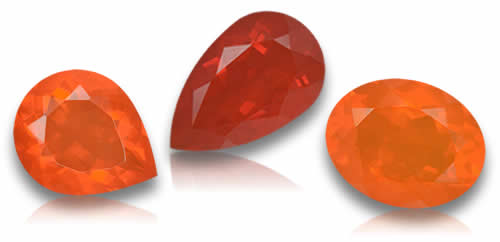
Fire opal is an unusual variety of opal from Mexico, which can be yellow, orange or orange-red. Some fire opal gemstones are clear enough for facets.
Fire Opal Information
Shop Fire Opal
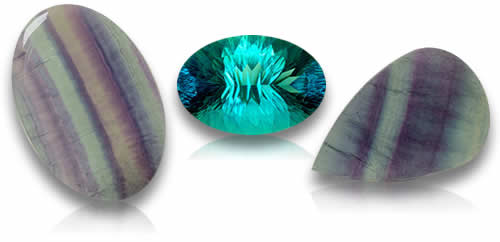
Fluorite is a mineral with a veritable plethora of brilliant colors that include purple, blue, green, yellow, colorless, brown, pink and orange.
Fluorite Information
Shop Fluorite
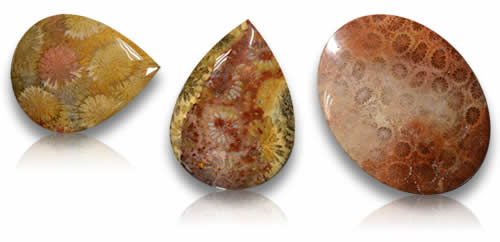
Fossil coral is a decorative material that is formed when ancient coral is gradually replaced with agate. The proper name for this material is agatized coral.
Fossil Coral Information
Shop Fossil Coral
G
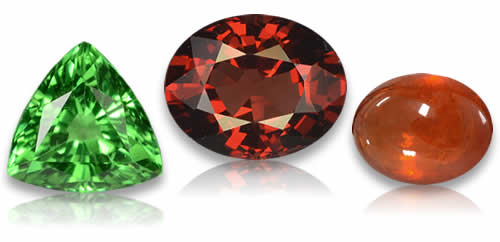
The most famous type of garnet is the dark red Pyrope Garnet. However, garnets come in almost all types of colors and have many different varieties such as Demantoid Garnet, Mali Garnet, Tsavorite Garnet and many more.
Garnet Information
Shop Garnet
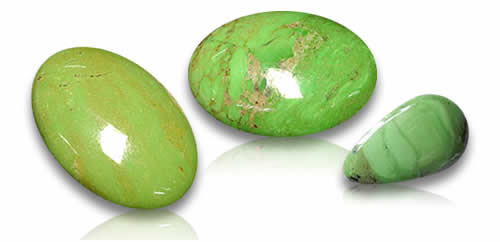
A recent discovery (1966), gaspeite is a very rare nickel carbonate mineral named after the place in Eastern Canada where it was first described.
Gaspeite Information
Shop Gaspeite
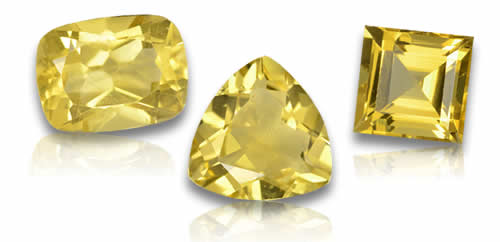
Golden Beryl is a truly gorgeous cousin of the Beryl family. Golden Beryl has excellent clarity, a great sparkle and durability. Golden Beryl gets its golden hues from the presence of iron during formation.
Golden Beryl Information
Shop Golden Beryl
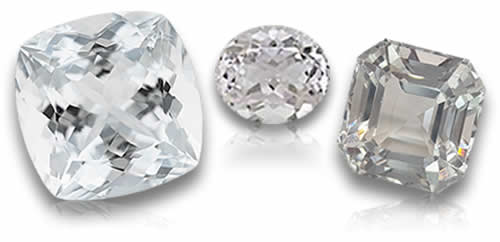
The colorless precious beryl is known as goshenite. It is named after the small town of Goshen in Western Massachusetts where it was first described.
Goshenite Information
Shop Goshenite
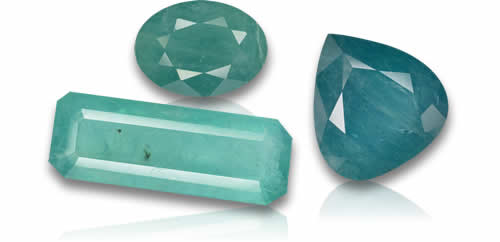
Grandidierite is a rare greenish-blue gemstone named after Alfred Grandidier. It is often listed as one of the top 10 rarest gems in the world.
Grandidierite Information
Shop Grandidierite
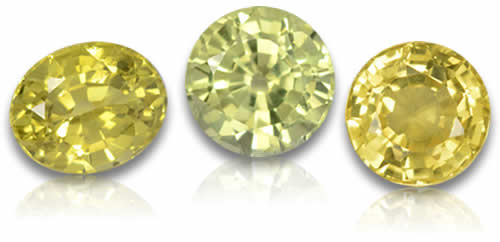
Grossularite (or grossular) garnet is a calcium-aluminium garnet. The name grossular is derived from the botanical name for the gooseberry, grossularia.
Grossularite Garnet Information
Shop Grossularite Garnet
H
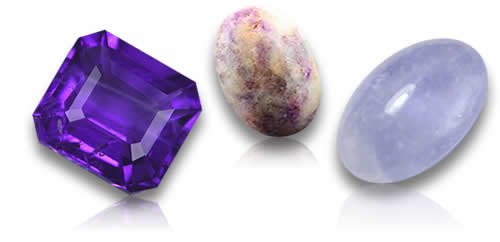
Hackmanite exhibits an unusual phenomenon known as reversible photochromism, where a mineral changes color when exposed to sunlight.
Hackmanite Information
Shop Hackmanite
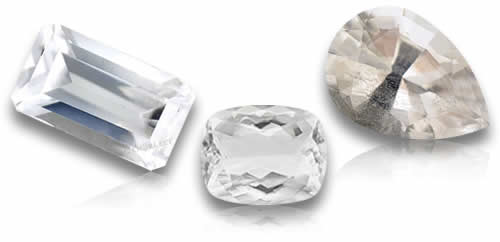
Hambergite is one of the lesser-known gemstones. It is usually nearly colorless, with the vitreous luster of glass when cut. It is quite a hard material, with a hardness of 7.5.
Hambergite Information
Shop Hambergite
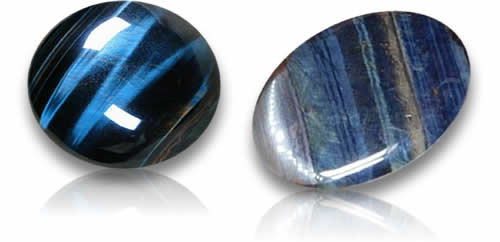
Hawk's eye is a blue-gray to blue-green opaque gemstone variety of fibrous quartz. Hawk's eye is typically multicolored with golden stripes or wavy patterns.
Hawk's Eye Information
Shop Hawk's Eye
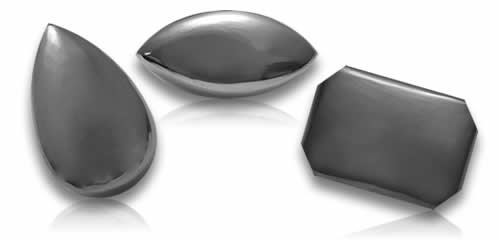
Hematite is iron oxide that is typically blackish-gray. When highly polished it can sometimes look like silver. Hematite is a remarkably dense material.
Hematite Information
Shop Hematite
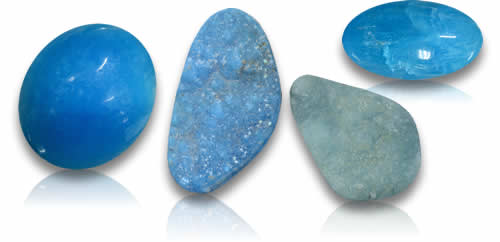
Hemimorphite is usually found in aggregate form with blue and white bands, or mixed with a dark matrix.
Hemimorphite Information
Shop Hemimorphite
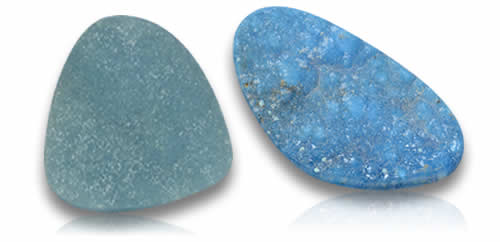
Hemimorphite druzy is a zinc silicate with a hardness of 5 on the Mohs scale. Sometimes spelled druzy, druse or drusies, all these terms refer to tiny crystals that form within or on the surface of other minerals.
Hemimorphite Druzy Information
Shop Hemimorphite Druzy
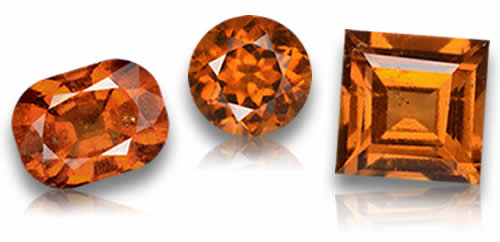
Hessonite is an orange-brown variety of garnet colored by traces of manganese and iron. It is sometimes known as cinammon stone.
Hessonite Garnet Information
Shop Hessonite Garnet
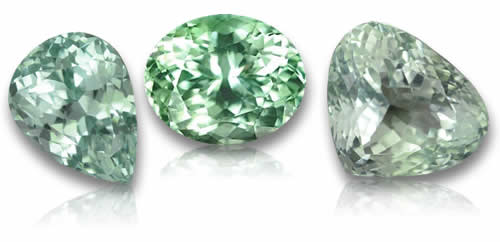
Hiddenite is a form of spodumene containing chromium. The green color varies from a yellowish to a bluish-green.
Hiddenite Information
Shop Hiddenite
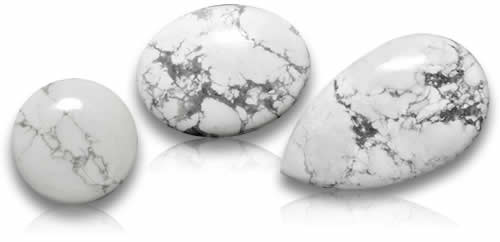
Howlite is an interesting grayish-white mineral that is sometimes referred to as white turquoise because of its distinctive veining.
Howlite Information
Shop Howlite
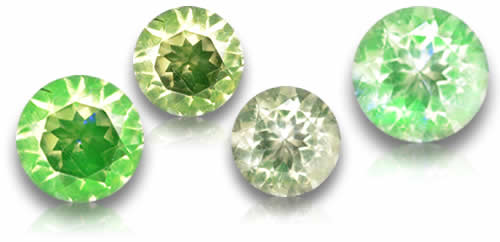
Hyalite Opal is a very rare and unusual type of opal. Tiny amounts of uranium within the gemstone cause dramatic color changes when it is viewed under daylight or in incandescent lighting. These colorful gemstones can be found in Namibia, Madagascar, the USA and more recently Mexico.
Hyalite Opal Information
Shop Hyalite Opal
I
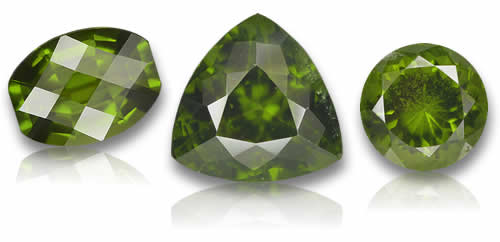
Idocrase is also known as vesuvianite, since it was originally found on Mt. Vesuvias. The color is normally green, but it can also be brown, yellow, blue or purple.
Idocrase Information
Shop Idocrase
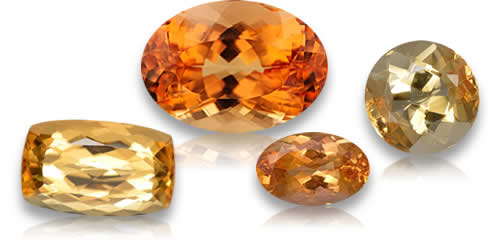
The most sought after of all natural topaz is called imperial topaz. Its rich golden color with reddish and orange overtones is generally not enhanced by any kind of treatment.
Imperial Topaz Information
Shop Imperial Topaz
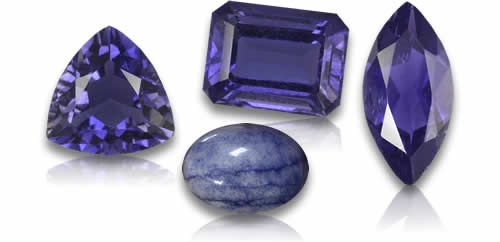
Pleochroism is very pronounced in iolite and is seen as three different color shades in the same stone; violet, yellow-gray and blue.
Iolite Information
Shop Iolite
J
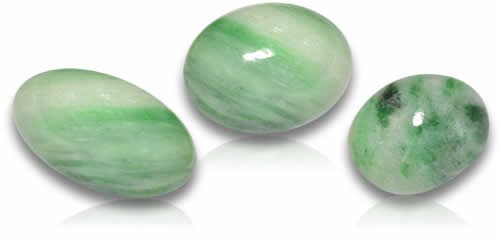
Jade can refer to two separate gems, nephrite and jadeite, with nephrite being the more common type. It occurs in a range of colors with the most famous being green. Imperial jade is the most sought after and valuable type and it is only found in Burma (Myanmar).
Jade Information
Shop Jade
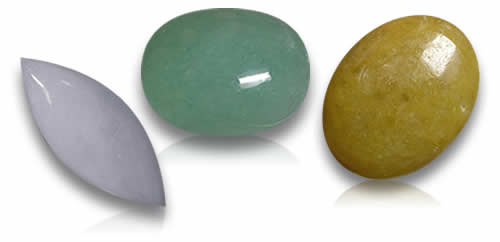
Jadeite is found in most colors, including pure white, pink, brown, red, orange, violet, blue, black and a range of greens.
Jadeite Information
Shop Jadeite
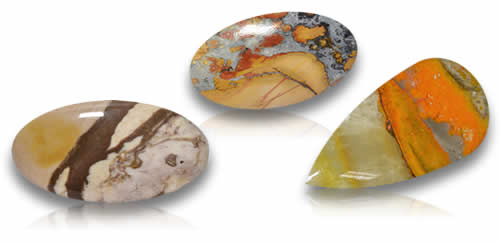
Jasper is usually considered a type of chalcedony, however, scientists put it in a group by itself because of its grainy structure.
Jasper Information
Shop Jasper
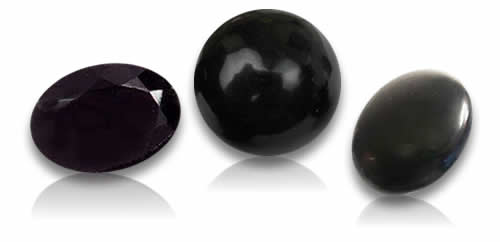
Jet is an organic material composed of fossilized wood that has a charcoal black color.
Jet Information
K
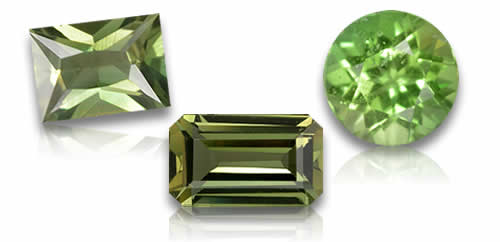
Kornerupine is a rare transparent to translucent, typically brownish-green collector's gem. It was named after Danish naturalist, artist and explorer, Andreas Nikolaus Kornerup.
Kornerupine Information
Shop Kornerupine
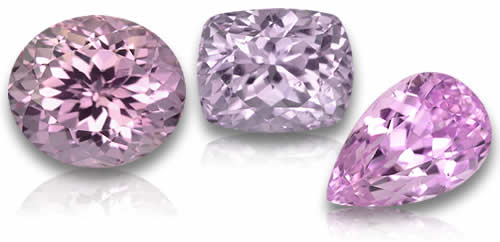
Kunzite is the pale pink-violet to light-violet species of the mineral spodumene. Kunzite is named in honor of the mineralogist George F. Kunz.
Kunzite Information
Shop Kunzite
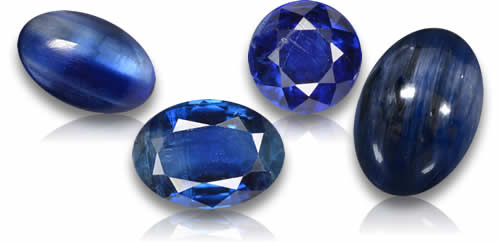
Kyanite is a layered crystal with a vitreous to almost pearly luster that is usually found in a sapphire-like blue color.
Kyanite Information
Shop Kyanite
L
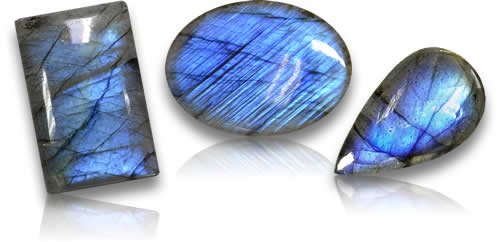
Labradorite is a member of the plagioclase feldspar group and displays a distinctive schiller in lustrous metallic tints.
Labradorite Information
Shop Labradorite
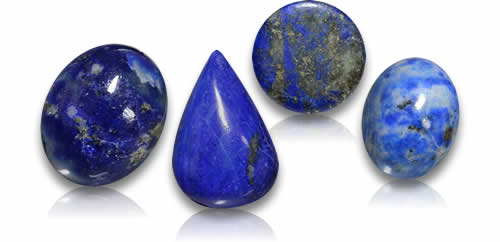
Lapis lazuli has been used for thousands of years in jewelry and ornamental objects. The unique deep blue color has never lost its attraction.
Lapis Lazuli Information
Shop Lapis Lazuli
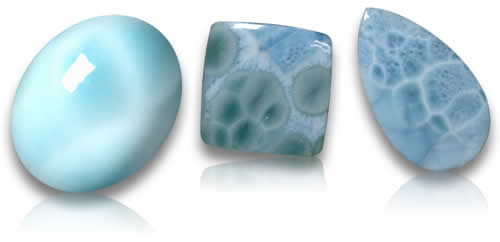
The blue variety of pectolite has become known as Larimar. A very rare mineral, it has only been found in the Dominican Republic, where it was first discovered in 1974.
Larimar Information
Shop Larimar
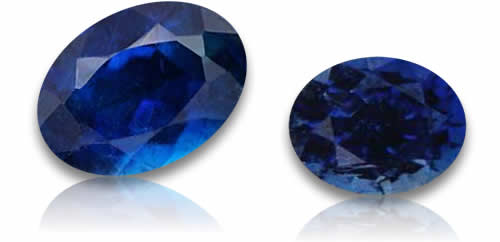
Lazulite is a rare gem type that has a stunning azure-blue to deep blue color that is normally cut into cabochon gems.
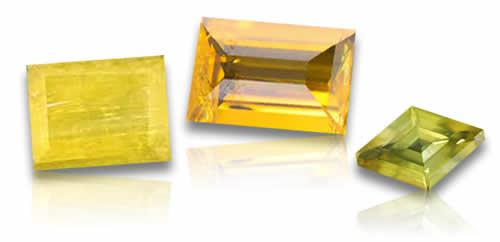
Legrandite is a very soft gemstone with intense lemon yellow color that is most used as collectors stone.
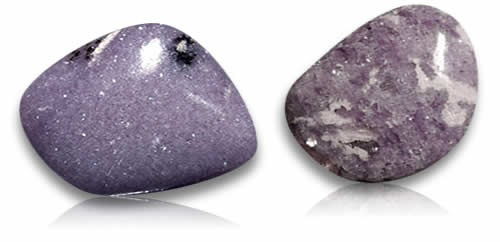
Lepidolite is a lilac-gray or rose-colored lithium-bearing mineral of the mica group. It is one of the major sources of the rare alkali metals rubidium and caesium.
Lepidolite Information
Shop Lepidolite
M
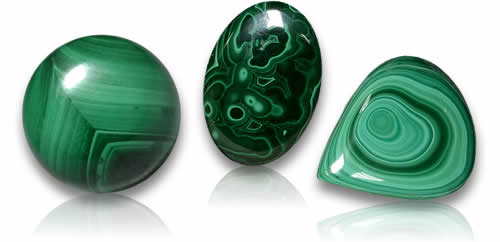
Malachite is copper carbonate with distinctive green veining. Though not a particularly hard stone, it takes an excellent polish.
Malachite Information
Shop Malachite
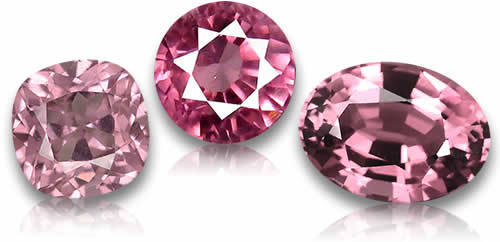
Malaya garnet is cherished for its color and rarity as it is available in beautiful colors such as peach, pink, and even shades that resemble fine wines.
Malaya Garnet Information
Shop Malaya Garnet
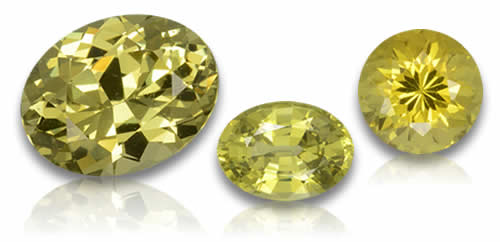
Mali Garnet is one of the hybrid garnets, a mixture of grossular and andradite garnets. It gets its name from the African country where it was first discovered.
Mali Garnet Information
Shop Mali Garnet
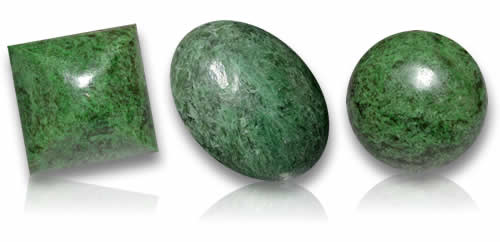
Maw-sit-sit is an unusual gemstone often classified as a member of the jade family. It was first discovered in 1963 and was named after a village in Northwestern Burma.
Maw-Sit-Sit Information
Shop Maw-Sit-Sit
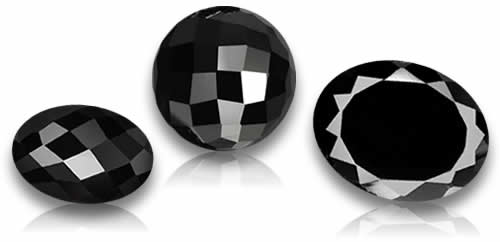
Melanite is the black variety of the rare andradite garnet. It is sometimes known as titanian andradite.
Melanite Information
Shop Melanite
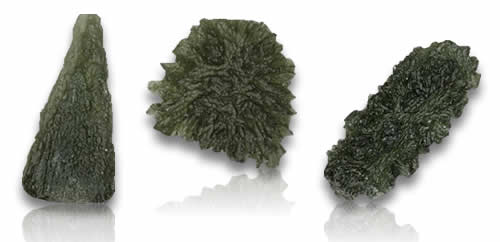
Moldavite is a bottle-green to brown-green gemstone belonging to the tektite group. It is formed from condensed rock vapors after a meteorite impact.
Moldavite Information
Shop Moldavite
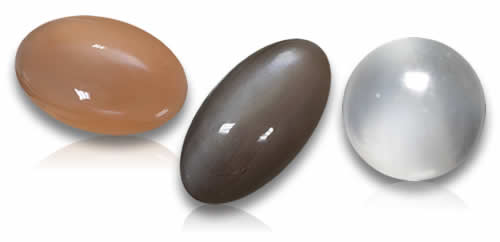
Moonstone is a unique stone that reflects light in a distinctive shimmering phenomenon known as adularescence.
Moonstone Information
Shop Moonstone
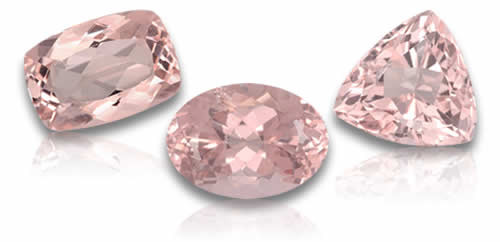
The pink form of beryl was named morganite, after the American banker and collector J.P. Morgan. A soft pink to violet, morganite belongs to the same family as emerald.
Morganite Information
Shop Morganite
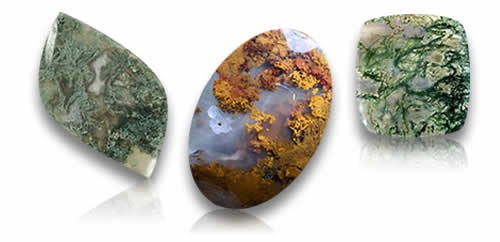
Moss Agate is type of Chalcedony that is usually creamy colored with greenish inclusions that look like moss, plants or grass.
Moss Agate Information
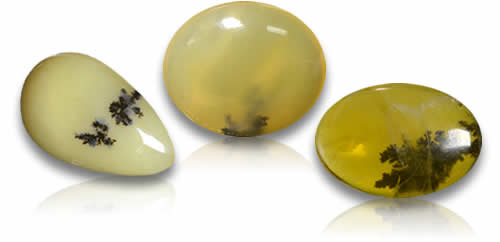
Moss opal is a milky white opal with unique inclusions of green hornblende in moss-like patterns.
Moss Opal Information
Shop Moss Opal
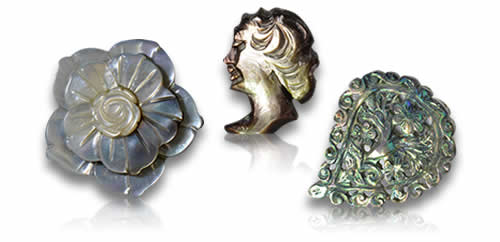
Mother of Pearl is an organic gemstone that comes from the inside of some mollusk shells. Mother-of-pearl is made from nacre, which is mainly calcium carbonate.
Mother of Pearl Information
Shop Mother of Pearl
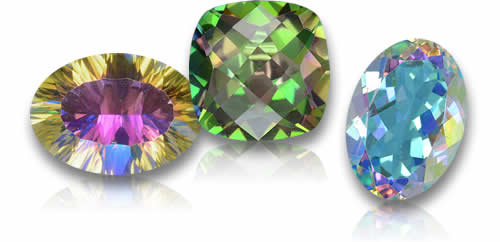
Mystic quartz is the product of a new high tech enhancement process, whereby a coating is applied to colorless quartz.
Mystic Quartz Information
Shop Mystic Quartz
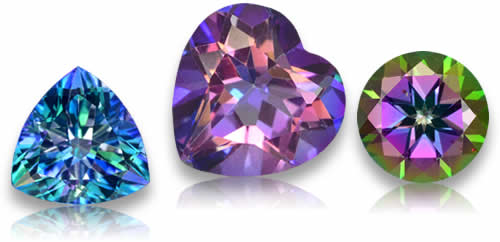
Mystic topaz is a type of topaz that has been coated, giving it a unique color effect including rainbow, pink, peacock blue, red and more.
Mystic Topaz Information
Shop Mystic Topaz
N
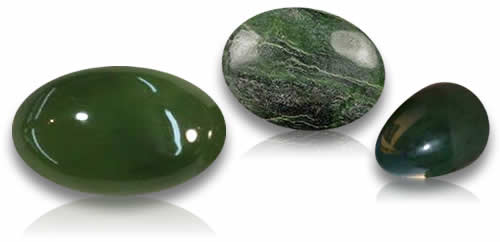
Nephrite is one of two distinct mineral forms classified as jade (other being jadeite). Nephrite is more common than jadeite and although it is slightly softer than jadeite, it is considered tougher due to its denser structure.
Nephrite Jade Information
Shop Nephrite Jade
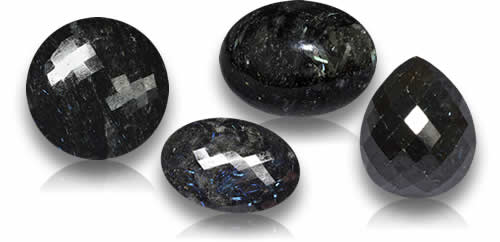
Nuummite is an opaque metamorphic rock with an iridescent play of color. Its chief constituent minerals are gedrite and anthophyllite.
Nuummite Information
Shop Nuummite
O
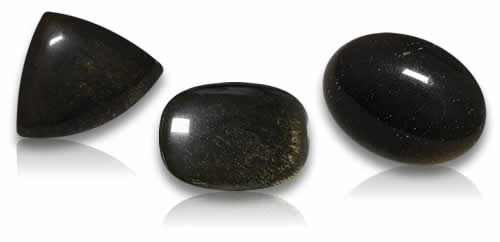
Obsidian is naturally occurring volcanic glass. It is formed when felsic lava extruded from a volcano cools without crystal growth.
Obsidian Information
Shop Obsidian
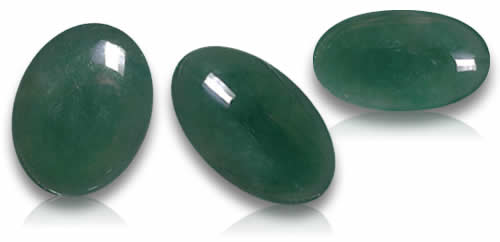
Omphacite jade belongs to a large family of rock-forming pyroxene mineral silicates, the most famous being jadeite. Omphacite jade can range in color from light to dark-green or black-green. It is sometimes referred to as inky black jade.
Omphacite Jade Information
Shop Omphacite Jade
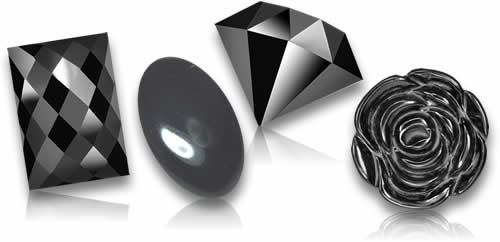
Onyx is the black form of chalcedony, a cryptocrystalline form of quartz.
Onyx Information
Shop Onyx
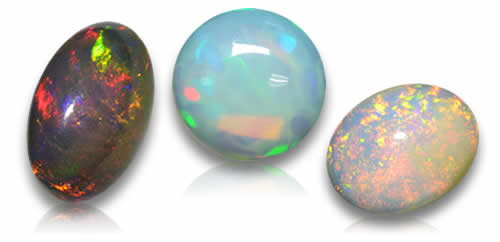
More than any other gem, each opal is unique. No other stone has such rich and varied folklore. Opals are also the most delicate gems commonly worn.
Opal Information
Shop Opal
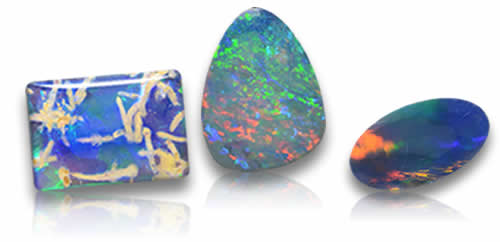
An opal doublet consists of a slice of natural opal glued to a black backing, which causes the color to become more vibrant.
Opal Doublet Information
Shop Opal Doublet
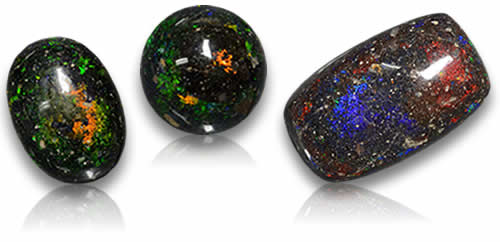
Opal in Matrix is a beautiful multicolored stone with a black base color. Since it is often discovered and mined in Honduras is has earned the name Honduras Black Opal. The stone displays its remarkable color properties which are essentially tiny flecks of opal that shine naturally brilliant colors.
Opal in Matrix Information
Shop Opal in Matrix
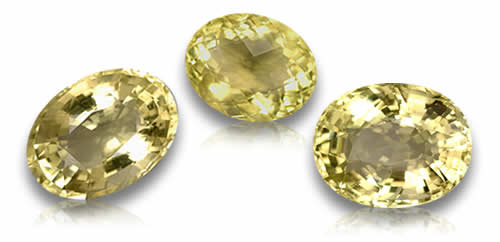
Orthoclase is a transparent yellow feldspar resembling citrine quartz or yellow beryl, found primarily in Madagascar.
Orthoclase Information
Shop Orthoclase
P
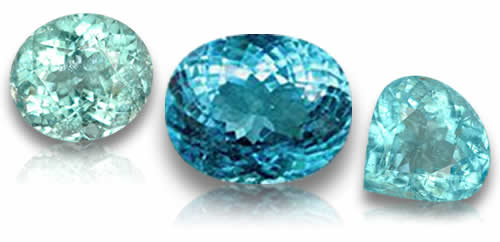
Paraiba tourmaline is a rare copper-bearing gem with a vivid neon blue color. First found in Brazil in 1989, similar material has since been found in Africa.
Paraiba Tourmaline Information
Shop Paraiba Tourmaline
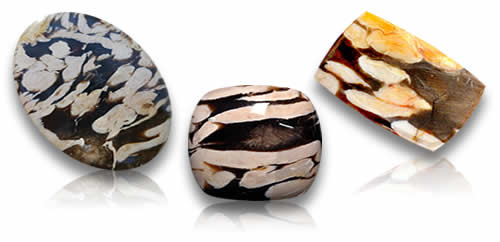
Peanut wood is a variety of petrified wood, where the shape and structure of the wood is pre- served when the original organic material is replaced by quartz.
Shop Peanut Wood
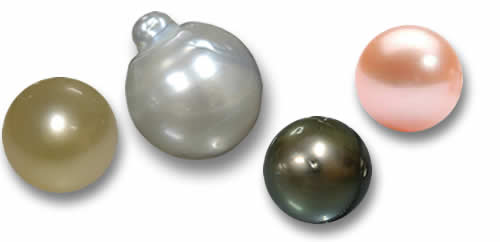
Pearls are products of bivalve mollusks (mainly oysters and mussels). They are built up of nacre, which is mainly calcium carbonate in the form of aragonite crystals.
Pearl Information
Shop Pearl
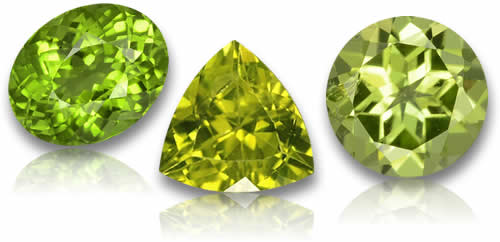
Peridot belongs to the forsterite-fayalite mineral series. It is an idiochromatic gem, meaning its color comes from the basic chemical composition of the mineral itself, rather than impurities.
Peridot Information
Shop Peridot
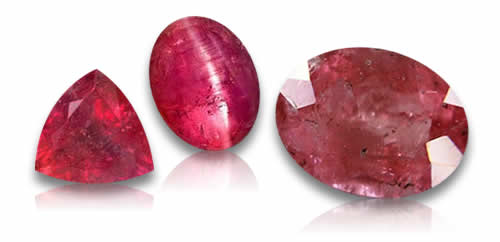
Pezzottaite is a very rare gem type that is often mistaken for red beryl. The color range from raspberry red to pinkish purple. It has so far only been found in Afghanistan and Madagascar.
Pezzottaite Information
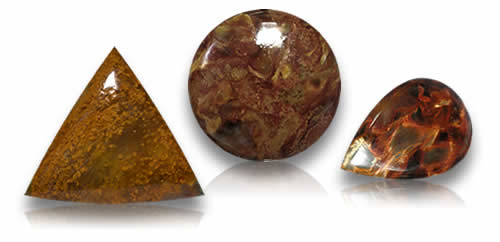
Pietersite is a breccia aggregate of hawk's eye and tiger's eye, with swirling colors of blue, rusty red, gold and brown.
Pietersite Information
Shop Pietersite
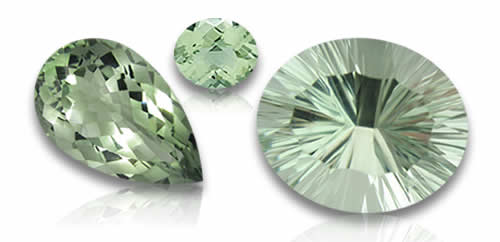
Prasiolite is a green variety of quartz ranging in colors from very light green to lush mint green.
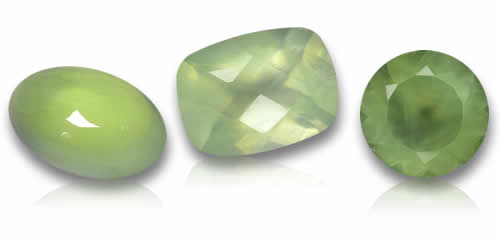
Prehnite, a form of calcium aluminum silicate, has a vitreous to pearly luster. Affordably priced for its size, prehnite makes distinctive and interesting jewelry.
Prehnite Information
Shop Prehnite
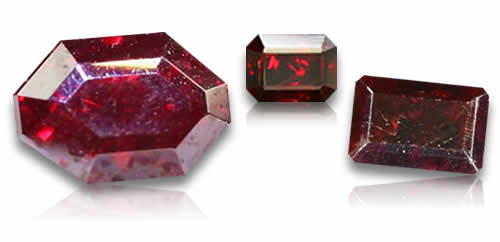
Proustite has magnificent red color rivaling that of top quality rubies. It is very soft (2-2.5 on Moh's hardness scale) so usually only used as collector's stones.
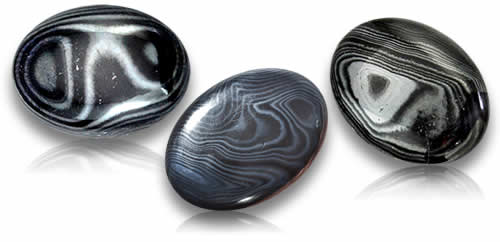
Psilomelane is a group name for hard black manganese oxides. Psilomelane is sometimes erroneously called black hematite, despite not being related to true hematite, which is an iron oxide.
Shop Psilomelane
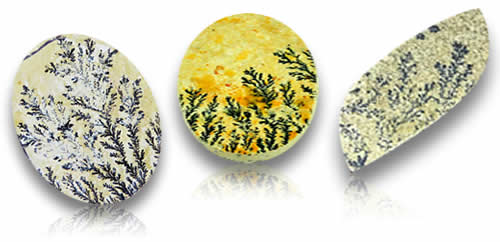
Psilomelane is a group name for hard black manganese oxides. Psilomelane Dendrite are gems that have fern-like inclusions known as dendrites.
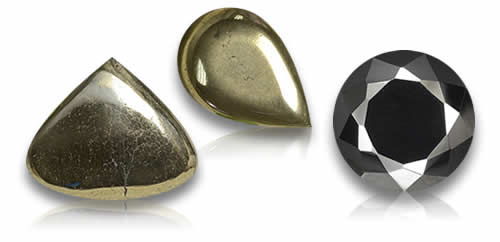
Pyrite tends to be a pale yellow to a brassy yellow or gold color although some can be dark gray or almost black. It is not a very expensive gemstone and can be found in quite substantial sizes.
Pyrite Information
Shop Pyrite
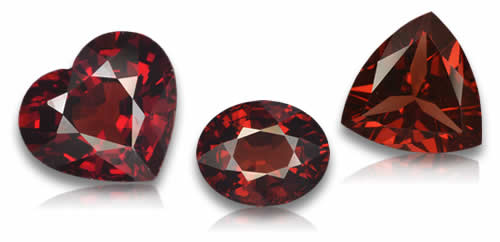
Pyrope garnet is the most famous of the red garnets. Its dark, blood red color often resembles the color of ruby.
Pyrope Garnet Information
Shop Pyrope Garnet
Q
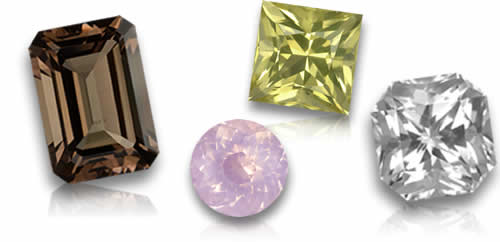
Quartz is one of the most common minerals on Earth and is well known in the gemstone world in its many forms including amethyst, citrine and ametrine.
Quartz Information
Shop Quartz
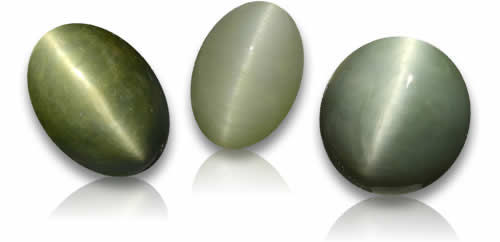
Quartz cat's eye is quartz in which inclusions of rutile create chatoyancy (the cat's eye effect). Usually found in white, green, yellow or brown.
Quartz Cat's Eye Information
Shop Quartz Cat's Eye
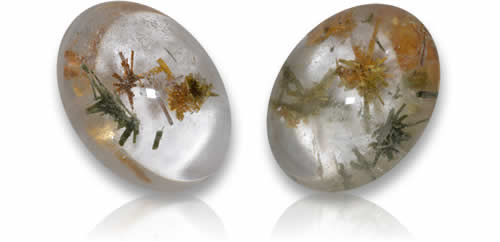
Hedenbergite occurs within Quartz crystal in a range of green to brown coloration. The crystals are stubby and prismatic and usually opaque. Each gemstone is truly unique and is often available in larger sizes, making it perfect for pendants and artisan jewelry.
Quartz With Hedenbergite Information
Shop Quartz With Hedenbergite
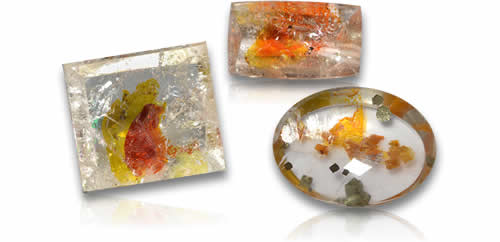
Clear quartz gemstones with beautiful Marcasite inclusions are known as Quartz With Marcasite. These gemstones are unique and available in many sizes in various cuts. Excellent for pendants and unique jewelry.
Quartz With Marcasite Information
Shop Quartz With Marcasite
R
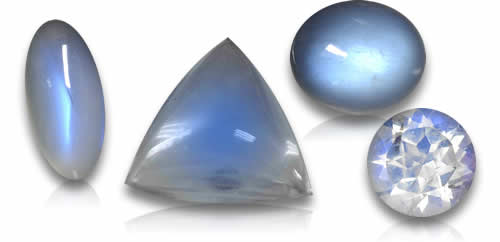
A combination of orthoclase and albite arranged in layers cause the lovely sheen. Despite the name, rainbow moonstone is actually a variety of labradorite with a multicolored adularescence.
Rainbow Moonstone Information
Shop Rainbow Moonstone
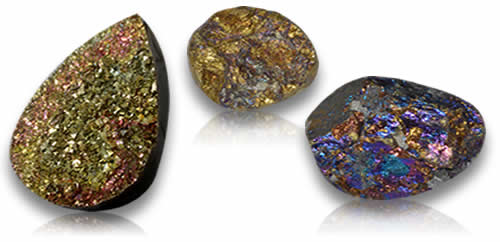
Rainbow pyrite is a recent find from Russia. The material comes in the form of druzy - a layer of miniature pyrite crystals coating a matrix.
Rainbow Pyrite Information
Shop Rainbow Pyrite
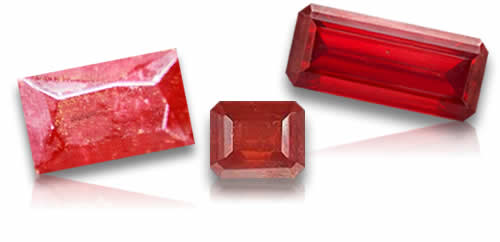
With a hardness of only 1.5-2 on Moh's scale, this rich red to orange-red mineral is only used as collector’s item.
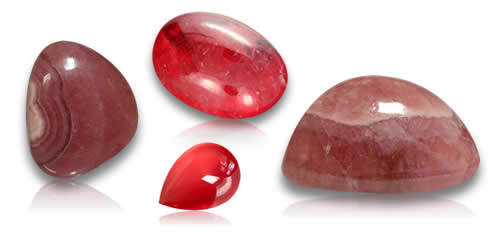
Rhodochrosite is usually found in an aggregate form with alternating light and dark stripes in zigzag bands.
Rhodochrosite Information
Shop Rhodochrosite
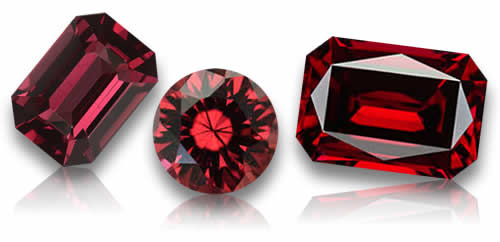
Rhodolite garnet is the name applied to a mixture of pyrope and almandite. Rhodolite tends to be lighter in color than most other kinds of red garnet.
Rhodolite Garnet Information
Shop Rhodolite Garnet
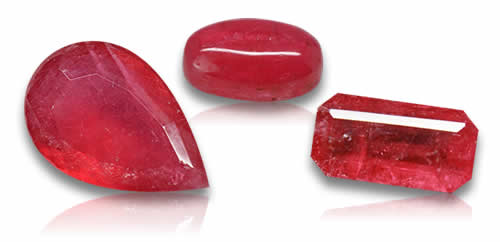
Rhodonite is a manganese iron magnesium calcium silicate, and a member of the pyroxenoid group of minerals.
Rhodonite Information
Shop Rhodonite
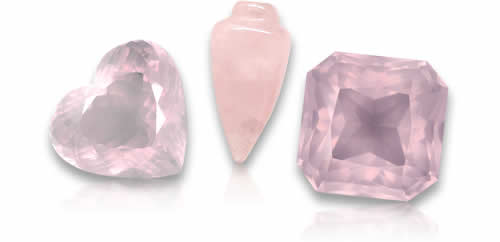
The unique soft pink color of rose quartz is thought to be derived from tiny traces of titanium. Rose quartz crystals tend to be cloudy, which deepens its color.
Rose Quartz Information
Shop Rose Quartz
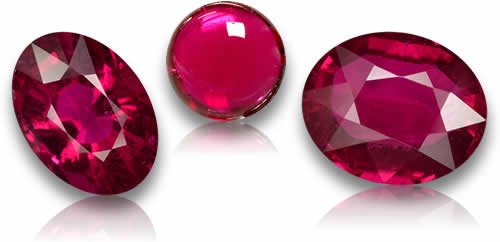
Vivid pink to red tourmaline, often with a violet tinge, is known as rubellite. It is one of the most valuable tourmaline colors.
Rubellite Tourmaline Information
Shop Rubellite Tourmaline
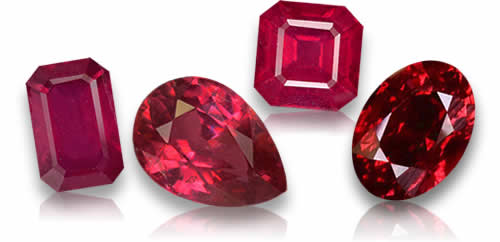
Ruby is the red variety of corundum, the 2nd hardest substance on the Mohs scale, with a rating of 9. It is the combination of hardness and rich color that makes fine ruby so valuable.
Ruby Information
Shop Ruby
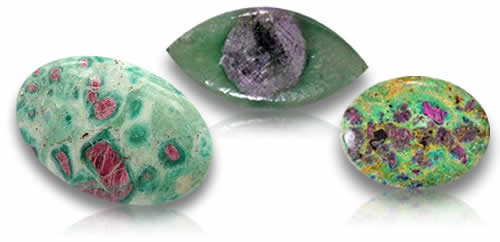
Ruby is the red variety of corundum, the 2nd hardest substance on the Mohs scale, with a rating of 9. It is the combination of hardness and rich color that makes fine ruby so valuable.
Ruby in Fuchsite Information
Shop Ruby in Fuchsite
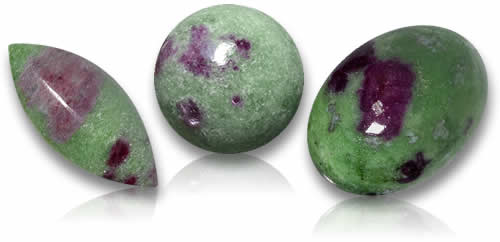
Ruby-zoisite is the natural combination of ruby and zoisite crystals in a single specimen. It is often used for carvings.
Ruby-Zoisite Information
Shop Ruby-Zoisite
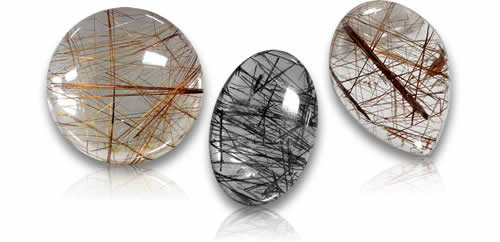
Rutile quartz is clear or smoky quartz with inclusions of rutile crystals.
Rutile Quartz Information
Shop Rutile Quartz
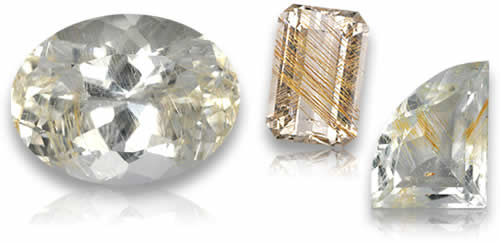
Rutile quartz is clear or smoky quartz with inclusions of rutile crystals.
Rutile Topaz Information
Shop Rutile Topaz
S
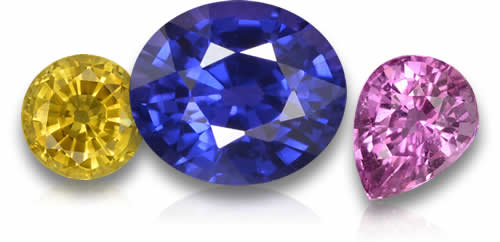
Sapphire, with its excellent hardness, second only to diamond, is one of the four traditional precious gemstones.
Sapphire Information
Shop Loose Sapphire
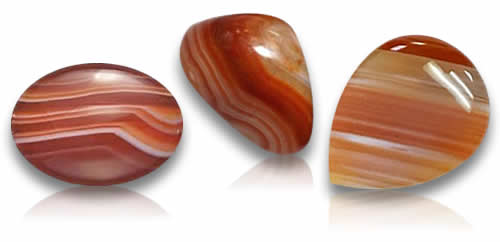
Sardonyx is a type of onyx, but with a brown rather than a black base (onyx is mostly known to be black).
Sardonyx Information
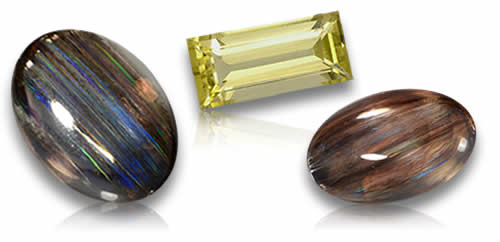
As a gemstone scapolite is not well known, but it can be a very attractive stone. Its color, which is usually a vibrant yellow, orange, pink or violet, is its best feature.
Scapolite Information
Shop Scapolite
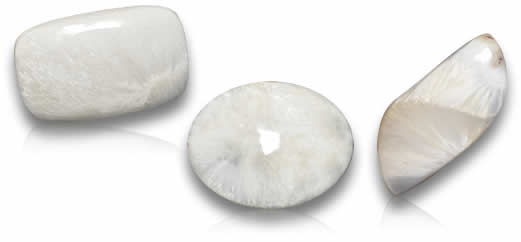
Scolecite is a mineral member of the zeolite group. The color ranges from pure white to pale shades of pinkish white. Most gems have minor to large color streaking in them.
Shop Scolecite
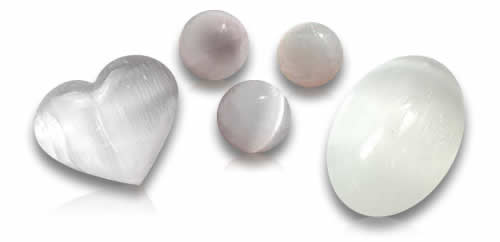
The term selenite is used to refer to varieties of the mineral gypsum that show obvious crystalline structure. It is very soft at 2 on Moh’s hardness scale so rarely cut into gemstones.
Selenite Information
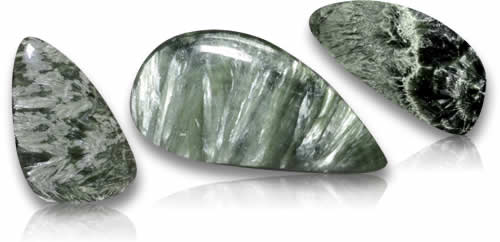
Seraphinite is a trade name for a particular form of clinochlore. The dark-green color of seraphinite is enhanced by a silvery and feathery shimmer caused by mica inclusions.
Seraphinite Information
Shop Seraphinite
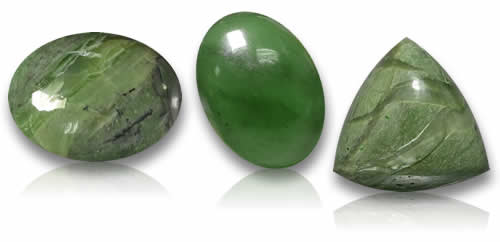
Serpentine is a type of green magnesium silicate aggregate. It is used as a decorative stone or for carvings.
Serpentine Information
Shop Serpentine
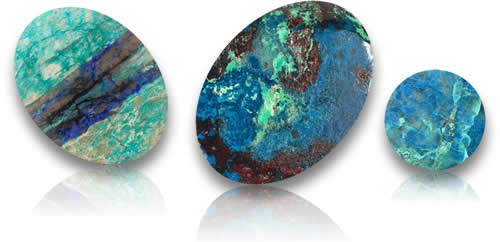
Shattuckite is a rare mineral found in copper deposits with colors range from vivid blue to blue-greens and dark navy blue.
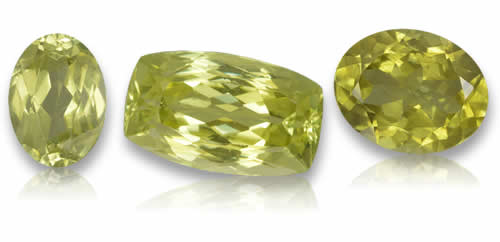
Sillimanite is a type of aluminum silicate that is related to both andalusite and kyanite. In fact, these three minerals share the same chemical composition but have different crystal structures.
Sillimanite Information
Shop Sillimanite
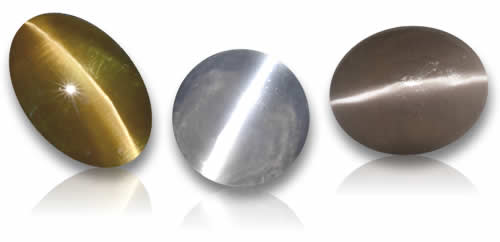
Sillimanite Cat's Eye is an extremely rare and lesser-known collector's gem. Parallel-aligned inclusions causes light to be reflected in the shape of the eye of a cat.
Sillimanite Cat's Eye Information
Shop Sillimanite Cat's Eye
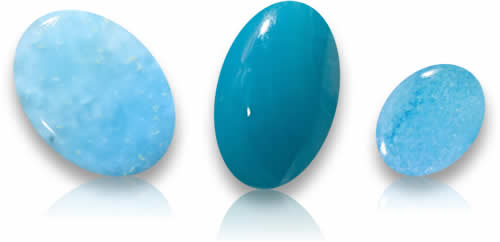
Smithsonite is one of two zinc-containing minerals discovered by the British mineralogist James Smithson. The zinc silicate was named smithsonite in his honor.
Smithsonite Information
Shop Smithsonite
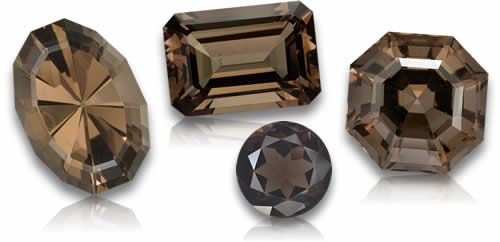
Smoky quartz is fast becoming a designer favorite for its earthy tone and tribal look. It is one of the few gemstones that is gray or brown.
Smoky Quartz Information
Shop Smoky Quartz
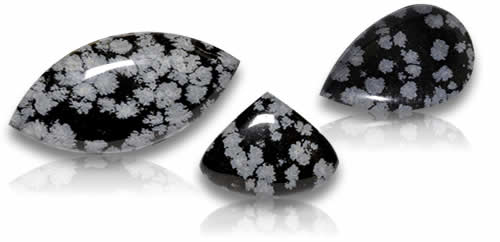
Obsidian is a naturally occurring volcanic glass. In some stones, the inclusion of white crystals of cristobalite produce a blotchy pattern, known as snowflake obsidian.
Snowflake Obsidian Information
Shop Snowflake Obsidian
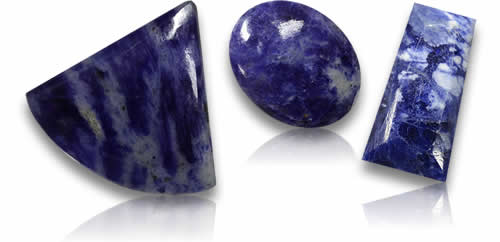
The mineral sodalite gets its name from its sodium content. As a gemstone, sodalite is usually blue, often with a violet tint, and frequently contains white veins of calcite.
Sodalite Information
Shop Sodalite
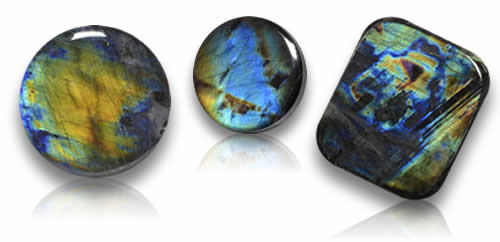
Spectrolite is a trade name referring to a rare variety of labradorite. Some rare specimens of labradorite display a full spectrum of colors, not only violet, blue and green; but also yellow, orange and red. These rare specimens have been given the name spectrolite.
Spectrolite Information
Shop Spectrolite
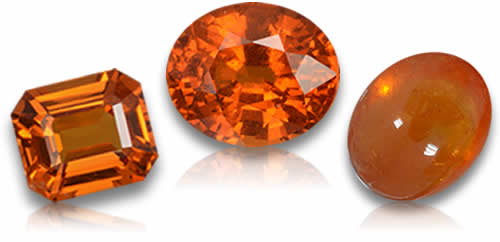
The most valuable spessartite garnets display a bright, orange-red. The best specimens come from Namibia.
Spessartite Garnet Information
Shop Spessartite Garnet
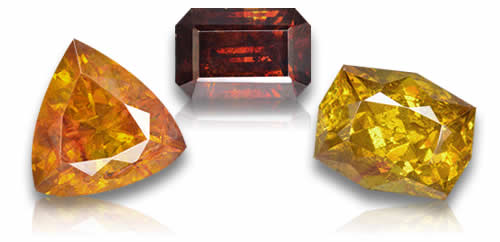
Sphalerite is a rare collector's gem which has exceptional dispersion (also known as fire). In fact its dispersion rating is three times as high as that for diamond.
Sphalerite Information
Shop Sphalerite
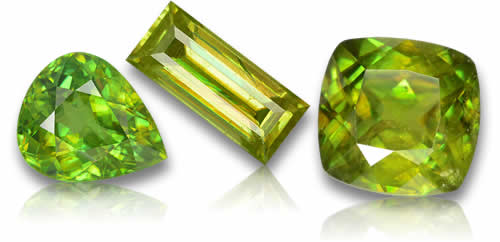
Sphene is a brilliant yellowish-green, green or brown gemstone of high luster, unique color shades and, with brilliant cut, an intense fire.
Sphene Information
Shop Sphene
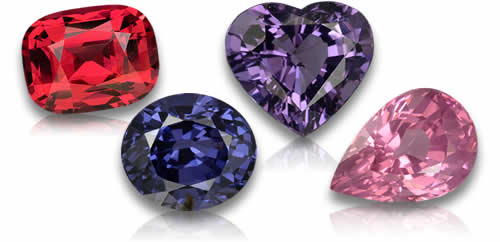
Due to its excellent hardness and clarity, spinel is an excellent gemstone for all types of jewelery. Spinel is never treated in any way.
Spinel Information
Shop Spinel
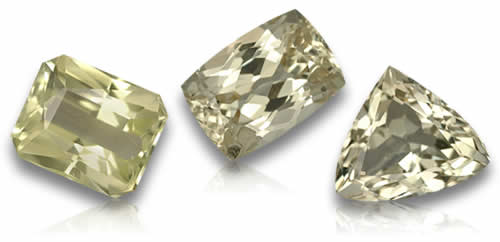
Spodumene is a relatively new mineral to science, with gem varieties discovered only in the last 120 years. Spodumene occurs in white, gray, pink, lilac and green.
Spodumene Information
Shop Spodumene
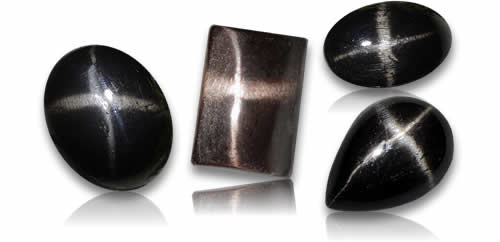
Diopside is best known for the vivid green chrome diopside, but the black diopside exhibiting asterism (also known as the star effect) is also important.
Star Diopside Information
Shop Star Diopside
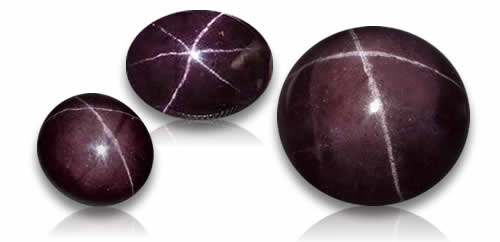
Star garnet is a rare and unusual garnet, found only in Idado in the USA and India. It displays a four-rayed star due to aligned inclusions of rutile.
Star Garnet Information
Shop Star Garnet
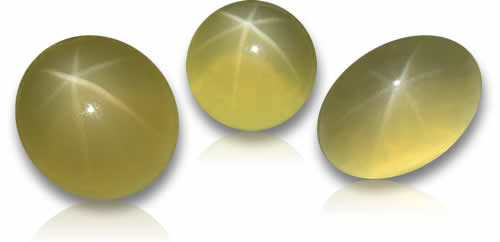
Star lemon quartz is a lemon-yellow variety of quartz that displays asterism (the star effect).
Star Lemon Quartz Information
Shop Star Lemon Quartz
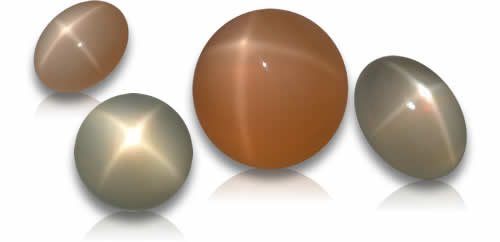
Moonstone is a combination of orthoclase and albite arranged in layers which cause the lovely sheen. Star moonstone exhibits a stunning four-rayed star effect.
Star Moonstone Information
Shop Star Moonstone
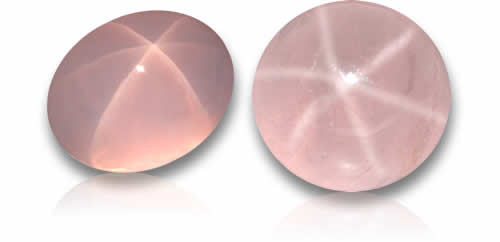
Rose quartz displaying asterism or the star effect is rare. The unique soft pink color of rose quartz is thought to be caused by tiny traces of titanium.
Star Rose Quartz Information
Shop Star Rose Quartz
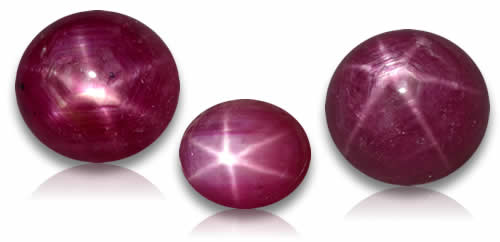
Star ruby is a ruby that displays asterism, a six-rayed star that shimmers over the surface of the stone when it is moved.
Star Ruby Information
Shop Star Ruby
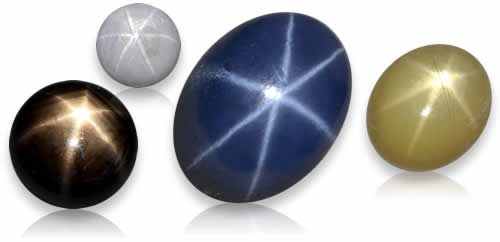
Star sapphire is a sapphire that contains unusual tiny needle-like inclusions. These needles produce a phenomenon called asterism.
Star Sapphire Information
Shop Star Sapphire
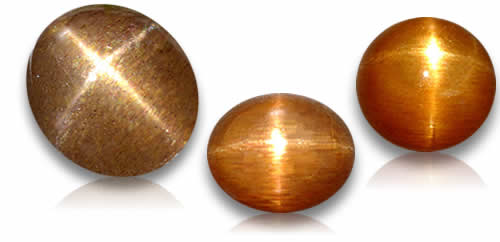
Sunstone is plagioclase feldspar with a unique glitter from platelets of hematite. Typically it has a red glitter, and more rarely a blue or green glitter. Star sunstones are known but rare.
Star Sunstone Information
Shop Star Sunstone
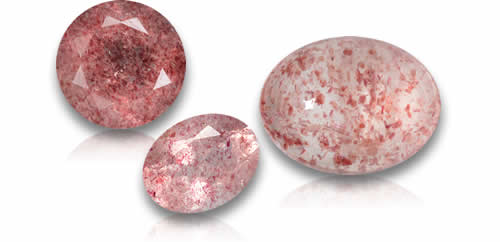
Quartz with red inclusions of lepidocrosite, hematite or goethite is often sold under the name strawberry quartz.
Strawberry Quartz Information
Shop Strawberry Quartz
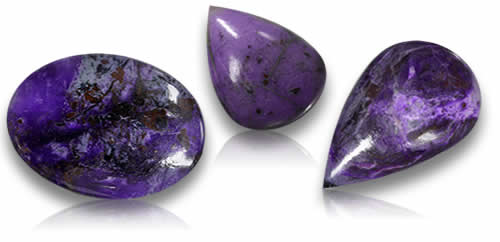
Sugilite is an obscure and quite rare mineral named after the Japanese geologist, Ken-ichi Sugi, who discovered it in 1944.
Sugilite Information
Shop Sugilite
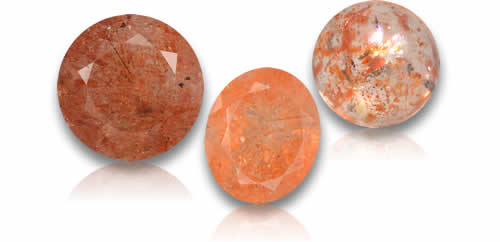
Sunstone is a type of plagioclase feldspar that exhibits a spangled appearance, due to reflections of red hematite.
Sunstone Information
Shop Sunstone
T
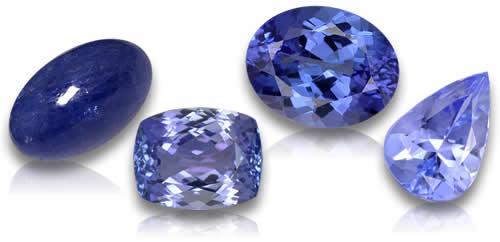
Sunstone is a type of plagioclase feldspar that exhibits a spangled appearance, due to reflections of red hematite.
Tanzanite Information
Shop Tanzanite
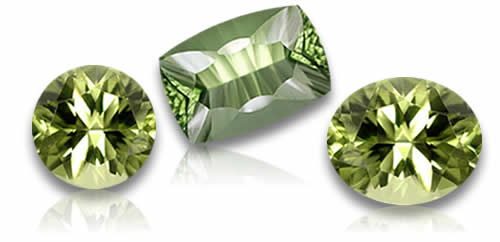
Tashmarine diopside is a brilliant yellow-green diopside from a recent discovery in Tajikistan, Uzbekistan and Western China.
Tashmarine Diopside Information
Shop Tashmarine Diopside
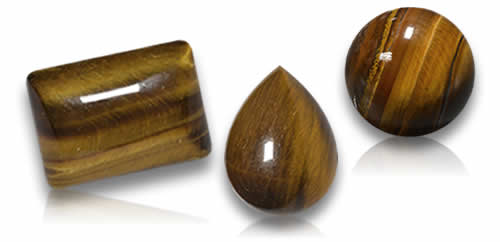
Tiger's eye is a type of opaque macrocrystalline quartz with a fibrous structure. It typically displays chatoyant stripes, because structural fibers are crooked or bent.
Tiger's Eye Information
Shop Tiger's Eye
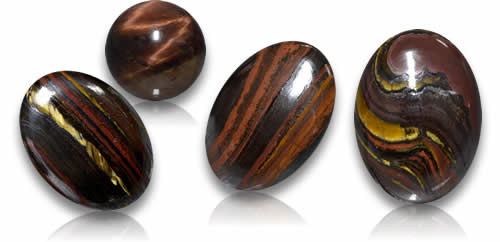
Tiger's eye matrix is the name given to tiger's eye that is cut and finished with some of its host rock intact.
Tiger's Eye Matrix Information
Shop Tiger's Eye Matrix
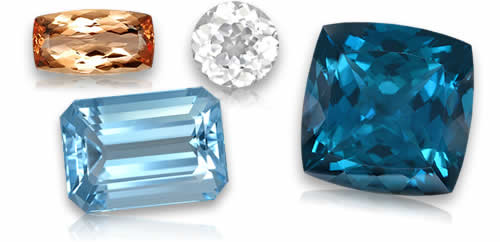
Topaz is an important gem due to its hardness and high refractive index. Topaz comes in many colors and blue topaz is especially popular.
Topaz Information
Shop Topaz
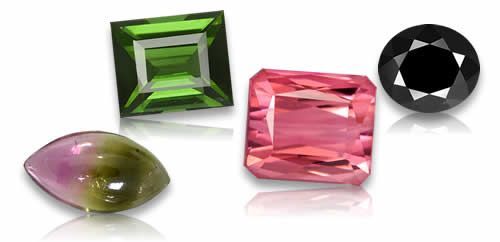
One of the most versatile of gems, tourmaline is found in every color. It can show every tone from pastel to dark, and can display various colors in the same stone.
Tourmaline Information
Shop Tourmaline
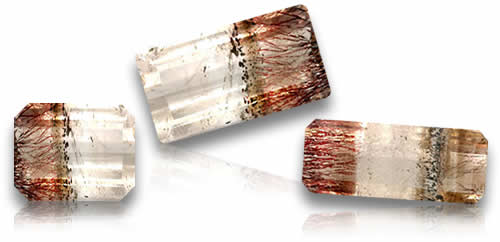
Tremolite is a rare gemstone sometimes known as 'hexagonite' or 'tremolite-hexagonite'.
Shop Tremolite-Hexagonite
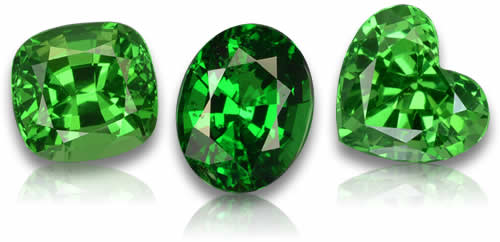
The green species of garnet known as tsavorite was discovered in 1967 by British geologist Campbell R. Bridges in the bush along the frontier between Kenya and Tanzania.
Tsavorite Garnet Information
Shop Tsavorite Garnet
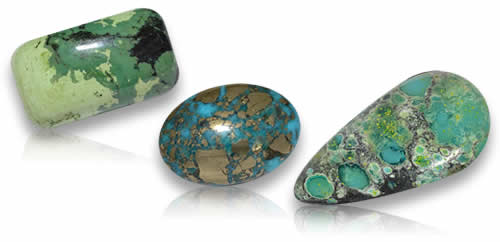
Turquoise, the blue cousin of lapis lazuli, has been known and valued for thousands of years. The early mines in Sinai, Egypt, were already worked out in 2000 B.C.
Turquoise Information
Shop Turquoise
U
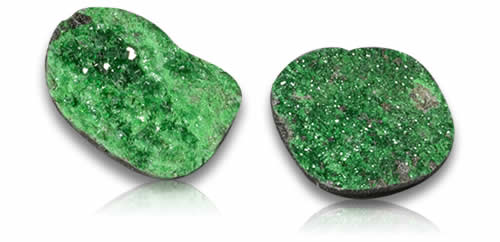
Uvarovite is a very rare member of the large and varied garnet family. It is a type of striking emerald-green garnet that occurs as very small crystals and also as a coating of very tiny crystals on the surface of a matrix (host rock), known as drusy or druzy.
Uvarovite Garnet Drusy Information
Shop Uvarovite Garnet Drusy
V
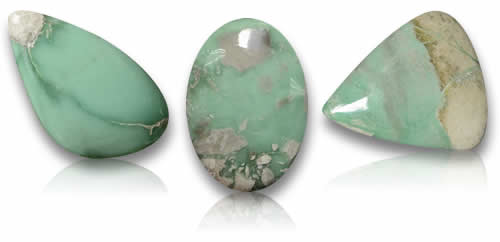
Variscite is a relatively rare type of phosphate mineral. High quality specimens are used as gemstones and for carvings. Variscite is colored by traces of chromium.
Variscite Information
Shop Variscite
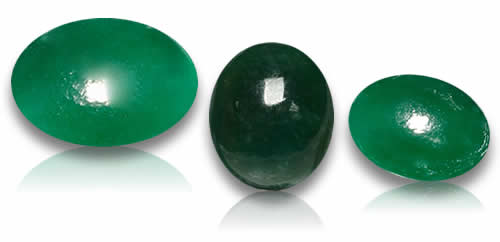
Verdite is light to dark-green serpentine rock that is often spotted or variegated. Most specimens come from South Africa and Zimbabwe.
Verdite Information
Shop Verdite
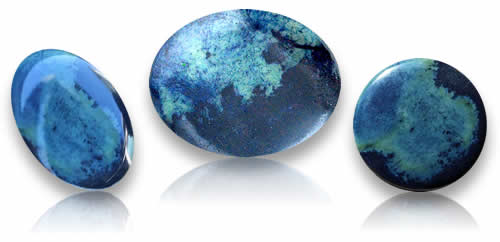
Vivianite is lush blue to blue green gem, it is very fragile and soft with a hardness of 1.5-2 on Moh's hardness scale so rarely cut into gemstones.
Z
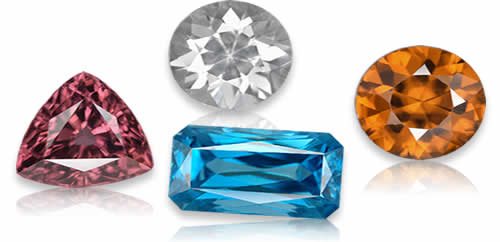
Zircon has great brilliance and intensive fire, due to its high refractive index and strong dispersion.
Zircon Information
Shop Zircon
| Gemstone Type | Gemstone Hardness | |
|---|---|---|
| 1 | Actinolite Cat's Eye | 5.5 - 6 |
| 2 | Agate | 6.5 - 7 |
| 3 | Agate Geode | 6.5 - 7 |
| 4 | Albite | 6 - 6.5 |
| 5 | Alexandrite | 8.5 |
| 6 | Almandine Garnet | 6.5 - 7.5 |
| 7 | Amazonite | 6 - 6.5 |
| 8 | Amber | 2 - 2.5 |
| 9 | Amblygonite | 6 |
| 10 | Amethyst | 7 |
| 11 | Amethyst Geode | 7 |
| 12 | Amethyst Geode Slice | 6.5 - 7 |
| 13 | Ametrine | 7 |
| 14 | Ammolite | 4 - 4 |
| 15 | Andalusite | 7.5 |
| 16 | Andesine Feldspar | 6 - 6.5 |
| 17 | Andesine Labradorite | 6 - 6.5 |
| 18 | Andradite Garnet | 6.5 - 7.5 |
| 19 | Apatite | 5 - 5 |
| 20 | Aquamarine | 7.5 - 8 |
| 21 | Aragonite | 3.5 - 4 |
| 22 | Aventurine | 7 |
| 23 | Axinite | 6.5 - 7 |
| 24 | Azotic Topaz | 8 - 8 |
| 25 | Azurite | 3.5 - 4 |
| 26 | Barite | 3 - 3.5 |
| 27 | Benitoite | 6 - 6.5 |
| 28 | Beryl | 7.5 - 8 |
| 29 | Black Opal | 5.5 - 6.5 |
| 30 | Bloodstone | 6.5 - 7 |
| 31 | Boulder Opal | 5.5 - 6.5 |
| 32 | Calcite | 3 |
| 33 | Carnelian | 6.5 - 7 |
| 34 | Cassiterite | 6 - 7 |
| 35 | Cat's Eye Apatite | 5 - 5 |
| 36 | Cat's Eye Aquamarine | 7.5 - 8 |
| 37 | Cat's Eye Augite | 5.5 - 6 |
| 38 | Cat's Eye Beryl | 7.5 - 8 |
| 39 | Cat's Eye Diaspore | 6.5 - 7 |
| 40 | Cat's Eye Moonstone | 6 - 6.5 |
| 41 | Cat's Eye Opal | 5.5 - 6.5 |
| 42 | Cat's Eye Scapolite | 5.5 - 6 |
| 43 | Cat's Eye Tourmaline | 7 - 7.5 |
| 44 | Cavansite | 3 - 4 |
| 45 | Chalcedony | 6.5 - 7 |
| 46 | Charoite | 4.5 - 5 |
| 47 | Chocolate Opal | 5.5 - 6.5 |
| 48 | Chrome Diopside | 5 - 6 |
| 49 | Chrome Tourmaline | 7 - 7.5 |
| 50 | Chrysoberyl | 8.5 |
| 51 | Chrysoberyl Cat's Eye | 8.5 |
| 52 | Chrysocolla | 2 - 4 |
| 53 | Chrysoprase | 6.5 - 7 |
| 54 | Cinnabar | 2 - 2.5 |
| 55 | Citrine | 7 |
| 56 | Citrine Geode | 7 |
| 57 | Clinohumite | 6 |
| 58 | Color-Change Diaspore | 6.5 - 7 |
| 59 | Color-Change Fluorite | 4 - 4 |
| 60 | Color-Change Garnet | 6.5 - 7.5 |
| 61 | Color-Change Sapphire | 9 |
| 62 | Coral | 3 - 4 |
| 63 | Crocoite | 2.5 - 3 |
| 64 | Cuprite | 3.5 - 4 |
| 65 | Danburite | 7 - 7.5 |
| 66 | Demantoid Garnet | 7 - 7.5 |
| 67 | Dendritic Agate | 6.5 - 7 |
| 68 | Dendritic Chalcedony | 6.5 - 7 |
| 69 | Diamond | 10 - 10 |
| 70 | Dolomite | 3.5 - 4 |
| 71 | Druzy Amethyst | 7 |
| 72 | Druzy Azurite | 3.4 - 4 |
| 73 | Druzy Citrine | 7 |
| 74 | Druzy Variscite | 4 - 5 |
| 75 | Dumortierite Quartz | 7 - 8.5 |
| 76 | Ekanite | 4.5 |
| 77 | Emerald | 7.5 - 8 |
| 78 | Enstatite | 5.5 |
| 79 | Epidote | 6 - 7 |
| 80 | Euclase | 6.5 - 7.5 |
| 81 | Eudialyte | 5 - 5.5 |
| 82 | Fire Agate | 6.5 - 7 |
| 83 | Fire Opal | 5.5 - 6.5 |
| 84 | Fluorite | 4 |
| 85 | Fossil Coral | 6.5 - 7 |
| 86 | Garnet | 6.5 - 7.5 |
| 87 | Gaspeite | 4.5 - 5 |
| 88 | Golden Beryl | 7.5 - 8 |
| 89 | Goshenite | 7.5 - 8 |
| 90 | Grandidierite | 7 - 7.5 |
| 91 | Grossularite Garnet | 6.5 - 7.5 |
| 92 | Hackmanite | 5.5 - 6 |
| 93 | Hambergite | 7.5 |
| 94 | Hawk's Eye | 6.5 - 7 |
| 95 | Hematite | 5.5 - 6.5 |
| 96 | Hemimorphite | 5 |
| 97 | Hemimorphite Druzy | 5 - 5 |
| 98 | Hessonite Garnet | 6.5 - 7.5 |
| 99 | Hiddenite | 6.5 - 7 |
| 100 | Howlite | 3 - 3.5 |
| 101 | Hyalite Opal | 5.5 - 6.5 |
| 102 | Idocrase | 6.5 |
| 103 | Imperial Topaz | 8 |
| 104 | Iolite | 7 - 7.5 |
| 105 | Jade | 6 - 6.5 |
| 106 | Jadeite | 6 - 6.5 |
| 107 | Jasper | 6.5 - 7 |
| 108 | Jet | 2.5 - 4 |
| 109 | Kornerupine | 6.5 - 7 |
| 110 | Kunzite | 7 |
| 111 | Kyanite | 6 - 7 |
| 112 | Labradorite | 6 - 6.5 |
| 113 | Lapis Lazuli | 5 - 6 |
| 114 | Larimar | 4.5 - 5 |
| 115 | Lazulite | 5.5 - 6 |
| 116 | Legrandite | 4.5 |
| 117 | Lepidolite | 2.5 - 3 |
| 118 | Malachite | 3.5 - 4 |
| 119 | Malaya Garnet | 7 - 7.5 |
| 120 | Mali Garnet | 6.5 - 7.5 |
| 121 | Maw-Sit-Sit | 6 - 7 |
| 122 | Melanite | 6.5 - 7.5 |
| 123 | Moldavite | 5.5 |
| 124 | Moonstone | 6 - 6.5 |
| 125 | Morganite | 7.5 - 8 |
| 126 | Moss Agate | 6.5 - 7 |
| 127 | Moss Opal | 5.5 - 6.5 |
| 128 | Mother of Pearl | 2.5 - 4.5 |
| 129 | Mystic Quartz | 7 |
| 130 | Mystic Topaz | 8 - 8 |
| 131 | Nephrite Jade | 6 - 6.5 |
| 132 | Nuummite | 5.5 - 6 |
| 133 | Obsidian | 5 - 5.5 |
| 134 | Omphacite Jade | 5 - 6 |
| 135 | Onyx | 6.5 - 7 |
| 136 | Opal | 5.5 - 6.5 |
| 137 | Opal Doublet | 5.5 - 6.5 |
| 138 | Opal in Matrix | 5.5 - 6.5 |
| 139 | Orthoclase | 6 - 6.5 |
| 140 | Paraiba Tourmaline | 7 - 7.5 |
| 141 | Peanut Wood | 6.5 - 7.0 |
| 142 | Pearl | 2.5 - 4.5 |
| 143 | Peridot | 6.5 - 7 |
| 144 | Pezzottaite | 8 |
| 145 | Pietersite | 6.5 - 7 |
| 146 | Prasiolite | 7 |
| 147 | Prehnite | 6 - 6.5 |
| 148 | Proustite | 2 - 2.5 |
| 149 | Psilomelane | 5 - 6 |
| 150 | Psilomelane Dendrite | 5 - 6 |
| 151 | Pyrite | 6 - 6.5 |
| 152 | Pyrope Garnet | 6.5 - 7.5 |
| 153 | Quartz | 7 |
| 154 | Quartz Cat's Eye | 7 |
| 155 | Quartz With Hedenbergite | 7 |
| 156 | Quartz With Marcasite | 7 |
| 157 | Rainbow Moonstone | 6 - 6.5 |
| 158 | Rainbow Pyrite | 6 - 6.5 |
| 159 | Realgar | 1.5 - 2 |
| 160 | Rhodochrosite | 4 - 4 |
| 161 | Rhodolite Garnet | 6.5 - 7.5 |
| 162 | Rhodonite | 5.5 - 6.5 |
| 163 | Rose Quartz | 7 |
| 164 | Rubellite Tourmaline | 7 - 7.5 |
| 165 | Ruby | 9 |
| 166 | Ruby in Fuchsite | 2 - 3 |
| 167 | Ruby-Zoisite | 6.5 - 7 |
| 168 | Rutile Quartz | 7 |
| 169 | Rutile Topaz | 8 |
| 170 | Sapphire | 9 |
| 171 | Sardonyx | 6.5 |
| 172 | Scapolite | 5.5 - 6 |
| 173 | Scolecite | 5 - 5.5 |
| 174 | Selenite | 2 |
| 175 | Seraphinite | 2 - 4 |
| 176 | Serpentine | 2.5 - 5.5 |
| 177 | Shattuckite | 3.5 |
| 178 | Sillimanite | 6.5 - 7.5 |
| 179 | Sillimanite Cat's Eye | 6.5 - 7.5 |
| 180 | Smithsonite | 5 |
| 181 | Smoky Quartz | 7 |
| 182 | Snowflake Obsidian | 5 - 5.5 |
| 183 | Sodalite | 5.5 - 6 |
| 184 | Spectrolite | 6 - 6.5 |
| 185 | Spessartite Garnet | 6.5 - 7.5 |
| 186 | Sphalerite | 3.5 - 4 |
| 187 | Sphene | 5 - 5.5 |
| 188 | Spinel | 8 |
| 189 | Spodumene | 6.5 - 7 |
| 190 | Star Diopside | 5 - 6 |
| 191 | Star Garnet | 6.5 - 7.5 |
| 192 | Star Lemon Quartz | 7 |
| 193 | Star Moonstone | 6 - 6.5 |
| 194 | Star Rose Quartz | 6.5 - 7 |
| 195 | Star Ruby | 9 |
| 196 | Star Sapphire | 9 |
| 197 | Star Sunstone | 6 - 6.5 |
| 198 | Strawberry Quartz | 7 |
| 199 | Sugilite | 6 - 6.5 |
| 200 | Sunstone | 6 - 6.5 |
| 201 | Tanzanite | 6.5 - 7 |
| 202 | Tashmarine Diopside | 5 - 6 |
| 203 | Tiger's Eye | 6.5 - 7 |
| 204 | Tiger's Eye Matrix | 6.5 - 7 |
| 205 | Topaz | 8 |
| 206 | Tourmaline | 7 - 7.5 |
| 207 | Tremolite-Hexagonite | 5 - 6 |
| 208 | Tsavorite Garnet | 6.5 - 7.5 |
| 209 | Turquoise | 5 - 6 |
| 210 | Uvarovite Garnet Drusy | 6.5 - 7 |
| 211 | Variscite | 4 - 5 |
| 212 | Verdite | 3 |
| 213 | Vivianite | 1.5 - 2 |
| 214 | Zircon | 6.5 - 7.5 |
