Buy Gems: Natural Loose Gemstones HomeNew ArrivalsAbout UsHelpContactSite MapBuyers GuideAccountsCart Open GemSelect Shopping Cart
Gem Info :: Clarity and Cut
Back Back Forward
Loose Gemstones Direct from the Source
Items: 0 | Total: $0.00
Loose Gemstones Direct from the Source  
Clarity and Cut

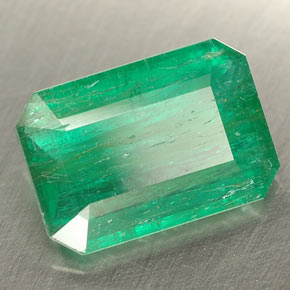
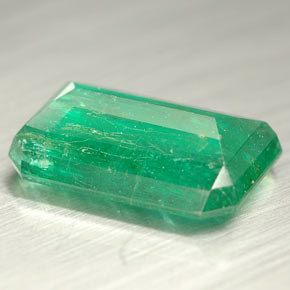
Clarity refers to the internal flaws (inclusions) or the external blemishes of a stone. A flawless colored gemstone is rarer than a flawless diamond. However, even though clarity is important, it does not carry the premium that perfection has with diamonds. For example, a valuable emerald will be heavily included, as the natural process of emerald formation is violent, resulting in many natural flaws in even the most expensive of emeralds. In addition, lighter colored stones need to be cleaner, as their flaws show up more easily. Darker colored stones can hide their defects easier because of the depth of their color.

The location and the type of the inclusion or blemish is what are important with colored stones. For example, if there is a large crack on the surface of the stone, this can interrupt movement of light through the stone, and it may weaken the stone's durability. A large crack would probably detract from the stone's beauty and reduce its value. However, if the crack is small and positioned in a less noticeable area in the stone, then it will not affect durability, beauty, or price as much as a prominent flaw.

Inclusions may be also used to identify the origin of a stone. For example, Burmese rubies have unique inclusions such as unusual crystal formations that will identify the stone as having a Burmese origin. African rubies will not have these unique inclusions, but will contain their own unique inclusions, as the geological processes of their formation were different from their Burmese cousins.


More about Inclusions

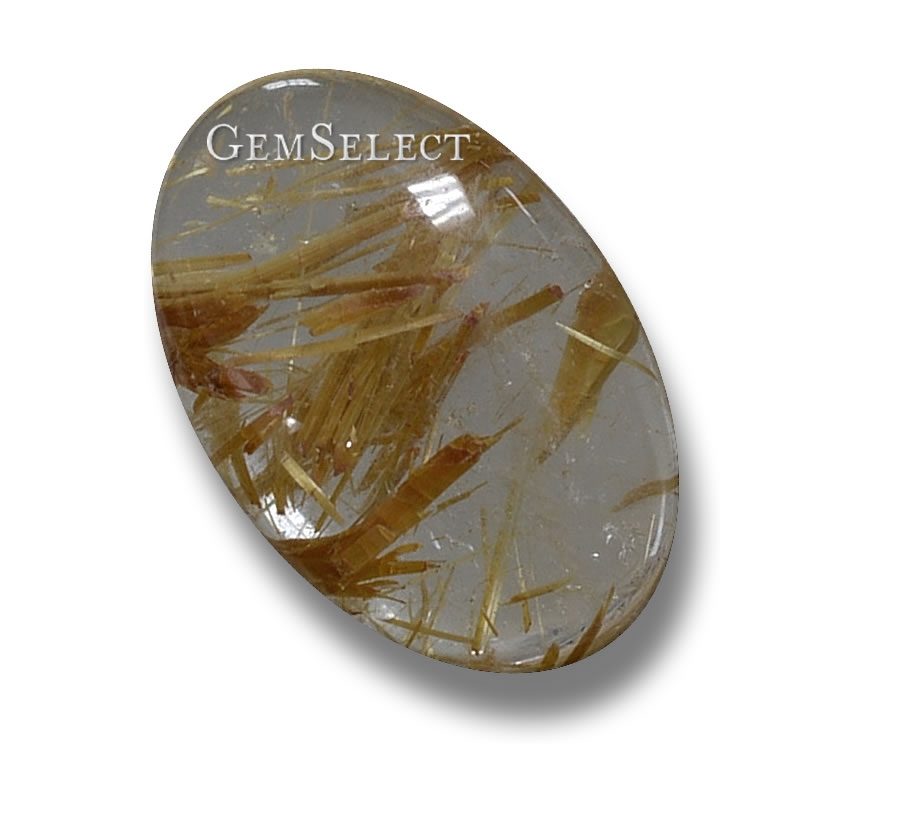
Most gemstones will have tiny natural irregularities called inclusions. Most inclusions are not visible with the naked eye, usually you need to use 10X magnification to see these inclusions, however larger ones can be seen with the unaided eye. These irregularities may be substances such as an unfilled cavity, a small crystal, a fracture, or a growth pattern within the gem.


Inclusions can be divided into three categories:

Cavities:

These may be formed during the gems primary growth or its later growth. These inclusions can be filled with combinations of liquid, gasses, or solids.

Growth Phenomena:

A few examples of this are solid crystals, natural glass, and limonite tubes (hollow channels stained by iron compounds).

Solids:

A few examples of this are solid crystals, natural glass, and white mica inclusions.


Most gemstones will have some inclusions, and some stones have more inclusions than other stones. For example, emeralds are known to be much more included than sapphires. Here is a table that lists the basic inclusion frequency in common gemstones.


Generally completely clean

Virtually all stones in today's market are clean and free from inclusions.


Generally eye clean

Most of the more desirable material contains inclusions that are not visible except with close examination using a 10X magnification. Cheaper grades of ruby and sapphire may contain some eye-visible inclusions.


Generally eye included

These stones always contain prominent eye-visible inclusions. Emerald is the most well known example of this.


Generally completely clean Generally eye clean Generally eye included

Beryl
Aquamarine
Golden beryl
Pink beryl

Garnet
most red garnets

Quartz
Citrine
Smoky quartz
Pale amethyst

Topaz
Colorless
Blue

Zoisite
Tanzanite

Chrysoberyl
Alexandrite

Corundum
Ruby
Sapphire

Garnet
Rhodolite
Tsavolite

Quartz
Amethyst

Peridot

Spinel
Red, orange, etc.

Topaz
Imperial

Tourmaline
Chrome, green

Zircon
Blue, green, etc.


Beryl
Emerald
Red beryl

Tourmaline
Red
Paraiba

Cut

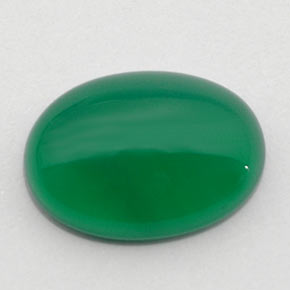
Stones either are cut with facets, or are non-faceted, such as the cabochon cut. The cabochon cut is a facetless cut that produces a smooth surface. Usually, this is a rounded dome shape, or sometimes a squarish dome shape. Cabochons are growing in popularity again, as many people prefer the more subtle, softer look of the cabochon. Some gem lovers claim cabochon cuts have stronger, healthier colors.

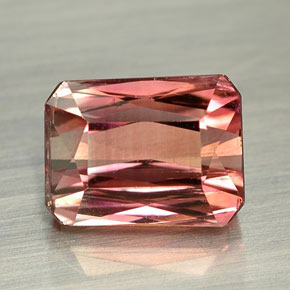
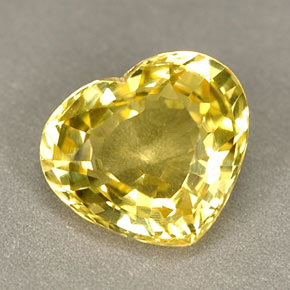
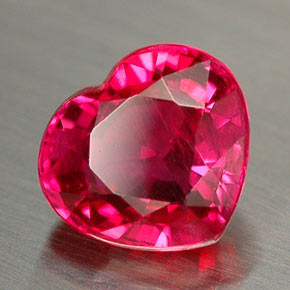
Of course, stones are more commonly cut with facets. The angle, number, and placement of the facets are carefully planned to insure the largest amount of life is reflected within the stones body. This will insure the stone's color and brilliance will be displayed at their fullest advantage.


The way a stone is cut probably has the greatest impact on the stone's beauty. The most popular fashioning methods of colored gemstones may be divided in four categories:

Brilliant-Cuts
Step-Cuts
Mixed-Cuts
Cabochon


Brilliant-Cuts


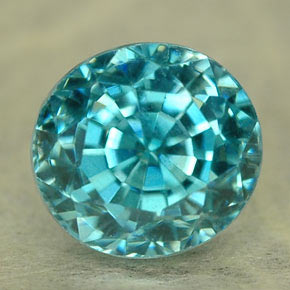
The brilliant cut is popular for many colored gemstones. It ensures that maximum light is reflected out through the front (table) giving brightness and fire.

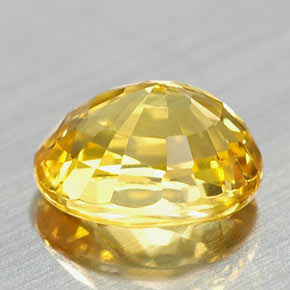
Heightening light refraction, the brilliant has many facets. Oval produces a larger appearance from a smaller carat weight.


Step-Cuts


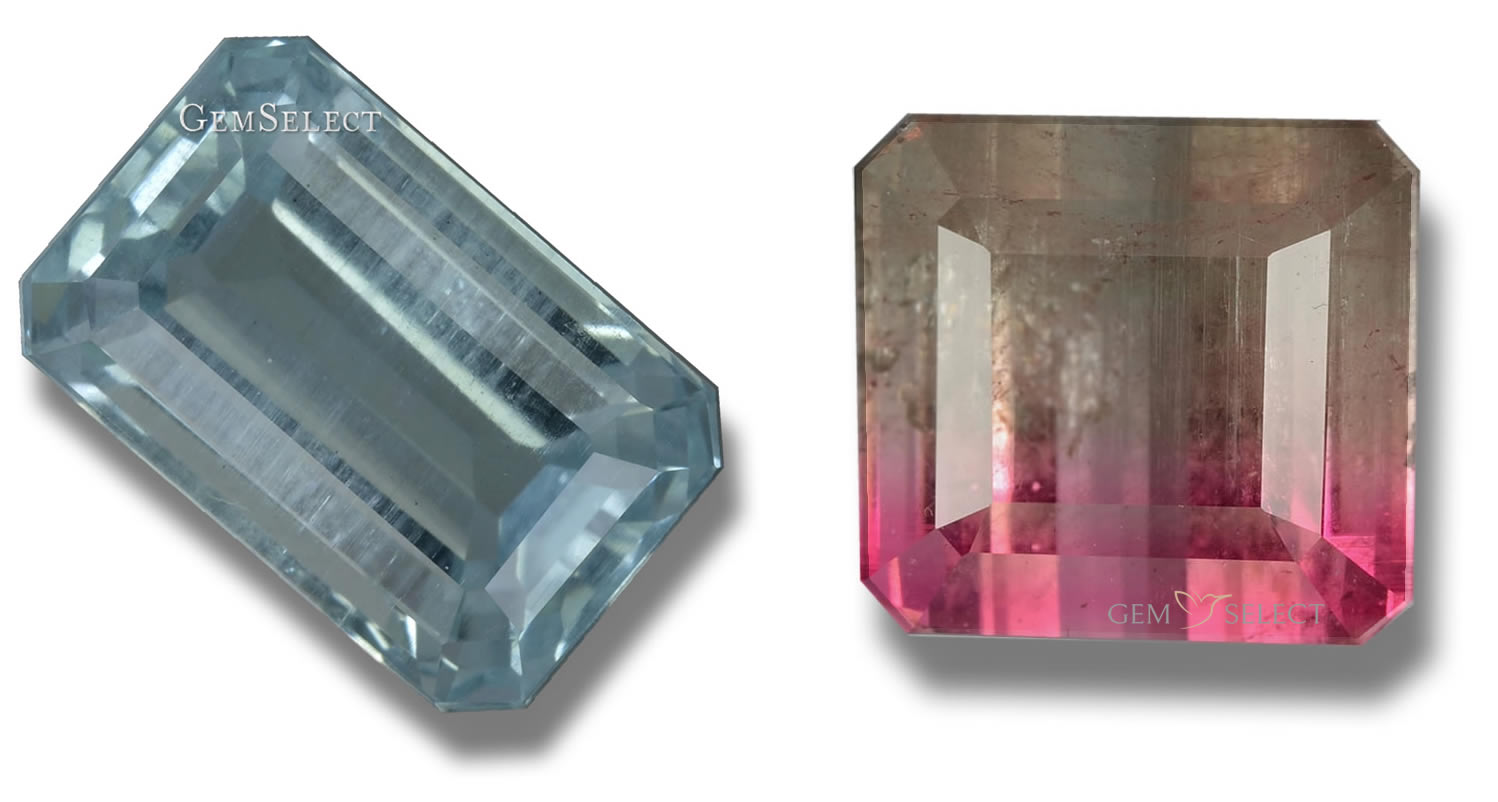
Variations are square, octagon, some ovals, baguette, and other table cuts. This cut is often known as the "emerald cut" and is intended to intensify a stone's color.

Mixed-Cuts

Mixed-Cut stones are usually cut as brilliants, with the pavilions step-cut.


Sapphires and Rubies, and most transparent color gemstones are cut in this style. Variations are the cushion, pear or teardrop, plus some oval cuts.


Cabochon

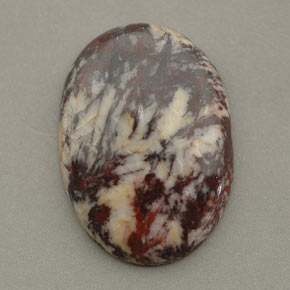
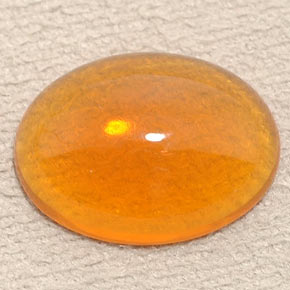
Dark-colored stones gemstones, including those that are translucent or opaque, such as opal and jade and are often polished rather than faceted. This cut is also used to produce such effects as cats-eye and star effect. In addition, stones that are heavily included may be cut in a cabochon cut as it is a better cut for hiding these unattractive inclusions.


Cabochons have a smooth, rounded surface with no facets. The bottom of the stone is flat or nearly flat.


Help
• Shipping
• Payment
• Return Policy
• Security and Privacy
• Guarantee
Gemstone Information
• Fire Opal Information
• Shape vs. Cut
• Top Grade Gems
• Sapphire
• Sapphire Information
• Most Valuable Sapphires
• History of the Cushion-Cut
• What is a Natural Sapphire?
• Moonstone Information
• Gemstone Information
• Jasper Information
• Ceylon Sapphire
• Star Sapphire Information
• Lemon Quartz
• The Tourmaline Rainbow
• Irradiation Treatment
• Mystic Topaz Information
• Emerald Information
• Golden Zircon
• Big Lots
• Carat Weight
• Ruby Information
• Calibrated Gemstone Chart
• Pink Sapphire
• Gemstone Treatments
• Spodumene Information
• Fancy-Cut Amethyst
• Traditions and Colors
• Buyer's Guide
• Berryllium Treatment
• Tanzanite Information
• Precious Gemstones
• Chrysoberyl Information
• Mandarin Garnet
• Blue Topaz
• Watermelon Tourmaline
• Gemstone Briolettes
• Huge Gems
• Caring for Gemstones
• Red Spinel
• Gem Hardness
• Gemstone Carvings
• Birthstones
• White Topaz
• The Secret of Spinel
• Songea Sapphire
• Gemstone Glossary
• Gemstone Prices
• Yellow Sapphire
Pay Gemstones with Credit Card Pay Gems with PayPal Pay Gem Stones with Visa Delta Ship Gemstones with USPS Secure Payment Fair Gemstone Trade supported by Square Trade
Ship Gemstones securely with FedEx
GO!