

Uncovering the Rich History of Peridot Gems
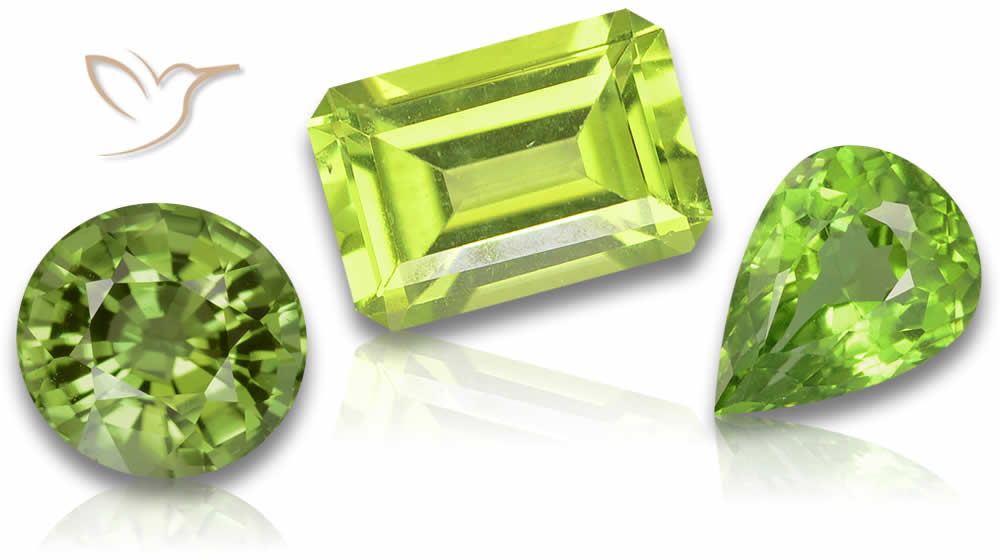
Peridot is one of the most unique and fascinating gemstones in the world. With a rich history that dates back thousands of years, it continues to captivate people to this day. In this article, we will take you on a journey into the world of peridot gems, exploring their origins, symbolism, and enduring allure.
Key Takeaways:
- Peridot gems have a rich history that dates back thousands of years.
- They are formed through geological processes and are typically found in volcanic rocks.
- Peridot has been used throughout history to symbolize a variety of things, including protection, love, and spiritual healing.
- It is the birthstone for August and is believed to possess unique healing and protective properties.
- Peridot jewelry continues to be popular among jewelry enthusiasts and collectors around the world.
Tracing the Origins of Peridot Stones
Peridot, also known as the "evening emerald," is a beautiful gemstone that has captivated people throughout history. But where do peridot stones come from?
Most peridot is formed deep within the Earth's mantle, around 20-55 miles below the surface. The gemstone is the result of volcanic activity, created by the intense pressure and heat that occurs during an eruption. The lava solidifies and forms peridot crystals within igneous rocks.
Peridot is also found in meteorites that originate from outer space. Due to their extraterrestrial origins, these peridot stones are incredibly rare and valuable.
The earliest known source of peridot was the island of Zabargad (formerly known as St. John's Island) in the Red Sea. Peridot mining on Zabargad dates back over 3,500 years, with the ancient Egyptians and Romans both valuing the gemstone for its beauty and believed healing properties.
Peridot Mines
| Peridot Mine | Location |
|---|---|
| Mogok | Myanmar |
| San Carlos | Arizona, US |
| Soppat | Pakistan |
| Kilimandjaro | Tanzania |
Today, peridot can be found in mines all around the world, including Myanmar (Burma), Arizona, Pakistan, and Tanzania. Despite being relatively common, peridot is still highly valued for its unique properties and vibrant green color.
Next, we will explore the symbolism and meaning associated with peridot gems.
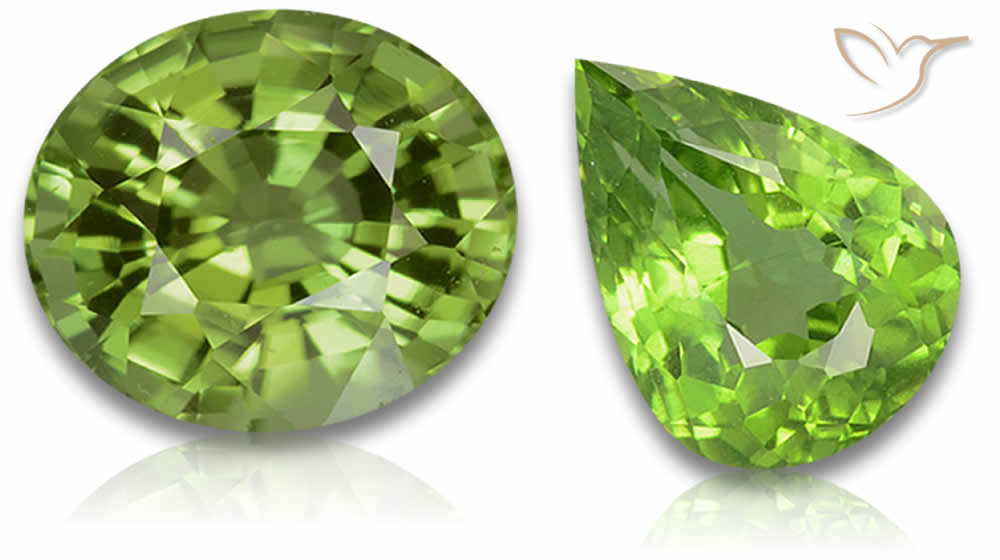
Symbolism and Meaning of Peridot Gems
Peridot gems have been valued for their symbolic and spiritual significance throughout human history. In ancient times, peridot was believed to be a powerful talisman that could bring the wearer good luck, protect against evil spirits, and ward off nightmares. Some even believed that peridot had the power to attract wealth and abundance.
The symbolism of peridot also has ties to nature. Its vibrant green color is associated with growth, renewal, and vitality, making it a popular choice for jewelry worn during the spring and summer months. In addition, peridot was often used in ancient cultures to represent the sun, bringing warmth and light to those who wore it.
The spiritual properties of peridot have been highly valued in many cultures. It is said that peridot can help to calm anger, reduce stress, and promote a sense of inner peace and well-being. Some also believe that wearing peridot can stimulate personal growth and open up new opportunities for success and abundance.
"Peridot can help to calm anger, reduce stress, and promote a sense of inner peace and well-being."
Peridot Symbolism Throughout History
Peridot's rich symbolism and cultural significance can be traced back to many ancient civilizations, including Egypt, Greece, and Rome. In Egypt, peridot was known as the "gem of the sun" and was believed to have been formed from the tears of the goddess of love, Isis. Greeks and Romans also prized peridot for its protective powers and used it as a talisman against danger and evil spirits.
During the Middle Ages, peridot was highly coveted by European royalty and was often used to adorn crowns and other royal regalia. It was also believed to have healing properties, and was used by medieval physicians to treat a variety of ailments, from liver problems to anxiety and depression.
Peridot Meaning in Modern Times
Today, peridot continues to be a beloved gemstone for its striking green color and spiritual significance. It is the birthstone for the month of August and is often given as a gift to celebrate 16th wedding anniversaries. Peridot is also a popular choice for engagement rings, as it is said to symbolize hope, renewal, and the promise of a bright future.
Whether worn for its beauty or its symbolism, peridot remains a cherished gemstone with a rich history.
Peridot Gems as Birthstones and Their Properties
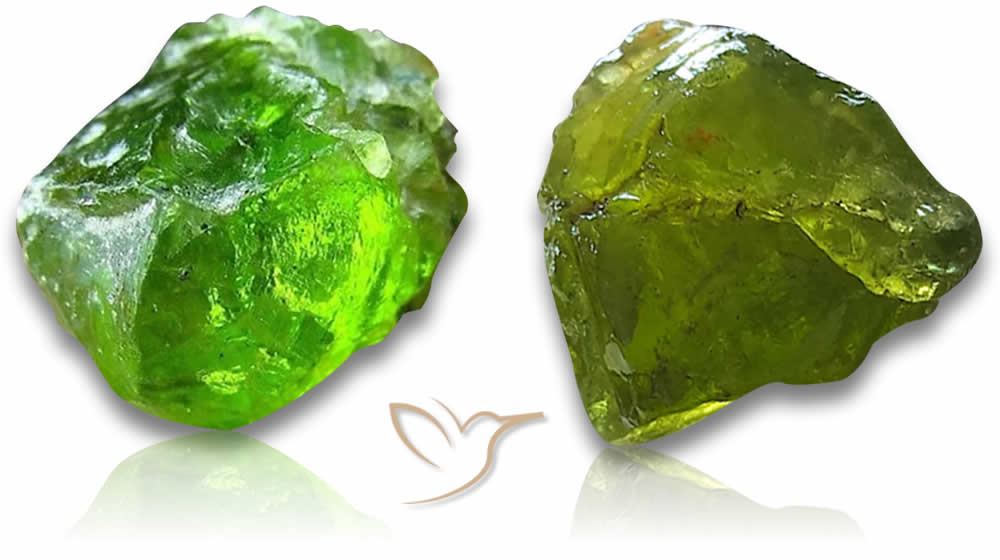
Peridot, with its characteristic green color, has been highly regarded throughout history as a gemstone with unique properties and benefits. It is no wonder that it was designated as the birthstone for the month of August by the American National Association of Jewelers in 1912. The warm, golden green hue of peridot is reminiscent of the bright summer sun and is said to bring joy and happiness to the wearer.
Peridots, like all gemstones, carry a unique set of properties and characteristics. They are rated at 6.5 to 7 on the Mohs' Scale of Hardness, making them suitable for everyday wear. Peridot is also said to have the ability to alleviate stress and anxiety, bringing peace to the wearer. It is also believed to have cleansing and detoxifying effects on the body, promoting overall wellness.
Peridot's unique properties are due to its mineral composition. It is a variety of olivine, a magnesium-iron silicate mineral found in volcanic rocks. The bright green color of peridot is largely due to the presence of iron in its crystal structure.
| Birthstone | Properties and Characteristics |
|---|---|
| August Birthstone | Brings joy and happiness to the wearer; relieves stress and anxiety; promotes overall wellness |
| Hardness | 6.5 to 7 on the Mohs Scale of Hardness |
| Composition | Magnesium-iron silicate mineral found in volcanic rocks; bright green color due to the presence of iron |
When purchasing peridot jewelry, it is important to consider the quality of the gemstone. High-quality peridots should have a vibrant green color without any brown or yellow hues. They should also be free of visible inclusions, such as cracks or spots.
In summary, peridot has a rich history as a gemstone with unique properties and benefits that have made it a popular choice as a birthstone and for jewelry. Its warm, golden-green color and symbolic associations with joy and happiness make it a meaningful and beautiful addition to any collection.
Peridot Jewelry and Its Enduring Allure
Peridot jewelry has been admired for centuries for its unmistakable elegance and striking beauty. From necklaces and earrings to rings and bracelets, the unique green hue of peridot has captivated lovers of fine jewelry around the world.
Peridot is a highly versatile gemstone, capable of pairing with a wide array of metals and settings, making it a favorite among jewelers for both classic and contemporary designs.
History of Peridot Jewelry
The use of peridot in jewelry dates back to ancient times, where it was valued for its unique color and believed healing properties. The Egyptians, for example, used peridot in their talismans and jewelry, believing that it had the power to ward off evil and promote good fortune.
Peridot remained popular throughout the ages, featuring in many pieces of royal and religious jewelry. In the Middle Ages, it was used to adorn church treasures and both men's and women's jewelry alike, due to its reputation as a stone that increased strength and protected against nightmares.
Types of Peridot Jewelry
Peridot jewelry comes in many forms, making it accessible to all types of jewelry lovers. Some popular types include:
| Type of Peridot Jewelry | Description |
|---|---|
| Peridot Earrings | Earrings featuring peridot gems, often accompanied by diamonds or other precious stones. Can range from simple studs to elaborate chandelier designs. |
| Peridot Necklaces | Necklaces featuring peridot stones, often paired with complementary gems or metals. Can range from delicate chains to bold statement pieces. |
| Peridot Rings | Rings featuring peridot stones, often set in a variety of styles such as solitaire, halo or vintage designs. Can also be combined with diamonds or other gemstones. |
| Peridot Bracelets | Bracelets featuring peridot stones, either alone or paired with diamonds or other gemstones. Can range from simple bangles to intricate cuffs. |
The Enduring Allure of Peridot Jewelry
In recent times, peridot has once again risen in popularity, due to its unique beauty and versatility in jewelry design. Its vivid green hue is reminiscent of lush vineyards and the vitality of spring, making it an alluring choice for those seeking a natural and organic look.
The durability of peridot also makes it a practical choice for daily wear, ensuring that its beauty can be enjoyed for years to come. Its affordability compared to other gemstones also makes it a popular choice among jewelry buyers who are looking for quality without breaking the bank.
Overall, peridot jewelry remains a timeless and alluring choice that continues to capture the hearts of jewelry lovers around the world.
Conclusion
Throughout our exploration of the history of peridot, we have discovered a gemstone with a rich and fascinating past. From its origins deep within the Earth to its cultural significance throughout history, peridot holds a special place in the world of gemstones.
One of the most enduring aspects of peridot is its use in jewelry. From elegant necklaces to dazzling earrings, peridot jewelry has captured the hearts of people around the world. The vibrant green color of peridot stones, combined with their unique properties and symbolism, makes them the perfect choice for any piece of jewelry.
At the end of the day, the history of peridot is one that is steeped in beauty, meaning, and symbolism. Whether you are a jewelry connoisseur or simply an admirer of gemstones, peridot is sure to capture your imagination and hold a special place in your heart.
FAQ
What is the history of peridot?
Peridot has a rich history that dates back thousands of years. It has been prized for its vibrant green color and was often considered a symbol of the sun in ancient Egypt. The gemstone was believed to have protective properties and was even used as a talisman against evil spirits. Today, peridot is still highly regarded for its unique beauty and is a popular choice for jewelry.
Where do peridot stones come from?
Peridot stones are formed deep within the Earth's mantle and are brought to the surface through volcanic activity. The majority of peridot deposits are found in volcanic rocks, as well as in meteorites that have fallen to Earth. Some of the most significant sources of peridot include Egypt, Myanmar, Pakistan, and the United States.
What is the symbolism and meaning behind peridot gems?
Peridot gems are associated with various meanings and symbolism. Throughout history, they have been believed to bring good luck, abundance, and prosperity. Peridot is also considered a stone of compassion and is said to promote emotional well-being. It is often associated with the heart chakra and is believed to help heal emotional wounds.
Are peridot gems used as birthstones and what are their properties?
Peridot is the birthstone for the month of August. It is often associated with strength, protection, and renewal. Peridot stones are known for their vibrant green color, which is caused by iron trace elements. They have a hardness rating of 6.5 to 7 on the Mohs scale, making them a suitable choice for everyday jewelry. Peridot is also believed to have healing properties and is said to help alleviate stress and anxiety.
What makes peridot jewelry so alluring?
Peridot jewelry is highly sought after for its vibrant green color and unique beauty. The gemstone's intense green hue, ranging from light to olive green, makes it stand out and adds a pop of color to any outfit. Peridot jewelry is versatile and can be worn for both casual and formal occasions. Its bright and refreshing appearance makes it a favorite among those who appreciate natural gemstones.






