

Ruby in Zoisite: Unearth Vibrant Healing Gems
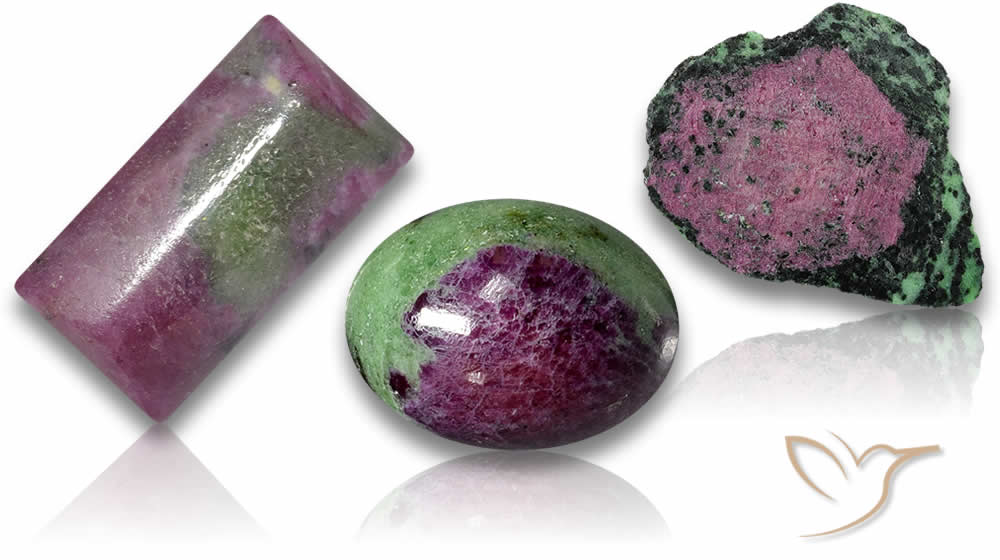
Ruby in Zoisite is a captivating gemstone that marries the fiery passion of Ruby with the grounding and growth-promoting qualities of Zoisite. In this introductory section, we'll explore the meaning, benefits, and properties of this striking crystal. With its vibrant healing potential, Ruby in Zoisite is a valuable addition to any crystal collection.
Key Takeaways
- Ruby in Zoisite combines Ruby's energy with Zoisite's grounding qualities.
- This gemstone has metaphysical properties that promote personal and spiritual growth.
- Benefits of Ruby in Zoisite include emotional healing and enhanced vitality.
- Its unique properties and versatility make it ideal for jewelry and crystal healing practices.
- Proper maintenance and care of Ruby in Zoisite ensures long-lasting beauty and optimal energy.
The Meaning of Ruby in Zoisite
At the core of Ruby in Zoisite lies a captivating combination of two powerful crystals, Ruby and Zoisite. When fused together, they result in a gemstone that exudes a vibrant energy, making it a popular choice among crystal enthusiasts.
The metaphysical properties of Ruby in Zoisite are believed to promote personal growth and spiritual advancement. Its dynamic energy ignites passion, creativity, and motivation, and enhances vitality and endurance. Individuals seeking to unlock their full potential can turn to Ruby in Zoisite to aid their personal and spiritual journeys.
The energy of Ruby in Zoisite is said to resonate with the heart and third eye chakras, facilitating emotional healing, heightened awareness, and intuitive thinking. The blending of Ruby’s fiery nature and Zoisite’s stabilizing qualities is the foundation for Ruby in Zoisite’s transformative energy, making it an ideal crystal for those seeking inner strength and balance.
"The blending of Ruby’s fiery nature and Zoisite’s stabilizing qualities is the foundation for Ruby in Zoisite’s transformative energy"
The Benefits of Ruby in Zoisite
At its core, Ruby in Zoisite is a gemstone of passion, growth, and vitality. Its blend of fiery Ruby and earthy Zoisite create a unique synergy that offers a range of benefits to those who wear or work with it.
Emotional Healing
One of the primary benefits of Ruby in Zoisite is its ability to open the heart and promote emotional healing. By activating the Root and Heart chakras, this gemstone can assist with overcoming past traumas, releasing negative emotions, and fostering forgiveness and compassion.
Stimulates Passion
Ruby in Zoisite is known for its ability to stimulate passion and creativity in all areas of life. Whether you need a boost in your career, love life, or personal pursuits, this gemstone can help you tap into your inner fire and ignite your passions.
Balances Energies
As a stone of balance and harmony, Ruby in Zoisite can help to balance energies in the body and mind. It can assist with alleviating anxiety and stress, promotes mental clarity and focus, and neutralizes negative energies.
Enhances Vitality
If you need an energy boost, look no further than Ruby in Zoisite. This gemstone is known for its ability to enhance physical vitality and promote overall wellness. Whether you're recovering from an illness or simply need an extra burst of energy, Ruby in Zoisite can help.
Supports Personal Growth
Ruby in Zoisite is a powerful tool for personal and spiritual growth. It can help you to break free from old patterns and habits and find the courage to pursue new opportunities. By activating the Third Eye and Crown chakras, it can also assist in accessing higher consciousness and knowledge.
Improves Relationships
Finally, Ruby in Zoisite can assist with improving relationships and enhancing communication. It can foster empathy, understanding, and trust, allowing for deeper connections and stronger bonds.
Whether you're looking for emotional healing, creative inspiration, or a boost in vitality, Ruby in Zoisite offers a wide range of benefits. By fostering harmony, balance, and growth, this gemstone can help to align you with your highest potential.
The Properties of Ruby in Zoisite
Ruby in Zoisite is a one-of-a-kind gemstone that boasts a range of unique physical and metaphysical properties. The gemstone is a striking combination of Ruby, a precious gemstone, and Zoisite, a mineral that is found in a variety of colors, including brown, green, and black.
Color Variations
Ruby in Zoisite is a relatively new gemstone, and as such, it has not yet been widely recognized by most gemologists. The gemstone typically has a deep green color, but it can come in a range of other colors, including red, pink, and blue. These color variations make Ruby in Zoisite a popular choice for jewelry and collectors alike.
Clarity
Ruby in Zoisite's transparency and clarity vary depending on the quality of the gemstone. Some pieces contain a significant amount of inclusions that are visible to the naked eye, while others have a relatively clear appearance. The inclusions are, in fact, a distinguishing characteristic of the gemstone and do not detract from its beauty. They can give the gemstone an organic, earthy feel.
Other Physical Characteristics
Ruby in Zoisite's physical characteristics also include its hardness, which ranges from 6.5 to 9 on the Mohs hardness scale. This hardness makes it durable enough for everyday wear and tear. The gemstone also has a vitreous to sub-vitreous luster and is commonly faceted to enhance its sparkle and fire.
Metaphysical Properties
Ruby in Zoisite's metaphysical properties are what set it apart from other gemstones. The gemstone is believed to enhance the energies of its primary gemstones, Ruby, and Zoisite. It is thought to stimulate the heart chakra, encouraging feelings of love, empathy, and compassion. Ruby in Zoisite is also believed to promote personal growth by increasing motivation, enthusiasm, and passion for life. Additionally, it is said to be a powerful stone for protection, promoting emotional and physical healing, and improving overall well-being.
Overall, with its unique properties and striking appearance, Ruby in Zoisite is a fascinating and alluring gemstone that is worthy of attention from collectors and enthusiasts alike.
The Uses of Ruby in Zoisite
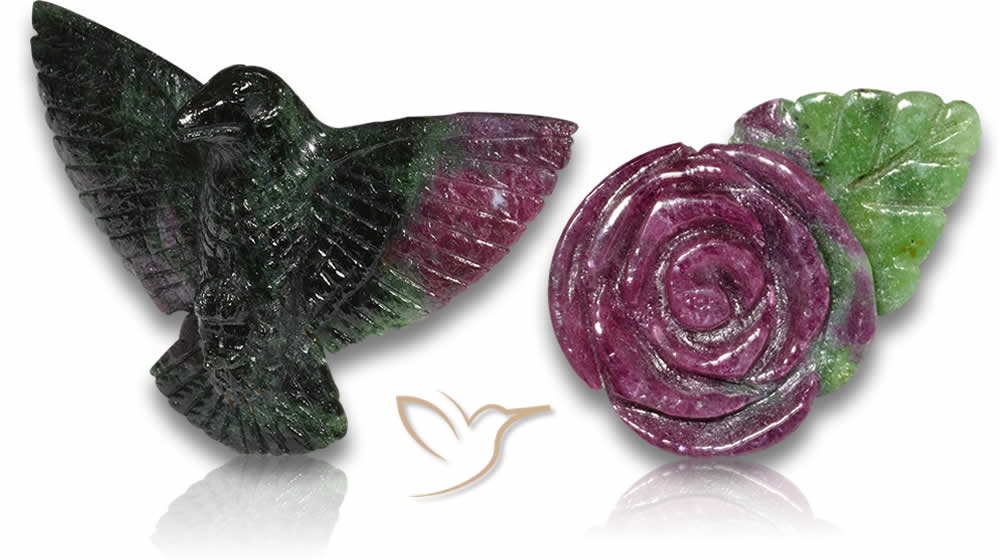
Ruby in Zoisite's distinctive colors and fascinating blend of energies make it a perfect choice for jewelry that stands out. With its vibrant hues, it is often crafted into one-of-a-kind designs, imbued with unique charm and energy.
Some popular Ruby in Zoisite jewelry designs include necklaces, bracelets, earrings, and pendants. These pieces are perfect for those who want to enhance their personal style while reaping the gemstone's healing benefits. Ruby in Zoisite jewelry is versatile, making it suitable for both formal and casual occasions.
In addition to fashion accessories, Ruby in Zoisite can be incorporated into your crystal healing practice. It is an excellent stone for revitalization, growth, and personal development. Placing Ruby in Zoisite crystals in various parts of your home can help promote positivity, creativity, and inspiration.
When it comes to Ruby in Zoisite crystals, their uses are not limited to jewelry and décor. They can also be used for meditation practices and chakra healing. Rubies are associated with the root chakra, while Zoisite relates to the heart chakra. Together, they create a powerful combination for balancing energies and promoting overall wellness.
| Jewelry | Crystal Healing |
|---|---|
| - Necklaces | - Meditation |
| - Bracelets | - Chakra Healing |
| - Earrings | - Energy Balance |
| - Pendants | - Vitality |
Whether you choose to adorn yourself with Ruby in Zoisite jewelry or use its crystals for healing purposes, this gemstone is a stunning and influential addition to your collection.
Harnessing the Energy of Ruby in Zoisite
Ruby in Zoisite's dynamic energy is one of its most attractive attributes. To get the most out of your gemstone, consider implementing the following best practices:
Cleansing
Before charging your Ruby in Zoisite gemstone, ensure it is cleansed to eliminate any negative energy it may have absorbed. This can be achieved through smudging, bathing, or burying the gemstone. Smudging involves using sage or palo santo to clear the gem's energy, while bathing involves running it under cool water. Burying requires placing the stone in the soil for a few hours or overnight. Choose the cleansing method you resonate with the most.
Charging
After cleansing, charge your Ruby in Zoisite gemstone to enhance its energy. You can do this by placing it in sunlight to absorb solar energy or under the light of a full moon to absorb lunar energy. Alternatively, you can offer your Ruby in Zoisite some of your own energy by holding it in your hands and visualizing it being filled with positive energy.
Programming
To program your Ruby in Zoisite gemstone with your intentions, focus on your desired outcome and hold the gemstone in your hands. Close your eyes and envision your intentions becoming a reality. Repeat your intentions silently or aloud while holding the stone for a few minutes. As you do this, feel the energy of the gemstone resonating with your intentions.
By following these best practices for cleansing, charging, and programming your Ruby in Zoisite gemstone, you can unlock the full potential of its vibrant energy. Incorporate these practices into your daily routine and witness the transformational power of Ruby in Zoisite at work.
Unveiling the Growth and Passion of Ruby in Zoisite
When it comes to igniting the fire within, few stones can hold a candle to Ruby in Zoisite. This vibrant gemstone infuses the energy of Ruby's passion and intensity with the grounding and growth-orientated properties of Zoisite, creating a stone that inspires personal and spiritual growth.
Ruby in Zoisite's metaphysical properties lend themselves to a variety of healing processes, empowering individuals to unlock the potential of their inner fire. This stone is particularly useful in promoting emotional healing and invigorating the soul, providing the necessary spark to ignite individuals' passions and reignite their sense of purpose.
Whether you are experiencing creative blocks, battling anxiety, or seeking to connect with your innermost desires, Ruby in Zoisite has the healing properties to propel you forward on your path. This gemstone's dynamic energy works to balance and harmonize the chakras, encouraging creative self-expression, optimism, and joy.
Healing Properties of Ruby in Zoisite
| Healing Property | Benefit |
|---|---|
| Stimulates Passion | Invigorates individuals with passion and excitement, making it easier to connect with and pursue their desires |
| Emotional Healing | Provides comfort and healing properties, making it easier to deal with emotional wounds from the past |
| Vitality | Increases energy levels, helps one to overcome apathy and procrastination, infusing one with a sense of vitality |
When it comes to using Ruby in Zoisite as a healing tool, the possibilities are endless. Whether you choose to wear it as jewelry or incorporate it into your meditation or crystal healing practice, this gemstone's propensity for igniting the inner fire will transform your life. Use Ruby in Zoisite to unlock your potential and empower yourself to become the best version of yourself.
The Symbiotic Harmony of Ruby and Zoisite
Ruby in Zoisite is a beautiful and mesmerizing gemstone that blends the energy of Ruby and Zoisite to create a powerful and harmonious stone that stimulates personal growth and spiritual healing. Ruby is known for its vibrant energy, passion, and courage. On the other hand, Zoisite brings stability, growth, and transformation. The combination of these two gemstones creates a unique synergy that promotes balance, harmony, and holistic well-being.
Ruby in Zoisite is a stone that is both grounding and energizing. It helps to boost vitality and mental clarity while promoting emotional healing and spiritual growth. Its energy is said to enhance intuition, creativity, and inspiration, making it an ideal stone for artists, writers, and visionaries.
The rich green color of Zoisite is beautifully contrasted by the deep red of Ruby, making the gemstone a joy to behold. Wearing Ruby in Zoisite jewelry can help to elevate mood, reduce stress and anxiety, and enhance overall feelings of well-being.
The metaphysical properties of Ruby in Zoisite make it a popular gemstone for crystal healing practitioners. It is believed to work with the heart chakra, helping to balance emotions, promote deeper self-awareness, and open the door to new possibilities. Using Ruby in Zoisite during meditation or energy healing can be an effective way to release blockages, overcome self-limiting beliefs, and awaken the inner fire of passion and purpose.
Properties of Ruby in Zoisite
Ruby in Zoisite is an opaque stone with a hardness of 6.5 to 9 on the Mohs scale. It is a relatively rare gemstone that is found in various parts of the world, including India, Tanzania, Madagascar, and the United States. The gemstone's color ranges from vibrant green to yellow-green, with black or white inclusions of Zoisite and small red Ruby crystals. Its unique physical and metaphysical properties make it a distinctive gemstone that collectors and enthusiasts adore.
| Crystal System: | Orthorhombic |
|---|---|
| Chemical Formula: | (Ca2Al3)[Si2O7][SiO4]O(OH) |
| Color: | Green, yellow-green, red |
| Location: | India, Tanzania, Madagascar, United States |
| Hardness: | 6.5 to 9 on the Mohs scale |
| Chakra: | Heart Chakra |
| Element: | Fire and Earth |
| Numerology: | 9 |
When choosing a piece of Ruby in Zoisite, it's essential to look for authentic stones that have been ethically sourced and processed. The quality of the gemstone can impact the energy and depth of its healing properties. Finding a piece that resonates with your intention is essential to unlock its full potential.
Choosing the Right Ruby in Zoisite Piece for You
When it comes to choosing a Ruby in Zoisite gemstone, there are a few key factors to consider. Whether you are looking for a beautiful piece of jewelry or a specimen for crystal healing, you want to make sure you choose a gemstone that aligns with your intentions and resonates with your energy.
One of the most critical factors to consider when selecting your Ruby in Zoisite is the quality of the gemstone. Look for a stone that has a vibrant red color for the Ruby and an earthy green for the Zoisite, with both elements combining seamlessly. An authentic Ruby in Zoisite gemstone should have no visible blemishes or inclusions, and the color distribution should be even throughout.
Authenticity
To ensure authenticity, it is essential to purchase your Ruby in Zoisite gemstone from a reputable dealer.
Jewelry
If you are purchasing Ruby in Zoisite jewelry, it is essential to select a piece that resonates with your personality and style. Whether you prefer simple designs or more intricate pieces, there are Ruby in Zoisite jewelry options for everyone. Consider the color, shape, and size of the gemstone when choosing a necklace, ring, or bracelet.
Crystal Healing
When choosing a Ruby in Zoisite gemstone for crystal healing purposes, it is vital to consider the shape and size of the stone. Look for specimens that fit comfortably in your hand or can be placed on specific areas of the body. Remember, selecting a gemstone is a personal choice, and the stone's energy should feel right to you.
| Intention | Recommended Shape |
|---|---|
| Emotional Healing | Heart-shaped |
| Physical Healing | Wand or sphere shape |
| Creativity and Passion | Rough or tumbled stone |
Choosing the right Ruby in Zoisite piece is a personal decision that should align with your intentions and resonate with your energy. Take the time to research, consider the quality and authenticity of the gemstone, and select a piece that feels right for you.
Caring for Your Ruby in Zoisite Gemstone
Your Ruby in Zoisite gemstone is not just a beautiful accessory but also a powerful tool for personal and spiritual growth. To ensure that it remains in optimal condition and maintains its vibrant energy, it is essential to take proper care of your gemstone.
Cleaning Your Ruby in Zoisite Gemstone
Ruby in Zoisite is a fragile gemstone that requires gentle handling when cleaning. Avoid using harsh chemicals or cleaners as they can damage the surface and reduce its luster. Instead, gently wipe the stone with a soft, damp cloth to remove any dirt or dust that may have accumulated on its surface. Dry it thoroughly with a clean cloth before storing it away.
Tip: Never soak your Ruby in Zoisite gemstone in water or expose it to extreme temperatures as it can cause irreparable damage to the stone.
Storing Your Ruby in Zoisite Gemstone
To prevent scratches or damage to your Ruby in Zoisite gemstone, it is crucial to store it correctly. Place your gemstone in a soft cloth pouch or jewelry box, separate from other pieces of jewelry, to avoid contact and potential damage. Ideally, store your gemstone in a cool, dry place away from sunlight or other sources of heat that can affect its color and shine.
Maintaining Your Ruby in Zoisite Gemstone
Ruby in Zoisite gemstone is a sensitive stone that requires a little extra care when maintaining it. Avoid exposing it to harsh chemicals, including perfumes, cosmetics, and cleaning agents, that might damage the gemstone's surface. Also, take care not to scratch or chip the gemstone when wearing it or handling it.
Exploring Ruby in Zoisite Around the World
Ruby in Zoisite is a gemstone that can be found in various parts of the world. Each location where it is found contributes to the gemstone's unique characteristics. Let us take you on a global journey, exploring the different origins of this mesmerizing gem.
Tanzania
Tanzania is the primary source of the finest quality of Ruby in Zoisite. The rock formations in this location contain ruby crystals embedded within zoisite. The result is a beautiful gemstone that showcases vibrant red ruby crystals with the green and black of zoisite.
India
India is another country where Ruby in Zoisite can be found. The Indian variety is less vibrant in color than the Tanzanian, and it tends to exhibit more dominant zoisite than ruby. However, Indian Ruby in Zoisite showcases beautiful patterns and inclusions that make it a popular choice for lapidaries and sculptors.
Austria
In Austria, this gemstone is known as Anyolite, which derives its name from the Maasai word "anyoli." Anyolite is found in the Merelani Hills of Tanzania and is brought to Austria for processing. Austrian miners trim, cut and polish this gemstone in several ways to showcase its features.
The United States
Ruby in Zoisite can also be found in the United States. It is specially sourced from the states of Colorado and New Mexico. These gems showcase beautiful green zoisite colors and vibrant ruby crystals that make them a sought after choice for collectors and jewelry designers.
Exploring the various locations where Ruby in Zoisite is found not only showcases the gemstone's global presence but also highlights the unique characteristics and the beauty each variety exhibits.
Conclusion
We hope this article has shed some light on the captivating gemstone, Ruby in Zoisite. As we explored its meaning, benefits, properties, and uses, we discovered the vibrant healing potential it holds.
Ruby in Zoisite is a powerful tool for personal and spiritual growth, helping to balance energies, stimulate passion, and ignite inner fire. Whether you're seeking inspiration, motivation, or a renewed sense of purpose, this gem can help propel you forward on your path.
When selecting a Ruby in Zoisite piece, consider your intentions and what resonates with you. With proper care, your gemstone can offer rejuvenation and transformation for years to come.
Finally, we invite you to explore the origins of Ruby in Zoisite gems and the geological conditions that contribute to their formation. Embrace the transformative power of Ruby in Zoisite and embark on a journey of balance, renewal, and personal growth.
FAQ
What is Ruby in Zoisite?
Ruby in Zoisite is a gemstone that combines the fiery energy of Ruby with the earthy qualities of Zoisite, resulting in a mesmerizing and vibrant crystal.
What is the meaning of Ruby in Zoisite?
The meaning of Ruby in Zoisite is deeply rooted in its metaphysical properties. It is known to promote passion, growth, and harmony, and is believed to stimulate the heart and root chakras.
What are the benefits of Ruby in Zoisite?
Ruby in Zoisite offers a range of benefits, including emotional healing, enhancing vitality, and balancing energies. It can also aid in bringing passion and enthusiasm into one's life.
What are the properties of Ruby in Zoisite?
Ruby in Zoisite comes in various color variations, with its main colors being green and red. It possesses unique physical characteristics, such as its transparency and crystal formations, and is known for its metaphysical properties that contribute to personal growth and transformation.
How can Ruby in Zoisite be used?
Ruby in Zoisite can be used in various ways, such as in jewelry, meditation, and crystal healing practices. It is a popular gemstone for creating stunning and meaningful jewelry pieces, and its energy can be harnessed during meditation or incorporated into crystal healing layouts.
How can I harness the energy of Ruby in Zoisite?
To maximize the energy of Ruby in Zoisite, it is recommended to cleanse, charge, and program the gemstone. Cleansing can be done through different methods like saltwater, moonlight, or sound. Charging can be achieved by placing the stone in sunlight or with the intention of positive energy. Programming involves setting intentions and affirmations to align with the desired outcomes.
What can Ruby in Zoisite help with in terms of growth and passion?
Ruby in Zoisite is believed to help ignite and fuel one's growth and passion. It can inspire motivation, provide a sense of purpose, and assist in overcoming challenges. By awakening the inner fire, Ruby in Zoisite encourages personal and spiritual transformation.
How do Ruby and Zoisite work together in Ruby in Zoisite?
Ruby and Zoisite work synergistically in Ruby in Zoisite, allowing their energies to harmonize and create a powerful crystal tool. Ruby brings passion, vitality, and strength, while Zoisite contributes grounding, growth, and healing qualities. The combination of these elements results in a holistic and transformative gemstone.
How can I choose the right Ruby in Zoisite piece?
When choosing a Ruby in Zoisite piece, consider factors such as the quality of the gemstone, its authenticity, and how it resonates with your intentions. Whether it is for jewelry or crystal healing purposes, selecting a piece that aligns with your energy and intentions is key.
How do I care for my Ruby in Zoisite gemstone?
Proper care and maintenance of your Ruby in Zoisite gemstone are essential for its longevity and optimal energy. It is recommended to clean it regularly, store it properly, and avoid exposure to harsh chemicals or extreme temperatures to preserve its beauty and energy.
Where can Ruby in Zoisite be found?
Ruby in Zoisite is found in various parts of the world, including Tanzania, India, and the United States. Each location contributes to the unique characteristics and qualities of the gemstone.






