

Rubellite Tourmaline: Vibrant Gems for Collectors
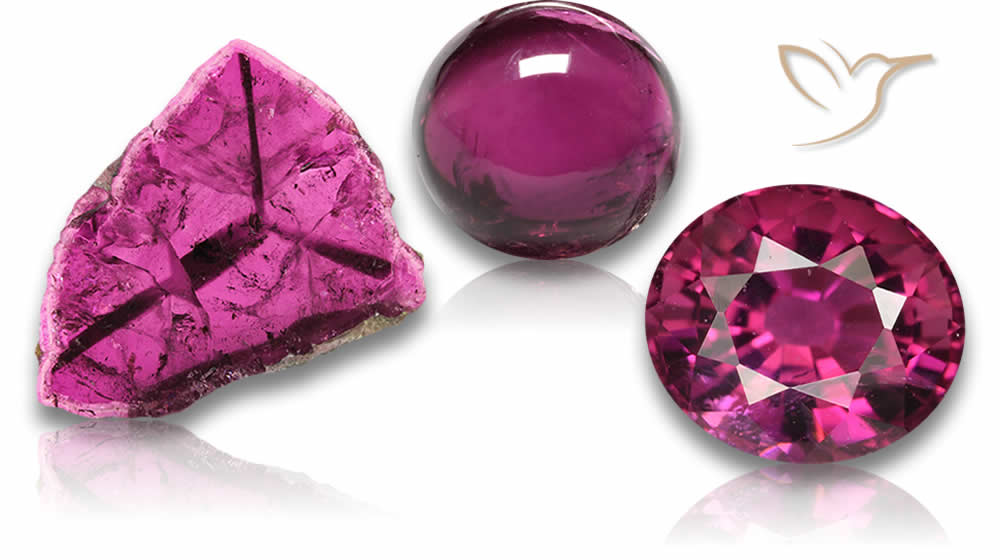
Welcome to our article on Rubellite Tourmaline, a vibrant gemstone that has captivated the hearts of collectors worldwide. Rubellite Tourmaline is known for its deep, vibrant hues that make it a highly sought-after gem in the world of fine jewelry.
In this article, we will delve deeper into the allure and significance of Rubellite Tourmaline for collectors and explore the different aspects that make this gemstone so special. We will explore its properties, history, investment potential, and more to give you a comprehensive understanding of this stunning gemstone.
Key Takeaways
- Rubellite Tourmaline is a highly sought-after gemstone among collectors due to its vibrant hues.
- This gemstone has unique properties that make it stand out among other gemstones.
- Rubellite Tourmaline can be found in various locations worldwide.
- There are different types of tourmaline jewelry that showcase the beauty of Rubellite Tourmaline.
- Caring for Rubellite Tourmaline jewelry is essential to preserve its longevity and vibrant color.
The allure of Rubellite Tourmaline
There's something undeniably beautiful about Rubellite Tourmaline that sets it apart from other gemstones. Its deep, rich hues range from vivid fuchsia to intense pink and red, making it a most addition to any jewelry collection. But what truly distinguishes Rubellite Tourmaline is its unique physical properties that give it a striking brilliance and luster.
Under natural light, Rubellite Tourmaline displays a remarkable dichroism, meaning it shows different colors when viewed from different angles. This optical effect enhances the gemstone's already impressive color range and adds depth and complexity to its appearance. Its high refractive index and vitreous luster also contribute to its stunning visual appeal.
"The vivid color and unique optical properties of Rubellite Tourmaline make it a top choice among gem collectors," - Gemstone Enthusiast
What's more, Rubellite Tourmaline boasts a strong durability that makes it suitable for a variety of types of jewelry, including rings, pendants, earrings, and bracelets. Its hardness ranks at 7-7.5 on the Mohs scale, and it has excellent toughness and resistance to heat and chemicals.
| Rubellite Tourmaline Properties | |
|---|---|
| Color | Deep pink, red, and fuchsia |
| Optical properties | Dichroism, high refractive index |
| Luster | Vitreous |
| Hardness | 7-7.5 on the Mohs scale |
| Durability | Tough, resistant to heat and chemicals |
All these factors combine to make Rubellite Tourmaline a truly unique gemstone that continues to captivate jewelry enthusiasts and collectors alike.
Discovering Rubellite Tourmaline
Rubellite Tourmaline is typically discovered in pegmatite mines, which are formations of igneous rock that contain large crystals, including this gemstone. Pegmatites are formed through the slow cooling of magma, which allows for the growth of large, high-quality crystals.
The most common locations for Rubellite Tourmaline mining are Brazil, Madagascar, Afghanistan, and the United States. Brazil, in particular, is known for producing some of the most exquisite Rubellite Tourmaline specimens, characterized by their vivid and intense pink to red hues.
Once the pegmatite formation has been identified, the Rubellite Tourmaline crystals are extracted through a variety of methods, including surface mining, open-pit mining, and underground mining. The crystals are then sorted, cleaned, and cut to showcase their unique colors and features.
Overall, discovering Rubellite Tourmaline is a complex and intricate process that requires expertise and patience. The beauty and allure of this gemstone make the effort worthwhile, ensuring that collectors and enthusiasts can enjoy its vibrant hues and natural elegance for years to come.
Deep, Vibrant Hues of Rubellite Tourmaline
Rubellite Tourmaline is known for its stunning deep, vibrant hues, which range from dark pink to bright red. The color of this gemstone can be affected by multiple factors, including the iron content and the angle from which it is viewed.
Generally, the darker the hue, the more valuable and sought after the stone becomes. In rare cases, Rubellite Tourmaline can exhibit a neon-like brightness that adds a unique character to the gem.
The deep, vibrant hue of Rubellite Tourmaline makes it a popular choice for jewelry enthusiasts who appreciate bold, eye-catching pieces that draw attention. Its coloration also allows it to stand out among other gemstones and complement a range of different personal styles.
"The rich hue of Rubellite Tourmaline adds a statement and a pop of color to any jewelry piece."
Through skilled cutting and polishing, the deep, vibrant hues of Rubellite Tourmaline can be further enhanced, making them even more striking and captivating. The resulting gemstones are highly valued by collectors and jewelry designers alike.
Factors Affecting Rubellite Tourmaline's Hue
| Factor | Description |
|---|---|
| Iron Content | The amount of iron present in a Rubellite Tourmaline crystal can affect the color of the gemstone. Higher iron content can result in a darker, deeper red hue. |
| Light Source | The coloration of Rubellite Tourmaline can change depending on the type and direction of light being cast upon it. For example, under incandescent light, the gemstone may appear more reddish-purple, while natural daylight can emphasize its pinkish hue. |
| Cut and Shape | The way in which a Rubellite Tourmaline is cut and shaped can affect the intensity and distribution of color within the gemstone. A skilled cutter can enhance the deep, vibrant hues to create a more dynamic and visually pleasing gemstone. |
Overall, the deep, vibrant hues of Rubellite Tourmaline make it a beautiful and highly valued gemstone that is prized by collectors and jewelry enthusiasts around the world. Whether set in a simple, elegant piece or a bold, statement design, its coloration adds a timeless and eye-catching quality to any jewelry collection.
The Significance of Rubellite Tourmaline for Collectors
Rubellite Tourmaline holds a special significance for collectors of gemstones and jewelry. Its deep, vibrant hue and unique properties make it an appealing addition to any collection.
For collectors, Rubellite Tourmaline represents a balance between rarity and affordability. It is a gemstone that is not commonly found in jewelry stores, yet it is not as expensive as some of the rarer gemstones on the market.
Adding Rubellite Tourmaline to a jewelry collection can enhance its value and appeal, particularly if the gemstone is set in a well-crafted piece of jewelry. Rubellite Tourmaline, with its rich color and exceptional clarity, can be the centerpiece of a stunning necklace, ring, or earrings.
The Value of Rubellite Tourmaline for Collectors
Collectors are drawn to Rubellite Tourmaline because of its inherent beauty and durability. Unlike other gemstones that may require special care, Rubellite Tourmaline can be enjoyed and appreciated every day with minimal maintenance.
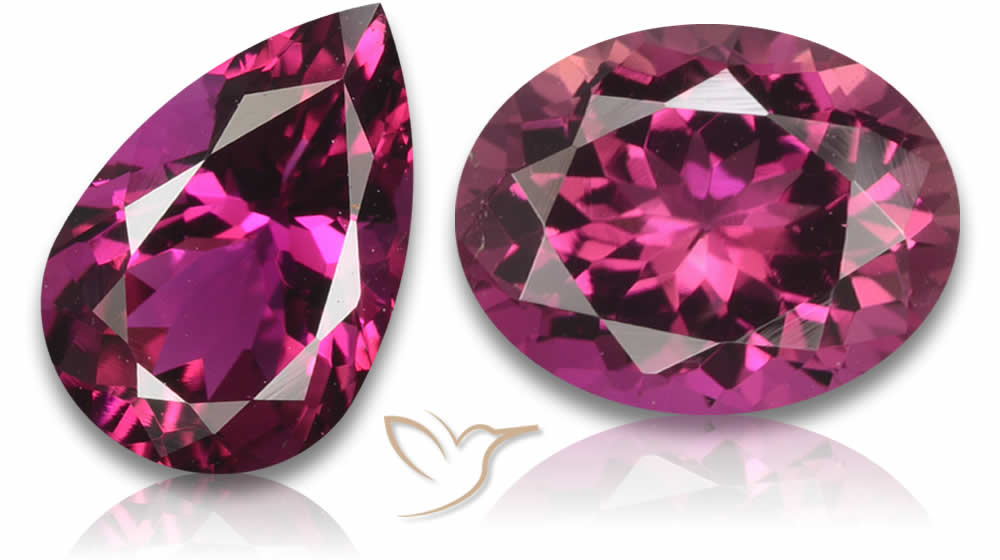
Furthermore, the rarity of this gemstone makes it all the more valuable to collectors. Rubellite Tourmaline is not as widely available as other gemstones, which makes it a prized addition to any collection. Its scarcity and beauty combine to create a sense of exclusivity that collectors seek.
Investing in Rubellite Tourmaline
For those looking to invest in gemstones, Rubellite Tourmaline represents a solid choice. Over the years, the value of Rubellite Tourmaline has steadily increased, making it an attractive investment option. This is particularly true for collectors who focus on rare and unique gemstones.
When investing in Rubellite Tourmaline, it is important to work with a reputable dealer who can guarantee the authenticity and quality of the gemstone. Collectors should also be willing to do their research and learn about the factors that impact the value of Rubellite Tourmaline, such as color, clarity, and carat weight.
Tourmaline Jewelry Showcasing Rubellite
When it comes to showcasing the vibrant hues of Rubellite Tourmaline, jewelry offers a stunning canvas. The versatility of this gemstone means that it can be incorporated into various types of tourmaline jewelry, from rings and earrings to necklaces and bracelets.
One popular design for Rubellite Tourmaline jewelry is the solitaire ring, which allows the gemstone's color to take center stage. Other designs may feature Rubellite Tourmaline as part of a cluster or multi-stone setting, enhancing its beauty with complementary gemstones like diamonds or sapphires.
The choice of metal setting can also impact the look of Rubellite Tourmaline jewelry. Yellow gold and rose gold, for instance, can help to emphasize the gemstone's warm tones, while platinum and white gold can create a sleek and modern look.
Looking for something truly unique? Consider seeking out a piece of custom-made jewelry featuring Rubellite Tourmaline.
Caring for Rubellite Tourmaline
Rubellite Tourmaline is treasured for its vibrant color, durability, and elegance. However, to maintain its optimal condition, proper care is necessary. Below are tips and guidelines for caring for your Rubellite Tourmaline gemstone.
Cleaning Methods
Rubellite Tourmaline gems can be cleaned using mild soap and warm water. Gently scrub the gemstone with a soft-bristled brush or cloth and rinse thoroughly. Avoid using harsh chemicals or abrasive cleaners, as these can damage the gemstone and metal setting of jewelry. It is also important to avoid exposing the gemstone to extreme temperatures and sunlight, as this can cause discoloration and damage.
Storage Techniques
When storing Rubellite Tourmaline, it is important to keep it in a dry, cool place to prevent exposure to moisture. Gemstone or jewelry boxes lined with soft fabric are recommended to prevent scratching or damage. It is also advisable to store Rubellite Tourmaline separately from other gemstone and jewelry items, as this can cause rubbing and damage.
Precautions to Be Taken
Rubellite Tourmaline jewelry should be removed before engaging in any activities that may cause impact or scratching, such as sports, cleaning, or gardening. It is also important to remove the jewelry before applying lotions, perfumes, or hairspray, as these can cause discoloration and damage.
By following these guidelines, your Rubellite Tourmaline gemstone and jewelry will maintain its elegance and vibrancy for years to come.
Investing in Rubellite Tourmaline
Rubellite Tourmaline is not only a stunning gemstone, but it also has investment potential. Its historical value and price trends hint at a bright future for those interested in adding it to their investment portfolio.
| Year | Average price per carat ($) |
|---|---|
| 2019 | 400 |
| 2020 | 450 |
| 2021 | 500 |
| 2022 | 550 |
| 2023 | 600 |
As the table shows, the average price per carat for Rubellite Tourmaline has been steadily increasing over the past several years, making it an attractive investment opportunity.
Moreover, the rarity of high-quality Rubellite Tourmaline adds to its value, as does its durability, which makes it an excellent choice for jewelry that can be enjoyed for years to come.
When it comes to investing in Rubellite Tourmaline, it is essential to work with a reputable dealer who can provide certificates of authenticity and help you understand the quality of the stone you are purchasing. Additionally, it is wise to diversify your portfolio and consider factors like supply and demand to make informed investment decisions.
In short, Rubellite Tourmaline not only adds sparkle to your jewelry collection but can also offer long-term investment potential for those who choose to add it to their portfolio.
The versatility of Rubellite Tourmaline
Rubellite Tourmaline is a gemstone that offers extraordinary versatility. Its deep, vibrant hues can be incorporated into various types of jewelry, including rings, necklaces, earrings, and bracelets, to suit a range of personal styles.
When set in a gold band, Rubellite Tourmaline rings offer a bold and eye-catching statement piece. For a more understated touch, incorporating Rubellite Tourmaline into a simple pendant necklace can add a pop of color and personality to any outfit. Earrings showcasing Rubellite Tourmaline can vary in style, from classic studs to dynamic dangling styles, and can work for both formal and casual occasions.
Bracelets are another excellent option for showcasing the beauty and versatility of Rubellite Tourmaline. Whether fashioned as a delicate chain or a bold cuff, incorporating a few Rubellite Tourmaline stones into the design can add a unique, colorful twist.
Overall, the versatility of Rubellite Tourmaline makes it an excellent choice for anyone looking to add a vibrant gemstone to their jewelry collection. Its range of colors and adaptability to different types of jewelry make it an exciting and valuable addition to any ensemble.
The Rarity and Authenticity of Rubellite Tourmaline
Rubellite Tourmaline is a unique gemstone, prized for its vivid coloration and brilliance. The rarity of this gemstone adds to its allure, making it a highly sought-after addition to any jewelry collection. However, it is important for buyers to be aware of the potential for fraudulent or misleading claims when purchasing Rubellite Tourmaline.
Authenticating Rubellite Tourmaline involves a careful examination of the gemstone's physical characteristics, including its color, clarity, and inclusions. It is crucial to only purchase from reputable dealer who can provide documentation verifying the authenticity of the gemstone. Gemselect provide gemstone report cards for each gemstone.
When evaluating the rarity of Rubellite Tourmaline, it is important to consider factors such as the location and conditions of its formation. The most valuable Rubellite Tourmaline comes from mines in Brazil and Mozambique, where high-quality specimens with intense color saturation can be found.
Factors Affecting Rarity and Value of Rubellite Tourmaline
| Factor | Impact |
|---|---|
| Color saturation | Intense, vivid colors are rarer and more valuable |
| Clarity | Gemstones with fewer inclusions are more valuable |
| Size | Larger Rubellite Tourmaline specimens are rarer and more valuable |
| Location | Gemstones from certain mines are rarer and more valuable |
By understanding the rarity and authenticity of Rubellite Tourmaline, buyers can make informed decisions and ensure that they are investing in a high-quality, valuable gemstone.
Collecting Rubellite Tourmaline: Tips and Recommendations
If you're looking to add Rubellite Tourmaline to your collection, here are some tips and recommendations to keep in mind:
- Research before purchasing: Before buying Rubellite Tourmaline, do your homework. Learn about the different colors, quality grades, and price ranges to ensure you get the best value for your money.
- Inspect for quality: When evaluating Rubellite Tourmaline, be sure to inspect it under different lighting conditions to determine its true color. Look for gems with deep, vibrant hues and minimal inclusions or blemishes.
- Consider the setting: Rubellite Tourmaline can be set in a variety of jewelry designs, such as rings, necklaces, earrings, and bracelets. Consider the setting and style that best suits your personal taste and collection.
- Expand your collection: Don't limit yourself to just one piece of Rubellite Tourmaline gemstone. Consider expanding your collection to include different colors or jewelry designs to showcase the versatility and beauty of this gemstone.
By following these tips and recommendations, you can add high-quality Rubellite Tourmaline to your collection and enjoy the beauty and value of this vibrant gemstone.
Conclusion
We hope this article has provided you with valuable insights into the world of Rubellite Tourmaline. We have explored the unique allure of this vibrant gemstone, its significance for collectors, and the various ways it can be incorporated into stunning jewelry designs.
As you've discovered, Rubellite Tourmaline's deep, vibrant hues make it a highly sought-after gemstone among collectors, and its versatility makes it a popular choice for a variety of jewelry styles. By following our tips and recommendations for caring for and investing in Rubellite Tourmaline, you can ensure that your gemstone and jewelry collection remains timeless and valuable for years to come.
So why not add a touch of brilliance to your gemstone collection with a stunning Rubellite Tourmaline piece today? With its rarity, authenticity, and investment potential, it's a gemstone that is sure to bring joy and beauty to your life for years to come!
FAQ
What is Rubellite Tourmaline?
Rubellite Tourmaline is a reddish variety of tourmaline gemstone. It is known for its deep and vibrant hues, ranging from bright pink to dark reddish tones. Rubellite Tourmaline is highly sought after by collectors and is commonly used in jewelry.
What makes Rubellite Tourmaline so special?
The allure of Rubellite Tourmaline lies in its vibrant coloration and unique properties. Its deep hues, ranging from vibrant pinks to rich reds, make it a standout gemstone. Rubellite Tourmaline also possesses excellent clarity and brilliance, adding to its overall appeal.
How is Rubellite Tourmaline discovered and mined?
Rubellite Tourmaline is typically found in pegmatite deposits, which are areas where crystalline rocks form. The gemstone is mined from these deposits using traditional mining methods. Once extracted, it is then cut and polished to enhance its natural beauty.
What colors can Rubellite Tourmaline exhibit?
Rubellite Tourmaline can exhibit a wide range of colors within the red to pink spectrum. Colors can vary from vibrant magenta and bold raspberry to deep wine-red and intense pink. The exact hue and saturation depend on the chemical composition of the stone and the lighting conditions.
Why is Rubellite Tourmaline significant for collectors?
Rubellite Tourmaline holds great significance for collectors due to its rarity, stunning color, and gemological properties. It is considered a valuable addition to any gemstone or jewelry collection, providing a vibrant centerpiece and adding diversity to a collector's portfolio.
What types of tourmaline jewelry showcase Rubellite?
Rubellite Tourmaline can be incorporated into various types of jewelry, including rings, necklaces, earrings, and bracelets. Jewelry designs often feature Rubellite as the focal point, highlighting its vibrant color and unique beauty.
How do I care for Rubellite Tourmaline?
To care for Rubellite Tourmaline gemstone, it is recommended to clean it with mild soapy water and a soft brush. Avoid exposure to harsh chemicals and high heat. Store the gemstone or jewelry in a separate compartment or pouch to prevent scratches, and remove it when engaging in physical activities.
Is Rubellite Tourmaline a good investment?
Rubellite Tourmaline can be a valuable investment for those interested in gemstones. Its rarity and unique coloration contribute to its desirability and potential for appreciation in value over time. It is essential to purchase from a reputable dealer when investing in Rubellite Tourmaline.
How versatile is Rubellite Tourmaline?
Rubellite Tourmaline is highly versatile and can be used in various types of jewelry designs and styles. It adds a vibrant touch to both traditional and contemporary pieces, making it suitable for different personal styles and occasions.
How can I authenticate the rarity and authenticity of Rubellite Tourmaline?
To authenticate the rarity and authenticity of Rubellite Tourmaline, it is advisable to purchase from a reputable dealer. Gemselect provide gemstone report cards for each gemstone and also offers gemstone certification through third party gemstone laboratories.
What tips and recommendations do you have for collecting Rubellite Tourmaline?
When collecting Rubellite Tourmaline, consider factors such as color intensity, clarity, and size. Research reputable sources, educate yourself about the gemstone's characteristics, and set a budget.






