

Discover the Beauty of Aventurine Gemstones
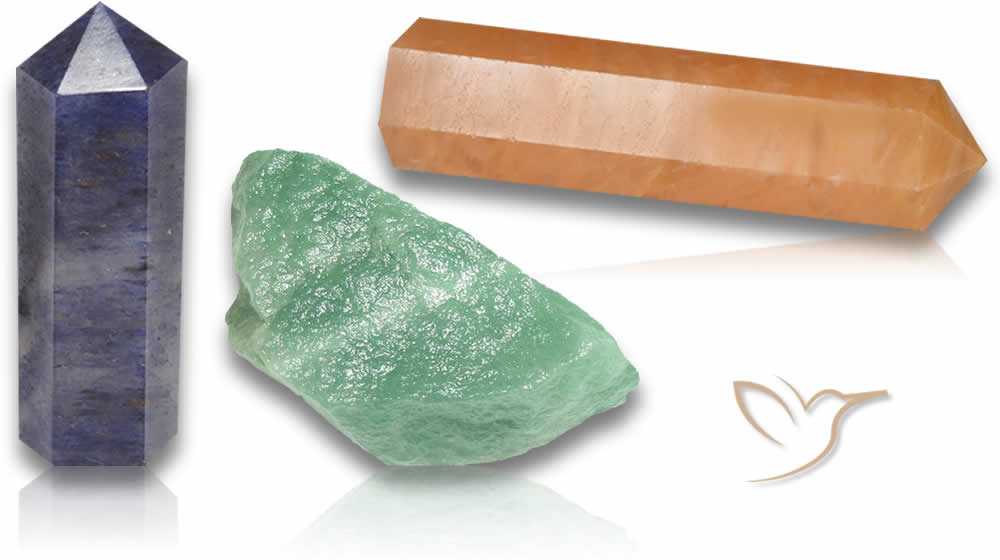
At our core, we are fascinated by the wonderful world of gemstones. The diverse array of colors, shapes, and meanings are what drew us in and continues to fascinate us to this day. One gemstone that we simply can't get enough of is Aventurine Gemstones.
Aventurine is a unique and mystical stone that has a rich history and allure for gemstone enthusiasts. In this section, we'll delve into the world of Aventurine Gemstones and share with you all the fascinating details, from their gemological properties to their believed metaphysical benefits.
Key Takeaways:
- Aventurine Gemstones are captivating and hold mystical qualities
- Aventurine boasts unique gemological properties that make it a sought after gemstone
- The believed healing properties of Aventurine make it a popular choice for those seeking emotional and spiritual balance
- Designing and caring for Aventurine jewelry is important to preserve its natural beauty
- Aventurine mining locations are worth exploring for those interested in the gemstone's history and enchanting qualities
The History of Aventurine Gemstones
The origins of Aventurine date back to ancient civilizations, where it was highly prized for its beauty and unique properties. The gemstone was first discovered in the 18th century, in the Italian city of Murano, famous for its exquisite glass-making traditions. Venetian glassmakers created Aventurine by accident, while attempting to produce a glass with a similar appearance to jade. They added copper shavings to the glass, creating a stunning sparkly effect that mimicked the shimmer of natural stone.
Aventurine has since been found in various regions around the world, including India, Chile, Russia, and Brazil. The gemstone has been used for decorative and ornamental purposes in several cultures, including ancient Greece and Rome, where it was believed to have healing properties, particularly in the area of eye diseases.
The gemological properties of Aventurine make it a sought-after gemstone for collectors and jewelry enthusiasts. Aventurine is a type of quartz with inclusions of fuchsite, a green mica that gives the gemstone its distinctive color and shimmering effect. The gemstone is typically found in green, yellow, or red-brown hues, depending on the amount and type of inclusions.
| Aventurine Gemstone Properties | Description |
|---|---|
| Color | Green, Yellow, Red-Brown |
| Hardness | 6.5 - 7 on the Mohs Scale |
| Luster | Vitreous |
| Transparency | Translucent to opaque |
| Specific Gravity | 2.64 - 2.69 |
The gemstone is also known for its durability, with a hardness of 6.5 to 7 on the Mohs Scale, making it a popular choice for jewelry and decorative objects. Its vitreous luster and translucent to opaque transparency give it a unique charm and appeal that has captured the hearts of gemstone enthusiasts for centuries.
Metaphysical Properties of Aventurine Gemstones
When it comes to metaphysical properties, Aventurine Gemstones are highly regarded for their ability to promote emotional and spiritual healing. Different types of Aventurine carry distinct properties, such as:
| Type of Aventurine | Metaphysical Properties |
|---|---|
| Green Aventurine | Known as the "Stone of Opportunity," Green Aventurine is believed to bring abundance, luck, and prosperity. It is also thought to enhance creativity and aid in decision making. |
| Aventurine Feldspar | This type of Aventurine is believed to help calm the nerves and balance emotions. It is also known for its grounding properties, helping to connect the wearer to the energy of the earth. |
| Aventurine Quartz | Aventurine Quartz is thought to inspire self-reflection and promote clarity of thought. It is also believed to support the immune system and alleviate skin conditions. |
| Sunstone | Sunstone Aventurine is believed to have powerful cleansing properties, helping to clear negative energy and promote vitality. It is also thought to spark creative energy and bring joy to the wearer. |
Overall, Aventurine Gemstones are thought to promote balance, harmony, and well-being. Whether you wear it as jewelry or keep it close as a talisman, Aventurine is a gemstone that can help nurture your spiritual and emotional growth.
Aventurine Jewelry Design Ideas and Care
Designing Aventurine jewelry is a great opportunity to show off the natural beauty of this unique gemstone. Here are some creative and inspiring ideas to get you started:
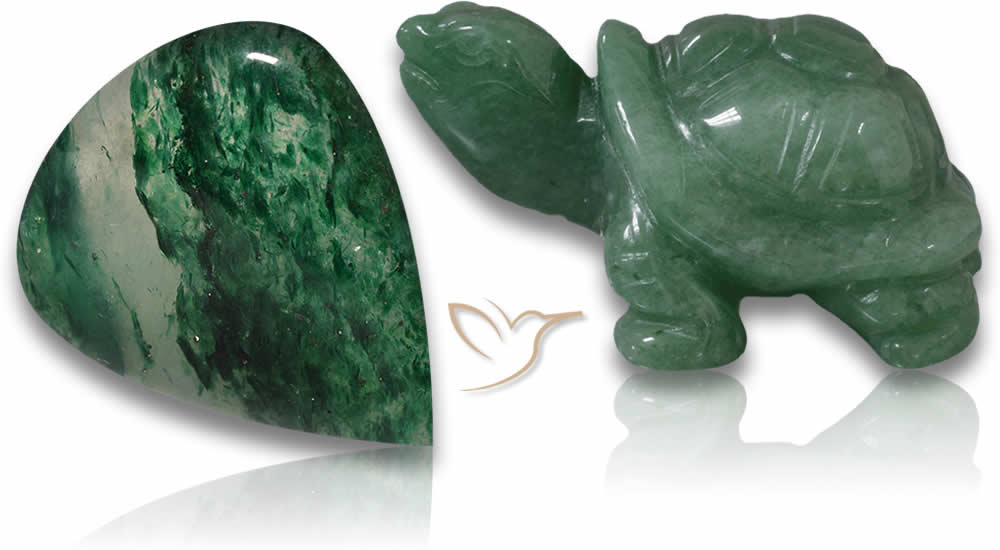
Aventurine Necklaces:
- Create a simple yet elegant necklace using Aventurine beads or a single gemstone pendant.
- Combine Aventurine with other gemstones such as Rose Quartz, Amethyst or Clear Quartz for a stunning multi-colored effect.
- For a more boho vibe, try Aventurine with natural materials such as wood, leather or hemp.
Aventurine Bracelets:
- Stack Aventurine bracelets with other gemstones for a powerful, yet stylish look.
- Choose delicate Aventurine and gold/silver chains for a minimalist look.
- Create a wrap bracelet with Aventurine beads and leather cord for a trendy accessory.
Aventurine Earrings:
- Choose Aventurine drops or studs for a classic look.
- Combine Aventurine with other gemstones for a pop of color.
- For a statement piece, try a pair of large dangling Aventurine earrings.
To keep your Aventurine jewelry looking beautiful, they require some care and cleaning. Here are some tips:
Aventurine Care:
- Avoid exposing Aventurine jewelry to harsh chemicals, extreme temperatures and direct sunlight.
- Store Aventurine jewelry separately from other gemstones, to prevent scratches.
- Gently wipe Aventurine jewelry with a soft cloth or a jewelry cleaning cloth to maintain its shine.
Aventurine Cleaning:
- Fill a small bowl with lukewarm water and a drop of mild dish soap.
- Soak Aventurine jewelry for a few minutes.
- Use a soft-bristled toothbrush to gently scrub the jewelry, paying attention to any nooks or crannies.
- Rinse the jewelry thoroughly with water.
- Pat dry with a soft cloth and let air-dry before storing.
Conclusion
At this point, you have learned about the rich history, unique properties, and metaphysical wonders of Aventurine Gemstones. It's clear that this gemstone offers not only aesthetic appeal but also healing and spiritual benefits.
If you're interested in exploring Aventurine further, consider visiting one of its mining locations, such as Brazil, India, or Russia. By doing so, you can gain a firsthand understanding of the gemstone's journey from the Earth's crust to its place as a cherished collectible or treasured piece of jewelry.
Thank you for joining us on this journey into the enchanting world of Aventurine Gemstones.
FAQ
What is the history of Aventurine Gemstones?
Aventurine Gemstones have a rich history that dates back centuries. They were first discovered in 18th-century Italy, where they were created accidentally by glassmakers. The name "Aventurine" is derived from the Italian word "avventurina," which means "by chance." From there, Aventurine Gemstones gained popularity and were used by various cultures around the world for their unique properties.
What are the gemological properties of Aventurine?
Aventurine is a form of quartz that is characterized by its translucent to opaque appearance and a sparkling effect known as "aventurescence." It is commonly found in green color, due to the presence of fuchsite or green mica, but can also occur in various other colors. Aventurine is rated 6.5-7 on the Mohs scale of hardness, making it suitable for use in jewelry.
What are the metaphysical properties of Aventurine Gemstones?
Aventurine Gemstones are believed to have various metaphysical properties. Green Aventurine is associated with abundance, luck, and growth. Aventurine Feldspar is believed to promote emotional balance and harmony. Aventurine Quartz is associated with enhancing creativity and perception. Sunstone Aventurine is believed to bring warmth, vitality, and positive energy. These gemstones are often used for meditation, healing practices, and chakra balancing.
What are some design ideas for Aventurine jewelry?
Aventurine gemstones can be used to create stunning jewelry pieces. Some design ideas include Aventurine bead bracelets, Aventurine pendant necklaces, Aventurine stud earrings, and Aventurine statement rings. Aventurine can also be combined with other gemstones or metals to create unique and eye-catching pieces.
How should I care for and clean Aventurine jewelry?
To care for your Aventurine jewelry, it is recommended to avoid exposing it to harsh chemicals, extreme temperatures, and sunlight for prolonged periods. When cleaning, you can use a soft cloth or a mild soap solution to gently wipe the surface. Avoid using ultrasonic cleaners or steamers, as they may damage the gemstone. Store your Aventurine jewelry separately from other pieces to prevent scratches.
Where are Aventurine gemstones mined?
Aventurine gemstones are predominantly mined in various regions around the world, including India, Russia, Brazil, China, and the United States. These mining locations yield different varieties of Aventurine, each with its own unique characteristics and beauty.






