

Understanding Color Zoning in Gemstones: A Comprehensive Guide
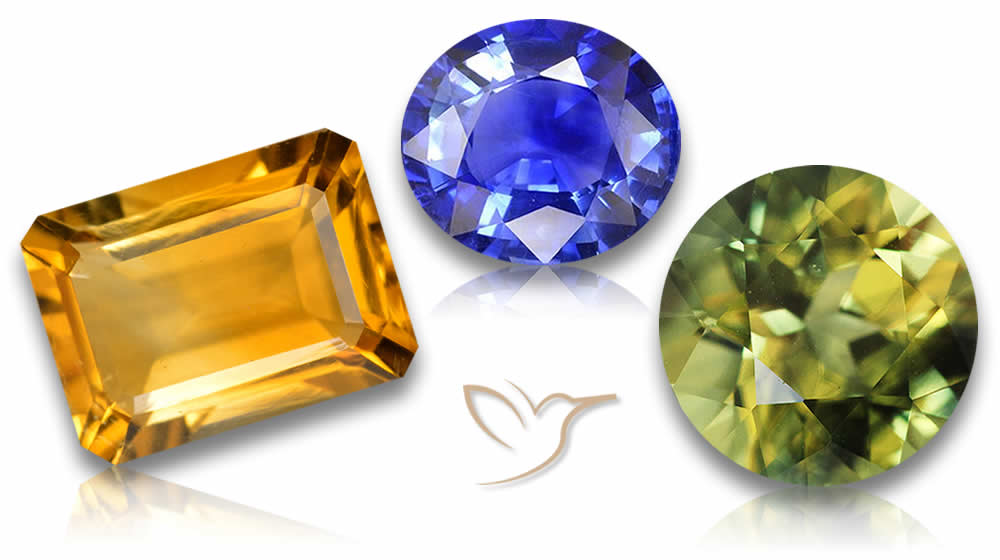
Gemstones are a marvel of nature, with their striking colors and patterns capturing our imagination. However, not all gemstones display uniform coloration, and some may exhibit a phenomenon known as color zoning. It is the uneven distribution of color within a gemstone that creates areas of varying hue or intensity, leading to color zoning.
As gemstone enthusiasts, it is essential to understand color zoning, its impact on the value and beauty of gemstones, and the various factors that contribute to this phenomenon.
Key Takeaways
- Color zoning in gemstones is the uneven distribution of color within a gemstone, leading to areas of varying hue or intensity.
- Understanding color zoning is crucial in assessing a gemstone's value and beauty.
- Factors such as gemstone grading and the presence of elements and impurities that contribute to color zoning.
- There are different types of color zoning, each with distinct effects and patterns.
- Gemstone experts use techniques such as re-cutting and treatment to minimize or enhance color zoning effects as necessary.
What is Color Zoning in Gemstones?
Color zoning refers to the occurrence of variations in color intensity, patterns, and distribution within a single gemstone. This phenomenon can create distinct bands or patches of color, causing the gemstone to appear uneven in hue or tone.
Gemstone color variation is a natural occurrence, as different minerals and elements present during the formation process can lead to variations in color. However, excessive color zoning can detract from the beauty and value of a gemstone, especially in high-end jewelry pieces.
Color zoning can also be influenced by the cut and shape of the gemstone. Certain cuts, such as step cuts, can enhance color zoning by creating distinct lines of light and dark. In contrast, brilliant cuts can minimize color zoning by minimizing color concentration in specific areas of the gemstone.
Understanding the various types of color patterns and intensity is crucial for gemstone professionals and enthusiasts alike, as it allows for accurate and informed evaluation of gemstones.
Gemstone Color Intensity
Color intensity refers to the brightness or vividness of a gemstone's color. It is affected by the number of color-causing elements present in the gemstone, as well as the concentration and distribution of these elements.
Color zoning can affect the intensity of a gemstone's color by creating patches of darker or lighter tones within the gemstone. This can detract from the overall beauty of the gemstone, especially if the color intensity is significantly diminished in certain areas.
Gemstone Color Patterns and Distribution
Gemstone color patterns refer to the specific way in which a gemstone's colors are distributed throughout the stone. Some gemstones may exhibit regular or irregular patterns, while others may have no apparent pattern at all.
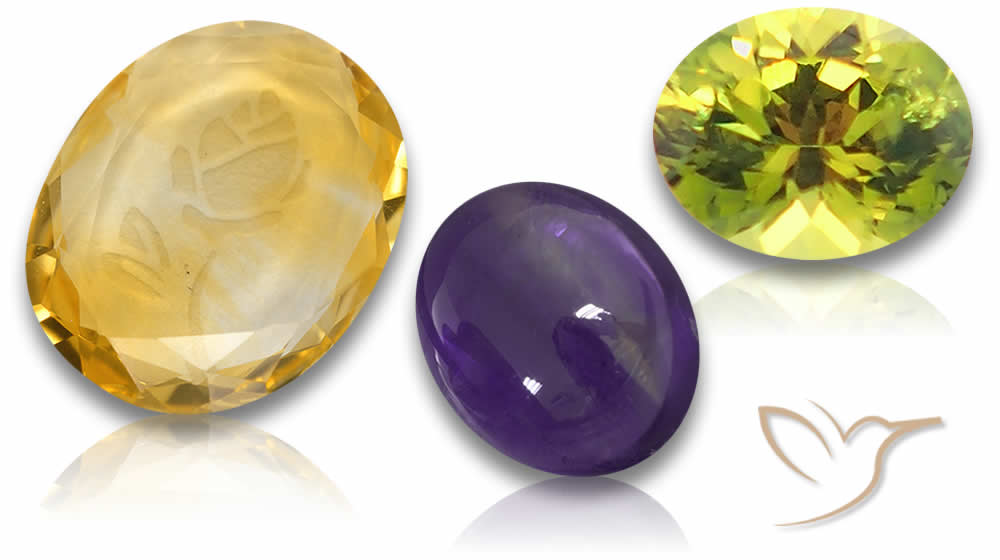
Color zoning can create distinct color patterns in a gemstone, such as bands or speckles of color. It can also affect the distribution of color, with some areas of the gemstone having a higher concentration of color-causing elements than others.
Displays of color zoning can be more or less desirable depending on the preferences of the buyer or collector. For example, certain gemstone varieties such as aquamarine or tourmaline may exhibit unique color zoning patterns that are highly sought after by collectors.
Gemstone Color Variation
Gemstone color variation is a natural occurrence, and it is uncommon for a gemstone to display an entirely uniform color throughout its entire structure. However, excessive color zoning can detract from the beauty and value of a gemstone.
Gemstone professionals evaluate gemstones based on their color zoning effects and overall color distribution. By understanding the various types of color zoning, patterns, and intensity, they can determine the value and desirability of a gemstone.
Factors Influencing Color Zoning
When it comes to gemstones, color zoning is an inevitable phenomenon that is caused by a variety of factors, including gemstone grading and coloration. Let's take a closer look at the factors that influence color zoning in gemstones:
Gemstone Grading
Gemstone grading is a crucial aspect that contributes to determine color zoning in gemstones. It involves analyzing a gemstone's physical characteristics, such as clarity, cut, and color intensity, and assigning it a grade based on these factors. Gemstones with a lower grade tend to have more color zoning due to their imperfections and irregularities.
Gemstone Coloration
The presence of certain elements and impurities also plays a significant role in gemstone coloration, which in turn, affects color zoning. For instance, the presence of iron in quartz can lead to yellow or brown coloration, which can create zoning patterns. Similarly, the presence of manganese in beryl can cause pink or red coloration, leading to zoning effects.
Environmental Factors
Environmental factors, such as temperature and pressure, also have an impact on gemstone coloration, which can create color zoning. For example, exposure to high temperatures during the formation of a gemstone can cause certain areas to change color more than others, leading to zoning effects.
By understanding the various factors that influence color zoning in gemstones, one can gain a deeper appreciation for the unique beauty and complexity of these precious stones. Gemstone professionals use this knowledge to evaluate and grade gemstones accurately and develop strategies to minimize or enhance color zoning patterns.
Types of Color Zoning in Gemstones
Color zoning is a fascinating aspect of gemstones that adds unique patterns and characteristics to each stone. Here, we categorize and discuss different types of color zoning commonly observed in gemstones, showcasing examples to aid in understanding.
Concentric Zoning
Concentric zoning occurs when rings of color are layered in circles around the center of a gemstone. This type of zoning is commonly found in agates, such as the Lake Superior Agate.
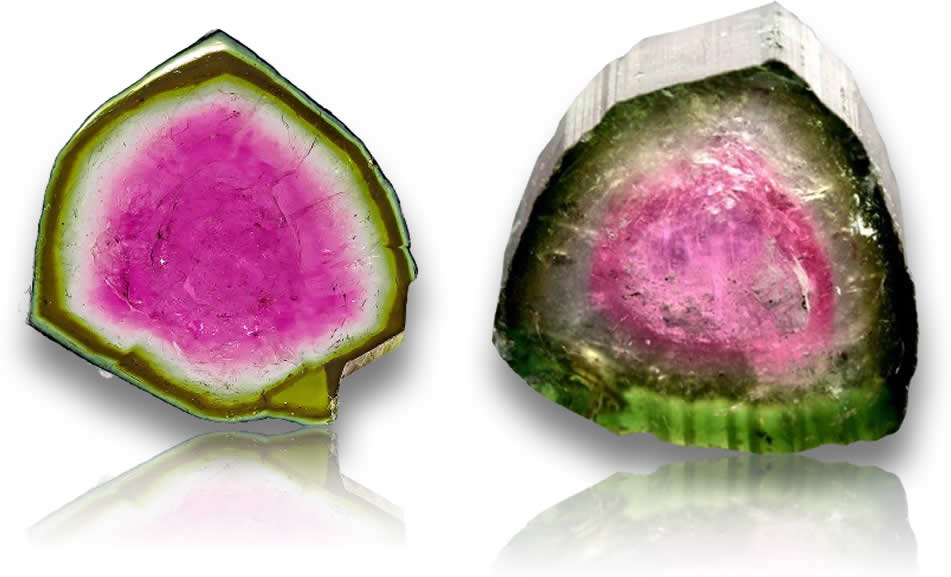
Angular Zoning
Angular zoning occurs when color distribution within a gemstone follows a specific geometric shape or angle. Examples of this type of zoning can be found in ametrine and tourmalines, such as the Watermelon Tourmaline.
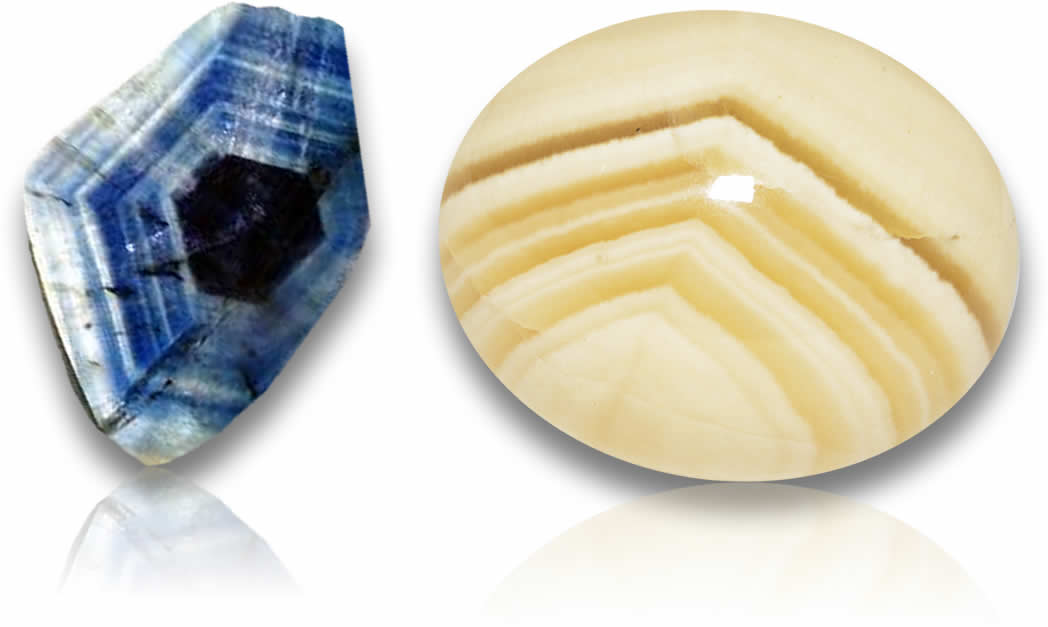
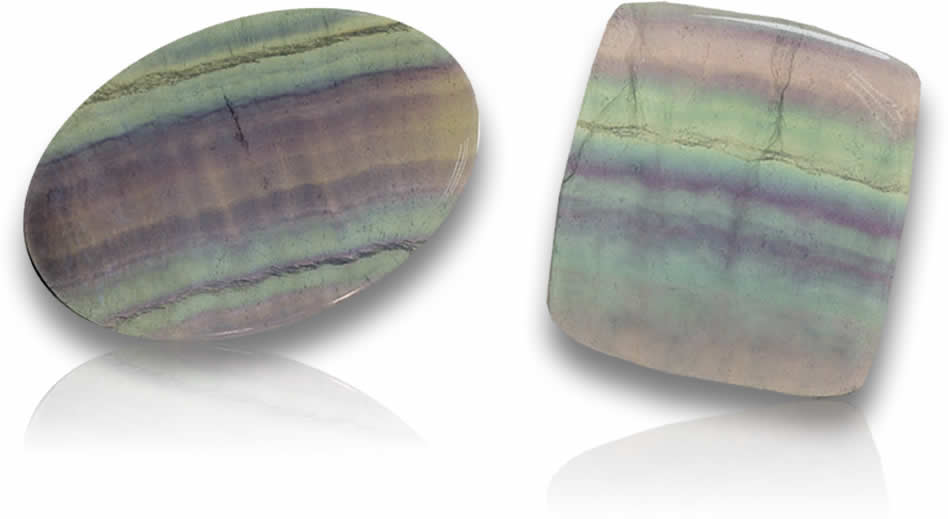
Striped Zoning
Striped zoning occurs when lines of color are present, creating a striped pattern in the gemstone. This type of zoning is commonly observed in banded agates, such as the Botswana Agate.
Cloudy Zoning
Cloudy zoning occurs when patches of color appear in a cloudy or hazy formation within the gemstone. This type of zoning is commonly found in quartzes, such as the Rutilated Quartz.
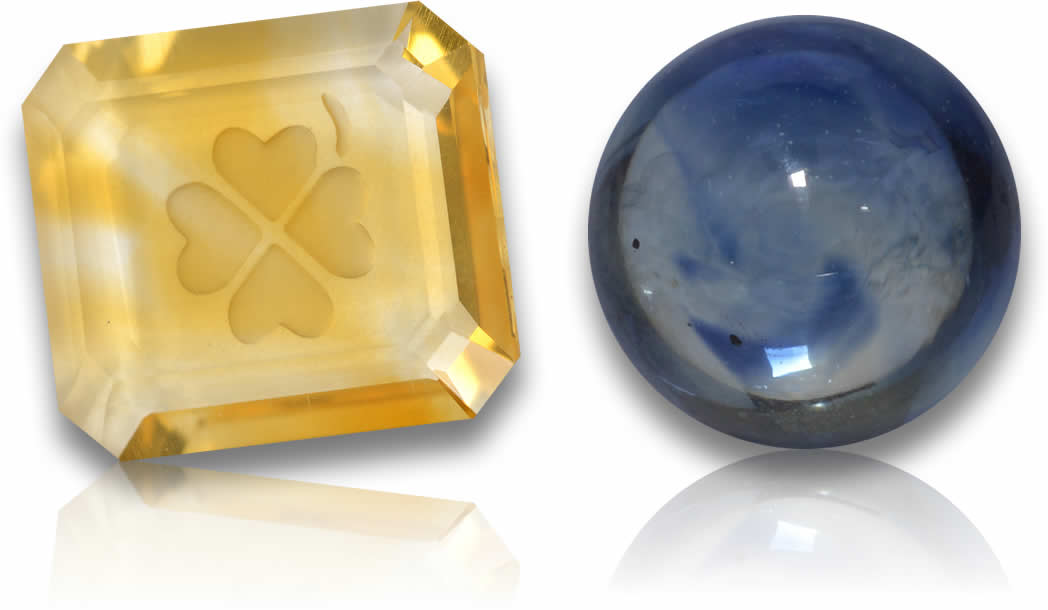
Fun Fact: The term "rutilated" refers to the tiny golden needles of rutile that are present in the cloudy zones of the Rutilated Quartz.
Target Zoning
Target zoning occurs when bullseye-like rings of color are present in the gemstone. This type of zoning is commonly found in jaspers, such as the Orbicular Jasper.
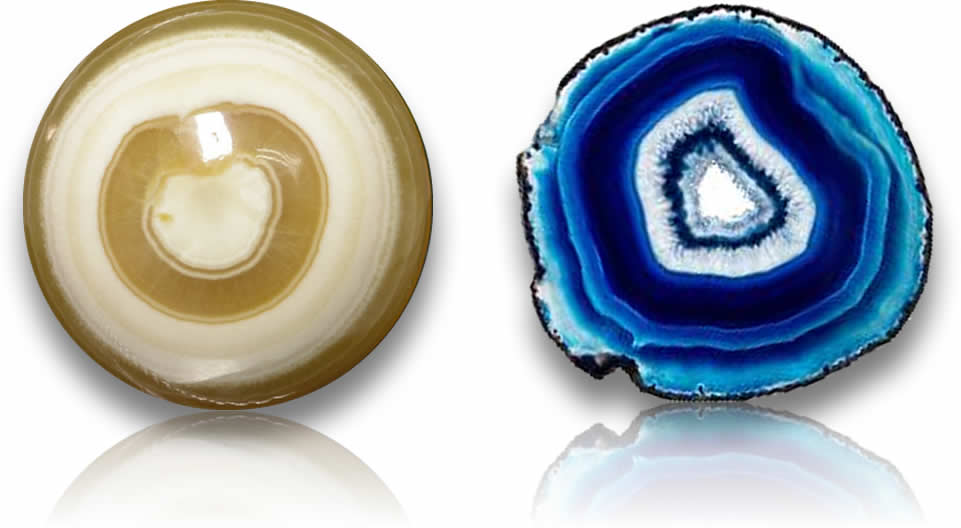
Understanding the different types of color zoning in gemstones can aid in the evaluation and appreciation of each stone's unique beauty.
Evaluating Color Zoning in Gemstones
Gemstone grading is the process of evaluating a gemstone's quality and determining its value. One of the most important factors in gemstone grading is the level of color variation and zoning. It is essential to evaluate the color zoning in a gemstone to determine its overall beauty and value.
Gemstone color variation refers to the differences in color intensity, saturation, and hue throughout a gemstone. Color zoning occurs when these variations are unevenly distributed, resulting in visible patterns or areas of different colors.
| Grading Criteria | Description |
|---|---|
| Color Variation | Evaluates the extent of variation in color throughout the gemstone |
| Color Zoning | Looks at the pattern and distribution of color within the gemstone |
Gemstone grading professionals use a variety of tools and techniques to evaluate color zoning. A colorimeter can measure the exact hue and saturation levels of different areas of the gemstone, and a loupe can be used to closely examine the color distribution and patterns.
The presence of color zoning can have both positive and negative impacts on a gemstone's value. In some cases, color zoning can create unique and desirable patterns, enhancing the gemstone's beauty. However, excessive zoning or poorly distributed color can significantly reduce a gemstone's value and appeal.
It is important to note that different gemstone varieties have varying levels of tolerance for color zoning. For example, some gemstones such as ametrine, tourmaline or sapphire are expected to have some degree of zoning, while others like emerald are more highly valued when they exhibit uniform coloration.
Gemstone color grading is a complex process that takes into account multiple factors beyond just color zoning. However, understanding the impact of color variation and zoning on gemstone grading is a crucial aspect of evaluating gemstones for their overall quality and value.
Minimizing or Enhancing Color Zoning in Gemstones
At times, color zoning can negatively impact the beauty and value of a gemstone. This section focuses on the strategies employed by gemstone professionals to address and correct such issues.
Re-Cutting: One of the most common techniques to minimize color zoning is re-cutting the gemstone. The objective of re-cutting is to redistribute the color zones resulting in a more even color distribution that would enhance the overall appearance of the gemstone. However, this technique is not always practical, especially for rare or valuable gemstones, as it may significantly reduce the weight and size of the stone.
Treatment: Another technique is to apply certain treatments to the gemstone to reduce the impact of color zoning. These treatments include heat treatment, irradiation, and diffusion. Heat treatment, for instance, can help to even out the color distribution by dissolving some of the impurities that cause the color zoning effect. It is essential to note that not all gemstones can undergo treatment. Furthermore, treatments may affect the value of the gemstone, so it is crucial to understand the potential effects before applying them.
Selection of Specific Gemstone Varieties: The impact of color zoning varies from one gemstone variety to another. Some gemstones, such as tourmaline, tanzanite, and bicolored sapphire, have zoning patterns that are considered attractive and add to the value of the gemstone. In contrast, other gems, such as emerald and ruby, are sought-after for their uniform color distribution. Therefore, selecting specific gemstone varieties can effectively enhance or minimize the impact of color zoning.
Examples
| Gemstone Variety | Color Zoning Pattern | Action |
|---|---|---|
| Tanzanite | Blue-Purple Zoning | Enhance: The blue-purple zoning is a considered valuable and attractive in tanzanite, and it can enhance the overall beauty and value of the gemstone. |
| Emerald | Uneven Green Distribution | Minimize: Emeralds with uneven green distribution have lower value and are not considered desirable. |
| Sapphire | Bicolored Zoning | Enhance: Bicolored sapphires with well-defined zoning patterns are sought-after by collectors and connoisseurs. |
It is essential to note that the above examples only serve as a reference for techniques employed to minimize or enhance color zoning. The actual techniques and actions required for each gemstone will depend on various factors such as the type and intensity of color zoning, rarity of the gemstone, and personal preference.
Overall, color zoning in gemstones is a fascinating phenomenon that can significantly impact the beauty and value of a gemstone. By understanding the various techniques employed to minimize or enhance color zoning, one can appreciate the craft behind the creation of beautiful and unique gemstones.
Conclusion
In conclusion, we hope this comprehensive guide has provided valuable insight into the world of gemstone color zoning. Understanding the various factors that contribute to color patterns, variations, intensity, and distribution is crucial in gemstone grading and evaluation.
Gemstone color zoning can have a significant impact on a stone's value and desirability, making it vital for gemstone professionals to have the necessary knowledge and expertise to evaluate and manipulate these effects. Techniques such as re-cutting, treatment, and selection of specific gemstone varieties can be employed to minimize or enhance color zoning as needed.
By gaining knowledge about color zoning, one can appreciate the unique beauty and intricacies of gemstones even more. Gemstones are fascinating creations of nature, and color zoning is just one aspect that adds to their wonder.
Thank you for reading our guide, and we hope it has been informative and engaging. Feel free to refer to this guide whenever you need to understand gemstone color zoning in more depth.
FAQ
What is color zoning in gemstones?
Color zoning refers to variations in color intensity, patterns, and distribution within a single gemstone. It can create unique effects and patterns, making each gemstone truly one-of-a-kind.
What factors influence color zoning in gemstones?
Several factors can contribute to color zoning in gemstones, including gemstone grading, the presence of certain elements and impurities, and environmental factors. These factors can influence the color variation and zoning observed in gemstones.
What are the different types of color zoning in gemstones?
There are various types of color zoning commonly observed in gemstones, each with its own distinct effects and patterns. These zoning variations can range from concentric bands to irregular patches, creating visually striking gemstones.
How is color zoning evaluated in gemstones?
Gemstone experts analyze and grade gemstones with color zoning based on its impact on the gemstone's value and desirability. Techniques such as visual inspection, spectroscopy, and color grading systems are used to assess the quality of gemstones with color zoning.
Can color zoning in gemstones be minimized or enhanced?
Yes, gemstone professionals employ various strategies to minimize or enhance color zoning effects. Techniques such as re-cutting, treatment, and selection of specific gemstone varieties can be used to achieve the desired color distribution and patterns in gemstones.






