Your Details
Forgot your password?
Your Details
|
Reviewed By Andreas Zabczyk
Classifying GemstonesThere are different ways of organizing the world's gemstones. The science of mineralogy sorts the various minerals into ten different mineral classes, based on their chemical composition. The classes include basic elements, sulfides, halides, oxides and hydroxides, carbonates and nitrates, phosphates, silicates and organic substances. Within these classes are species. Each species has a well-defined chemical composition and a physical (usually crystalline) structure. Some of the most important gemstone species, include beryl, corundum, chrysoberyl, quartz, zircon, spinel, spodumene, topaz, opal and zoisite. In some cases, minerals with a common structure but slightly different chemical formula make up a group, such as the garnet group, the feldspar group or the tourmaline group.
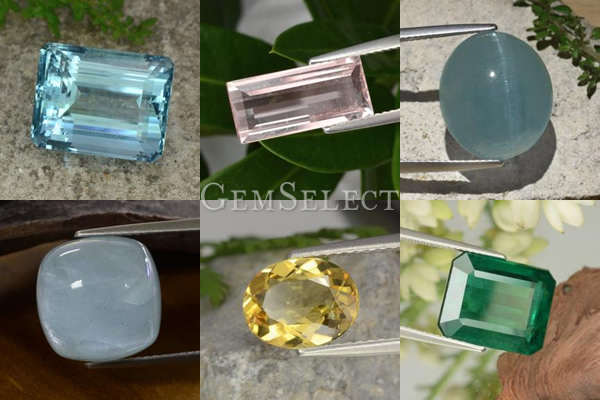
Each species may have one or more varieties. Gemstone varieties are less rigorously defined, but are usually distinguished by color or some distinctive optical phenomenon. Varieties of the corundum species include ruby, star ruby, sapphire and star sapphire. The different colors of sapphire - yellow, pink, green and white - are sometimes referred to as distinct varieties of corundum. Quartz has a large number of varieties, ranging from the familiar amethyst and citrine to less well known varieties such as chrysoprase. Other species, such as zoisite, have only a few varieties. The zoisite varieties include tanzanite, thulite and anyolite. Yet other species have no distinct varieties at all. Peridot is an example, since peridot occurs only in green. The varieties of some species have developed such a strong identity of their own that many consumers fail to recognize them as belonging to one species. This is true of members of the beryl species; emerald, aquamarine, goshenite, morganite and golden beryl.
In a rather different way of organizing gemstones, Walter Schumann provides a commercial classification that arranges gemstones into the following groups:
About Us
Overall Rating -> 9 Nothing bad to report. Everything is as expected. The gems and the price are all very good. Posted By Dafanatic in August, 2025 Source: Bizrate Overall Rating -> 9 I wish there were options for jewelry settings Posted By Tim in May, 2025 Source: Bizrate Overall Rating -> 10 It was my second time so I understand what it is to do Posted By Ibie in February, 2025 Source: Bizrate Overall Rating -> 10 I am never let down by GemSelect. I love that you get the exact stone you want. Shipping is always in a few days. I have spread the word about GemSelect on social media jewelry creating groups that I attend. This sapphire is going to make one gorgeous ring Posted By Desertchick in April, 2025 Source: Bizrate Overall Rating -> 10 love the site, the experience and the products. Posted By Ckingpots in July, 2025 Source: Bizrate Overall Rating -> 9 Plan on purchasing on an ongoing basis. So far.....so good.... Posted By Jim in January, 2026 Source: Bizrate Related Articles Gemstone Type List Gemstone List - Names, Colors & Types of Gems | GemSelect Gemstones By Color Gemstones by Color: Color Guide for Gemstones, All Colors Gemstone Identification Gemstone Identification Beryl Family Beryl Family - The Royal family of the gem kingdom Collecting Gemstones Collecting Gemstones - Could anyone ever gather them all? Cat's Eye Gems Cat's Eye Gemstone: A rare optical effect | GemSelect Feldspar Gemstones Feldspar Gemstone Information - Elegance & Variety Rocks As Gems Rocks As Gems Advanced Gem Analysis Advanced Gem Analysis Colored Gem Groups Colored Stones: Guide to Gemstone Groups & Types - GemSelect Blue Gemstones Blue Gemstones - A Complete List of Blue Gems | GemSelect Colored Gem Clarity Grades Colored Gemstone Clarity Grade Table |