


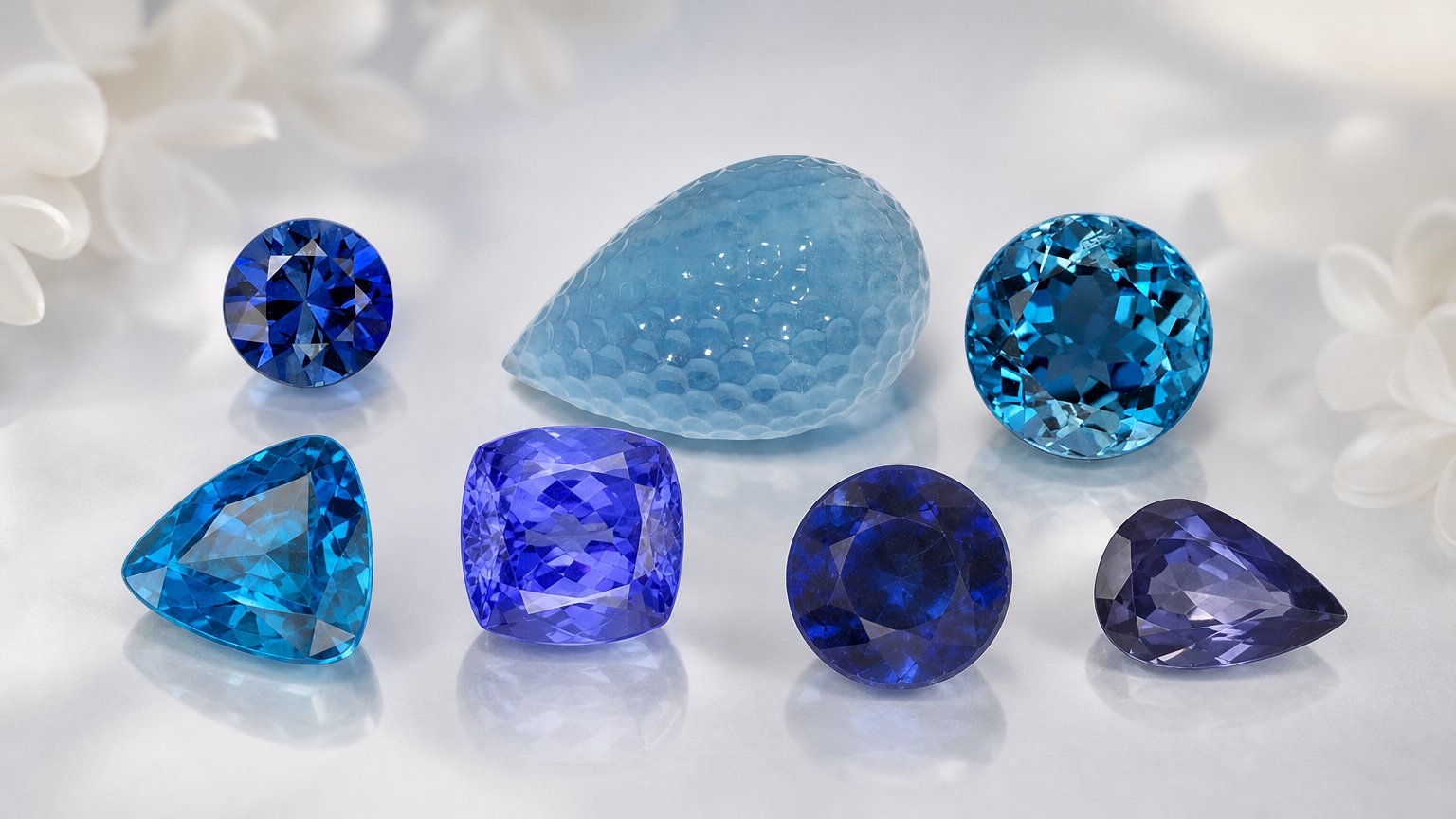
Blue gemstones are especially versatile for earrings because the color family is so wide. A pair of blue gemstone earrings can look soft and airy in pale sky blue or aquamarine, bright and modern in electric blue, refined in teal, or dramatic in deep royal and navy blue. Earrings also expose gemstones to less abrasion and impact than rings, so buyers can consider some attractive blue stones that may be too delicate for frequent-wear ring designs.
For jewelers and buyers choosing loose blue gemstones for earrings, the best choice depends on more than color. Matching pairs, gemstone dimensions, cut style, weight, durability, treatment, setting design and budget all influence the finished earrings. The guide below compares the most useful natural blue gemstones for studs, drops, dangles and statement earrings.
Best Natural Blue Gemstones for Earrings
Blue Sapphire
Blue sapphire is one of the premier choices for blue gemstone earrings. It offers excellent hardness, strong wearability and a color range that includes lighter blue, vivid blue and deep blue. Sapphire is suitable for everyday stud earrings, refined drop earrings and high-value designs where durability matters.
Many blue sapphires are heat treated to improve color or clarity, and untreated sapphires are also available. Treatment status can affect value, so it is worth checking when comparing loose stones or matched pairs. For earrings, the most important visual point is that the two stones match well face-up in color, tone and cut.
Aquamarine
Aquamarine is a classic choice for light blue gemstones for earrings. It is usually pale to medium blue or blue-green and is often admired for its clean, transparent appearance. Because aquamarine can be attractive in larger sizes, it works especially well in elegant drop earrings, pear shapes, ovals and elongated step cuts.
Aquamarine has a softer visual effect than sapphire or blue zircon. It is ideal when the design calls for an airy, refined or bridal look rather than a highly saturated blue.
Blue Topaz
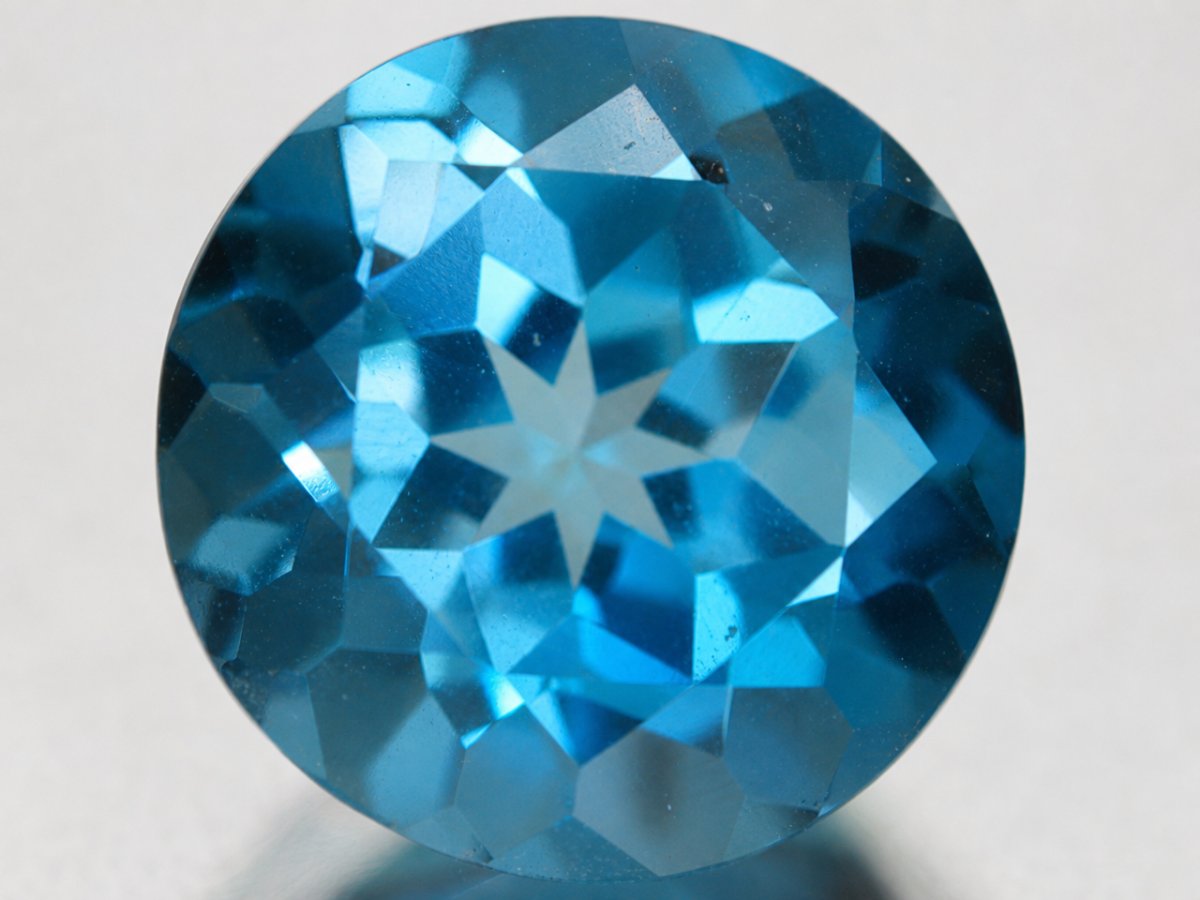
Blue topaz is one of the most practical choices when size, matching and budget are important. It is widely recognized in shades such as Sky Blue, Swiss Blue and London Blue. Sky Blue Topaz gives a lighter look, Swiss Blue Topaz is brighter and more vivid, and London Blue Topaz offers a darker blue to blue-green appearance.
Most blue topaz owes its color to treatment, commonly involving irradiation followed by heat. This is normal for the gem trade, but it should be understood when comparing natural loose gemstones. Blue topaz is especially useful for calibrated pairs, larger drops and statement earrings where the design needs noticeable size without excessive cost.
Blue Zircon
Blue zircon is valued for strong brilliance, high dispersion and vivid blue color. It can look exceptionally lively in earrings, especially in round, oval and cushion cuts. Zircon is a natural gemstone and should not be confused with cubic zirconia, which is a different man-made material.
Although zircon has good hardness for earrings, it can be somewhat brittle and facet edges may show wear if knocked repeatedly. Protective settings, careful storage and avoiding rough handling are sensible for long-term use.
Tanzanite
Tanzanite is loved for its blue to blue-violet appearance and strong visual appeal. Earrings are one of the best jewelry uses for tanzanite because they receive considerably less wear than rings. This makes tanzanite suitable for dress earrings, drop earrings and refined dangle designs.
Heat treatment is commonly used for tanzanite to bring out its blue to violet-blue color. Buyers should choose tanzanite earring pairs by face-up color, orientation and cut because the gem can show different colors from different directions.
Blue Tourmaline and Indicolite
Blue tourmaline, often called indicolite, is a more distinctive option for buyers who want less conventional blue stones for earrings. Colors may range from blue to greenish-blue and teal. This makes tourmaline particularly appealing for designers working with oceanic, contemporary or mixed-color palettes.
Matching blue tourmaline pairs can require more attention because color and tone vary from stone to stone. When well matched, indicolite and teal tourmaline can make elegant studs, drops or custom earrings with a more individual character than common commercial blues.
Blue Spinel
Blue spinel is durable, attractive and suitable for earrings, including studs. Natural blue spinel ranges from grayish or steely blue to stronger blue hues. It is generally much rarer than common blue commercial stones, so matching pairs may take more searching than blue topaz or aquamarine.
Spinel is a practical choice when the buyer wants a natural blue gemstone with good wearability and a slightly different personality from sapphire.
Kyanite
Kyanite can show attractive sapphire-like blues, which makes it tempting for earrings. However, it is considerably more delicate than sapphire and has directional hardness, meaning it can behave differently depending on crystal direction. It is better suited to protected earrings than high-impact jewelry.
For kyanite earrings, choose secure settings and avoid designs where the stone edges are exposed to frequent knocks. It is best for occasional-wear earrings rather than hard everyday use.
Iolite
Iolite is usually violet-blue to blue and is known for pleochroism, meaning it can show different colors from different viewing directions. This optical character can make iolite earrings interesting, especially in designs that move slightly in the light.
Iolite is generally an affordable and relatively lightweight option for many earring designs. Pair matching should focus on the face-up appearance because orientation can strongly affect visible color.
Labradorite and Rainbow Moonstone with Blue Effects
Labradorite and rainbow moonstone deserve a separate mention because their blue appearance is not the same as a gemstone with a blue body color. Their blue flashes come from optical phenomena: labradorescence in labradorite and adularescence or related light effects in moonstone varieties.
These gems can be beautiful in dangle and statement earrings, especially with cabochon cuts, but they should not be evaluated like sapphire, topaz or aquamarine. Look for attractive blue flash, good orientation, pleasing shape and secure settings. They require more care than the most durable blue gemstones.
Which Shade of Blue Is Right for Your Earrings?
Gemstone colors do not fit into rigid categories, but grouping them by visual impression helps narrow the choice.
- Light / Sky Blue: Aquamarine, Sky Blue Topaz and lighter blue sapphires suit soft, elegant and understated earrings.
- Bright / Vivid Blue: Swiss Blue Topaz, blue zircon and vivid blue sapphire create lively earrings with stronger color impact.
- Deep / Dark Blue: London Blue Topaz and darker blue sapphire are good for dramatic designs, but cut quality is important so the center does not appear overly dark.
- Blue-Violet: Tanzanite and iolite add a violet component, which can look rich and distinctive in evening or dress earrings.
- Blue-Green / Teal: Indicolite tourmaline, teal sapphire and similar stones suit buyers who want a less traditional blue.
Lighting, saturation, tone, cut and the individual character of each gemstone can significantly change how blue gemstone pairs look. Always judge loose blue gemstones for earrings face-up and, if possible, compare them under the type of lighting in which the earrings will be worn.
Practical Comparison of Blue Gemstones for Earrings
| Gemstone | Typical Blue Appearance | Mohs Hardness | Earring Durability | Relative Price Level | Good For |
|---|---|---|---|---|---|
| Blue Sapphire | Light to vivid, deep or royal blue | 9 | Excellent for everyday earrings | Moderate to high, depending on quality and treatment | Studs, fine jewelry, durable blue gemstone earrings |
| Aquamarine | Pale to medium blue or blue-green | 7.5-8 | Good for earrings with normal care | Moderate, varies with color and size | Elegant drops, larger light blue earrings |
| Blue Topaz | Sky Blue, Swiss Blue or London Blue | 8 | Good, but avoid hard knocks | Low to moderate | Calibrated pairs, larger earrings, budget-friendly designs |
| Blue Zircon | Bright, vivid blue with strong brilliance | 6.5-7.5 | Very attractive in earrings; protect facet edges | Moderate, varies by size and quality | Sparkling studs and drops |
| Tanzanite | Blue to blue-violet | 6-7 | Good for earrings; less ideal for high-impact wear | Moderate to high, depending on color and size | Dress earrings, blue-violet drops |
| Indicolite Tourmaline | Blue, greenish-blue or teal | 7-7.5 | Good for earrings with sensible care | Moderate to high for fine blue material | Teal gemstones, distinctive custom earrings |
| Blue Spinel | Grayish, steely or stronger blue | 8 | Very good for earrings | Moderate to high; fine pairs may be rarer | Durable studs and refined alternative blue stones |
| Kyanite | Sapphire-like blue | Directional, about 4.5-7 | Best in protected earrings | Low to moderate | Occasional-wear earrings with rich blue color |
| Iolite | Violet-blue to blue, pleochroic | 7-7.5 | Suitable for many earrings with care | Low to moderate | Affordable blue-violet earrings |
| Labradorite / Rainbow Moonstone | Blue flash or sheen rather than blue body color | About 6-6.5 | Needs more care and secure settings | Low to moderate, varies by effect and size | Cabochon dangles and statement earrings |
Best Blue Gemstones by Earring Style
Blue Stones for Stud Earrings
Stud earrings benefit from stones that are durable, well matched and not overly deep in color. Blue sapphire, blue spinel, blue zircon and blue topaz are strong candidates. Sapphire and spinel are especially practical for everyday studs, while zircon offers extra brilliance and topaz makes it easier to find matching gemstone pairs in standard dimensions.
For studs, round, cushion and small oval shapes are usually easy to set and visually balanced. Matching face-up size is often more important than exact carat weight because the stones are worn on opposite ears.
Blue Gemstones for Drop Earrings
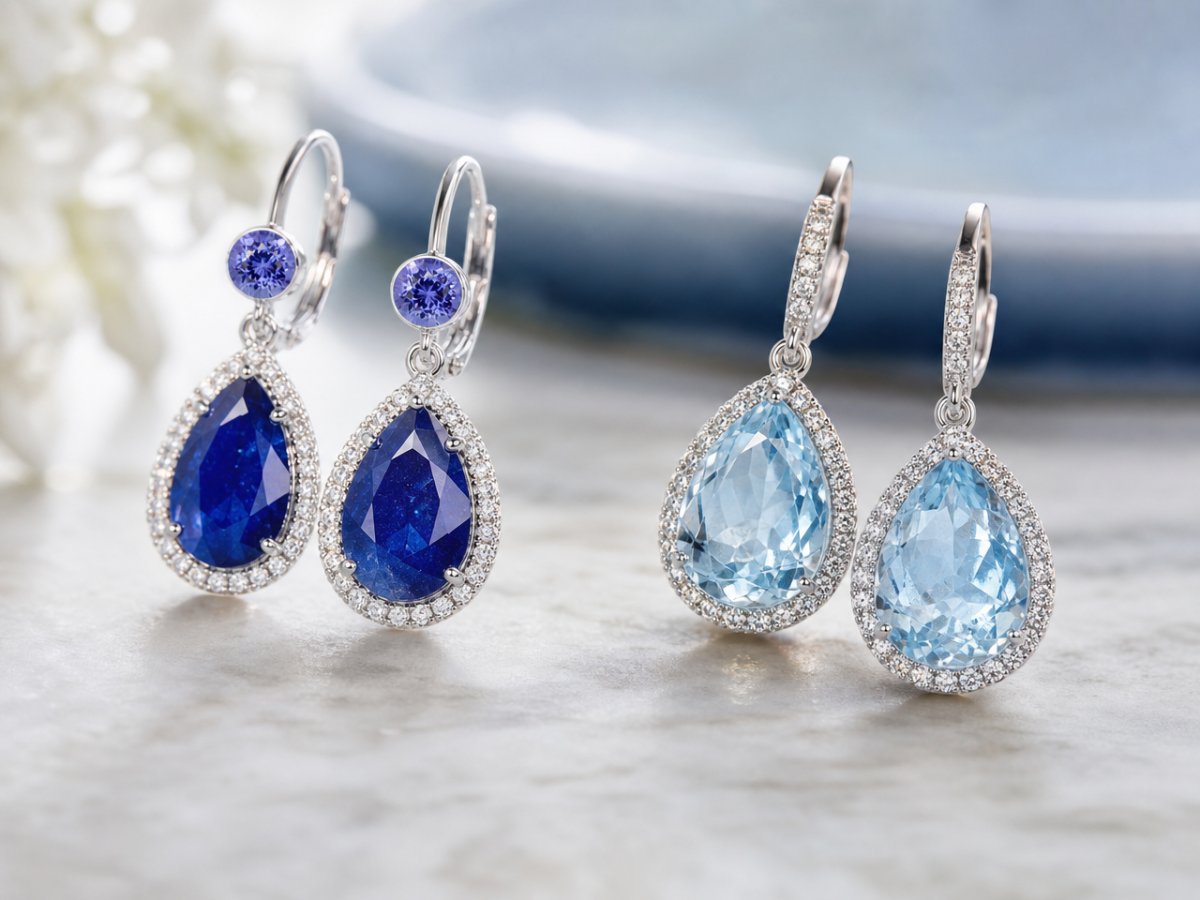
Drop earrings can show color and shape beautifully. Aquamarine, blue topaz, tanzanite, tourmaline and blue zircon all work well, especially in oval, pear, marquise and octagon cuts. The movement of a drop earring can make brilliant stones look livelier and can help pleochroic stones such as tanzanite and iolite show changing color.
For frequent-wear drops, consider durability and the security of the setting. More delicate stones can still be excellent choices if the design protects corners and exposed edges.
Dangle and Statement Earrings
Dangle and statement earrings often need larger stones or a combination of several stones. Larger aquamarine and blue topaz are useful because they can provide visible size and color. Labradorite, rainbow moonstone and quartz-based materials can also work where the design calls for larger dimensions or dramatic movement, provided the setting protects the gem.
Weight matters in large earrings. A beautiful design can become uncomfortable if the gemstones, metal and findings are too heavy for the wearer. For statement earrings, balance stone size with comfort, setting strength and intended frequency of wear.
Shapes and Cuts for Blue Gemstone Earrings
The shape of a loose gemstone strongly affects the finished look of the earrings. Round stones are classic for studs and halo settings. Oval stones are versatile and work well for both studs and drops. Cushion cuts give a softer, elegant outline and are popular for refined stud designs.
Pear shapes are excellent for drop earrings because they naturally create a downward line. Emerald and octagon cuts emphasize clarity and a clean geometric look, making them effective for aquamarine, topaz and tourmaline. Marquise stones can make earrings look longer and more delicate, but pointed ends should be protected.
Cut quality is especially important with dark blue gemstones. If a dark sapphire, London Blue Topaz or deep blue spinel is cut too deep, the center may appear almost black. A good earring stone should show attractive face-up color, balanced brilliance and a shape that suits the setting.
How to Choose Matching Blue Gemstone Pairs
Matching pairs are one of the most important considerations when buying loose blue gemstones for earrings. A pair should normally be matched for dimensions, shape, color, tone, saturation, cut style and overall face-up appearance.
Exact carat-weight matching is less important than visual matching. Two gemstones can have slightly different weights but still look like a pair if their millimeter dimensions and face-up color match well. This is especially true in earrings, where the stones are separated by the wearer’s face rather than placed side by side.
Calibrated pairs can simplify jewelry manufacture. Standard dimensions such as common round, oval or pear sizes make it easier to select ready-made settings, reduce adjustment work and keep production predictable for small jewelers and designers.
Some blue gemstones are harder to match than others. Strong color zoning, pleochroism or natural variation can make two stones look different even if their measurements are close. Tanzanite, iolite and indicolite tourmaline should be checked carefully for face-up color. Labradorite and rainbow moonstone should be matched for the strength and direction of their blue flash, not just size.
When shopping at GemSelect or selecting from any loose gemstone inventory, compare the measurements, photos and descriptions carefully. For custom earrings, start with the setting style and required dimensions, then choose the best matched blue gemstone pair for that design.
Durability, Settings and Care
Earrings experience less abrasion and impact than rings, which is why the range of suitable blue gemstones is broader. Durable choices such as sapphire and spinel are excellent for everyday blue gemstone earrings. Aquamarine, topaz, zircon, tourmaline and iolite can also be practical with sensible care and appropriate settings.
More delicate choices such as tanzanite, kyanite, labradorite and rainbow moonstone should be worn and stored with greater care. Protective bezels, secure prongs and designs that avoid exposed points can help reduce risk. For pear, marquise and step-cut stones, protect tips and corners whenever possible.
Cleaning should be gemstone specific. Warm water, mild soap and a soft cloth are often the safest starting point for many gemstones, but ultrasonic and steam cleaning are not universally appropriate. Avoid harsh chemicals, sudden temperature changes and storing earrings loose together where stones can scratch or strike each other.
So, Which Blue Gemstone Is Best for Your Earrings?
Choose blue sapphire or spinel if durability and everyday wear are the top priorities. Choose aquamarine for elegant light blue drops, blue topaz for affordable size and easy matching, blue zircon for brilliance, and tanzanite for blue-violet dress earrings. Choose indicolite tourmaline or teal sapphire for a less conventional blue-green look, and consider labradorite or rainbow moonstone when a blue flash effect is part of the design.
The best blue gemstones for earrings are the stones that fit the intended color, style, setting, durability needs and budget. For loose blue gemstone pairs, judge the stones as finished earrings will be seen: face-up, matched in appearance and suitable for the design.
