


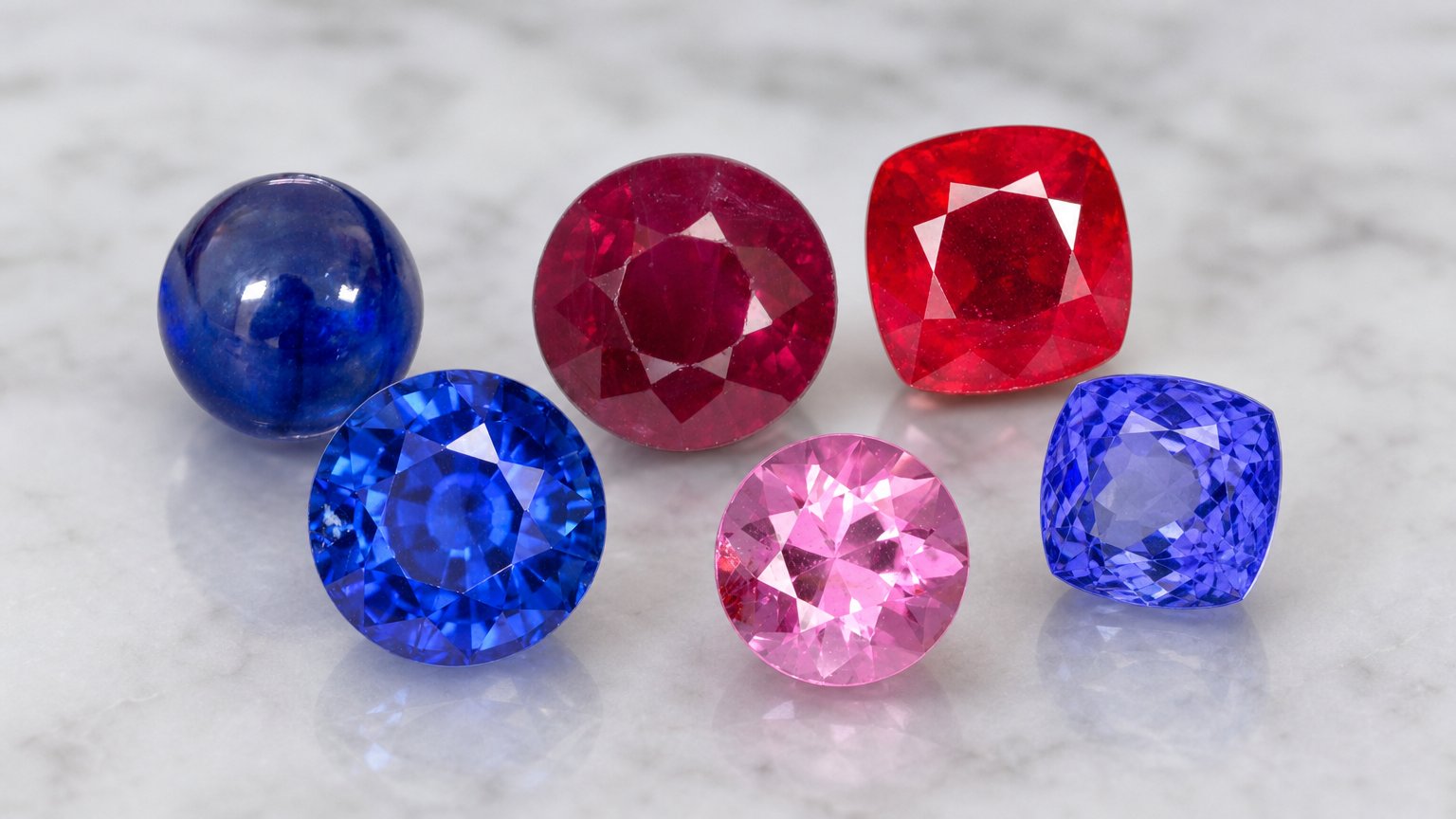
Stud earrings are one of the most gemstone-friendly jewelry designs. The stones sit close to the ear, are less exposed to knocks than rings, and usually use small, secure settings that let color show clearly near the face. This makes studs an excellent choice not only for very durable gems such as sapphire and ruby, but also for attractive stones that may need more caution in rings.
This guide focuses on choosing natural loose gemstones before they are set. For shoppers, jewelers and jewelry makers, the key is not simply choosing a beautiful gem type; it is choosing two stones that look like a true pair, fit the intended settings and remain comfortable to wear.
Why Colored Gemstones Work So Well in Stud Earrings
Earrings experience far less abrasion and impact than everyday rings. A ring stone may rub against desks, door handles, metal objects and other jewelry throughout the day. Stud earrings, by contrast, are relatively protected on the earlobe. This means gemstones for earrings do not always need the extreme hardness usually recommended for daily-wear rings.
Small colored stones also perform well in studs because the design is simple. A round, oval, cushion or cabochon gemstone can be the main visual feature without competing with a complex setting. Since stud earrings are worn close to the face, color, brightness and evenness between the two stones often matter more than large size.
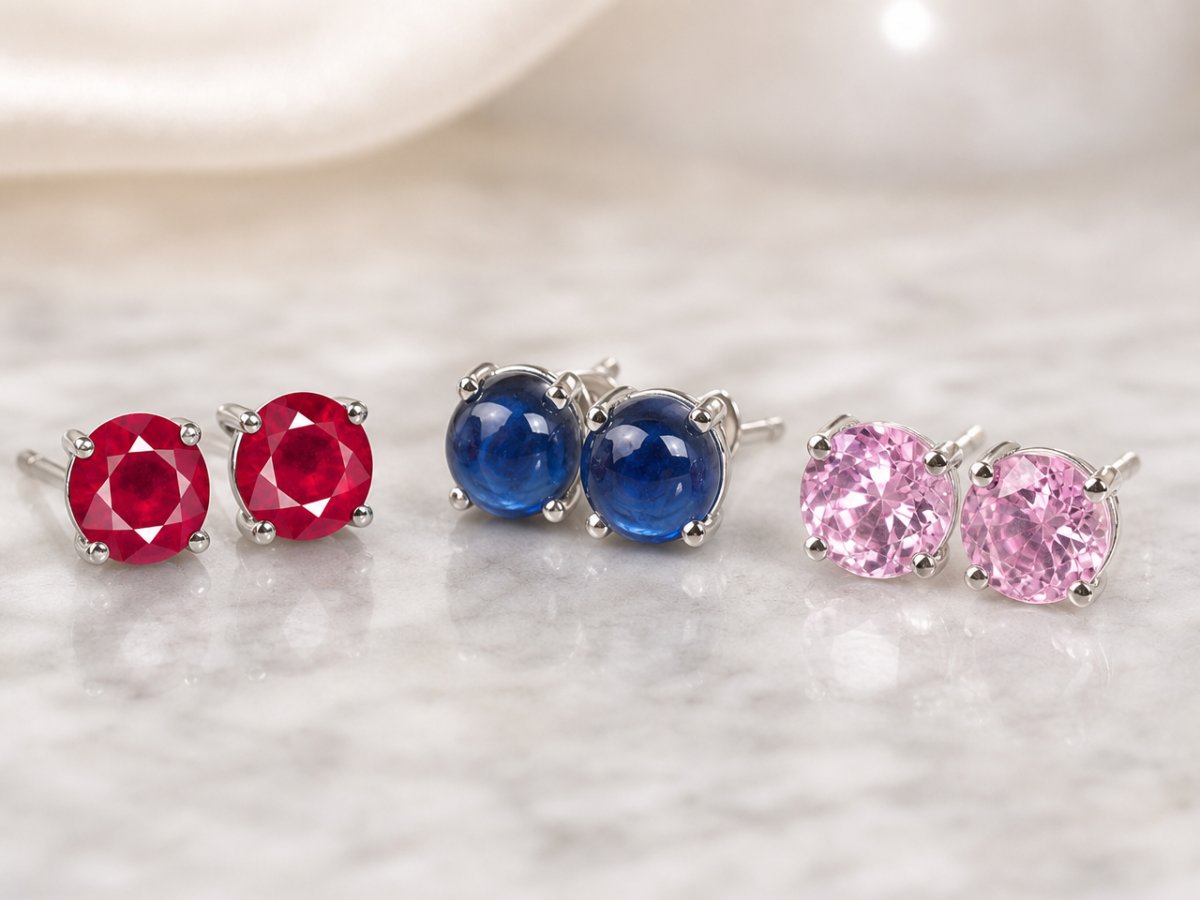
How to Choose Loose Gemstones for Stud Earrings
When buying loose gemstones for studs, judge them as a pair and as components for a setting. The most important factors are visible size, color match, cutting, durability and whether the stones can be set securely.
Durability and hardness
Mohs hardness is useful, but it is not the only durability factor. Sapphire and ruby are excellent for long-term wear because corundum has a hardness of 9. Spinel, topaz and aquamarine are also strong choices for earrings. Softer or more delicate stones such as moonstone and opal can still make beautiful studs because earrings are protected, but they need gentler handling, careful storage and avoidance of harsh cleaning.
Some gems have special care considerations even when they are reasonably hard. Topaz, for example, is hard but has cleavage, so it should be set and worn with sensible care. Zircon can be very brilliant but should be protected from sharp knocks. These issues are generally more manageable in studs than in rings.
Matched pairs matter more than exact carat weight
For earrings, the two stones should look balanced when worn. Matching color, tone, saturation, dimensions, shape, cutting style and face-up size is usually more important than finding two gems with exactly identical carat weights. A slight difference in carat weight may not be visible if the millimeter dimensions and visual appearance match well.
Carat weight also cannot be compared directly between different gemstone species because density varies. A 6 mm sapphire and a 6 mm amethyst will not have the same carat weight, but they may appear similar in size from the front. For earrings, millimeter dimensions are usually the best starting point.
Dimensions, calibrated sizes and setting fit
Commercial stud settings are commonly made for calibrated sizes such as 4 mm, 5 mm, 6 mm or 8 mm rounds and similar standard dimensions for ovals, cushions and squares. If you plan to use ready-made settings, choose calibrated gemstones or stones listed very close to the setting size. A bench jeweler should confirm acceptable tolerances, because prong style, basket design, girdle thickness and stone depth can all affect fit.
For custom settings, there is more flexibility, but matching dimensions still matters. Two 6 x 4 mm ovals will normally be easier to set as a balanced pair than two ovals with noticeably different length-to-width ratios.
Weight and wearer comfort
Large studs can pull on the earlobe, especially when the gemstones are dense or cut deeply. Visible diameter, total weight, metal setting weight and post placement all influence comfort. If the design uses large gems, consider secure backs and a setting that supports the stone close to the ear.
Color consistency, clarity and brilliance
Color match is especially important because the earrings are seen together. Compare the two gems face-up under the same lighting. The tone should not be noticeably darker on one side, and saturation should feel balanced. Minor inclusions are often acceptable in earrings, especially in colored gems, but avoid inclusions that distract from brilliance or make one stone look dull compared with the other.
Recommended Gemstone Sizes for Stud Earrings
Jewelers usually think in millimeters because settings are made to physical dimensions. Carat weight is still useful for inventory and pricing, but millimeter size tells you how large the earrings will appear.
- 3-4 mm: Small, neat and lightweight. Good for second piercings, children's jewelry, minimalist studs or higher-value gems where a discreet size is preferred.
- 5-6 mm: A very practical everyday range. These sizes show color clearly without feeling too heavy and are commonly available in calibrated settings.
- 7-8 mm: More noticeable on the ear and suitable for colored gemstone statement studs. At this size, depth and gemstone density become more important for comfort.
- Larger than 8 mm: Best for bold designs, cabochons, cocktail-style studs or special occasion pieces. Use supportive settings and secure backs, and check that the pair is not too heavy for the wearer.
Best Gemstones for Stud Earrings
Sapphire
Sapphire is one of the best all-around choices for gemstone studs. It is highly durable, suitable for frequent wear and available in blue as well as many fancy colors. Sapphire studs can look classic, modern or colorful depending on the shade and setting. Matched pairs are often practical to source in smaller calibrated sizes, although very precise matches in unusual colors may take more searching.
Ruby
Ruby offers a classic red look with the same excellent hardness as sapphire. It works well in simple prong or bezel studs where the color can stand alone. For matching, pay close attention to tone and saturation; one ruby that is slightly darker or purplish compared with the other can be noticeable when worn as earrings.
Spinel
Spinel is a strong stud earring candidate because it combines good hardness with attractive brilliance and a wide color range. Red, pink, lavender, gray, blue and other spinel colors can make refined matched studs. Natural matched pairs may be less routine in some colors than in more common calibrated gems, so buy the pair together when possible.
Garnet
Garnet is useful for studs because it offers many appearances, from deep red to orange, green and pink depending on variety. It is a good choice for rich color at modest sizes, and many garnets perform well as faceted studs. Durability varies by garnet type but is generally suitable for earrings with normal care.
Tourmaline
Tourmaline is valued for color variety, including pink, green, blue-green and multicolor stones. It is especially appealing for bright and individual stud designs. Matching pairs can be straightforward in some common colors and more difficult in unusual or strongly pleochroic stones, so compare the pair carefully in the same orientation and lighting.
Aquamarine
Aquamarine creates elegant pale blue to blue-green studs. It is generally durable enough for earrings and works well in faceted rounds, ovals and cushions. Because many aquamarines are light in tone, cutting quality and clarity are important; poorly cut stones may look washed out in small sizes.
Topaz
Topaz is popular for studs because it is available in a broad range of colors, including blue, colorless, golden and pinkish tones depending on variety and treatment. It has good hardness and often offers strong value in calibrated sizes. Because topaz has cleavage, it should be set carefully and protected from sharp blows, but studs are a suitable use.
Amethyst
Amethyst is a practical and attractive option for purple studs. It is commonly cut in rounds, ovals, cushions and other standard shapes, making matched pairs and calibrated sizes relatively accessible. For earrings, look for two stones with similar purple tone; one overly dark stone can look less lively than its mate.
Citrine
Citrine is a good choice for warm yellow to orange studs. It is part of the quartz family, like amethyst, and is suitable for earrings with normal care. Its bright color works especially well in simple yellow gold or white metal settings where the gemstone remains the focus.
Peridot
Peridot gives a fresh green look that shows well even in smaller sizes. It is softer than sapphire, ruby or spinel, but earrings are a practical jewelry use for peridot. Choose a matched pair with similar brightness and avoid stones that differ noticeably in yellowish or brownish undertone.
Tanzanite
Tanzanite can make elegant violet-blue studs and is especially attractive in small to medium sizes where the color remains visible without creating heavy earrings. It is more delicate than sapphire, so it is best for thoughtful wear rather than rough handling. Earrings are one of the more suitable jewelry choices for tanzanite because they reduce exposure to abrasion.
Zircon
Zircon is known for high brilliance and lively dispersion, making it an excellent choice when sparkle is the goal. Blue, white, golden and other zircon colors can work well in studs. Zircon should be protected from hard knocks and rough wear, but in earrings it can be a very effective faceted gemstone.
Moonstone
Moonstone is usually chosen for its soft glow, known as adularescence, rather than sharp sparkle. It is commonly cut as a cabochon and can create subtle, luminous studs. Because it is softer than many faceted gems, bezel settings or protected designs are sensible, and the stones should be stored separately from harder jewelry.
Opal
Opal can be beautiful in stud earrings because its play-of-color is easy to see close to the face. Although opal is relatively soft and requires care, earrings are one of the better jewelry formats for it. Avoid ultrasonic cleaning, harsh chemicals, heat shock and rough handling. If buying opal pairs, match body color, play-of-color pattern, brightness, dome height and face-up size.
Compact Comparison: Gemstones for Stud Earrings
| Gemstone | Mohs hardness | Typical appearance | Matched pair availability | Stud earring suitability |
|---|---|---|---|---|
| Sapphire | 9 | Blue and many fancy colors | Often practical in small calibrated sizes; rare colors may take more searching | Excellent for everyday or premium studs |
| Ruby | 9 | Red to purplish red | Good in some sizes; color matching is critical | Excellent classic choice |
| Spinel | 8 | Red, pink, lavender, gray, blue and more | Good when bought as a selected pair; unusual colors can be harder to match | Very good for colorful fine studs |
| Garnet | 6.5-7.5 | Red, orange, green, pink and other varieties | Often good in common varieties; rarer colors require careful matching | Very suitable with normal earring care |
| Tourmaline | 7-7.5 | Wide color range, including pink and green | Variable; buy matched pairs when possible | Good for bright, individual designs |
| Aquamarine | 7.5-8 | Pale blue to blue-green | Generally practical in standard shapes | Excellent for subtle elegant studs |
| Topaz | 8 | Blue, colorless, golden and other colors | Often good in calibrated sizes | Good; set carefully due to cleavage |
| Amethyst and citrine | 7 | Purple, yellow and orange quartz | Often good in standard sizes | Practical for affordable colorful studs |
| Peridot | 6.5-7 | Fresh yellowish green | Usually practical in common sizes | Good for earrings with sensible care |
| Tanzanite | 6-7 | Violet-blue to blue-violet | Matching tone and orientation is important | Good for elegant studs, not rough wear |
| Zircon | 6.5-7.5 | Highly brilliant; blue, white, golden and more | Good in some colors and sizes | Excellent sparkle with protective care |
| Moonstone | 6-6.5 | Soft glow, often cabochon cut | Match glow, body color and dome shape | Good for protected cabochon studs |
| Opal | 5.5-6.5 | Play-of-color, translucent to opaque | Can be challenging; match color play and dome | Beautiful in earrings with careful wear and cleaning |
Best Gemstones by Desired Look
- Classic and elegant: sapphire, ruby, aquamarine, tanzanite and pearl-like moonstone cabochons.
- Bright and colorful: spinel, tourmaline, garnet, topaz, peridot and fancy sapphire.
- Maximum sparkle: zircon, sapphire, spinel, garnet and well-cut topaz.
- Subtle or pastel: aquamarine, pale sapphire, pastel spinel, rose or green tourmaline and moonstone.
- Unusual or distinctive: opal, moonstone, color-change or multicolor gems, distinctive garnet varieties and unusual sapphire colors.
- Affordable everyday studs: amethyst, citrine, garnet, blue topaz and peridot, depending on size and quality.
- Premium or luxury studs: fine sapphire, ruby, spinel, high-quality tanzanite and well-matched opal or rare-color gems.
Faceted vs Cabochon Gemstones for Studs
Faceted gemstones are best when you want brilliance, crisp color and sparkle. Round brilliant, oval, cushion, trillion and square cuts can reflect light strongly even in small sizes. Faceted sapphires, spinels, garnets, zircons, topaz and quartz gems are especially effective in simple prong studs.
Cabochons are best when the gem's beauty comes from glow, color play or surface effect rather than sparkle. Moonstone and opal are natural examples. Cabochon studs can look softer and more organic, and bezel settings often suit them well because the smooth dome is protected around the edge.
Useful Shapes for Gemstone Stud Earrings
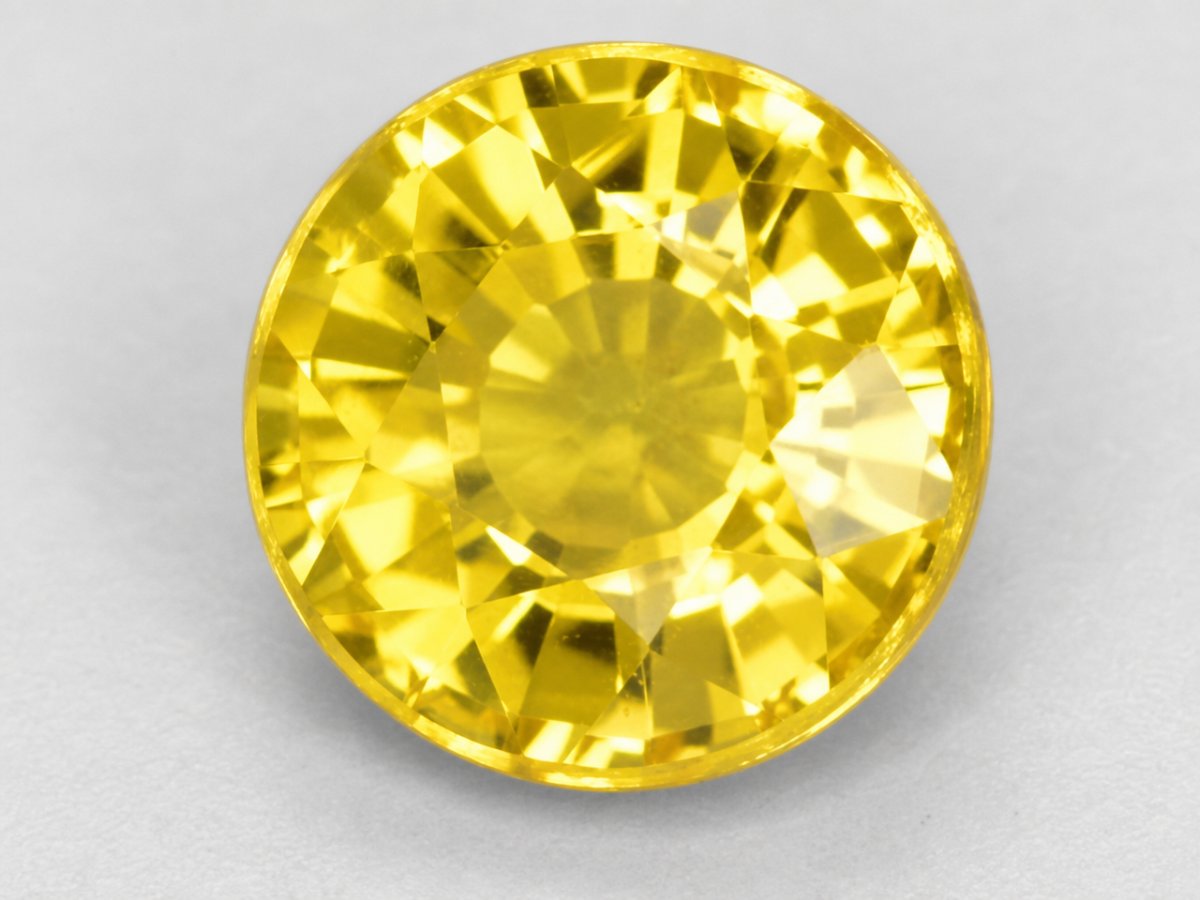
Round gemstones are the easiest choice for classic studs. They are widely supported by ready-made settings, simple to match visually and easy to orient on the ear. Rounds are also practical for jewelers because commercial setting sizes are common.
Oval gemstones give slightly more length and can appear larger face-up than rounds of similar weight, depending on cut. They are excellent for colored stones, but the pair should have a similar outline and length-to-width ratio.
Cushion and square or princess-style stones create a clean modern look. They work well in four-prong or bezel settings, but corners need proper protection. Trillion cuts can look lively and contemporary, especially in bright gemstones, while pear shapes are attractive but must be oriented consistently as a left-right pair if the design requires symmetry.
Practical Pair Selection for Jewelers and Jewelry Makers
Before ordering loose stones, decide whether the earrings will use stock settings or custom settings. For stock settings, start with calibrated dimensions and confirm the setting is intended for the same shape and approximate stone depth. A 6 mm round setting is not automatically suitable for every stone described as 6 mm if the girdle is unusually thick or the pavilion is very deep.
When inspecting a pair, compare the stones face-up on a white background and again against the metal color planned for the earrings. Check length, width, outline, table size, crown height, color tone, saturation, clarity and overall brightness. For cabochons, compare dome height and the position of optical effects such as play-of-color or adularescence.
If you are selecting from GemSelect loose gemstones, useful starting points include matched gemstone pairs, calibrated gemstones, gemstone shape filters and individual gem categories such as sapphire, ruby, spinel, garnet, tourmaline, topaz and opal. Buying a pair already matched by size and appearance is often easier than trying to combine two separate stones later.
A Note on Treatments and Care
Many colored gemstones are routinely treated to improve color or clarity. For stud earrings, treatments mainly matter when they affect disclosure, cleaning, repair heat or long-term care. Heat treatment in sapphire, ruby, tanzanite or zircon, and color treatments in some topaz, are examples where buyers should read the listing details and ask questions when necessary. Delicate gems such as opal should not be cleaned with ultrasonic machines or exposed to harsh conditions.
Conclusion
The best gemstones for stud earrings are the ones that combine the right color, matched appearance, comfortable size and suitable durability for the wearer. Sapphire and ruby are excellent for frequent wear, while spinel, garnet, tourmaline, aquamarine, topaz, quartz gems, peridot, tanzanite, zircon, moonstone and opal all offer useful design possibilities. Because studs are relatively protected, they open the door to a wider range of gemstones than many everyday ring designs.
