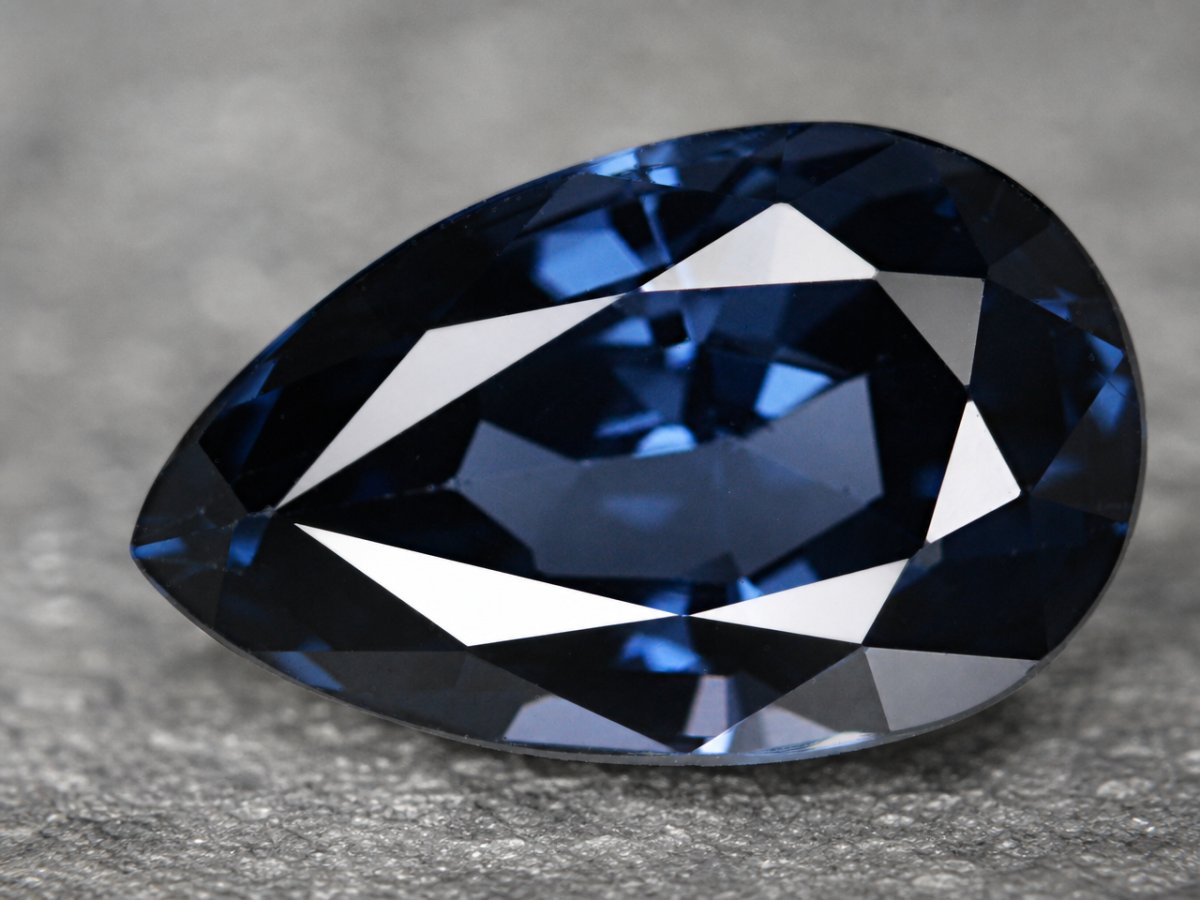


Blue spinel is a blue variety of the spinel gemstone species, valued by buyers who want a durable, attractive gemstone for jewelry or collecting. With a Mohs hardness of 8, it is suitable for many jewelry styles, including rings, pendants, earrings and even engagement rings when set and worn with appropriate care.
This guide focuses on the practical details that matter when choosing blue spinel: color, clarity, cut, size, durability, treatments, origin and intended use. Whether you are selecting a single stone for a custom ring or comparing several gems for a pendant or collection, these factors will help you buy with greater confidence.
What Is Blue Spinel?
Blue spinel is a member of the spinel gemstone family. Its chemical formula is MgAl₂O₄, and it crystallizes in the cubic, or isometric, crystal system. Gemologically, spinel is known for good hardness, appealing brilliance when well cut and a range of jewelry-friendly shapes.
For buyers, the most important point is that blue spinel is not a different species from spinel; it is the blue color variety of spinel. When comparing gemstones, make sure the listing identifies the stone clearly as spinel and provides the color, weight, dimensions and treatment status.
Color and Appearance: The First Buying Decision
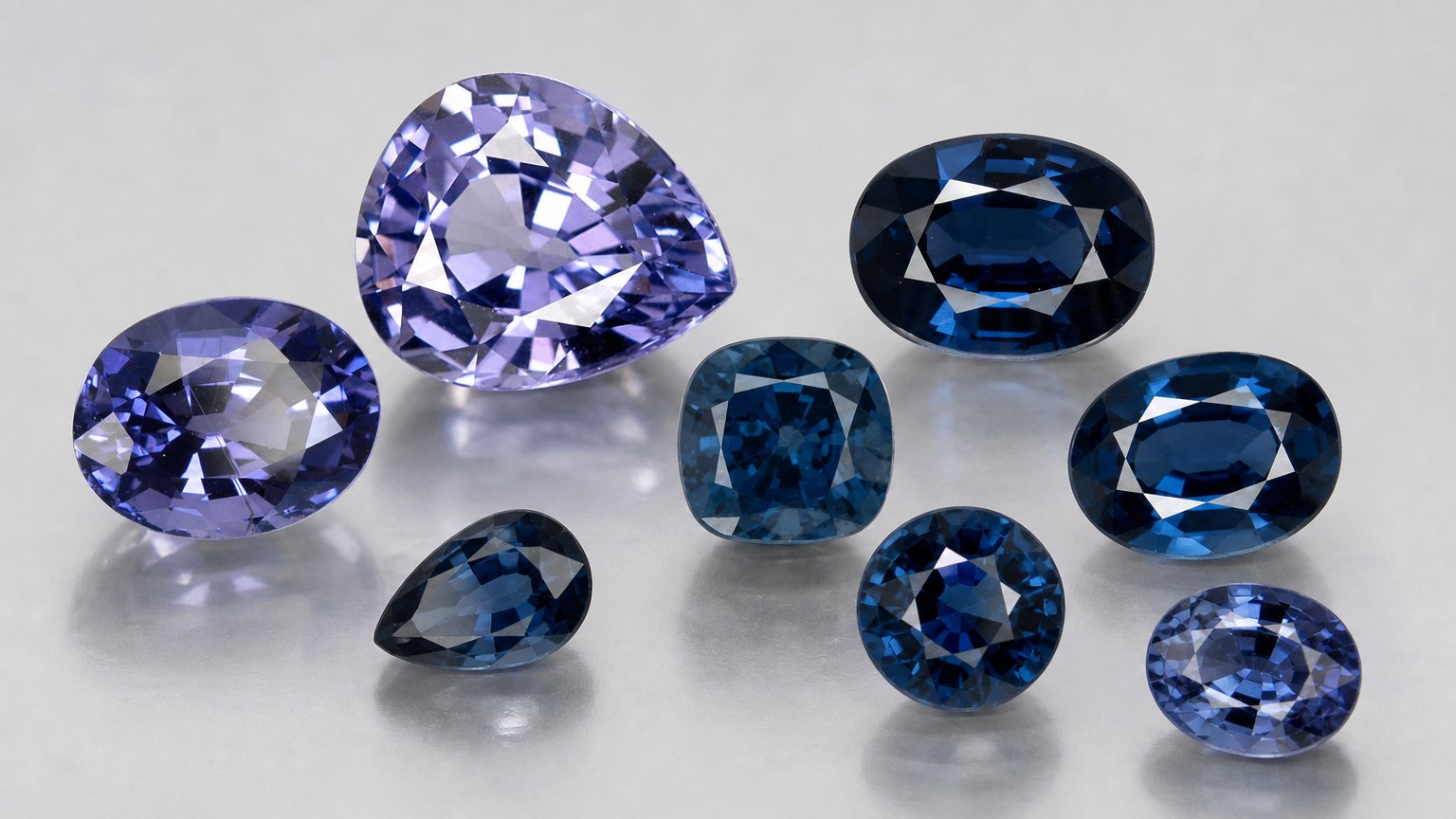
Color is usually the first feature buyers notice in blue spinel. Since the defining color is blue, your main decision is the exact look you prefer: lighter or deeper, brighter or more subdued, and whether the stone appears lively in the lighting where it will be worn.
When buying online, compare multiple photos or videos if available. A gemstone can look different under daylight, indoor lighting and direct light. For jewelry, consider how the blue will look against the chosen metal color and setting style. A stone that appears beautiful on its own should also suit the finished piece.
Clarity and Transparency
Clarity affects both appearance and buyer confidence. In practical terms, look for a blue spinel that appears clean and attractive to the unaided eye, especially for rings and pendants where the stone is viewed closely. Small internal features may be acceptable if they do not distract from the color or reduce the overall beauty of the gem.
For collector jewelry or larger stones, clarity details may matter more because the gem is examined more closely. Always review product photos carefully and check the seller's description for any notes about visible inclusions, surface-reaching features or other clarity characteristics.
Cut, Shape and Brilliance
Blue spinel is most commonly sold as a faceted gemstone. Faceting helps return light from the stone and can emphasize the gem's color and brilliance. Diamond-style cuts and step cuts are also seen, while cabochons are less common.
Cushion and oval shapes are especially common choices for blue spinel. Octagon and pear shapes are also popular, while round and trillion shapes may be selected for specific designs. The best shape depends on the jewelry project and your design preference.
When judging cut, do not focus only on the shape name. Look at the actual stone. A well-cut blue spinel should have balanced proportions, pleasing symmetry and good light return. Avoid stones that look overly dark in the center, washed out at the edges or uneven in outline unless the design specifically works with those features.
Size, Measurements and Setting Fit
Carat weight tells you how much the gemstone weighs, but measurements tell you how it will fit in jewelry. Two blue spinels of the same carat weight may have different face-up sizes depending on their depth and cut style. For rings, pendants and earrings, millimeter dimensions are often more useful than carat weight alone.
If you are replacing a stone or working with a ready-made setting, check the exact length, width and depth before buying. For custom jewelry, share the gemstone measurements with your jeweler so the setting can be made securely around the stone.
Origins of Blue Spinel
Blue spinel is associated with several important origins, including Tanzania, Vietnam, Sri Lanka, Madagascar and Myanmar. Origin can be interesting for collectors and may be part of a gem's identity, but the most useful buying approach is to evaluate the individual stone first.
Color, cut, clarity, size and treatment disclosure usually have a more direct effect on how the gemstone will look in jewelry. If origin is important to you, choose a seller that clearly states the origin when known and provides documentation when appropriate.
Durability and Jewelry Suitability
Blue spinel has a Mohs hardness of 8, making it a durable choice for many types of jewelry. It is suitable for rings, pendants, earrings and necklaces, and it can be considered for engagement rings when the setting protects the stone and the wearer understands normal gemstone care.
Hardness measures resistance to scratching, not complete resistance to damage. Any gemstone can chip or break if struck sharply, especially around exposed edges or points. For everyday rings, consider protective settings and avoid wearing the jewelry during heavy work, sports or activities where the stone may be hit.
Treatments and Disclosure
Blue spinel is commonly associated with untreated material. This is important for buyers because treatment status affects how a gemstone is described and compared. When purchasing, look for clear treatment disclosure in the product details.
If a seller lists a blue spinel as untreated, the description should be straightforward and transparent. For important purchases, especially larger stones or collector pieces, you may wish to request or review gemological documentation when available.
Gemological Properties Useful to Buyers
Blue spinel has a refractive index of 1.712-1.736 and a specific gravity of 3.58-4.06. These properties are mainly used for gem identification rather than everyday buying decisions, but they help gemologists distinguish spinel from other gemstones.
For most buyers, these numbers are less important than appearance, durability and seller disclosure. However, they become useful when confirming identity, comparing lab information or buying a gemstone for a serious collection.
Choosing Blue Spinel for Jewelry
Rings and Engagement Rings
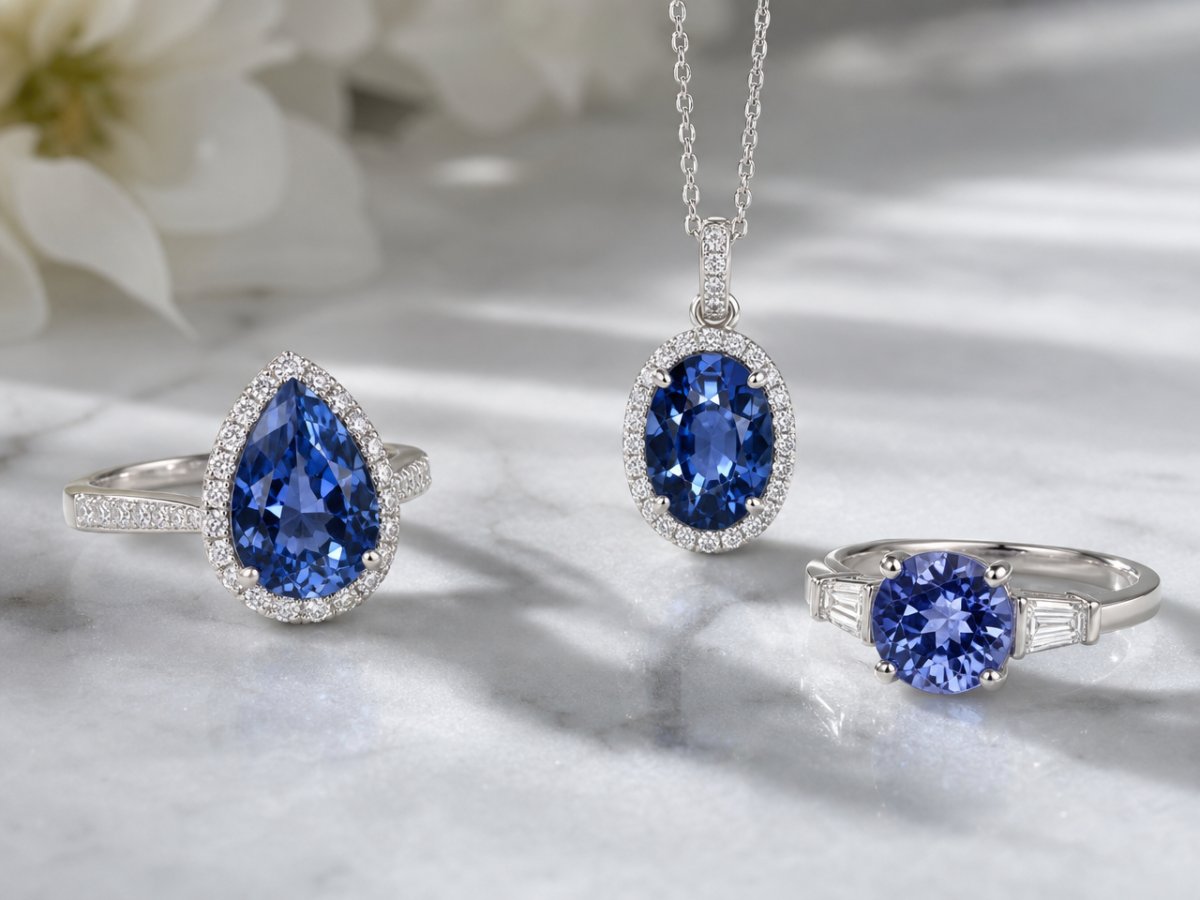
Blue spinel's hardness makes it a practical option for rings. For engagement rings or frequently worn rings, choose a secure setting and consider designs that protect the gemstone's edges. Cushion, oval and octagon shapes can work well, depending on the style of the ring.
Pendants and Necklaces
Pendants and necklaces place less impact stress on a gemstone than rings, so they are excellent uses for blue spinel. Pear, oval, cushion and octagon shapes can all create attractive pendant designs.
Earrings
For earrings, matching matters. If buying a pair, compare color, shape, size and overall brightness. Exact duplication is not always necessary, but the two stones should look harmonious when worn together.
Collector Jewelry
Collectors may pay closer attention to origin, size, clarity and documentation. For collector-focused purchases, keep records of invoices, origin statements and any gemological reports supplied with the stone.
Practical Blue Spinel Buying Checklist
- Start with color: Choose the shade of blue that looks best to you in the available images or videos.
- Check clarity: Look for a stone that appears attractive without distracting inclusions.
- Review the cut: A good faceted cut should show balanced shape, brightness and pleasing proportions.
- Compare measurements: Use millimeter dimensions, not only carat weight, especially for jewelry settings.
- Confirm treatment status: Blue spinel is commonly untreated, so clear disclosure is important.
- Match the stone to the jewelry use: Rings need secure settings; pendants and earrings allow more design flexibility.
- Buy from a transparent seller: Product details should include species, color, size, shape, treatment and origin when known.
Buying Blue Spinel from GemSelect
When comparing blue spinel at GemSelect, use the product details to evaluate the gemstone's shape, size, weight, color appearance, treatment status and origin information when listed. For custom jewelry projects, review the exact dimensions and share them with your jeweler before finalizing a setting.
Summary
Blue spinel is a durable and attractive blue gemstone suitable for a wide range of jewelry, from rings and pendants to earrings and collector pieces. The best choice is not based on a single factor. A confident purchase comes from balancing the color you prefer, the clarity you find acceptable, a well-proportioned cut, suitable measurements and clear treatment disclosure.
For most buyers, the most important questions are simple: Does the blue color appeal to you? Is the cut lively and balanced? Is the size right for your design? Is the stone clearly described as untreated or otherwise disclosed? If the answer is yes, blue spinel can be an excellent gemstone choice for both jewelry and collection use.