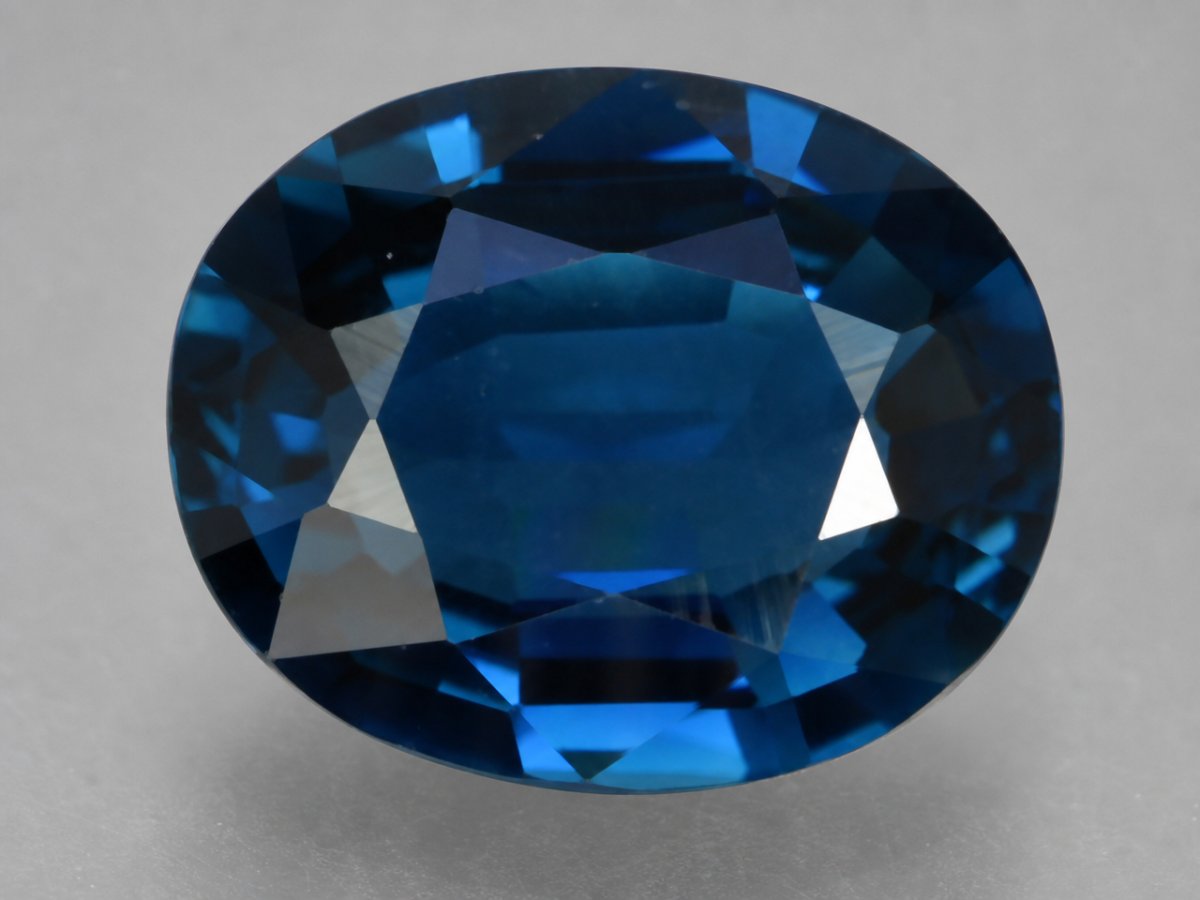


Blue tourmaline is a blue variety of tourmaline, valued by buyers who want a distinctive colored gemstone with good wearability and a refined appearance. It belongs to the elbaite mineral species and is suitable for many types of jewelry, including rings, earrings, pendants and necklaces.
This buying guide focuses on the practical details that matter when choosing blue tourmaline: color, cut, clarity, size, durability, treatment disclosure, origin and jewelry setting. Whether you are selecting a loose gemstone from GemSelect or planning a custom design, the goal is to help you compare stones confidently.
What Is Blue Tourmaline?
Blue tourmaline is a blue member of the tourmaline gemstone group and is associated with the elbaite mineral species. Its gemological profile includes a trigonal crystal system, a refractive index of 1.614-1.666 and a specific gravity of 3.02-3.26. Its chemical formula is Na(Li₁.₅Al₁.₅)Al₆(Si₆O₁₈)(BO₃)₃(OH)₄.
For buyers, the most important point is that blue tourmaline combines attractive blue color with a Mohs hardness of 7-7.5, making it durable enough for many jewelry applications when set and cared for properly.
Color: The First Buying Decision
Color is usually the first feature buyers notice in blue tourmaline. Since this gemstone is defined by its blue color, compare stones by how pleasing the blue appears to your eye under normal viewing conditions. Look for a color that suits the intended jewelry design, whether you prefer a lighter, brighter appearance or a deeper blue look.
When comparing loose stones online, review all available images and details rather than relying on a single photo. Gemstones can look different depending on lighting, cut and screen settings. A well-cut blue tourmaline should display its color attractively across the face of the stone, without appearing overly dark in the center or weak at the edges.
Cut and Shape: How They Affect Appearance
Blue tourmaline is commonly faceted, which makes sense for buyers who want brilliance, light return and a more traditional fine-jewelry look. Faceted stones are especially practical for rings, earrings and pendants where sparkle and symmetry are important.
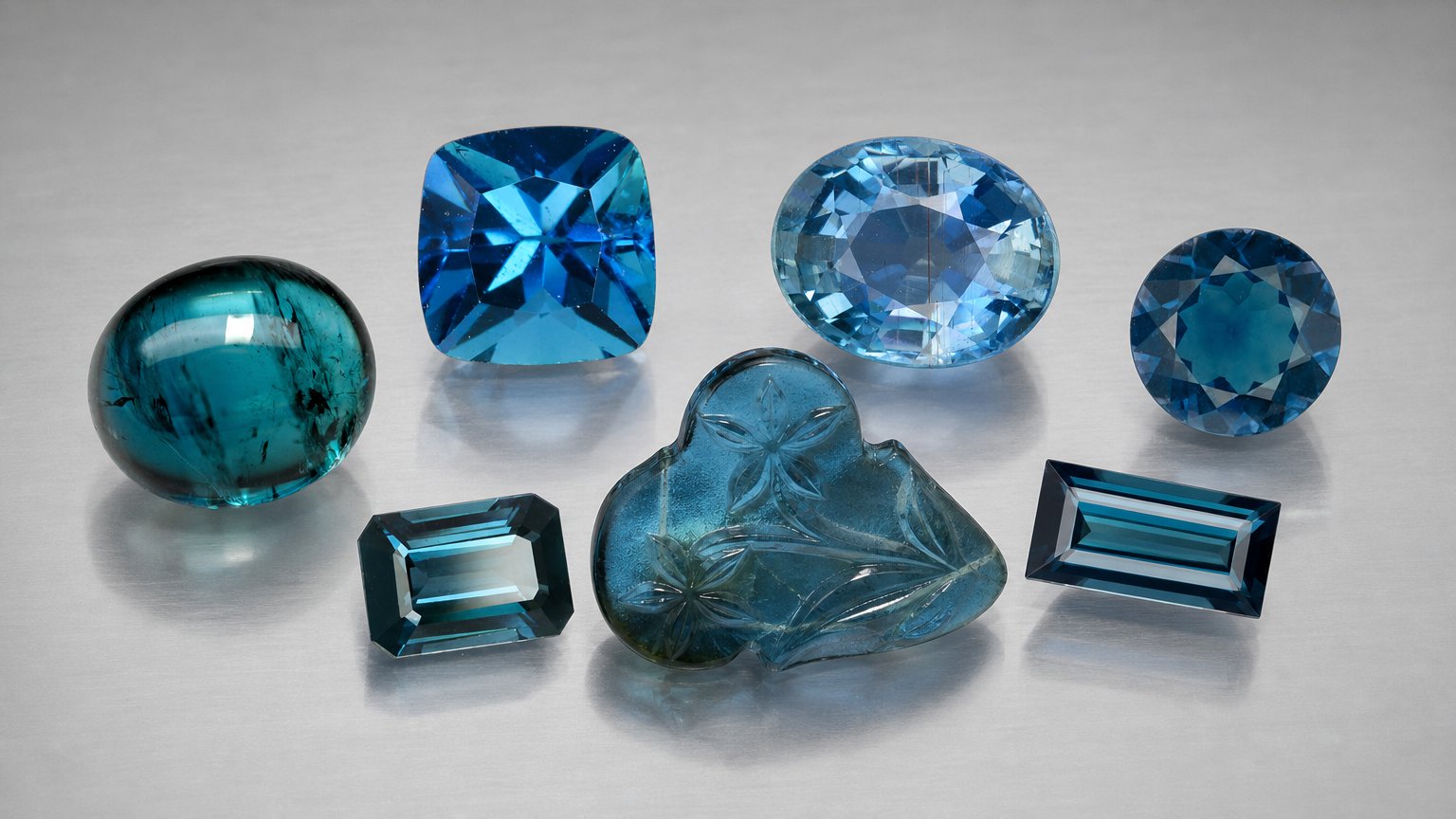
Popular shapes include octagon and oval, both of which work well for showcasing color. Cushion, pear and round shapes are also seen and can suit different design styles. Marquise and trillion shapes may appeal to buyers looking for a more distinctive outline.
Cabochons are also used for blue tourmaline. A cabochon has a smooth, domed surface rather than facets, giving a softer, more understated look. Carving cuts, slice cuts and carved shapes such as cameos or flowers are more design-specific options and are best chosen when the shape itself is central to the jewelry concept.
Clarity and Transparency
Clarity should be judged by how the gemstone looks in normal viewing, not only by magnification. For faceted blue tourmaline, buyers usually want a stone that appears attractive face-up, with inclusions that do not distract from the color or reduce transparency. Inclusions near the surface, large fractures or obvious internal features should be evaluated carefully, especially for rings.
For cabochons, carvings and slices, clarity expectations can be different because the cutting style emphasizes color, form or surface pattern rather than brilliance. The key question is whether the stone's natural features enhance the look or interfere with the intended design.
Size and Proportions
Blue tourmaline is available in many jewelry-friendly shapes, so buyers should consider measurements as well as carat weight. Two stones of the same weight can face up differently depending on their depth and cutting style. For a ring or pendant, the millimeter size often matters more than the carat number because it determines how the gem will fit the setting and appear on the body.
Before buying, check the length, width and depth. This is especially important for custom jewelry, matched earrings or replacement stones, where accurate dimensions are essential.
Durability and Jewelry Suitability
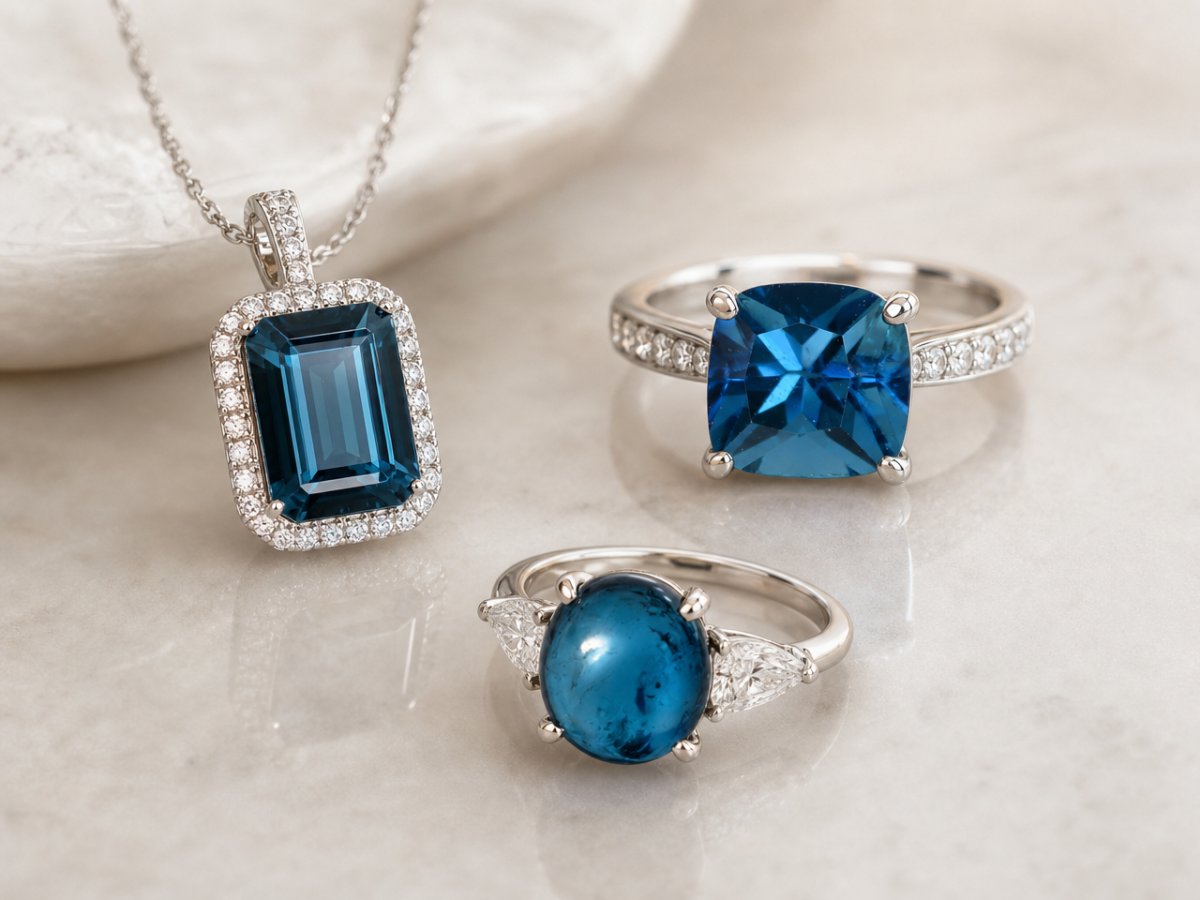
With a Mohs hardness of 7-7.5, blue tourmaline is suitable for a wide range of jewelry. It can be used in rings, including statement rings, but ring stones receive more knocks and abrasion than earrings or pendants. For everyday ring wear, choose a secure setting and avoid exposing the gemstone to unnecessary impact.
Earrings and pendants are excellent choices for blue tourmaline because they are less exposed to hard wear. Necklaces can also work well, especially when the design protects the stone from repeated impact against harder surfaces.
Treatments and Disclosure
The verified treatment category for blue tourmaline in this guide is untreated. When buying, look for clear treatment disclosure from the seller. Untreated status is useful information because it helps buyers understand what they are purchasing and compare stones more confidently.
If treatment information is important for your purchase, keep records such as the invoice, product details or any available gem report. This is especially helpful for collectors, designers and buyers purchasing a stone for a significant custom piece.
Origin: Useful, But Not the Only Factor
Blue tourmaline is associated with origins including Brazil and Mozambique, with other known sources including Namibia, Afghanistan, Madagascar, Nigeria and the United States. Origin can be interesting to collectors and may be part of a stone's identity, but it should not replace direct evaluation of the gemstone itself.
For most jewelry buyers, appearance, cut quality, size, durability and treatment disclosure are more practical decision factors than origin alone. A beautiful, well-cut stone from any known source may be the better choice than a less attractive stone chosen only for locality.
Blue Tourmaline as an October Birthstone Option
Tourmaline is associated with October, making blue tourmaline a meaningful choice for October birthstone jewelry. Its blue color gives buyers an alternative look within the broader tourmaline family while still connecting to the month's birthstone tradition.
Practical Buying Checklist
- Choose the color first: Select the blue appearance that best suits your taste and jewelry design.
- Check the cut: For faceted stones, look for pleasing brightness, symmetry and balanced color across the face.
- Review clarity face-up: Avoid inclusions or surface-reaching features that distract from beauty or may affect durability.
- Compare measurements: Use millimeter dimensions, not only carat weight, when planning jewelry.
- Match the stone to the setting: Rings need more protective settings than earrings and pendants.
- Confirm treatment disclosure: Look for clear information stating whether the gemstone is untreated.
- Consider origin as context: Origin is interesting, but beauty and suitability should guide the final decision.
Summary
Blue tourmaline is a practical and attractive choice for buyers who want a blue gemstone with good jewelry versatility. Its hardness of 7-7.5 supports use in rings, earrings, pendants, necklaces and statement designs, provided the setting is appropriate for the intended wear.
When buying, focus on the stone's blue color, face-up appearance, cut quality, clarity, dimensions and treatment disclosure. Origin can add interest, but the best choice is the stone that looks right, fits the design and comes with clear, trustworthy product information.