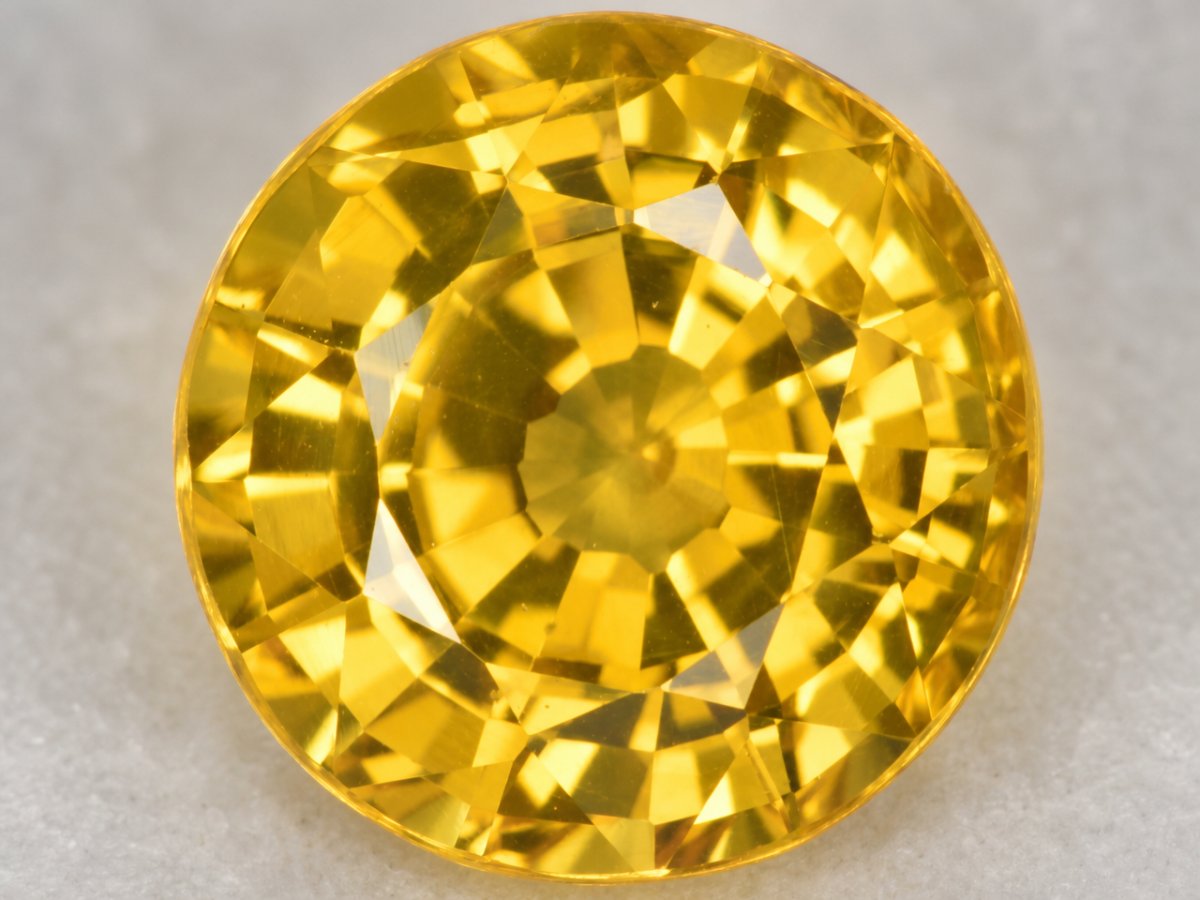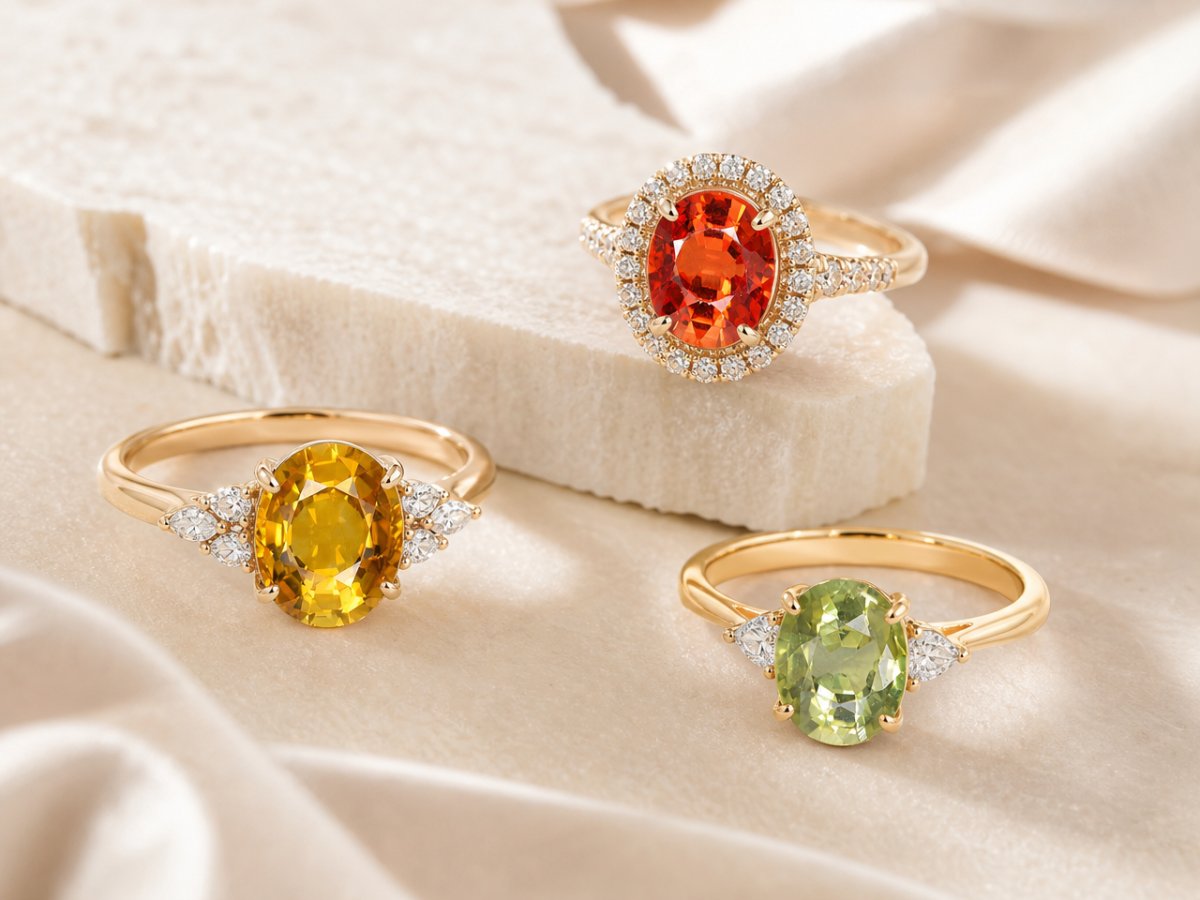


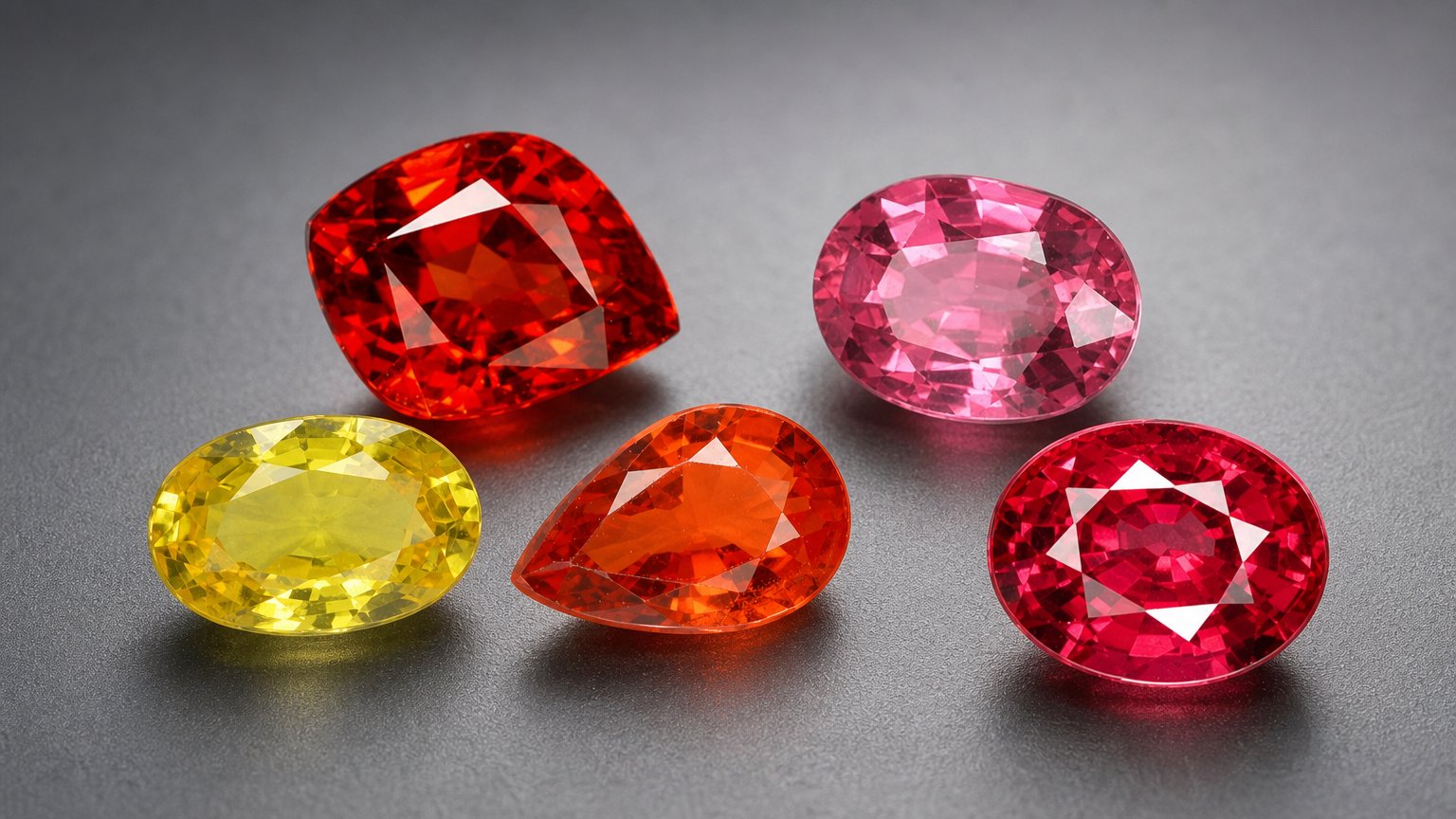
Songea sapphire is a Tanzanian variety of sapphire known for attractive fancy colors, especially orange and yellow, along with blue, green, purple, violet and occasional multicolor stones. For buyers, the most important decisions are color preference, treatment disclosure, cutting quality, durability needs and whether the gem suits the intended jewelry design.
As a sapphire, Songea sapphire belongs to the corundum mineral species. This gives it excellent hardness and makes it a practical choice for many types of jewelry, including rings, pendants, earrings and bracelets. The guide below explains what to look for before buying.
What Is Songea Sapphire?
Songea sapphire is sapphire associated with Tanzania. Mineralogically, it is corundum with the chemical formula Al₂O₃. Like other sapphires, it has a trigonal crystal system and a Mohs hardness of 9.
The name is most useful to buyers as an origin and trade descriptor. It does not replace the need to evaluate the individual gemstone. Two Songea sapphires can look very different depending on color, cut, clarity, size and treatment history.
Color: The Main Buying Factor
Color is usually the first feature buyers notice in Songea sapphire. Orange and yellow are especially important colors for this material, while blue, green, purple and violet stones are also encountered. Some gems may show more than one color, giving a multicolor appearance.
When comparing stones, look for a color that is appealing in normal viewing conditions rather than under only one type of lighting. A vivid but balanced color is generally more attractive than a stone that appears overly dark, overly pale or uneven. If a gem is multicolor, check whether the color zoning adds character or distracts from the overall look.
For jewelry design, color should also be considered alongside metal choice. Yellow and orange sapphires can look warm in yellow gold, while white metals may create stronger contrast. Blue, green, purple and violet stones can suit either warm or cool settings depending on the design.
Cut, Shape and Face-Up Appearance
Songea sapphires are commonly faceted to bring out brilliance and color. Diamond-style cuts and step cuts may also be used, while cabochons are an option when a smooth, domed appearance is preferred.
Popular shapes include oval, pear and round, with cushion and square shapes also common. Heart, marquise, octagon and trillion shapes may be available for more specific design needs.
When buying, judge the cut by appearance rather than shape alone. A well-cut stone should face up attractively, show pleasing brightness and avoid obvious dark or washed-out areas. In colored stones, cutters often balance weight retention with color display, so perfect symmetry is not the only consideration. The key question is whether the gem looks lively and well-proportioned when viewed from the top.
Clarity: What to Check
The Knowledge Snapshot does not define a special clarity standard for Songea sapphire, so buyers should use practical colored gemstone judgment. Inspect the gem for inclusions that are visible to the unaided eye, especially in the center of the stone. Minor inclusions are common in many natural gemstones, but they should not dominate the appearance or raise durability concerns.
For faceted stones, clarity matters most when inclusions reduce brilliance or interrupt the color. For cabochons, internal features may be more acceptable if the surface is smooth and the overall look is appealing. Always review clear photographs, video or inspection notes when buying online.
Treatments and Disclosure
Treatment disclosure is one of the most important parts of buying Songea sapphire. Heat treatment is commonly associated with sapphire and should be clearly stated when present. Diffusion treatment may also be encountered and should be disclosed because it affects how the buyer understands the stone.
Untreated Songea sapphires may also be available, but the absence of treatment should be supported by reliable disclosure from the seller. When comparing two similar-looking stones, treatment status can be an important difference. A buyer should not assume a sapphire is untreated unless it is clearly described as such.
At GemSelect, treatment information is provided on individual gemstone listings where applicable. For any sapphire purchase, read the treatment field carefully and ask questions if the description is unclear.
Durability and Everyday Wear
Songea sapphire has a Mohs hardness of 9, making it one of the harder gemstones used in jewelry. This is a major advantage for rings, where stones are exposed to more frequent contact and wear. It is also suitable for earrings, pendants, necklaces, bracelets and tennis bracelets when properly set.
Hardness does not mean a gemstone is impossible to damage. Sharp impacts, poorly protected corners or rough wear can still cause chips or setting problems. Pear, marquise and heart shapes may need extra attention because they have points. For rings and bracelets, choose secure settings that protect exposed edges.
Gemological Properties
The following properties help identify Songea sapphire as corundum and explain why it performs well in jewelry:
| Mineral species | Corundum |
| Chemical formula | Al₂O₃ |
| Crystal system | Trigonal |
| Mohs hardness | 9 |
| Refractive index | 1.762-1.770 |
| Specific gravity | 4.00 |
For most buyers, hardness and treatment disclosure are more practical than technical measurements, but these properties are useful for gem identification and professional evaluation.
Choosing Songea Sapphire for Jewelry
For rings, prioritize durability, a secure setting and a shape that suits the wearer's lifestyle. Oval, round and cushion shapes are often practical because they are versatile and easier to protect than pointed shapes.
For earrings and pendants, buyers can focus more on color, size and visual impact because these pieces usually receive less abrasion than rings. Pear and oval Songea sapphires can be especially effective in drop earrings and pendants.
For bracelets and tennis bracelets, durability is important because wrist jewelry can receive frequent knocks. Matching stones by color, size and cut is also important in multi-stone designs.
Practical Buying Checklist
- Choose the color first: Orange and yellow are key Songea sapphire colors, but blue, green, purple, violet and multicolor stones may suit different tastes.
- Confirm treatment status: Look for clear disclosure of heat treatment, diffusion or untreated status.
- Inspect the cut: A good cut should show pleasing brightness, balanced proportions and attractive face-up color.
- Review clarity: Avoid inclusions that are distracting, surface-reaching or positioned where they affect beauty.
- Match shape to use: Rings and bracelets benefit from protective settings, especially for pointed shapes.
- Consider origin thoughtfully: Tanzania is an important origin for Songea sapphire, but the individual stone's appearance and disclosure matter most.
Conclusion
Songea sapphire is a practical and colorful choice for buyers who want a Tanzanian sapphire with strong jewelry potential. Focus on the color you enjoy, the quality of the cut, visible clarity, accurate treatment disclosure and suitability for the intended setting. With these points in mind, Songea sapphire can be selected confidently for rings, earrings, pendants, necklaces and bracelets.