

Unheated sapphire appeals to buyers who want the beauty and durability of sapphire in a stone reported as untreated by heat. Because treatment status is one of the most important buying details for sapphire, it is worth understanding what "unheated" means, how to compare stones, and which features matter most for jewelry use.
This guide focuses on practical decisions: choosing color, assessing cut and clarity, understanding origin, checking treatment disclosure, and selecting a sapphire that suits the jewelry you plan to make or buy.
What Is Unheated Sapphire?
Unheated sapphire is a variety of sapphire that belongs to the mineral species corundum. Its chemical formula is Al₂O₃, and it forms in the trigonal crystal system. The key buying point is treatment status: an unheated sapphire has not been subjected to heat treatment. When a stone is described as untreated, it should be sold with clear treatment disclosure.
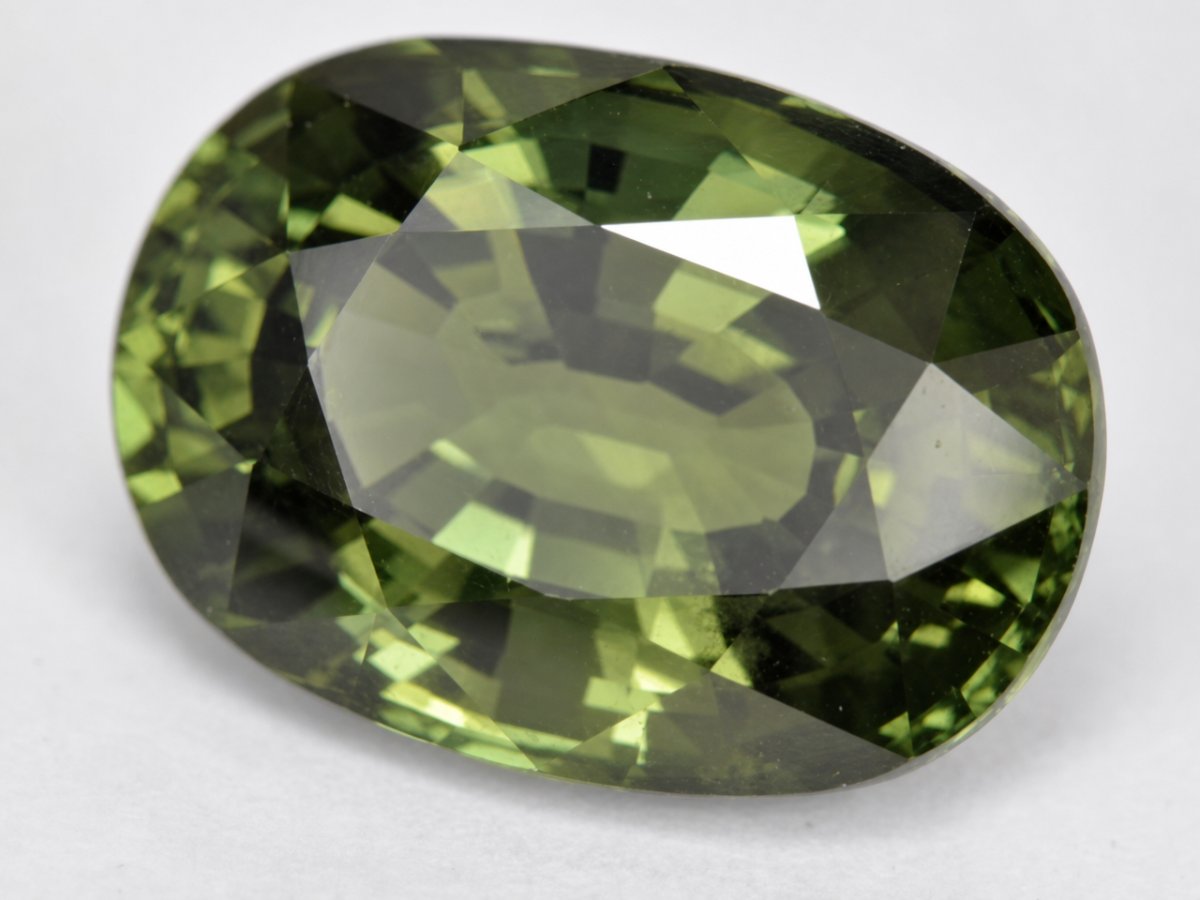
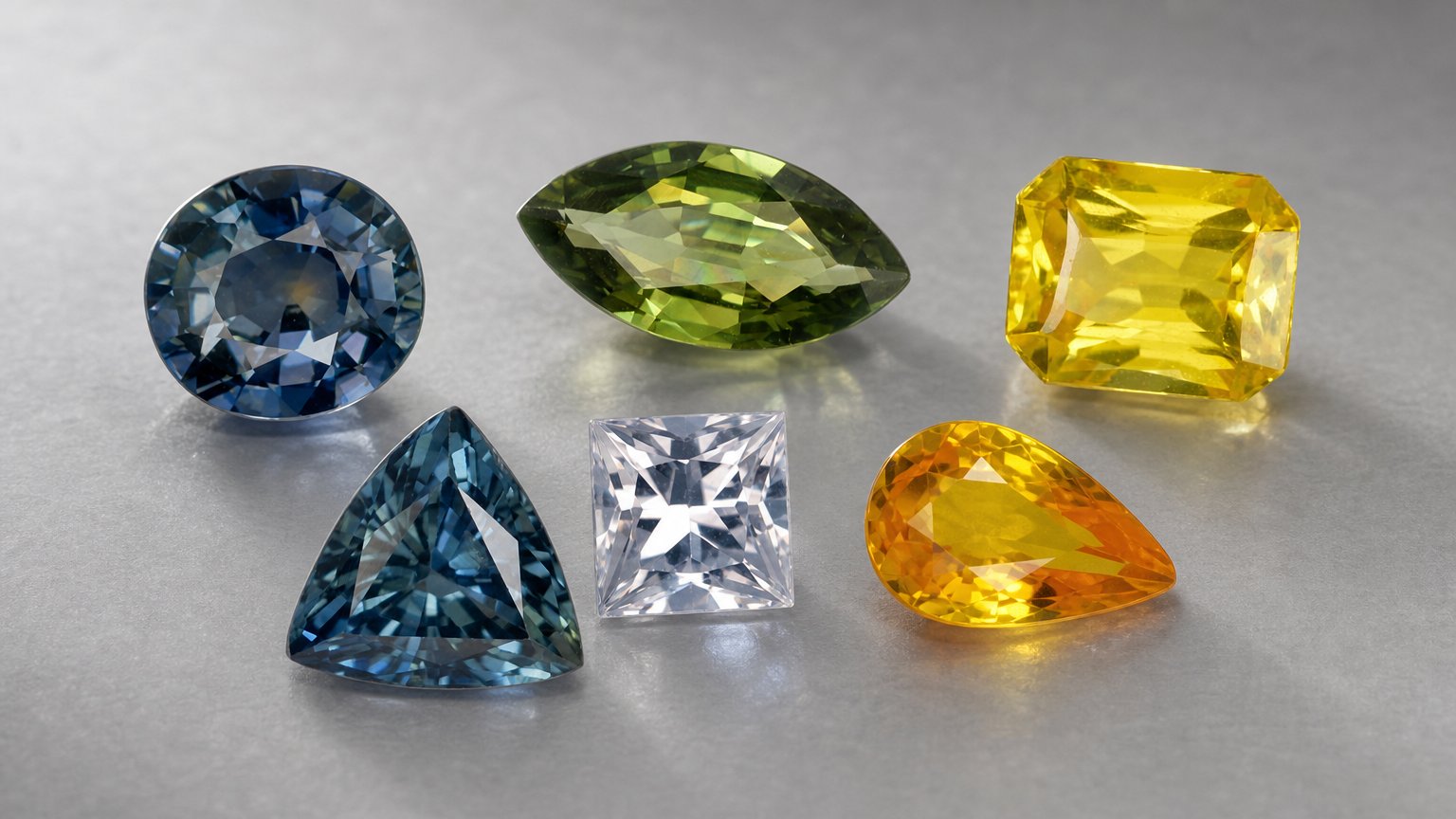
Sapphire is best known in blue, but unheated sapphire may also be found in white, green, purple, violet, pink, yellow, brown and gray. For buyers, the best choice is not simply the rarest label or the most famous origin, but the individual gem with the most appealing face-up color, suitable clarity, good cut and reliable disclosure.
Color: The First Feature Most Buyers Notice
Color is usually the first visual factor to compare when buying unheated sapphire. Blue and white are especially important colors for this gem category, while green, purple and violet options offer attractive alternatives. Pink and yellow sapphires are also available, with brown and gray stones giving more understated looks.
When comparing sapphires, judge color in the viewing position in which the stone will be worn. Look for a color that appears attractive face-up, not only from the side. A sapphire that looks bright and balanced in normal lighting is often more satisfying than one that depends on a single perfect light source.
Color Consistency and Tone
Some sapphires show areas of lighter or darker color when viewed from different angles. This is not automatically a problem, but it should be visible in the photos or video before purchase. A stone with pleasing color distribution will generally be easier to set and wear than one with distracting uneven patches.
Tone also matters. Very light stones may have a delicate appearance, while very dark stones can sometimes lose visible color in low light. For engagement rings and other frequently worn jewelry, many buyers prefer a color that remains attractive across several lighting environments.
Clarity: Buy for Eye Appeal
Clarity should be judged by how the stone looks to the eye, not only by magnification. Inclusions are natural features in many gemstones, but the important buying question is whether they distract from beauty, reduce transparency, or create concerns in the area where the stone will be set.
For rings and engagement rings, avoid obvious surface-reaching features or inclusions that dominate the center of the gem. For pendants, earrings and collector pieces, buyers may accept different clarity characteristics if the color, size or untreated status is especially appealing.
Cut, Shape and Face-Up Beauty
Unheated sapphire is commonly faceted to show brightness and color. Oval and round shapes are especially common choices, while cushion, pear and square shapes are also popular. Baguette, marquise, octagon, trillion and heart shapes may suit more specific design styles.
The best cut is not just a shape name. It is the combination of outline, proportions, symmetry and polish that determines how attractive the sapphire looks face-up. A well-cut sapphire should show pleasing color and life across the crown, without a large dull window in the center or overly dark areas that hide the body color.
Step cuts and diamond-style cuts can both be attractive, depending on the crystal and intended design. Cabochon-cut sapphires are also available and may be chosen for a smooth, softer look rather than sparkle.
Origin: Interesting, but Not a Substitute for Quality
Important sources for unheated sapphire include Madagascar and Sri Lanka, with additional origins including Myanmar, Tanzania, Australia, Thailand, Vietnam and the United States. Origin can be meaningful to collectors and to buyers who enjoy provenance, but it should not replace careful evaluation of the actual gemstone.
Two sapphires from the same country can look very different. When buying, compare the individual stone's color, cut, clarity, size, treatment disclosure and suitability for the jewelry design. If origin is important to you, make sure the origin information is clearly stated by the seller.
Gemological Properties and Durability
Sapphire's durability is one of the reasons it is widely used in rings and engagement rings. With a Mohs hardness of 9, corundum offers excellent resistance to scratching compared with many other gemstones. Hardness does not make any gem indestructible, however, so thoughtful setting and care still matter.
| Property | Unheated Sapphire |
|---|---|
| Mineral species | Corundum |
| Chemical formula | Al₂O₃ |
| Crystal system | Trigonal |
| Mohs hardness | 9 |
| Refractive index | 1.762-1.770 |
| Specific gravity | 4.00 |
For daily-wear rings, choose a secure setting that protects vulnerable edges and corners, especially for pear, marquise, trillion or other pointed shapes. For bracelets, where gems may receive more knocks, secure mounting is particularly important.
Treatment Disclosure: The Critical Buying Point
The treatment status is central to buying unheated sapphire. Heat treatment is a common topic in the wider sapphire market, so an unheated stone should be accompanied by clear seller disclosure stating that it is unheated or untreated. Do not rely only on color, origin or price to assume treatment status.
When comparing stones, read the product details carefully. At GemSelect, treatment information is listed so buyers can understand what they are purchasing. If untreated status is the reason you are choosing the stone, keep a record of the gem details for your own files or for a jeweler.
Choosing Unheated Sapphire for Jewelry
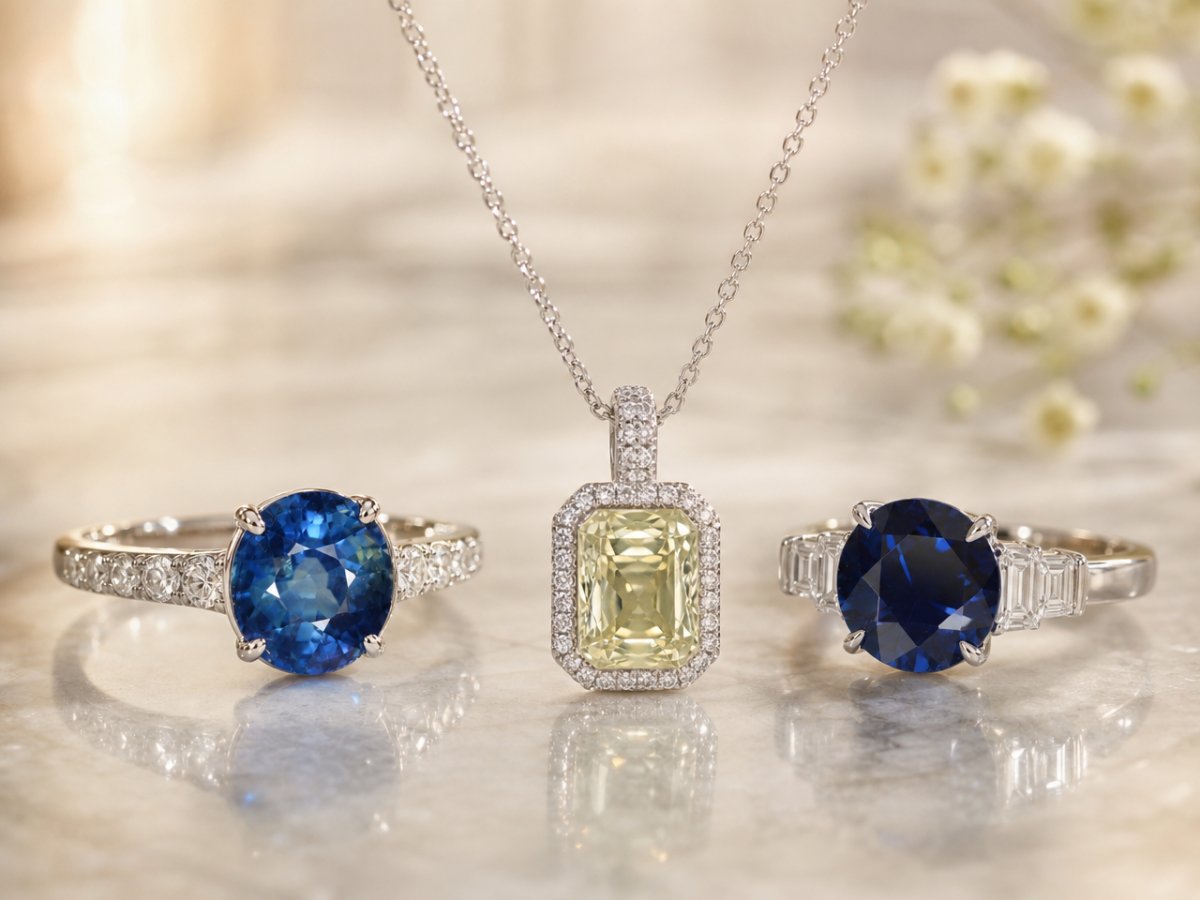
Unheated sapphire is suitable for many jewelry styles. Rings and engagement rings are major uses because sapphire combines attractive color options with high hardness. Earrings and pendants allow more flexibility with shape and size because they are less exposed to impact than rings. Bracelets can be beautiful, but they require secure settings because wrist jewelry is more likely to contact hard surfaces.
For necklaces and brooches, you can prioritize face-up color, size and design balance. Collector jewelry may place greater emphasis on untreated status, origin or unusual color, but it should still be judged by the quality and appearance of the individual gem.
Practical Buying Checklist
- Confirm treatment status: Make sure the stone is disclosed as unheated or untreated.
- Choose color first: Select the hue and tone that look best to you in the intended jewelry style.
- Inspect face-up appearance: Look for attractive brightness, balanced color and no distracting windowing or darkness.
- Check clarity with the naked eye: Inclusions should not dominate the appearance or create setting concerns.
- Match shape to jewelry use: Oval and round shapes are versatile; cushions, pears and squares suit many custom designs.
- Consider origin realistically: Origin can add interest, but it should not outweigh the gem's actual beauty and disclosure.
- Plan the setting carefully: Daily-wear rings need secure settings, especially for pointed or cornered shapes.
Summary
The best unheated sapphire is the one that combines trustworthy treatment disclosure with the color, cut, clarity, size and shape that suit your design and personal taste. Blue and white are key choices, but green, purple, violet, pink and yellow sapphires can also make distinctive jewelry. Focus on the individual gem rather than the label alone, and choose a setting appropriate for how often the piece will be worn.