

Sapphire is one of the most widely recognized and practical gemstones for fine jewelry. Buyers choose it for its rich color range, excellent durability and suitability for everyday designs such as rings, earrings, pendants and engagement rings. While blue sapphire is the classic choice, sapphire is not limited to blue. It can also be found in green, pink, yellow, orange, purple, teal, white and other tones, giving jewelry buyers and designers a broad palette to work with.
This buying guide explains the key points to consider before purchasing sapphire: color, cut, clarity, carat size, origin, treatment, durability and intended jewelry use. Whether you are buying a single loose gemstone, a matched pair for earrings or a center stone for a ring, understanding these factors will help you compare stones more confidently and choose the sapphire that best fits your design and budget.
What Is Sapphire?
Sapphire is a gemstone variety of the mineral species corundum. Its chemical formula is Al₂O₃, and it crystallizes in the trigonal crystal system. Corundum is valued in jewelry because it combines attractive color with high hardness and good wearability. Sapphire has a Mohs hardness of 9, placing it among the hardest gemstones used in jewelry.
For buyers, this matters because hardness affects resistance to scratching. A sapphire can handle regular wear better than many softer colored gemstones, especially when it is properly set and cared for. This is one reason sapphire is frequently selected for rings and engagement rings, where a gemstone is more exposed to daily contact than in earrings or pendants.
Sapphire Color and Appearance
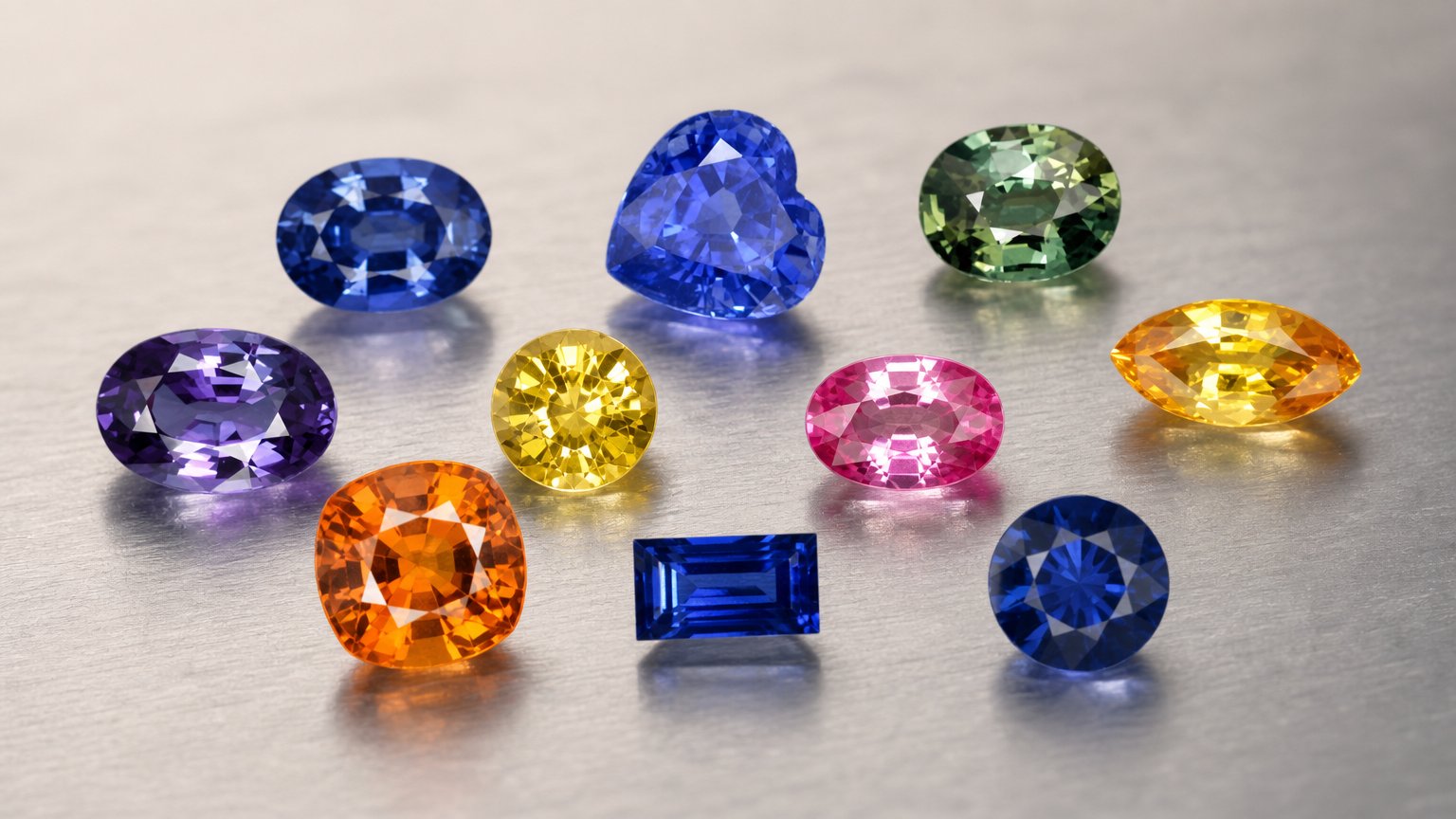
Color is usually the first quality buyers notice in sapphire, and it is one of the most important value factors. Blue is the best-known sapphire color and remains a top choice for classic jewelry. However, sapphire occurs in many attractive colors including green, pink and yellow, as well as orange, purple, teal and white. Less commonly encountered or more specialized appearances may include violet, black, brown, gray and multicolor sapphires.
Buying Blue Sapphire
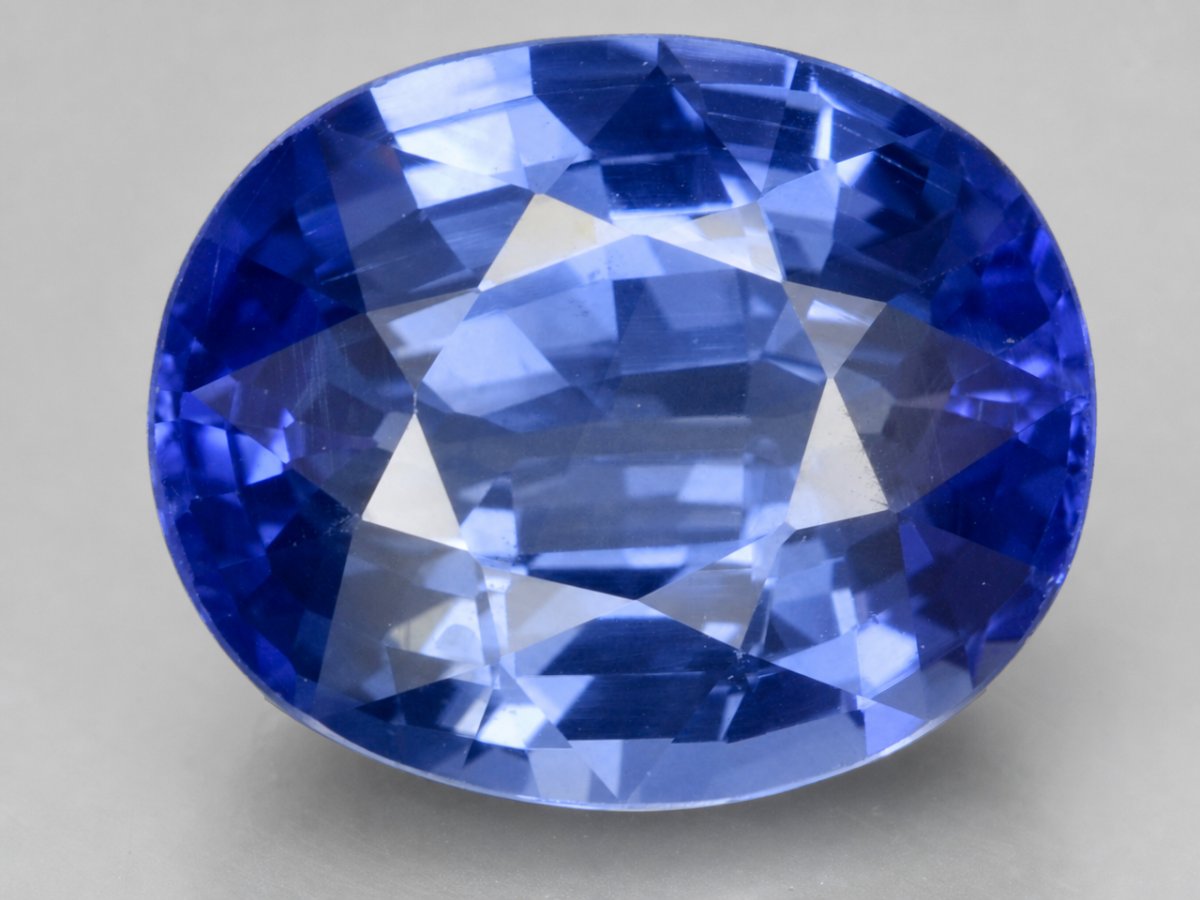
When shopping for blue sapphire, compare stones under good lighting and look for a color you find appealing rather than relying only on a label. Some buyers prefer a deep, saturated blue, while others like a brighter or lighter blue. The best choice depends on personal taste, jewelry design and budget. A stone that appears lively and well-balanced in the lighting where it will be worn is often more satisfying than one chosen only for a description.
Buying Fancy Color Sapphire
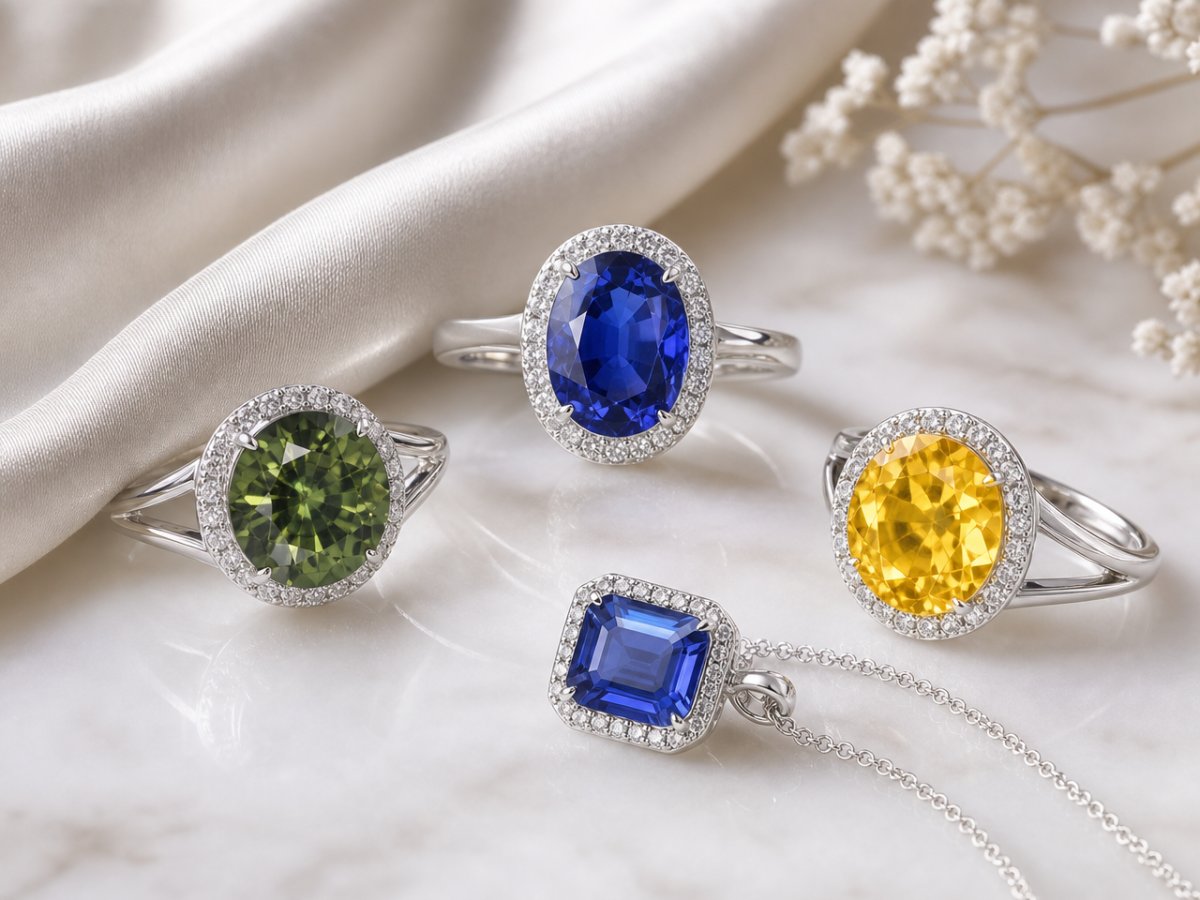
Fancy color sapphires offer excellent design flexibility. Pink sapphire can bring a soft or vivid look to rings and pendants. Yellow sapphire can be bright and cheerful, while green and teal sapphires are popular with buyers who want something distinctive but still durable. Purple, orange and white sapphires can also be useful in both modern and traditional designs.
When comparing fancy color sapphires, judge the gemstone as a whole. Look at hue, tone and saturation. Hue is the basic color family, such as blue, green or pink. Tone describes how light or dark the stone appears. Saturation refers to the strength or purity of the color. In practical buying terms, a pleasing sapphire should show an attractive face-up color without looking too dark, too washed out or uneven for your taste.
Color Zoning and Evenness
Some sapphires may show uneven areas of color when viewed face-up or from different angles. A small amount of variation can be acceptable, especially if the gem is attractive overall, but strong color zoning may affect appearance. Before buying, inspect photos and videos if available, and consider how the stone will look once set. A well-cut sapphire can often display its color more evenly and attractively.
Cut, Shape and Brilliance
Sapphires are commonly cut as faceted gemstones. Faceting uses flat polished surfaces to reflect light and show brilliance. A well-faceted sapphire should look lively, balanced and symmetrical, with color distributed attractively across the face of the stone.
Cabochon sapphires are also popular. A cabochon has a smooth, domed top rather than facets. This style can be ideal for stones where the color, surface glow or overall character is more important than sparkle. Cabochons are often chosen for rings, pendants and more traditional jewelry designs.
Diamond cuts and step cuts may also be used for sapphire. A diamond-style cut emphasizes sparkle through many facets, while a step cut uses long, parallel facets that create a more structured, elegant appearance. Step cuts can make clarity and color zoning easier to see, so buyers should inspect them carefully.
Popular Sapphire Shapes
Oval, pear and round sapphires are especially common and practical choices. Oval shapes often provide a graceful outline and good face-up size. Pear shapes are popular for pendants, earrings and distinctive rings. Round sapphires are versatile and easy to use in many jewelry settings.
Other attractive options include cushion, square, octagon, baguette and marquise shapes. Heart and trillion shapes may be chosen for more personalized or contemporary designs. When selecting a shape, think about both appearance and setting requirements. Standard shapes are often easier to match with ready-made settings, while unusual shapes may require custom jewelry work.
Clarity: What Buyers Should Look For
Clarity describes the presence of internal features or surface-reaching characteristics in a gemstone. In sapphire, clarity should be judged by how much these features affect beauty, transparency and durability. Many natural gemstones have inclusions, and a completely clean appearance may not be necessary for an attractive sapphire.
For most buyers, the most useful standard is eye-clean appearance. This means the stone looks clean to the unaided eye when viewed in normal conditions. Some inclusions are acceptable if they do not distract from the color or brilliance. However, large or obvious inclusions in the center of the stone can reduce visual appeal, especially in lighter colors or open step cuts.
When buying online, use magnified photos as a tool, but remember that magnification can make small features look more noticeable than they appear in real life. Balance clarity with color, cut and size rather than treating it as the only quality factor.
Sapphire Origins
Sapphire is found in a number of gem-producing regions. Important sources include Madagascar and Sri Lanka, both of which are strongly associated with sapphire in the modern gemstone market. Other notable origins include Australia, Mozambique, Myanmar and Thailand. Sapphires may also be associated with Afghanistan, Nigeria, Vietnam, Cambodia, India, Kashmir, Kenya and the United States.
Origin can interest collectors and may influence buyer preference, but it should not be the only reason to buy a sapphire. Two stones from the same country can differ greatly in color, clarity, cut and treatment, while stones from different origins can be equally beautiful. For most jewelry buyers, the visible quality of the gemstone and the reliability of the seller are more important than origin alone.
If origin is important to you, look for clear product information and supporting documentation where available. GemSelect lists key details for individual gemstones so buyers can compare options more easily.
Gemological Properties That Matter
Several gemological properties help explain why sapphire performs so well in jewelry. Its Mohs hardness is 9, which means it resists scratching better than many colored gemstones. Its refractive index is 1.762–1.770. Refractive index measures how strongly a gemstone bends light, and it contributes to the way a faceted gem returns brilliance. Sapphire has a specific gravity of 4.00, which relates to density and affects how heavy a gemstone feels for its size.
These numbers are useful for identification and comparison, but buyers do not need to memorize them. The practical takeaway is that sapphire is a dense, durable corundum gemstone with strong suitability for fine jewelry, especially when cut and set correctly.
Durability and Everyday Wear
Durability includes hardness, toughness and stability. Sapphire’s Mohs hardness of 9 makes it a strong candidate for rings, earrings, pendants, bracelets and necklaces. It is especially suitable for rings and engagement rings because these pieces are worn on the hand and experience frequent contact.
Even so, no gemstone is indestructible. A sapphire can still be chipped or damaged by a hard blow, especially if it has sharp corners, exposed points or is set in a design with limited protection. Pear, marquise, heart and trillion shapes may need extra care at their tips. Protective settings, good craftsmanship and sensible wear habits help preserve the gemstone over time.
For bracelets, durability is also important because wrist jewelry can be knocked against hard surfaces. If you are using sapphire in a bracelet, consider secure settings and avoid designs that leave stones overly exposed.
Sapphire Treatments
Heat treatment is commonly associated with sapphire. Heating is used in the gemstone trade to improve or modify appearance, particularly color and clarity. A sapphire may be heated, and this should be considered a normal buying topic rather than a reason for concern when properly disclosed.
Untreated sapphires are also available, but they are less common in the market. Because treatment status can affect price and buyer preference, it is important to read the product details carefully. A beautifully colored heated sapphire may be an excellent choice for jewelry, while an untreated sapphire may appeal to collectors or buyers who specifically prefer natural, unheated material.
How Treatment Affects Buying Decisions
The key issue is disclosure. Buyers should know whether a sapphire is heated or untreated so they can compare stones fairly. Do not assume that untreated automatically means better for every purpose. Color, clarity, cut, size and price still matter. For everyday jewelry, many buyers prioritize appearance and durability, while collectors may place greater emphasis on treatment status.
Choosing Sapphire for Jewelry
Sapphire is highly versatile in jewelry design. Rings and earrings are among its most common uses, and it is also widely chosen for engagement rings and pendants. Bracelets and necklaces can also feature sapphire effectively, especially when the settings are secure and the design suits the wearer’s lifestyle.
Sapphire Rings and Engagement Rings
For a ring, choose a sapphire with a pleasing face-up color, good cut and appropriate clarity. Because rings are exposed to more wear than earrings or pendants, consider shape and setting carefully. Oval, round, cushion and octagon shapes can work well in many ring designs. Pear and marquise shapes can be striking, but their points should be protected.
For engagement rings, sapphire offers a colorful alternative to more traditional center stones. Blue sapphire is the classic option, while pink, yellow, teal or white sapphire can create a more individual style. Make sure the gemstone size, shape and setting height suit daily wear.
Sapphire Earrings and Pendants
Earrings and pendants are excellent uses for sapphire because they are generally less exposed to impact than rings. Buyers often prioritize color matching for pairs, especially in earrings. A matched pair should have similar color, size, shape and overall brightness. Slight differences may be acceptable, but strong mismatches can be noticeable when worn together.
Sapphire Bracelets and Necklaces
Bracelets and necklaces can use sapphire as accent stones or main gems. For bracelets, secure settings are especially important because of the movement and contact involved in wrist wear. For necklaces, color coordination and layout often matter as much as individual stone size.
How to Buy Sapphire: Practical Checklist
Before choosing a sapphire, start with the jewelry purpose. A stone for an everyday ring has different needs from a gemstone intended for a pendant or collection. Once you know the use, compare the following factors.
1. Choose the Color First
Color has the strongest visual impact. Decide whether you want classic blue or a fancy color such as green, pink, yellow, teal, purple, orange or white. Compare stones side by side when possible and choose a color that remains attractive in different lighting.
2. Check the Cut Quality
A good cut improves brightness, symmetry and face-up color. Look for a sapphire that does not appear overly dark in the center or lifeless around the edges. For cabochons, look for an even dome, pleasing outline and attractive surface appearance.
3. Balance Clarity With Beauty
Do not reject a sapphire simply because magnified images show inclusions. Instead, ask whether the stone looks attractive to the unaided eye. Visible inclusions matter most when they distract from color or affect durability.
4. Consider Size and Shape Together
Carat weight tells you the gemstone’s weight, not its exact face-up size. Because sapphire has a specific gravity of 4.00, two gems of the same carat weight in different shapes may look different in size. Check measurements as well as carat weight, especially when fitting a stone into a setting.
5. Read Treatment Information
Confirm whether the sapphire is heat treated or untreated. Heat treatment is common, but disclosure helps you compare prices and make a choice that matches your expectations.
6. Match the Stone to the Setting
A durable gemstone still needs a secure setting. If the sapphire has points or corners, such as pear, marquise, heart or trillion shapes, make sure the design protects vulnerable areas. For earrings and pendants, think about matching and orientation. For rings, prioritize security and comfort.
7. Buy From a Seller With Clear Gem Details
Reliable information helps buyers compare gemstones fairly. When shopping with GemSelect, review the listed color, shape, cut, size, treatment and origin details for each individual sapphire. This is especially useful when comparing loose sapphires for custom jewelry.
Conclusion
Sapphire is a practical and beautiful choice for buyers who want a durable colored gemstone with many design possibilities. Blue remains the most recognized sapphire color, but green, pink, yellow, teal, white and other colors offer excellent options for personal jewelry styles. When buying sapphire, focus on the qualities that affect both appearance and suitability: color, cut, clarity, treatment disclosure, size, shape and intended use.
A well-chosen sapphire should look attractive to you, fit the jewelry design and come with clear information. By understanding the main buying factors, you can compare sapphires with confidence and select a gemstone that will perform well in the piece you have in mind.