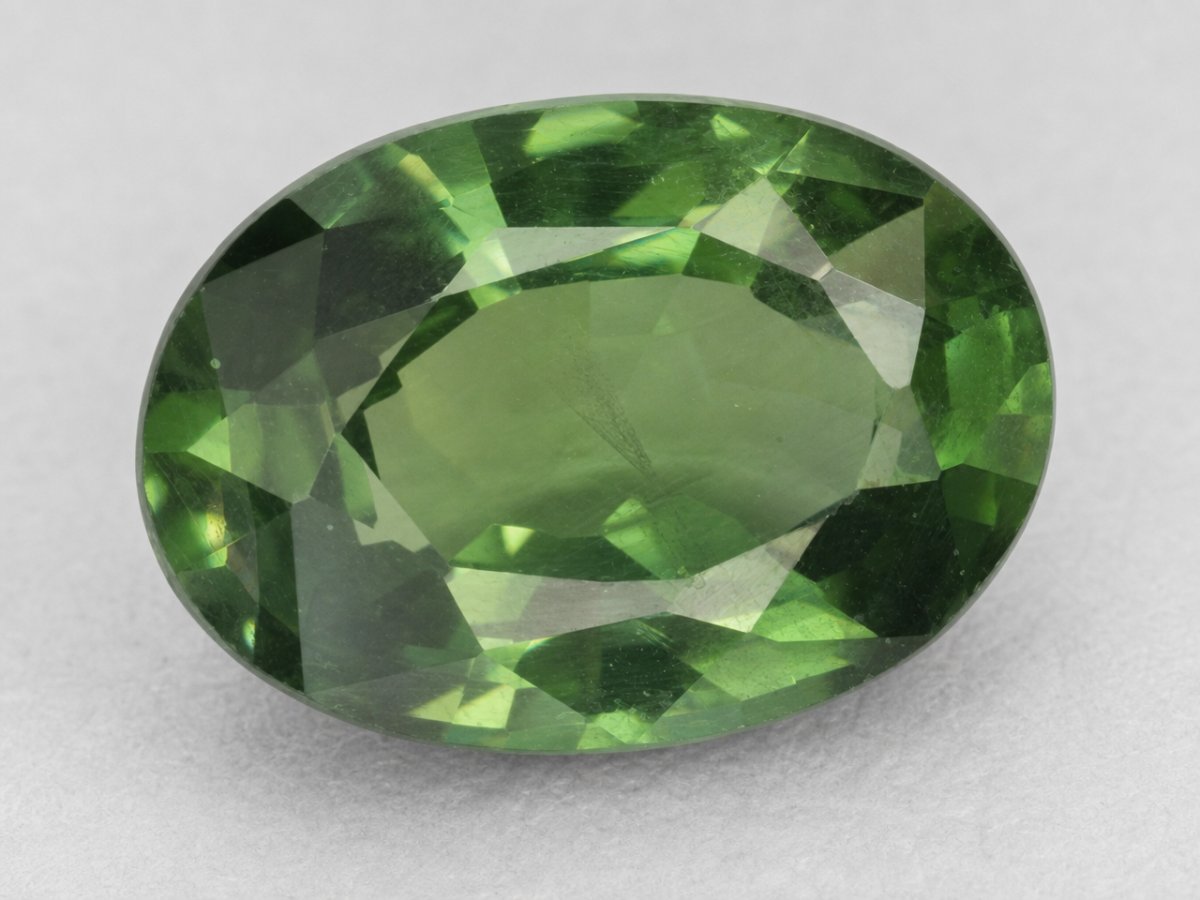


Green sapphire is a green variety of sapphire, the well-known gemstone family within the mineral species corundum. For buyers who like the durability and prestige of sapphire but want something different from traditional blue, green sapphire offers a distinctive and wearable choice for rings, earrings, pendants, necklaces and other jewelry.
This buying guide explains the main factors to consider before purchasing green sapphire: color, clarity, cut, size, treatment status, origin and suitability for jewelry. The goal is not to reduce the gem to a single grade or label, but to help you compare individual stones with confidence and choose the one that best fits your design, budget and personal taste.
What Is Green Sapphire?
Green sapphire is sapphire with a green body color. Like other sapphires, it belongs to corundum. This is important for buyers because corundum is valued not only for beauty but also for toughness and everyday practicality. In jewelry terms, green sapphire gives designers and collectors a green gemstone option with the durability associated with sapphire.
Because sapphire is widely known as the September birthstone, green sapphire can also be considered for September birthstone jewelry when a buyer wants a less conventional color. It works especially well for people who appreciate sapphire but prefer earthy, botanical or modern green tones.
Color and Appearance: What to Look For
Color is usually the first feature buyers notice in a green sapphire. Since green is the defining color of this variety, your main decision is the particular shade and visual character you prefer. Some buyers are drawn to softer, lighter greens, while others prefer deeper, more saturated green appearances. Neither choice is automatically better for every purpose; the right color depends on the jewelry style, metal color and personal preference.
Judge Color in Practical Lighting
When comparing green sapphires, look at the stones under more than one type of light if possible. A gem may appear different in daylight, indoor lighting and display lighting. For online purchases, study the product images carefully and read the description. If video is available, it can help you understand how the stone looks as it moves.
For rings and pendants, color is especially important because the stone is usually seen from the top. For earrings, a closely matched pair often matters as much as the exact shade, since the two stones should look balanced when worn together.
Tone, Saturation and Personal Taste
Three general color terms are useful when shopping. Hue is the basic color, in this case green. Tone describes how light or dark the gem appears. Saturation describes the strength or intensity of the color. A green sapphire with attractive face-up color, even distribution and a tone that suits the design will usually be more satisfying than one chosen only by carat weight or origin.
Buyers should also consider the setting. Yellow gold can warm the overall appearance of a green sapphire, while white metals can emphasize a cleaner, cooler look. Rose gold may create a softer contrast. These design effects are not grading factors, but they are practical considerations when choosing a stone for finished jewelry.
Clarity: Understanding Inclusions
Clarity refers to the internal features, surface marks or natural inclusions visible in a gemstone. In a buying context, the most important question is whether inclusions affect beauty, transparency or durability. A stone does not have to be completely free of inclusions to be desirable, but obvious features in the center of the gem may be distracting, especially in larger stones or open settings.
For faceted green sapphire, buyers often prefer a stone that looks clean to the unaided eye when viewed from a normal distance. This is commonly called eye-clean, although the exact standard can vary from person to person. For cabochon-cut stones, the smooth domed surface and overall color impression may be more important than the same clarity expectations used for faceted gems.
Cut and Shape Choices
Cut has a major effect on how a green sapphire looks. It influences brightness, symmetry, apparent color depth and how well the stone fits a jewelry design. Green sapphire is commonly faceted, and faceted cutting is often chosen to show brilliance and create a lively face-up appearance.
Common Cuts
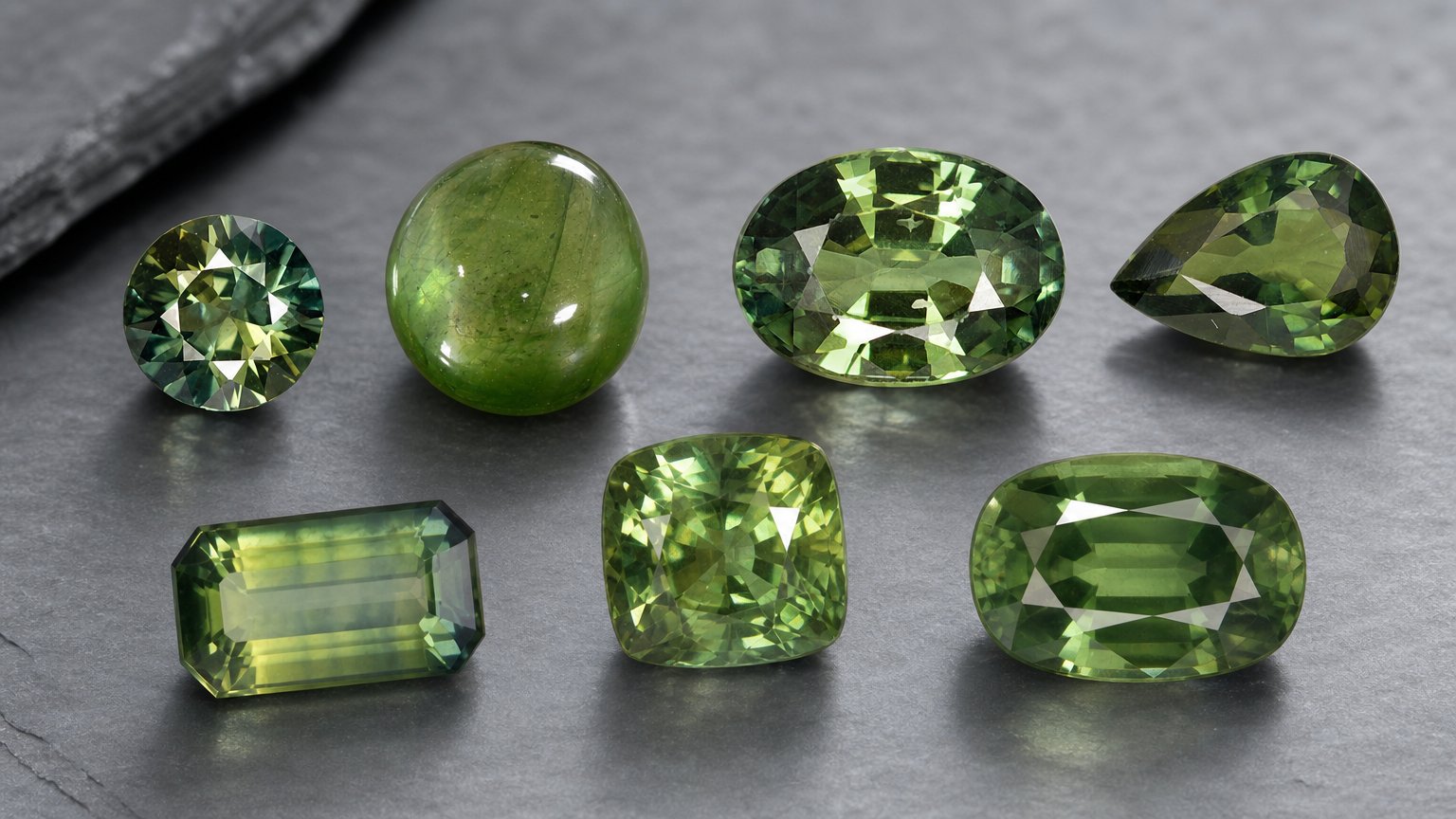
Faceted green sapphires are widely used in jewelry because facets help reflect light and show the color attractively. Diamond-style cuts, emerald cuts and other step cuts may also be seen. A diamond-style cut can create more sparkle, while an emerald cut or step cut tends to emphasize clean lines, broad flashes of light and a more architectural appearance.
Cabochons are another option. A cabochon has a polished, rounded surface rather than a faceted crown and pavilion. Buyers may choose cabochons for a softer, more traditional or understated style. They can be appealing in rings, pendants and cufflinks where a smooth surface suits the design.
Popular Shapes
Oval, pear and round shapes are especially common choices for green sapphire. Ovals are versatile and often work well in rings and pendants. Pear shapes can give a pendant or ring a graceful directional design. Rounds are easy to use in many settings and are especially practical for earrings because matching pairs can look balanced and classic.
Cushion and octagon shapes are also attractive options. Cushion shapes offer a softer outline with a vintage or contemporary feel depending on the setting. Octagon shapes are often associated with emerald-cut or step-cut styles, giving the stone a structured appearance. Baguette, heart and marquise shapes may be selected for specific design needs, accent layouts or more distinctive jewelry pieces.
How to Assess Cut Quality as a Buyer
Without relying on a formal grading system, buyers can still evaluate cut practically. Look for a pleasing outline, even symmetry and a balanced face-up appearance. The stone should not look overly dark in the center, washed out at the edges or lifeless across large areas. The best choice is a stone whose cut supports the color rather than fighting it.
Size and Carat Weight
Carat weight measures gemstone weight, not face-up size. Two green sapphires of the same carat weight can look different in size depending on their shape, depth and cutting style. A shallow stone may look larger from the top but can sacrifice color or brilliance, while a deeper stone may show richer color but appear smaller face-up.
When choosing size, think about the jewelry purpose first. Rings need a size that suits the wearer and setting style. Earrings may need two stones that match well in size and color. Pendants and necklaces can often accommodate a larger or more elongated stone because they are not exposed to the same level of impact as rings.
Treatments: Heat-Treated and Untreated Green Sapphire
Heat treatment is a common treatment associated with green sapphire. In general gemstone practice, heat treatment is used to improve or modify color and appearance. Buyers should not assume a sapphire is untreated unless that status is clearly stated by the seller.
Untreated green sapphire is also available. For some buyers, untreated status is important because they prefer gems that have not been enhanced by heat. For others, a heat-treated stone may be perfectly acceptable, especially when the color, cut and overall look meet their needs. The key buying principle is disclosure: treatment information should be clear before purchase.
When shopping at GemSelect or any reputable gem seller, review the treatment information provided on the gem details. If untreated status is a priority for you, keep that requirement in mind from the beginning of your search rather than treating it as an afterthought.
Origins of Green Sapphire
Green sapphire is associated with several important sources, including Australia, Madagascar, Sri Lanka and Tanzania. Other known origins include Mozambique, Nigeria and Thailand. Origin can be interesting to collectors and may add context to a gemstone, but it should not be the only factor used to judge a purchase.
For most jewelry buyers, the visible qualities of the individual stone are more important than country of origin. Color, clarity, cut, size, treatment disclosure and suitability for the intended setting should come first. If origin is important to you for collecting reasons, look for reliable documentation or clear seller information rather than making assumptions based on appearance alone.
Durability and Everyday Wear
Because green sapphire is a variety of sapphire and belongs to corundum, it is considered a durable gemstone for many jewelry uses. Corundum is known in gemology for high hardness, which helps resist scratching in normal wear. This makes green sapphire a practical option for rings and earrings, two of its most important jewelry uses.
Durability does not mean indestructible. Any gemstone can chip or break if struck hard, especially along exposed edges or points. Protective settings, careful wear and routine cleaning help keep a green sapphire looking its best. Pear, marquise and heart shapes may need extra attention at their pointed ends, while cabochons and rounded shapes can offer a smoother profile.
Jewelry Uses and Setting Ideas
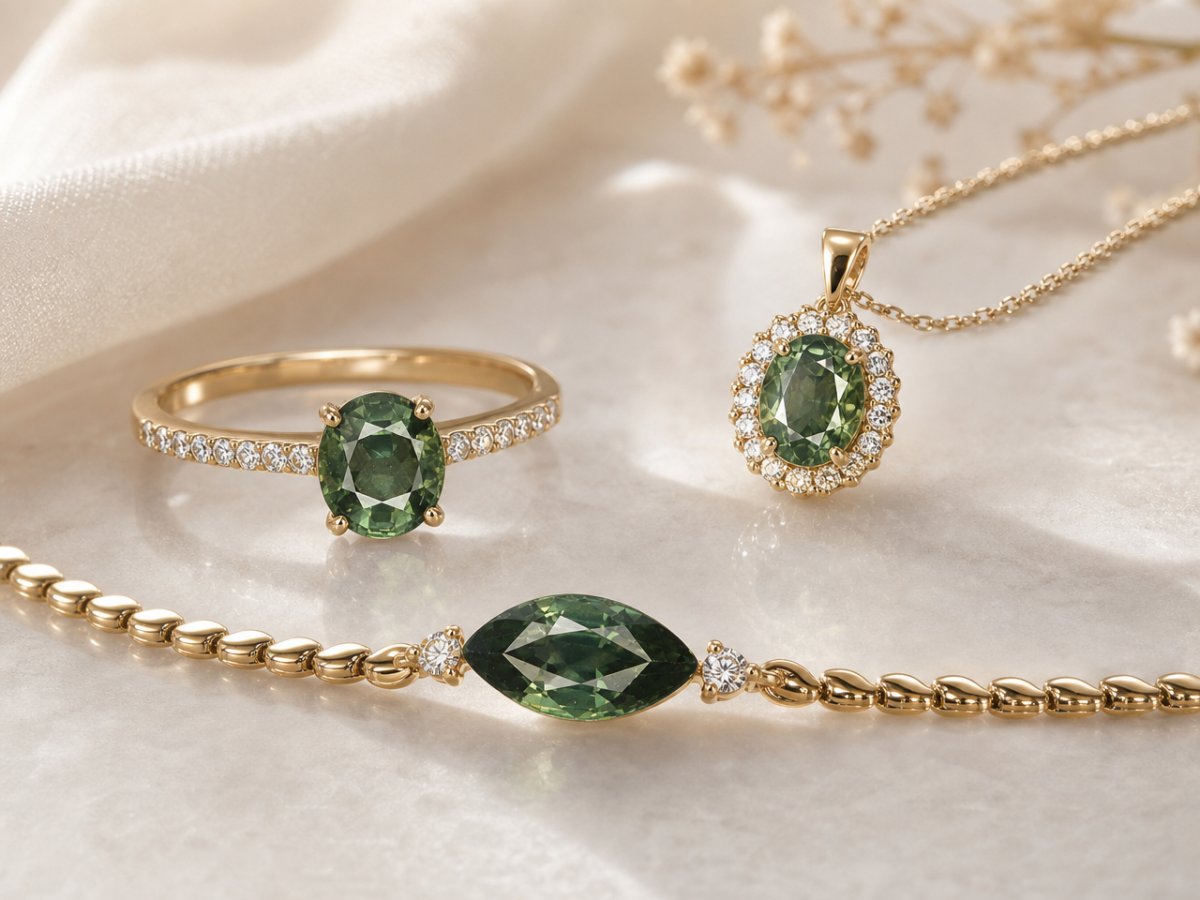
Green sapphire is well suited to a range of jewelry styles. Rings and earrings are especially common uses, and both benefit from sapphire’s durability and strong visual identity. For engagement-style rings, dress rings or anniversary jewelry, green sapphire can provide a distinctive alternative to more traditional sapphire colors. In earrings, matched green sapphires can be elegant without feeling overly formal.
Pendants and necklaces are also excellent choices. These designs usually experience less direct impact than rings, so they allow more freedom with shapes such as pear, oval or cushion. A green sapphire pendant can be simple and modern in a solitaire setting or more decorative when combined with accent stones.
Cufflinks are a more specialized but attractive use for green sapphire, especially cabochon or neatly cut stones that suit a tailored, polished look. As with any jewelry project, the best stone is one that fits the setting dimensions, wear expectations and style of the piece.
How to Buy Green Sapphire with Confidence
A confident purchase comes from comparing the right features in the right order. Start with color, because it defines the personality of the gem. Then check clarity and transparency. Next, evaluate the cut and shape to see whether they enhance the color and fit your design. Finally, confirm treatment status, origin information if relevant, size and measurements.
Buying Checklist
- Color: Choose a green tone you enjoy and view it in realistic lighting when possible.
- Clarity: Look for inclusions that do not distract from the gem’s appearance or affect confidence in the stone.
- Cut: Prefer a balanced cut with good symmetry, pleasing brightness and a shape suitable for your jewelry design.
- Size: Consider both carat weight and millimeter measurements, especially for calibrated settings.
- Treatment: Confirm whether the sapphire is heat-treated or untreated.
- Origin: Treat origin as useful context, not a substitute for judging the individual gem.
- Jewelry use: Match the shape and setting style to the way the piece will be worn.
Questions to Ask Before Purchasing
Before buying, ask yourself whether the gem’s color is appealing in the lighting where it will be worn, whether the shape fits your intended setting, and whether the treatment information is acceptable to you. If you are buying a pair for earrings, check that the stones match well enough in color, size and overall appearance.
For loose gemstones, measurements are particularly important. A one-carat gemstone is not a standard size across every cut and shape, so millimeter dimensions are often more useful than carat weight when planning a ring, pendant or replacement stone.
Summary
Green sapphire is a durable, attractive and distinctive member of the sapphire family. Its green color gives it a different personality from classic blue sapphire while retaining the practical advantages associated with corundum. For most buyers, the best green sapphire is the one with appealing color, suitable clarity, a well-chosen cut, clear treatment disclosure and the right size and shape for the intended jewelry.
Whether you are choosing a September birthstone, a green gemstone for a custom ring or a pair of sapphires for earrings, take time to compare individual stones rather than relying on a single feature. A thoughtful buying process leads to a gemstone that looks right, wears well and suits your personal style.