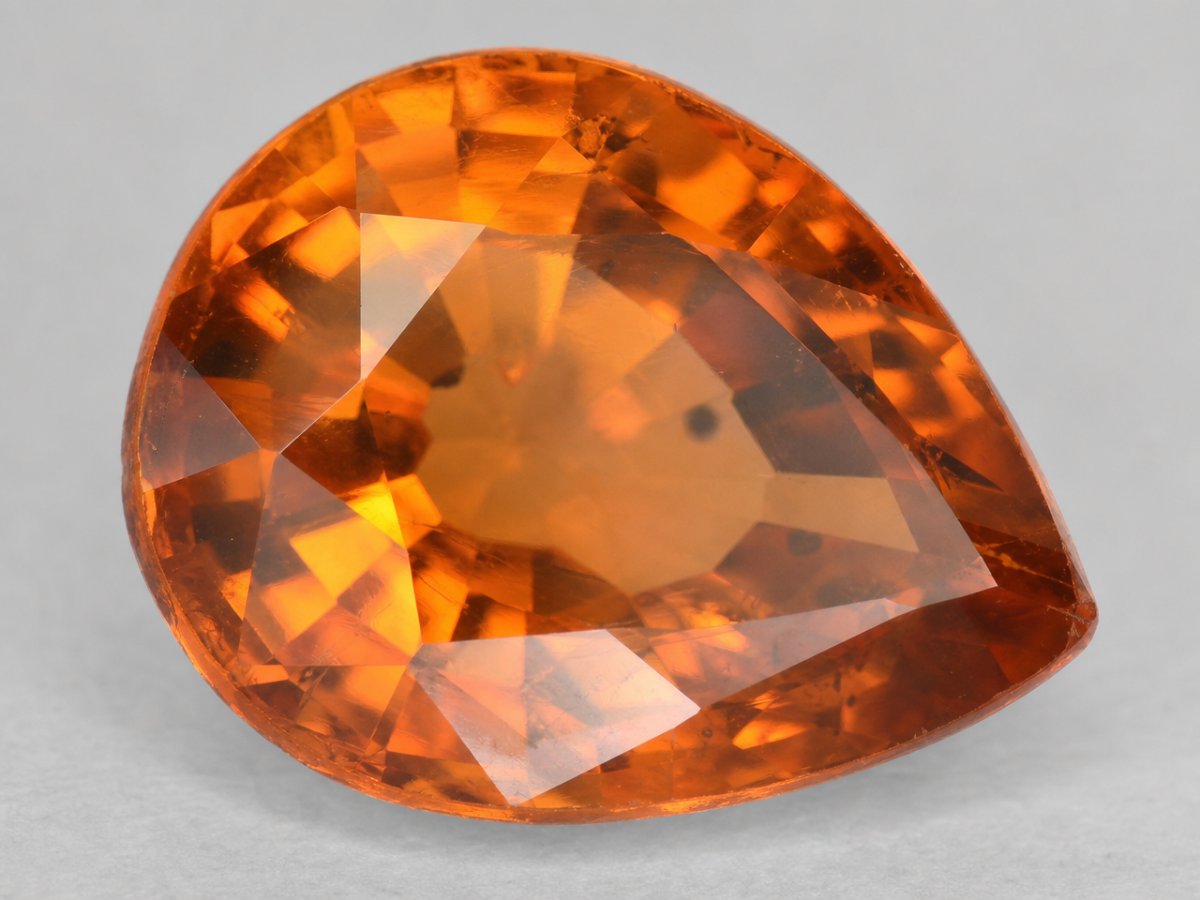


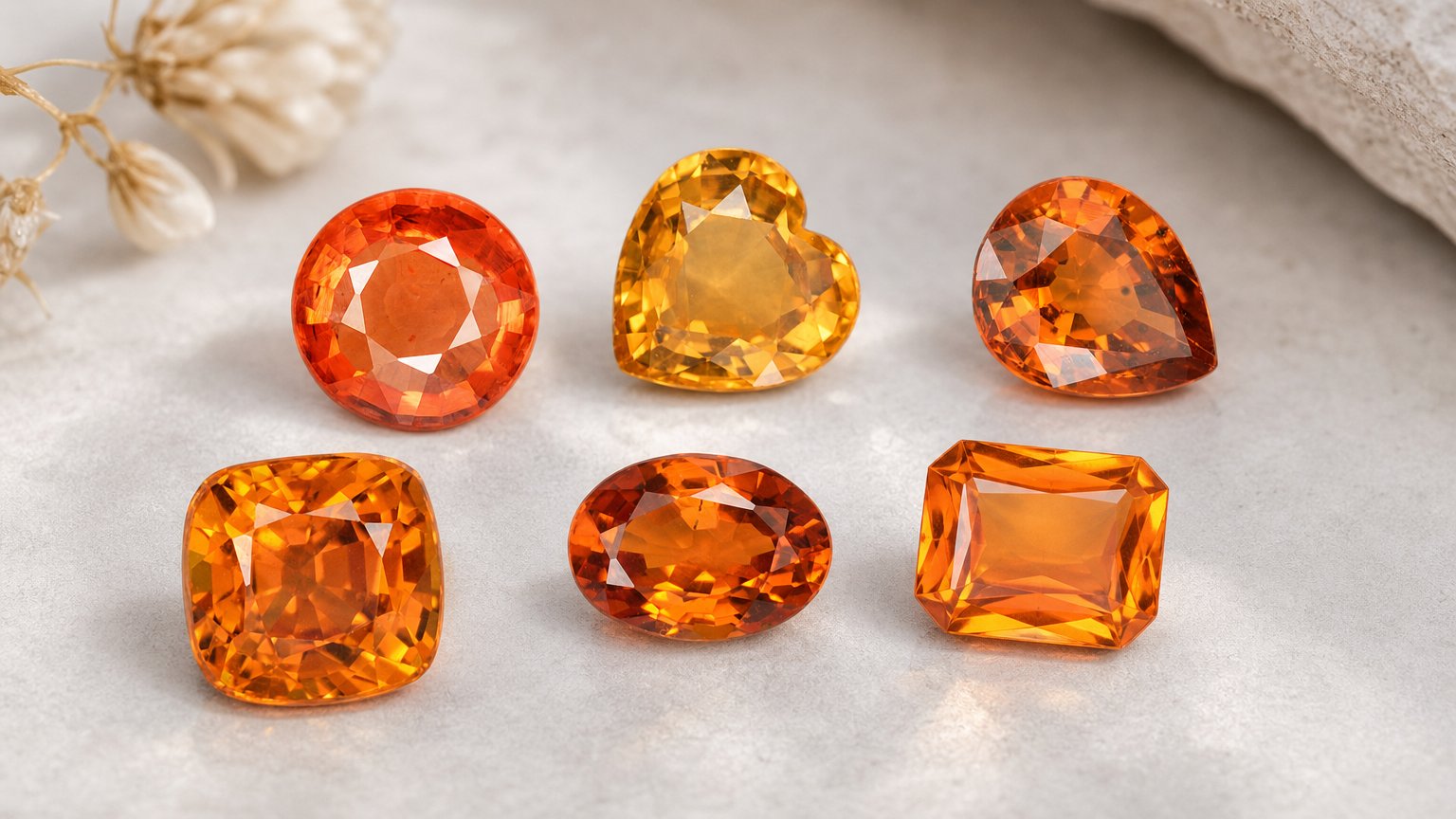
Orange sapphire offers the durability and recognition of sapphire with a warm orange color that stands apart from more familiar blue sapphire. For buyers, the most important decision is not simply finding an orange stone, but choosing the right combination of color, cut, clarity, treatment status, size and setting style for the intended piece of jewelry.
This buying guide explains what to look for before purchasing orange sapphire. It is written for gemstone buyers, jewelry designers, collectors and anyone comparing loose orange sapphires for rings, earrings, pendants or necklaces. The goal is to help you evaluate a stone confidently and ask the right questions before you buy.
What Is Orange Sapphire?
Orange sapphire is a color variety of sapphire, and sapphire belongs to the mineral species corundum. Sapphire is best known in blue, but it also occurs in other colors, including orange. In the trade, orange sapphire is valued for its lively, warm appearance and its ability to bring strong color to jewelry without relying on a softer or more fragile gem material.
Because orange sapphire is part of the sapphire family, it is often chosen by buyers who want a colored gemstone suitable for frequent wear. It is also connected with September as a birthstone, making it a meaningful choice for birthstone jewelry when a buyer wants something different from the traditional blue sapphire look.
Color and Appearance: What Buyers Should Look For
Color is the defining feature of orange sapphire. When comparing stones, look at the overall orange appearance first, then consider how the color behaves in different lighting. A good buying approach is to view the gemstone face-up, from the side and under more than one light source if possible. This helps you judge whether the orange color remains attractive in everyday conditions.
Understanding Hue, Tone and Saturation
Gem buyers often describe color using three practical terms: hue, tone and saturation. Hue is the basic color, which in this case is orange. Tone describes how light or dark the stone appears. Saturation describes the strength or intensity of the color.
For orange sapphire, many buyers look for a color that is clearly orange rather than weak or washed out. However, personal preference matters. A lighter orange sapphire may suit delicate earrings or a minimalist pendant, while a stronger orange may be preferred for a ring or statement design. The best choice is the stone that looks balanced, attractive and wearable for your intended jewelry design.
Color Distribution
When inspecting an orange sapphire, check whether the color looks even across the face of the gem. Some faceted gemstones can show lighter and darker areas depending on the cut and viewing angle. This is not automatically a problem, but the overall appearance should be pleasing. If a stone has areas that look noticeably pale, dark or uneven, compare it with other stones before deciding.
Clarity: How Clean Should Orange Sapphire Look?
Clarity refers to the presence or absence of internal features, surface-reaching features or other characteristics visible inside the gemstone. With any colored stone, clarity should be judged in relation to beauty and durability rather than by diamond-style expectations. A gem does not need to be perfectly free of inclusions to be attractive, but inclusions should not distract strongly from the face-up appearance.
For buying purposes, inspect orange sapphire with the unaided eye first. If the gemstone looks clean and bright in normal viewing, it may be suitable for most jewelry uses. A loupe or magnification can reveal more detail, but magnified features are less important if they do not affect the appearance or structural integrity of the stone. For rings, especially those intended for regular wear, it is sensible to avoid stones with obvious surface-reaching fractures in exposed areas.
Cut and Shape Options
Cut has a major effect on the beauty of orange sapphire. A well-cut stone should display attractive color, pleasing brightness and a balanced outline. Faceted cuts are especially common for orange sapphire because they can help bring out liveliness and sparkle. Cabochons are also seen and may appeal to buyers who prefer a smooth, domed surface rather than sharp facet reflections.
Common Cut Styles
Faceted orange sapphires are widely used because facets can enhance the gem’s brightness and make the orange color feel more vivid. Diamond cuts and emerald cuts are also common choices. A diamond-style cut can emphasize brilliance, while an emerald cut, with its broader step-like facets, gives a cleaner, more architectural look. Step cuts can be attractive when the material has pleasing color and good transparency because they make the internal body color easy to appreciate.
Cabochon orange sapphire has a different appeal. Instead of sparkle, it emphasizes surface glow, smooth shape and color. A cabochon can be a good choice for buyers who enjoy a softer, more classic gem appearance or want a design with a lower visual sparkle level.
Common Shapes
Oval, pear and round orange sapphires are especially practical choices because they work well in many jewelry styles. Oval shapes are versatile and often create good finger coverage in rings. Pear shapes are popular for pendants and earrings because they naturally guide the eye downward. Round stones are easy to use in matched designs and classic settings.
Cushion, marquise and octagon shapes can also be attractive options. Cushion shapes offer a softer outline with a traditional feel, marquise shapes create length and drama, and octagon shapes are often associated with step-cut designs. Baguette and heart shapes are less common but can be useful for accent stones, geometric designs or romantic jewelry styles.
Size and Face-Up Appearance
When buying orange sapphire, do not judge size by carat weight alone. Carat weight measures weight, not visible size. Two stones of the same carat weight may face up differently depending on proportions, depth and shape. For jewelry planning, millimeter dimensions are often just as important as carat weight because they determine how the stone will look in the setting.
If you are buying for a ring, compare the stone’s face-up size with your preferred setting style. A deeper stone may have strong color but require a higher setting. A shallower stone may appear larger from the top but should still have enough depth to show good color and brightness. For earrings, matching dimensions and shape is usually more important than exact carat weight. For pendants and necklaces, outline and visual presence may matter most.
Treatments: Heat-Treated and Untreated Orange Sapphire
Treatment disclosure is one of the most important parts of buying sapphire. Orange sapphire is commonly associated with heat treatment, and buyers may also encounter untreated stones. Heat treatment is used in the gemstone trade to improve or modify the appearance of many sapphires. The key point for buyers is transparency: the seller should clearly disclose whether a stone has been heated or is represented as untreated.
A heated orange sapphire can be a good choice when the color, cut and clarity meet your needs and the treatment status is clearly stated. If you specifically want an untreated orange sapphire, ask for clear disclosure and consider whether supporting documentation is available for the stone you are buying. Untreated status should not be assumed simply because a gem looks natural; it should be stated by the seller.
At GemSelect, treatment information is an important part of gemstone listings, helping buyers compare stones with a clearer understanding of what they are purchasing.
Origins of Orange Sapphire
Orange sapphire is associated with several important sources. Madagascar, Sri Lanka and Tanzania are prominent origins for orange sapphire, and stones may also come from Mozambique and Thailand. Other noted sources include Cambodia, Myanmar and Nigeria.
Origin can be interesting for collectors and may be relevant for buyers who prefer gemstones from a particular country. However, origin should be considered alongside the visible qualities of the gemstone. For most jewelry purchases, the actual appearance, cut quality, clarity, treatment disclosure and suitability for the setting are more practical than origin alone. If origin is important to you, ask how it is stated and whether any documentation accompanies the gemstone.
Durability and Everyday Wear
Orange sapphire is a sapphire variety within the corundum family, and sapphire is widely used in fine jewelry because it is durable enough for many styles, including rings. Even so, durability does not mean indestructible. Any gemstone can chip, abrade or fracture if struck hard or set carelessly.
For rings, especially everyday rings, choose a secure setting that protects vulnerable edges and points. Pear, marquise and heart shapes can have tips that benefit from protective prongs or thoughtful setting design. Earrings and pendants usually experience less impact than rings, so they allow more flexibility in shape and setting style. Regular cleaning and careful storage will also help preserve the appearance of the gemstone over time.
Jewelry Uses for Orange Sapphire
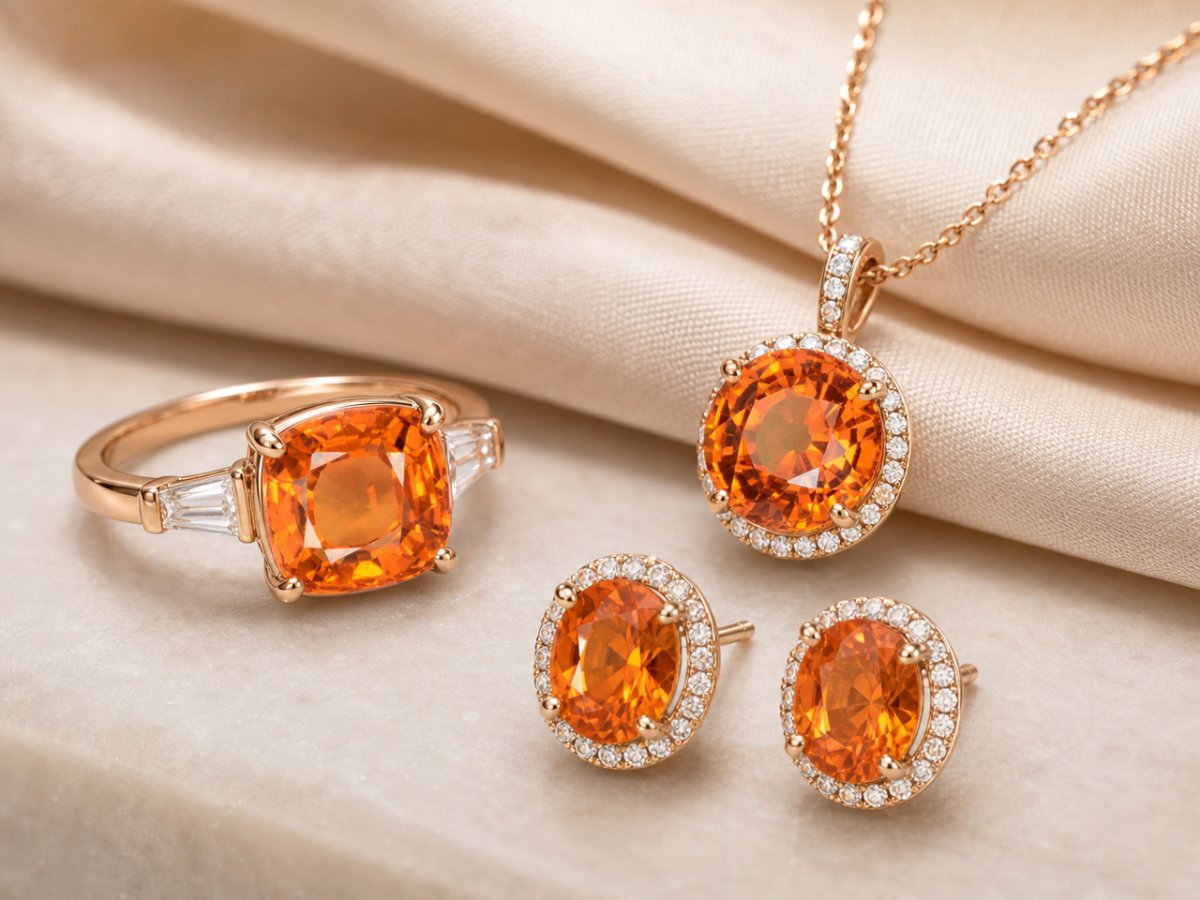
Orange sapphire works well in earrings and rings, two of its most important jewelry uses. In earrings, orange sapphire can add warm color close to the face and can be used in studs, drops or matched pairs. For earrings, buyers should pay close attention to matching color, size and shape so the pair looks balanced.
In rings, orange sapphire can serve as a center stone or as part of a multi-stone design. Its warm color can create a distinctive engagement-style ring, birthstone ring or fashion ring. When choosing a ring stone, consider not only beauty but also setting protection, comfort and how high the stone will sit on the hand.
Pendants are another strong use for orange sapphire. Pear, oval and round stones are especially easy to design into pendant jewelry. Necklaces may use orange sapphire as a focal gemstone, repeated stones or accents in a larger design. The best choice depends on whether the goal is subtle color, a prominent centerpiece or a coordinated jewelry set.
How to Buy Orange Sapphire: A Practical Checklist
1. Start With the Color You Like
Because orange is the defining feature, begin by choosing a color you enjoy. Compare stones side by side when possible. Look for an orange appearance that suits your style, whether soft and light or stronger and more vivid. Avoid choosing purely by label; your eye should guide the decision.
2. Check the Cut Quality
Look for a stone that appears lively and balanced. In faceted stones, check for overly dark areas, excessive windowing or uneven brilliance. In cabochons, look for a smooth dome, pleasing outline and attractive color. The cut should support the color rather than fight against it.
3. Inspect Clarity Face-Up
View the gemstone without magnification first. If inclusions are not distracting in normal viewing, the clarity may be perfectly acceptable for jewelry. For rings, be more cautious with features that reach the surface or sit near exposed corners and points.
4. Confirm Treatment Disclosure
Ask whether the orange sapphire is heat-treated or untreated. Heat treatment is commonly encountered, while untreated stones should be clearly represented as such. Treatment status should be part of the purchase information, not an afterthought.
5. Consider Shape for the Jewelry Design
Oval, pear and round shapes are versatile and easy to use. Cushion, marquise and octagon shapes can create more distinctive designs. If you are buying for a specific setting, confirm the exact millimeter measurements before purchase.
6. Think About the Setting
A gemstone for earrings does not have the same requirements as a gemstone for a ring. Rings need secure settings because they are more exposed to impact. Pendants and necklaces allow more freedom, but the stone should still be properly mounted and protected.
7. Buy From a Seller That Provides Clear Information
A reliable seller should give you the essential details needed to compare gemstones: color appearance, shape, cut style, dimensions, weight, treatment status and any stated origin information. Clear photographs and accurate descriptions make it easier to choose the right stone online.
Orange Sapphire as a September Birthstone
Sapphire is associated with September, and orange sapphire gives September birthstone jewelry a warmer and less traditional look. It can be especially appealing for buyers who like the meaning of sapphire as a birthstone but prefer orange over the classic blue appearance. Rings, earrings and pendants are all suitable ways to use orange sapphire in birthstone jewelry.
Conclusion
Buying orange sapphire is mainly about balancing color, cut, clarity, treatment disclosure and jewelry purpose. A beautiful stone should show an appealing orange color, a cut that supports brightness and shape, and clarity that looks attractive in normal viewing. Heat treatment is commonly associated with orange sapphire, while untreated stones should be clearly identified by the seller.
Whether you are choosing a loose gemstone for a custom ring, a matched pair for earrings or a warm accent for a pendant, take time to compare stones carefully. With the right information, orange sapphire can be a confident and distinctive choice for fine gemstone jewelry.