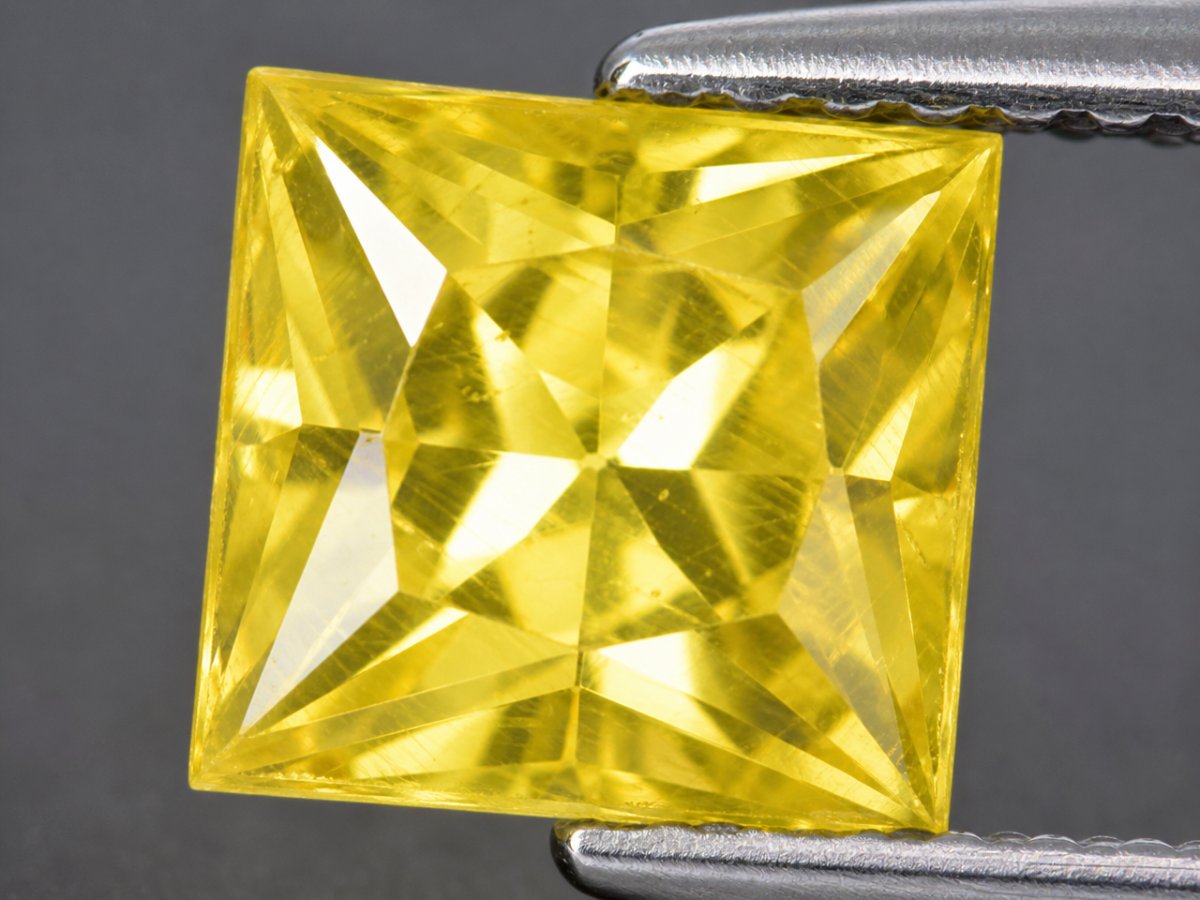


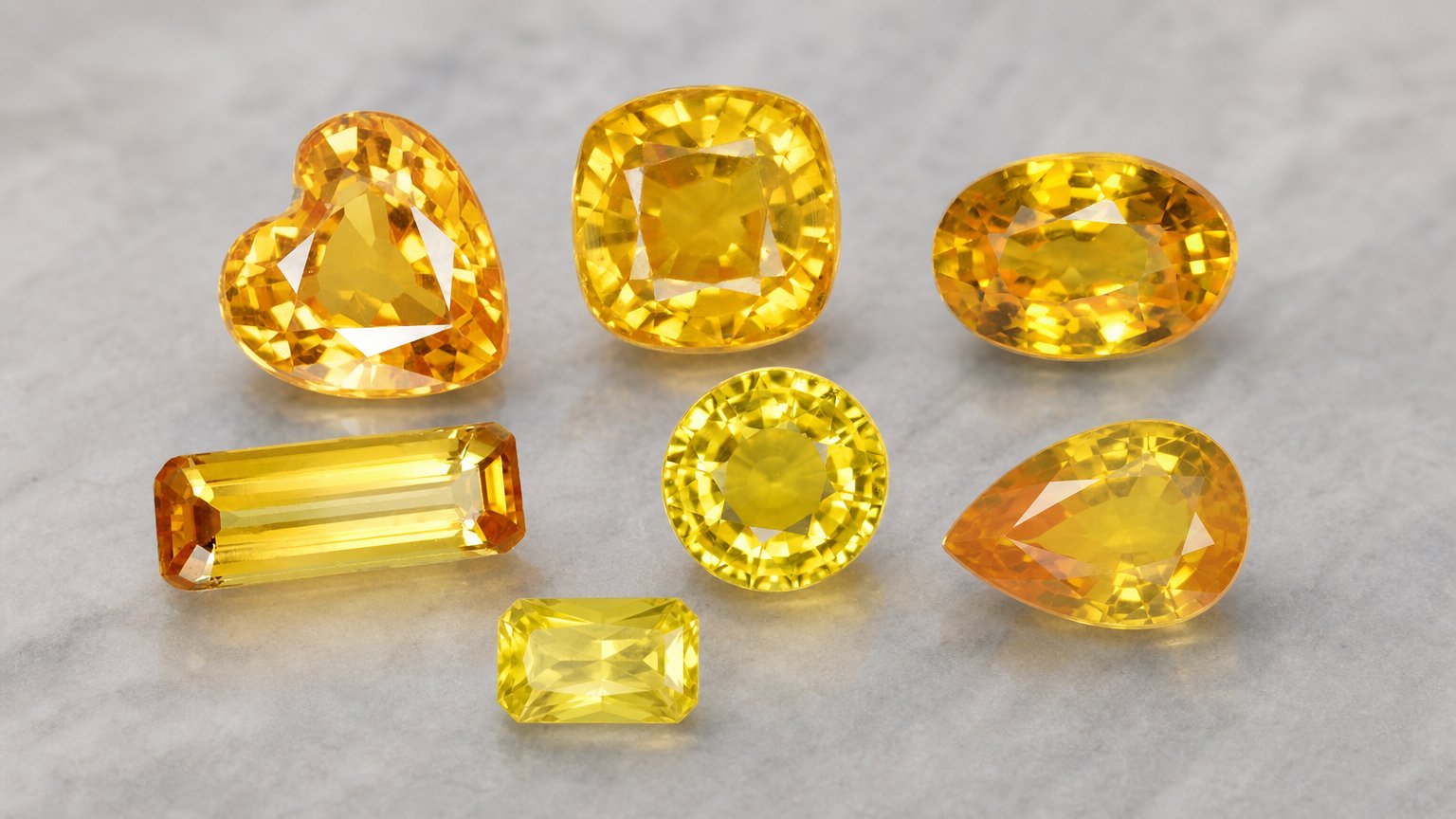
Yellow sapphire is a bright, durable gemstone chosen by buyers who want the classic appeal of sapphire in a warm yellow color. It is used in many types of jewelry, especially rings and earrings, and it can also be an attractive choice for pendants and necklaces. For shoppers, the most important questions are practical ones: how does the color look, is the stone well cut, what treatments are disclosed, and will the gem suit the jewelry design you have in mind?
This buying guide explains the main factors to consider before purchasing yellow sapphire. It focuses on the features buyers can actually compare: color, clarity, cut style, shape, size, origin, treatment disclosure and everyday wearability. Whether you are selecting a single stone for a custom ring, matching pairs for earrings, or a pendant gem, understanding these points will help you shop with more confidence.
What Is Yellow Sapphire?
Yellow sapphire is a yellow variety of sapphire, and sapphire belongs to the mineral species corundum. Corundum is one of the most important gem materials in jewelry because it combines attractive color with strong durability. In the case of yellow sapphire, the defining visual feature is its yellow body color.
Many buyers are familiar with blue sapphire, but sapphire occurs in other colors as well. Yellow sapphire offers a different look while keeping the sapphire identity. It is also associated with September as a birthstone, which can make it meaningful for birthday jewelry, anniversary gifts, or personal gemstone collections.
Color and Appearance: What to Look For
Color is usually the first feature buyers notice in yellow sapphire. Since the gem is defined by its yellow color, the best choice depends on the appearance you prefer and how the stone will be used in jewelry. Compare stones under good lighting and look for a color that appears pleasing, even and lively to your eye.
Hue, tone and saturation explained
Gemologists often describe color using three simple ideas. Hue is the basic color family, which in this case is yellow. Tone describes how light or dark the gem appears. Saturation describes the strength or intensity of the color. You do not need a formal grading system to use these concepts; they simply help you compare gems more clearly.
When shopping online, review all available images and descriptions. A yellow sapphire may look slightly different depending on lighting, screen settings and the style of cut. If you are matching gems for earrings or a multi-stone design, pay particular attention to how close the colors appear side by side.
Evenness and brightness
A well-chosen yellow sapphire should have an attractive face-up appearance. Look for color that is reasonably even across the stone and for cutting that returns light well. Some gems may show darker or lighter areas because of their shape, cut proportions or natural color distribution. This is why the overall look of the individual stone is more useful than relying on one single description.
Clarity Considerations
Clarity refers to the presence or absence of internal features, often called inclusions, and surface-reaching features. In colored gemstones, the practical question is usually whether inclusions affect the beauty, transparency or durability of the stone. A yellow sapphire does not need to be completely free of internal characteristics to be attractive, but visible inclusions can influence appearance.
For rings, especially those intended for regular wear, inspect the stone carefully for features that are easy to see face-up. For earrings and pendants, minor inclusions may be less noticeable once the gems are set and worn at a normal viewing distance. Buyers should balance clarity with color, cut and size rather than judging the stone by clarity alone.
Cut Styles and Shapes
Cut has a major effect on how yellow sapphire looks in jewelry. The cut style determines how the facets interact with light, while the shape determines the outline of the gem. Yellow sapphire is commonly faceted, which means it is cut with flat polished surfaces designed to reflect light and show color.
Common cut styles
Faceted yellow sapphire is the most common choice for jewelry because it can display brightness and color effectively. Diamond cuts, emerald cuts and step cuts may also be used, depending on the rough material and the desired appearance. A diamond-style cut emphasizes sparkle, while emerald and step cuts tend to create a more geometric, refined look with broader flashes of light.
Cabochon yellow sapphire is also available. A cabochon has a smooth, domed surface instead of facets. Buyers who prefer a softer, more understated look may enjoy cabochons, especially in designs where smooth surfaces and color are more important than sparkle.
Popular shapes
Oval, pear and round shapes are especially common for yellow sapphire. These shapes work well in many ring, earring and pendant designs and are easy to incorporate into classic or modern settings. Cushion, marquise and octagon shapes are also seen and can give the finished jewelry a more distinctive style. Baguette and heart shapes may be chosen for specific designs, accent stones or personal preference.
When choosing a shape, think about the jewelry design first. Round and oval gems are versatile. Pear shapes can look elegant in pendants and earrings. Octagon or emerald-style outlines can suit more architectural settings. For rings, consider how the shape will sit on the hand and whether the setting protects vulnerable points, such as the tip of a pear or marquise.
Size and Carat Weight
Carat weight measures a gemstone’s weight, not its visual size. Two yellow sapphires of the same carat weight can look different in size depending on shape and cut depth. A shallow stone may appear larger face-up, while a deeper stone may carry more weight below the surface. Neither is automatically better; the important issue is whether the gem looks balanced and lively.
For earrings, matching size, shape and color is usually more important than choosing the largest stones available. For rings, consider finger size, setting style and wearability. For pendants, a larger face-up appearance may be desirable because the stone is viewed from a distance. Always compare the listed measurements as well as carat weight when selecting a gem for a specific setting.
Treatments: Heated and Untreated Yellow Sapphire
Treatment disclosure is one of the most important parts of buying yellow sapphire. Heat treatment is common for sapphire and is used to improve or modify appearance. In the yellow sapphire market, buyers may encounter stones described as heated, heat treated, or untreated.
A heated yellow sapphire should be purchased with clear treatment disclosure. Heat treatment is widely known in the gem trade, but it is still important for the seller to state treatment status accurately. Untreated yellow sapphire is also available, and some buyers specifically prefer untreated stones. The right choice depends on your priorities, budget and collecting goals, but transparency is essential in every case.
When comparing stones, do not assume that a gem is untreated unless it is clearly described that way. If treatment status matters to you, choose a seller that provides clear information. GemSelect lists treatment information for gemstones so buyers can compare options more easily before purchase.
Origins of Yellow Sapphire
Yellow sapphire is associated with several important gem-producing countries. Madagascar, Sri Lanka and Tanzania are especially notable origins for yellow sapphire. Other sources include Australia, Mozambique and Thailand, with additional material associated with Cambodia, Myanmar and Nigeria.
Origin can be interesting for collectors and for buyers who appreciate the story behind a gemstone. However, for many jewelry purchases, the individual stone’s appearance, cut, size, clarity and treatment disclosure are more important than country of origin alone. Two sapphires from the same country can look different, and two stones from different countries can both be beautiful. If origin is a deciding factor for you, make sure the information is clearly stated by the seller.
Durability and Everyday Wear
Because yellow sapphire is a variety of sapphire and belongs to corundum, it is well suited to many types of jewelry, including rings and earrings. Corundum is known in gemology as a hard and durable material, which is one reason sapphire has long been used in jewelry that is worn often.
Durability does not mean indestructible. Any gemstone can be chipped, scratched or damaged by a hard impact, poor setting design or careless storage. For rings, choose a secure setting and consider extra protection for pointed shapes such as pear and marquise. For earrings, pendants and necklaces, yellow sapphire is generally less exposed to impact than in rings, but it should still be handled thoughtfully.
Jewelry Uses for Yellow Sapphire
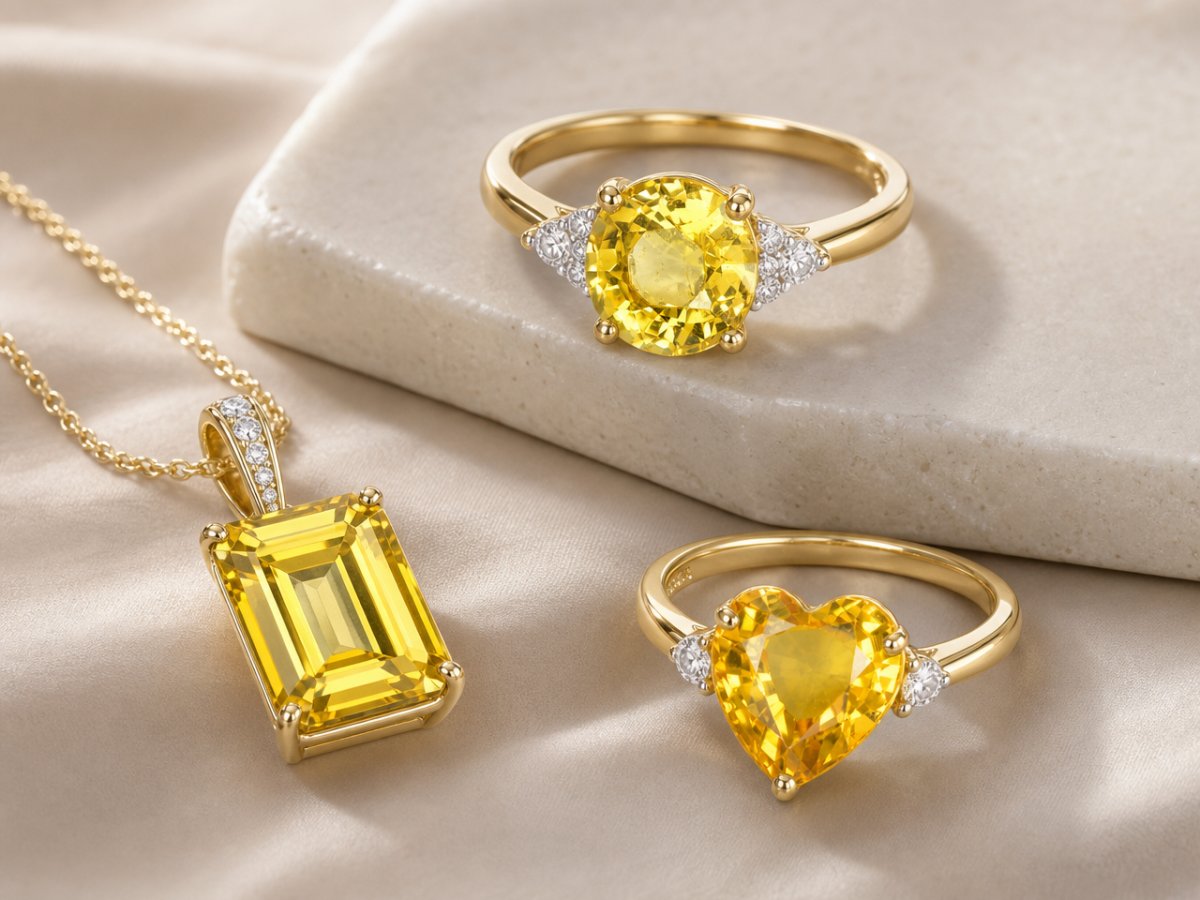
Yellow sapphire is a versatile jewelry gemstone. It is especially suitable for rings and earrings, where its color can be seen easily and its durability is useful. It also works well in pendants and necklaces, either as a center stone or as part of a multi-stone design.
Rings
Yellow sapphire rings can range from simple solitaire styles to more decorative fashion rings. When buying for a ring, pay close attention to cut, face-up color and setting security. A ring gemstone is more exposed to knocks than a pendant or earring, so a well-made setting is important.
Earrings
For earrings, matched pairs are often the goal. Look for similar color, shape, size and overall brightness. Exact perfection is not always necessary, but the pair should look balanced when worn. Round, oval and pear shapes are practical and attractive choices for yellow sapphire earrings.
Pendants and necklaces
Pendants and necklaces allow more freedom in shape and size because the gemstone is usually less exposed to daily impact. Pear, oval, round and cushion shapes can all work well. A pendant may also allow a buyer to choose a larger or more dramatic stone than they would use in a ring.
Practical Buying Checklist
Before buying yellow sapphire, use a step-by-step approach. This helps you compare stones fairly and avoid focusing on only one factor.
- Start with color: Choose a yellow appearance you genuinely like, with good face-up appeal.
- Check the cut: Look for brightness, balanced proportions and a pleasing outline.
- Review clarity: Decide whether any visible inclusions affect beauty or intended use.
- Compare measurements: Use millimeter dimensions as well as carat weight, especially for fitted settings.
- Confirm treatment status: Note whether the stone is heat treated or untreated.
- Consider origin if important: Madagascar, Sri Lanka and Tanzania are major associated origins, but judge each gem individually.
- Match the gem to the jewelry: Rings require secure settings; earrings benefit from matching; pendants allow more design flexibility.
Choosing Yellow Sapphire Online
When buying online, clear photographs, accurate measurements and treatment disclosure are essential. Compare gems using the same criteria you would use in person: color, cut, shape, size, clarity and intended jewelry use. Read the full product description rather than relying only on the main image.
If you are buying a pair or a calibrated stone for a specific setting, dimensions are especially important. If you are designing custom jewelry, discuss the stone measurements with your jeweler before finalizing the purchase. GemSelect provides detailed gemstone listings to help buyers compare individual stones and select the best fit for their design.
Summary
Yellow sapphire is a yellow variety of sapphire from the corundum mineral species. It is valued by jewelry buyers for its bright color, durability and versatility in rings, earrings, pendants and necklaces. The most important buying factors are color, cut, clarity, size, treatment disclosure and suitability for the intended jewelry design.
There is no single best yellow sapphire for every buyer. A collector may focus on untreated stones or origin, while a jewelry designer may prioritize shape, size and color matching. The best purchase is the stone that combines reliable disclosure with the appearance and practical qualities you need.