

Clinohumite is a warm-colored gemstone best known for yellow to orange tones, with some stones showing brownish or greenish hues. For buyers, the main decisions are straightforward: choose the color you enjoy, check that the cut shows good brightness, understand its moderate durability, and confirm that the stone is sold with clear treatment information.
This guide focuses on the practical points that matter when selecting clinohumite for a collection or custom jewelry project.
What Is Clinohumite?
Clinohumite is a gemstone associated with the humite mineral group. Its chemical formula is Mg₉(SiO₄)₄(F,OH)₂, and it crystallizes in the monoclinic crystal system. In gem buying terms, clinohumite is mainly appreciated for its attractive yellow and orange colors and its suitability for carefully worn jewelry.
Because it is not one of the most familiar jewelry gemstones, buyers should pay close attention to the individual stone rather than relying on broad commercial assumptions. Good photographs, accurate measurements and clear disclosure are especially useful when comparing clinohumite gems.
Color and Appearance: What to Look For
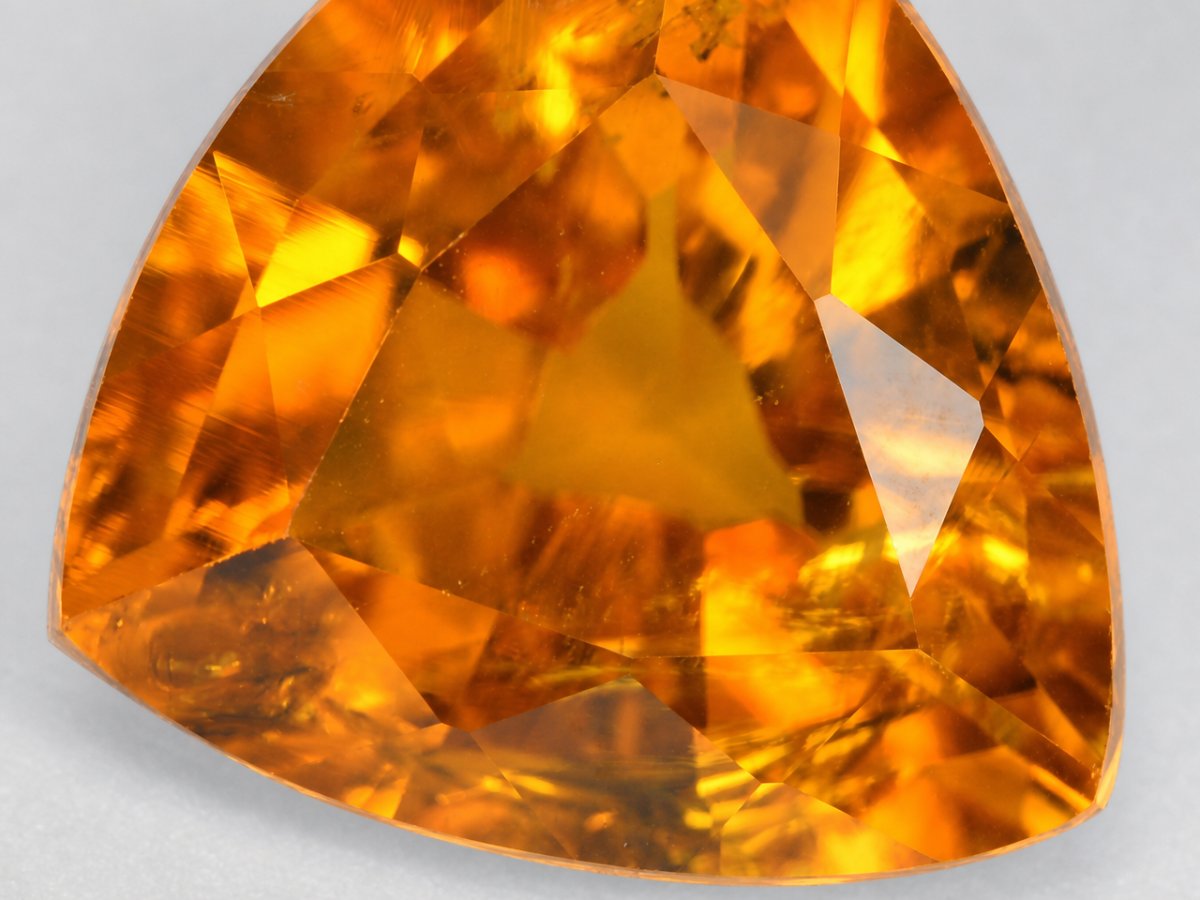
Color is the first feature most buyers notice in clinohumite. Yellow is the most important color range for this gemstone, followed closely by orange. These warm tones can make clinohumite appealing in both classic yellow-gold designs and contrast settings with white metals.
Brown and green are also associated with clinohumite, but they are less central to its typical gem appearance. Brownish modifiers may create a deeper, earthier look, while greenish tones can make a stone feel more unusual. Neither is automatically better or worse; the right choice depends on the visual effect you want.
When comparing stones, look for an even, attractive body color. Very dark stones may show less brightness, while very pale stones may appear less vivid. Online buyers should review all available images and compare color under consistent viewing conditions when possible.
Cut, Shape and Brilliance
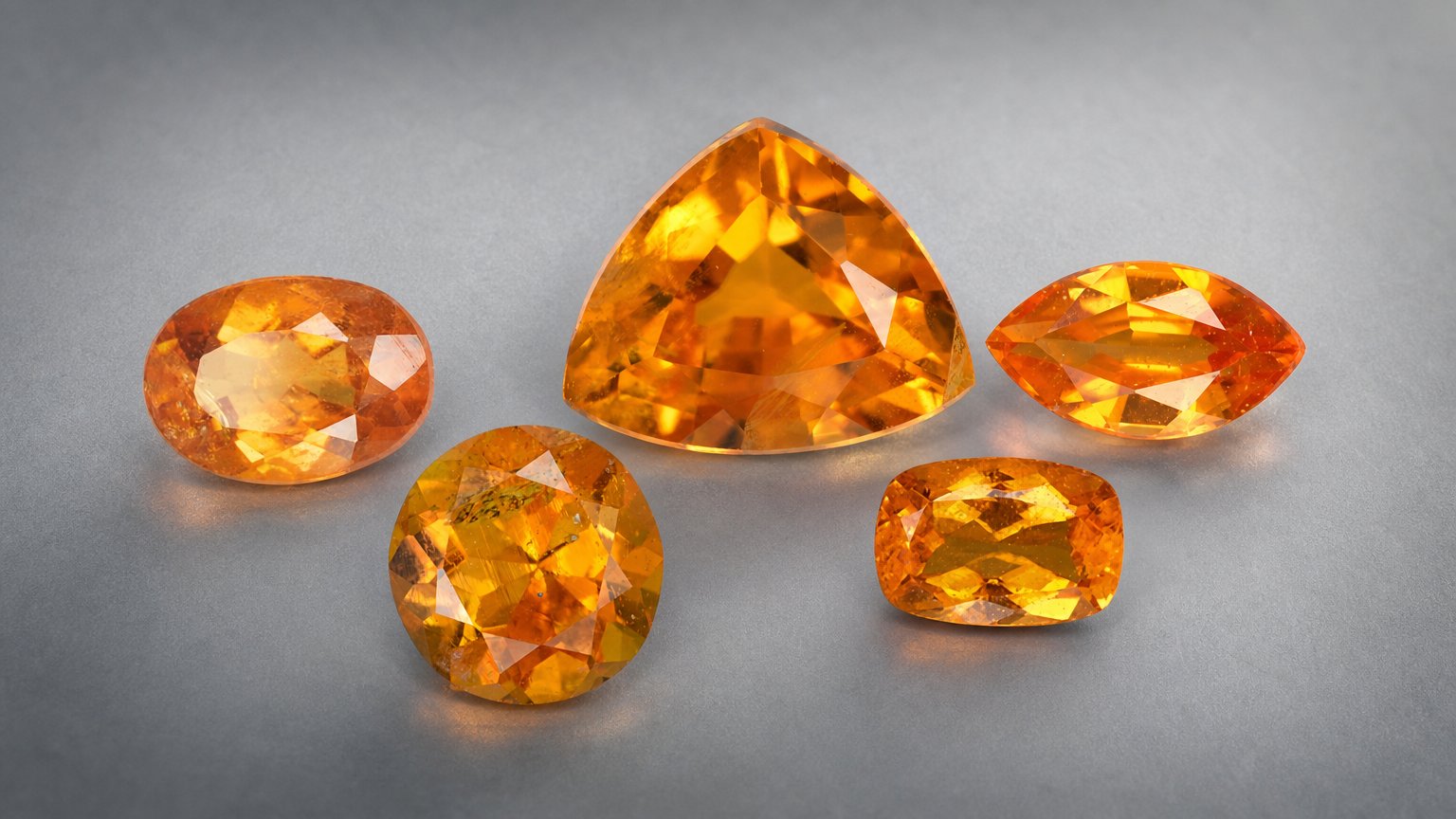
Clinohumite is most commonly faceted. Faceting helps display its color and light return, making it a strong choice for buyers who want sparkle rather than a soft, domed appearance. Step cuts are also used and can suit stones with clean color and good transparency, giving a more geometric and elegant look.
Common shapes include oval, octagon, pear and round, with cushion and trillion shapes also seen. Oval shapes are especially practical because they often balance color, spread and brilliance well. Octagon and step-cut styles can look refined, but buyers should check that the stone does not appear too dark through the center.
Cabochons and Portuguese cuts are less commonly associated with clinohumite. A cabochon may appeal if you prefer a smooth, polished surface over sparkle, while a Portuguese-style cut can create a lively appearance when the stone is well proportioned.
Clarity and Transparency
The supplied gem details should always be checked for transparency and visible inclusions. As with many colored gemstones, the most important question is not whether a stone is technically flawless, but whether inclusions affect beauty, brightness or durability.
For faceted clinohumite, choose a stone that looks clean and lively to the unaided eye, especially if it will be used in a ring, pendant or earrings. Inclusions that are obvious in the face-up view, reduce transparency or reach the surface should be considered more carefully.
Origins of Clinohumite
Clinohumite is associated with several origins, including Afghanistan, Sri Lanka, Tanzania, Myanmar and Russia. Afghanistan is especially important among the known origins, with Sri Lanka and Tanzania also notable.
Origin can be interesting for collectors, but for most jewelry buyers, appearance and disclosure are more important than country of origin. A fine-looking clinohumite with attractive color, suitable cut and clear information can be a better choice than a less appealing stone chosen only for origin.
Gemological Properties Buyers Should Know
Clinohumite has a Mohs hardness of 6 to 6.5, a refractive index of 1.629 to 1.674 and a specific gravity of 3.20 to 3.35. These numbers help gemologists identify and describe the gemstone, but they also give buyers practical clues about performance.
The hardness rating places clinohumite below everyday-hard gemstones such as sapphire or ruby. It can be used in jewelry, but it should be protected from abrasion, hard knocks and rough wear.
| Property | Clinohumite |
|---|---|
| Mineral association | Humite |
| Mohs hardness | 6-6.5 |
| Refractive index | 1.629-1.674 |
| Specific gravity | 3.20-3.35 |
| Crystal system | Monoclinic |
| Chemical formula | Mg₉(SiO₄)₄(F,OH)₂ |
Durability and Jewelry Use
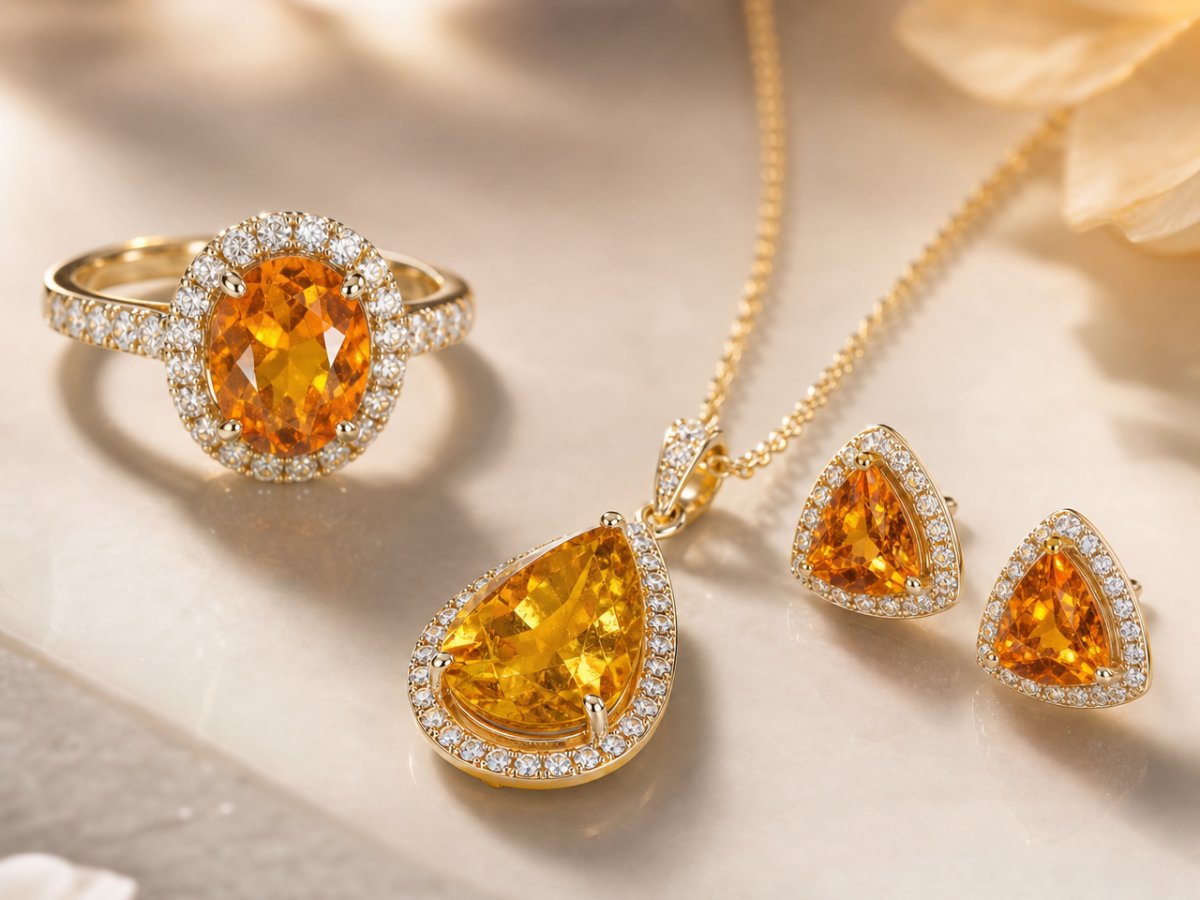
Clinohumite can be used in necklaces, pendants, earrings, bracelets and rings, but the setting and wear style matter. Its 6 to 6.5 hardness means it is reasonably wearable with care, yet not ideal for jewelry that receives constant impact or abrasion.
Pendants, necklaces and earrings are usually lower-risk choices because they are less exposed to knocks than rings or bracelets. Rings can be attractive, especially fashion rings, but they should be worn thoughtfully. Protective settings and occasional wear are sensible choices for clinohumite rings.
For bracelets, consider that wrist jewelry often contacts desks, door handles and other hard surfaces. If choosing clinohumite for a bracelet, a secure and protective design is important.
Treatments and Disclosure
Clinohumite is commonly associated with untreated gemstones. For buyers, this makes disclosure simple but still important: check the specific listing or gem report and confirm whether the stone is described as untreated.
At GemSelect, treatment information is provided so buyers can compare gemstones with confidence. As with any colored gemstone purchase, individual disclosure is more reliable than assumptions based on gem variety alone.
Practical Clinohumite Buying Tips
Choose color first
Start by deciding whether you prefer a bright yellow, a warmer orange, or a deeper brownish or greenish tone. Color has the strongest effect on the stone's personality and how it will look in jewelry.
Check the cut from the face-up view
A well-cut clinohumite should look balanced and lively when viewed from the top. Avoid stones that appear dull, overly deep or noticeably windowed, where the center looks pale or see-through.
Match the stone to the jewelry design
For daily-wear rings, consider a more protective design and realistic wear expectations. For pendants and earrings, you can prioritize color and shape more freely because the gem is less exposed to impact.
Use measurements, not carat weight alone
Colored gemstones with the same carat weight can face up differently depending on shape and cutting depth. Review millimeter dimensions as well as carat weight, especially when buying for an existing setting or matched jewelry design.
Confirm treatment status
Because clinohumite is commonly sold untreated, make sure that the specific stone's treatment information is clearly stated. This is an important part of informed gemstone buying.
Summary
Clinohumite is a distinctive choice for buyers who enjoy yellow and orange gemstones and want something outside the most common jewelry options. The best purchase is usually the stone that combines pleasing color, a bright and balanced cut, suitable size and clear treatment disclosure.
For jewelry, clinohumite works especially well in pendants, necklaces and earrings, while rings and bracelets require more care. When comparing options, focus on the individual gem's appearance and practical suitability rather than name alone.