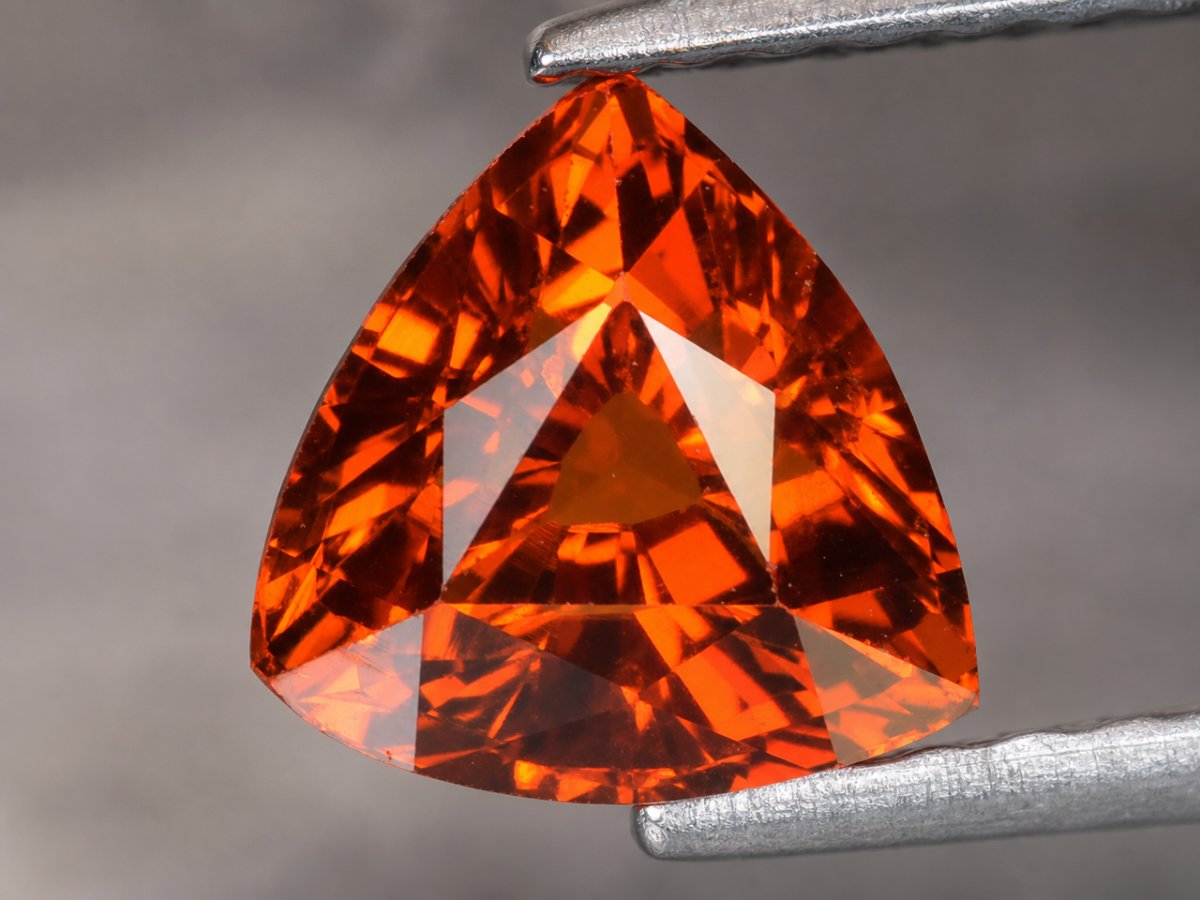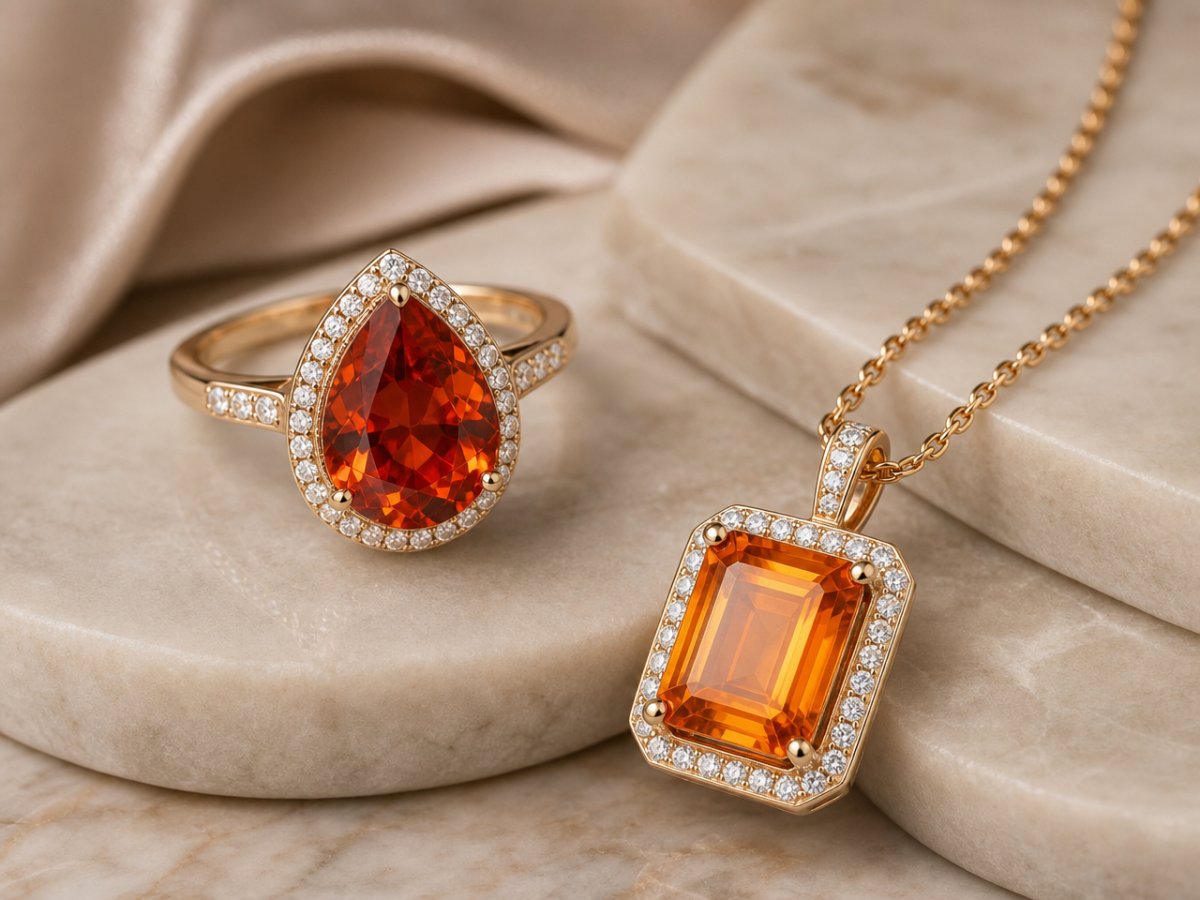


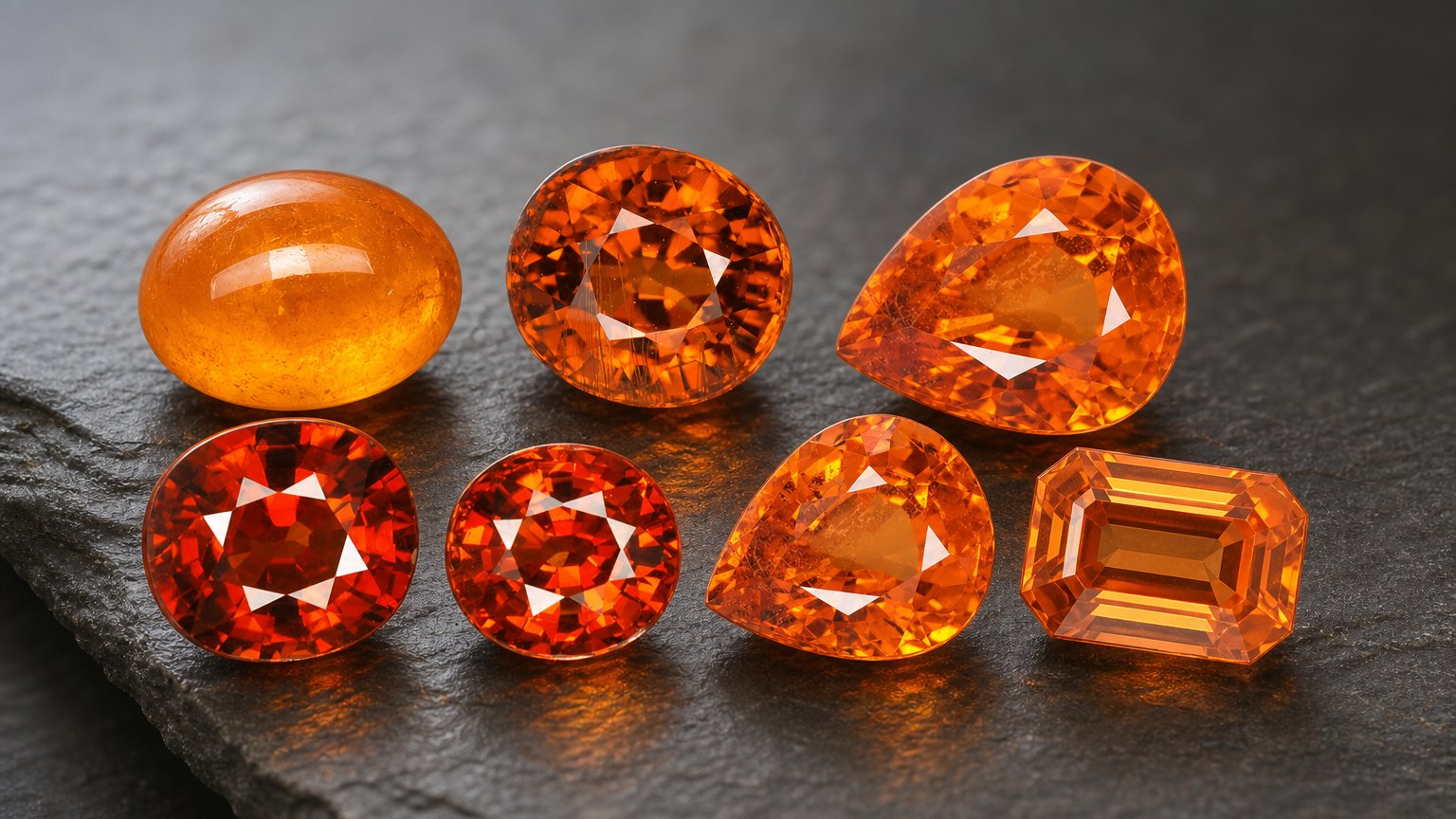
Spessartite garnet is one of the most distinctive orange to warm-toned garnets available to gemstone buyers. Its appeal comes from lively color, good versatility in jewelry design and the fact that it is commonly offered as an untreated gemstone. For buyers, the most important decisions usually involve choosing the right color, shape, cut style, size and setting style for the intended jewelry piece.
This guide explains what to look for before buying spessartite garnet, with practical advice for comparing loose stones online or in person. It is written for collectors, jewelers, jewelry designers and anyone selecting a gemstone for earrings, rings, pendants, necklaces or other custom jewelry.
What Is Spessartite Garnet?
Spessartite garnet is a variety of garnet associated with the mineral species spessartine. In the gem trade, the terms spessartite and spessartine are closely connected, and buyers will often see both used when describing this orange to warm-colored garnet material.
Like other garnets, spessartite is valued as a natural colored gemstone rather than as a diamond substitute. Its character is based on body color, brightness, transparency and how well the cutting style brings out its appearance. For many buyers, the attraction is its vivid orange color range, which can look energetic in modern jewelry and rich in more traditional designs.
Spessartite garnet is also part of the broader garnet family, which is associated with January as a birthstone. This makes it an interesting choice for buyers who want a January birthstone but prefer a warm orange, yellowish, brownish or reddish look rather than the darker red shades many people first associate with garnet.
Color and Appearance: The Main Buying Factor
Color is usually the first feature buyers notice in spessartite garnet. The best choice depends on personal taste and the style of jewelry being made, but it is important to understand the color range before comparing stones.
Orange Is the Signature Color
Orange is the most important and recognizable color for spessartite garnet. Buyers often choose it specifically because it offers a warm, bright appearance that stands apart from many other garnets. When comparing orange stones, look at hue, tone and saturation.
Hue is the basic color impression, such as pure orange, yellowish orange or reddish orange. Tone describes how light or dark the gem appears. Saturation describes the strength or intensity of the color. A stone with strong saturation can appear more vivid, while a stone with a softer tone may look gentler and easier to match with certain jewelry metals or companion gems.
Yellow, Brown and Red Modifiers
Spessartite garnet may also show yellow, brown or red influences. Yellow can give the gem a brighter golden appearance. Brown can create an earthy, autumnal look that may suit vintage-inspired designs or men’s jewelry. Red influence can make the gem appear warmer and deeper.
None of these modifiers is automatically good or bad. The best choice depends on the look you want. A buyer choosing a statement pendant might prefer a bold orange or reddish orange stone, while a designer creating understated earrings may prefer a softer yellow-orange or brownish-orange appearance.
Check Color in Different Lighting
When buying any colored gemstone, color should be evaluated under more than one lighting condition whenever possible. Photos can vary depending on lighting, screen settings and background color. If you are buying online, review all available images and videos, and pay attention to whether the stone appears consistently attractive from different angles.
For matching pairs, such as earrings or cufflinks, color consistency is especially important. Two stones do not have to be perfectly identical, but they should look balanced when worn together.
Clarity and Transparency
Clarity refers to how free a gemstone is from visible internal features or surface-reaching characteristics. With spessartite garnet, buyers should focus on the practical effect of clarity: does anything distract from the beauty of the gem when viewed normally?
For faceted stones, look for a clean and lively face-up appearance. Small internal features may be acceptable if they do not reduce transparency or interrupt the color. Larger inclusions, cracks or cloudy areas may affect the way light moves through the stone and can make the gem look less bright.
For cabochons, the buying priorities are slightly different. A cabochon has a smooth, domed surface rather than flat facets, so the appeal depends more on color, polish, outline and an attractive surface. Cabochon-cut spessartite garnet can be a good choice for buyers who like a softer, more solid-looking gem appearance.
Cut Styles and Shapes
Cut has a major effect on how spessartite garnet looks in jewelry. A well-cut stone should display pleasing color, good symmetry and an outline that fits the intended setting.
Faceted Spessartite Garnet
Faceted stones are common for spessartite garnet and are chosen when buyers want brightness and sparkle. Faceting uses flat polished surfaces to reflect light back to the viewer. When evaluating a faceted stone, look for even shape, balanced proportions and a face-up appearance that does not show large dark or lifeless areas.
Mixed cuts are also used and can combine different facet arrangements to balance brilliance, color and weight retention. For buyers, the name of the cut is less important than the visual result: the stone should look attractive, symmetrical and lively.
Step Cuts and Octagonal Shapes
Step cuts, often seen in rectangular or octagonal outlines, can give spessartite garnet a clean, architectural look. Instead of many small sparkling flashes, step cuts tend to emphasize broad reflections and color. This can be appealing for elegant rings, pendants or cufflinks.
Because step cuts can make internal features more noticeable than some brilliant-style cuts, buyers should inspect clarity carefully if choosing this style.
Cabochons
Cabochon-cut spessartite garnet has a smooth top and no pavilion facets. This style can highlight body color and create a softer, more classic appearance. Cabochons are often suited to bezel settings, statement rings and pendants where the design emphasizes color and shape rather than sparkle.
Popular Shapes
Oval and round shapes are especially common and versatile. Ovals can create a flattering elongated look in rings and pendants, while rounds are easy to use in balanced, symmetrical designs. Cushion, octagon and pear shapes are also attractive choices, depending on the design. Heart and trillion shapes may suit buyers looking for a more distinctive or decorative style.
Size, Measurements and Proportions
When comparing spessartite garnets, do not rely on carat weight alone. Colored gemstones can have different proportions, so two stones of the same weight may look different in face-up size. Always check the measurements in millimeters, especially if you are buying a gem for an existing setting or a specific design.
For rings, the length, width and depth all matter. A stone that is too deep may sit high in the setting, while a very shallow stone may not display its best color. For earrings, weight and diameter should be comfortable and visually balanced. For pendants and necklaces, buyers often have more flexibility because the stone is not exposed to the same type of daily impact as a ring stone.
Origins of Spessartite Garnet
Spessartite garnet is known from several sources. Important origins include Mozambique and Namibia, and material is also associated with Madagascar, Nigeria and Tanzania. Brazil and Sri Lanka are additional origins that may appear in the market.
Origin can be interesting to collectors and may be relevant when building a collection around locality. For most jewelry buyers, however, the visible quality of the individual gemstone should remain the priority. Color, cut, clarity, size and treatment disclosure usually matter more to the finished look of the jewelry than the country name alone.
If origin is important to you, look for clear product information and ask whether origin details are available. When buying from GemSelect, review the individual gemstone listing for the details supplied for that stone.
Treatments and Disclosure
Spessartite garnet is commonly offered untreated. This is an important point for buyers who prefer natural gemstones without enhancement. Treatment disclosure should still be checked for each individual stone, because responsible buying means confirming the information attached to the gem you are purchasing.
When reviewing a listing, look for a clear treatment field. Untreated means the gemstone has not been enhanced by a treatment process to change its appearance. If treatment information is not obvious, ask before buying. Transparent disclosure helps buyers compare gemstones fairly and choose with confidence.
Durability and Jewelry Use
Spessartite garnet is used in several types of jewelry, including earrings, rings, necklaces, pendants and cufflinks. The best setting choice depends on how often the piece will be worn and how much contact it will have with hard surfaces.
Rings
Rings are one of the most popular uses for spessartite garnet, but they also expose gemstones to more knocks and abrasion than most other jewelry types. If you plan to wear a spessartite garnet ring often, consider a protective setting, especially for shapes with points such as pear, heart or trillion. Bezels, partial bezels and well-designed prongs can help protect edges while keeping the gemstone visible.
Earrings
Earrings are an excellent use for spessartite garnet because they allow color to be seen clearly while generally exposing the stones to less impact than rings. Matched orange garnets can make striking studs or drops. When buying pairs, prioritize similar size, color and brightness.
Pendants and Necklaces
Pendants and necklaces are well suited to spessartite garnet, particularly when you want a larger visible area of color. Ovals, pears, cushions and rounds can all work well. A pendant setting can also show off a warmer yellow-orange, reddish-orange or brownish-orange stone without requiring the same level of protection needed for a daily-wear ring.
Cufflinks
Spessartite garnet can also be used in cufflinks, especially in darker or more brownish warm tones. For cufflinks, matched size and color are important, and cabochons or step-cut stones can create a clean, polished appearance.
How to Compare Spessartite Garnets Before Buying
A good buying process is simple: compare gemstones by the features that affect appearance, wearability and suitability for your design. Start with color, then evaluate cut, clarity, size, treatment status and shape.
1. Choose the Color You Prefer
Decide whether you want a bright orange look, a golden yellow-orange tone, a richer reddish orange or a more earthy brownish orange. This will quickly narrow your options and make comparison easier.
2. Match Cut Style to the Design
Choose faceted stones for brightness, step cuts for a refined geometric look and cabochons for smooth color and a softer style. The cut should support the jewelry design, not fight against it.
3. Inspect Face-Up Appearance
Look at the gemstone from the top, as it will appear when set. Check whether the color is attractive, the shape is even and the stone has pleasing life. Avoid focusing only on technical labels if the visual result does not appeal to you.
4. Confirm Measurements
Use millimeter measurements when planning settings. This is especially important for calibrated jewelry designs, matched pairs and replacement stones.
5. Check Treatment Disclosure
Because spessartite garnet is commonly untreated, buyers often expect clear confirmation. Make sure the listing states treatment status so you know exactly what you are buying.
6. Buy for the Intended Use
A ring, pendant and pair of earrings may require different priorities. Rings need more attention to setting protection. Earrings need matching. Pendants can often emphasize size, color and shape. Cufflinks benefit from balance and a clean outline.
Buying Spessartite Garnet Online
Online buying can work very well for loose colored gemstones when the listing gives enough information. Look for clear photos, accurate dimensions, shape, cut style, weight, treatment status and origin information where available. If buying pairs or sets, check that the stones are compatible in size, color and overall appearance.
At GemSelect, buyers can compare individual loose gemstones by their listed characteristics, which is helpful for designers and jewelers who need specific sizes and shapes. As with any gemstone purchase, use the details in the individual listing rather than assuming every stone will have the same appearance.
Summary
Spessartite garnet is a warm, attractive garnet variety best known for orange color, with possible yellow, brown and red influences. It is commonly available as untreated material and can be used in rings, earrings, pendants, necklaces and cufflinks. For most buyers, the best spessartite garnet is the one that combines appealing color, a suitable cut, good face-up appearance and the right measurements for the intended jewelry design.
Before buying, compare stones carefully rather than relying on a single factor. Color may draw you in, but cut, clarity, size, shape, treatment disclosure and setting choice will determine how well the gemstone performs in the finished piece.