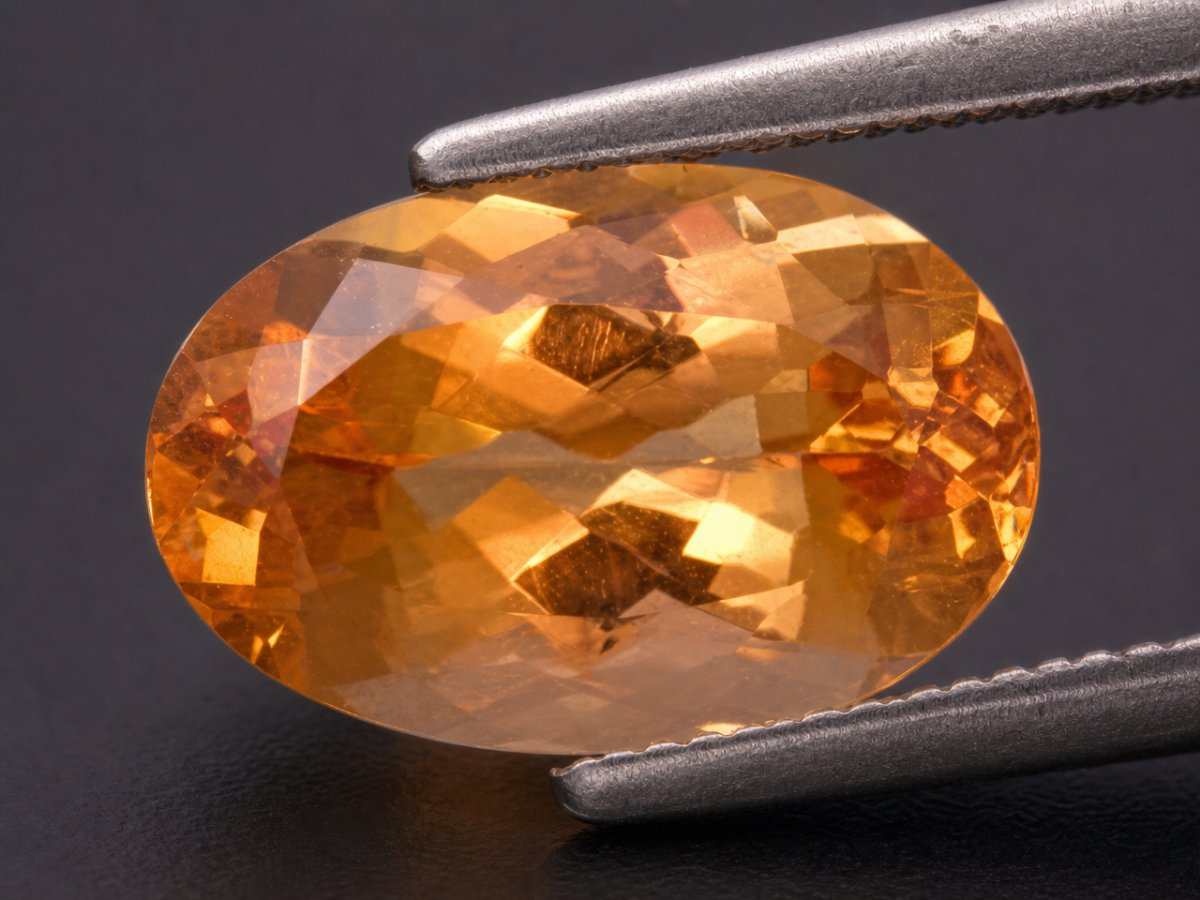


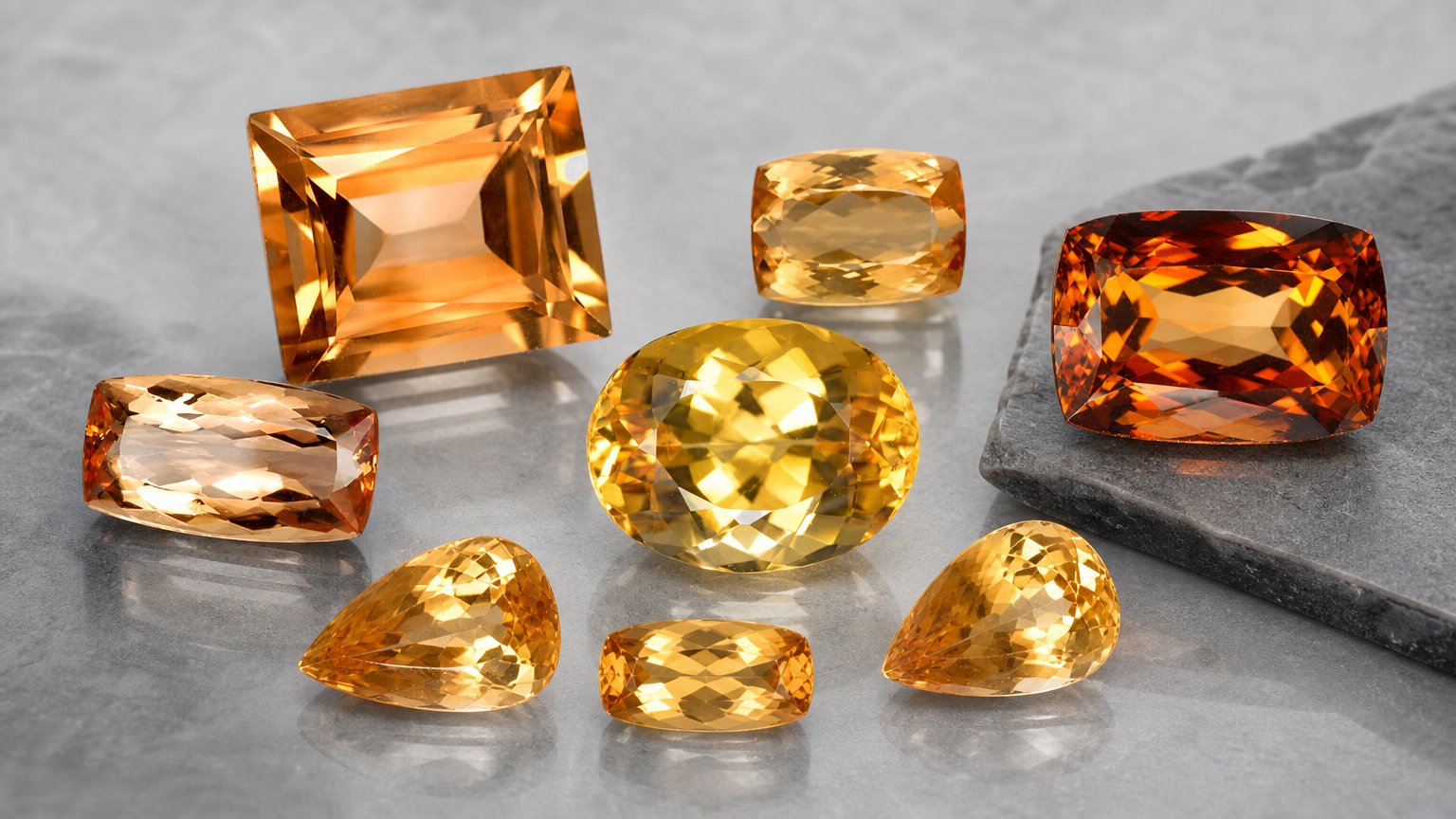
Imperial Topaz is a distinctive variety of topaz admired for its warm orange and yellow colors. For buyers, its appeal is practical as well as visual: it is available in attractive faceted shapes, it suits a range of jewelry styles, and it carries a November birthstone association. A good purchase begins with understanding what affects appearance and wearability, especially color, cut, clarity, size, treatment disclosure and intended jewelry use.
This guide explains what to look for before buying Imperial Topaz, how to compare stones online, and which details matter most when selecting a gem for a ring, pendant, earrings or necklace. Whether you are choosing a single center stone or matching gems for a custom design, the goal is to help you buy with confidence and avoid surprises.
What Is Imperial Topaz?
Imperial Topaz is a variety of the mineral species topaz. Within the topaz family, Imperial Topaz is especially associated with warm body colors, most notably orange and yellow. These colors are central to its identity and should be the first feature buyers evaluate when comparing stones.
Because topaz occurs in more than one color variety, the name on a listing matters. When shopping, look for clear identification as Imperial Topaz rather than relying on color alone. A transparent product description should state the gemstone name, shape, cutting style, weight, dimensions and treatment status. At GemSelect, comparing individual gemstone photos and measurements can help you choose a stone that fits both your design and your preferred color appearance.
Color and Appearance: The Most Important Buying Factor
Color is the main reason most buyers choose Imperial Topaz. The best choice is not simply the darkest stone or the lightest stone; it is the gem whose color looks attractive to you in the jewelry style you plan to make. Imperial Topaz is known for orange and yellow colors, with orange receiving the strongest association. Yellow stones can also be attractive, especially when they have a bright, lively appearance.
Orange Imperial Topaz
Orange is the key color to consider when buying Imperial Topaz. A well-cut orange stone can look warm, rich and lively, especially in pendant and ring designs where the gem is viewed directly. When comparing orange stones, pay attention to three visual qualities: hue, tone and saturation.
Hue is the basic color impression, such as orange or yellow-orange. Tone describes how light or dark the stone appears. Saturation refers to the strength or intensity of the color. These terms are useful because two Imperial Topaz gemstones may both be described as orange, yet one may look soft and golden while another looks deeper and more vivid.
Yellow Imperial Topaz
Yellow is also associated with Imperial Topaz and can be a good choice for buyers who prefer a lighter, brighter or sunnier look. Yellow stones may work especially well in earrings, pendants and necklace designs where sparkle and visibility are important. As with orange stones, evaluate the overall balance of color and brilliance rather than relying on a single word in the description.
How Lighting Affects Your Choice
Gemstone color can appear different under various lighting conditions. A gem photographed in bright studio light may look different from the same stone in softer indoor lighting. When buying online, review all available photos and videos if provided. Look for a color that remains appealing across images rather than judging from one image alone.
If you are buying Imperial Topaz for a custom jewelry project, also consider the metal color. Warm-toned metals can emphasize the orange and yellow character of the stone, while cooler-toned metals may create more contrast. This is a design preference rather than a grading rule, but it can make a significant difference to the finished piece.
Clarity and Transparency
Clarity describes the presence or absence of internal features and surface-reaching characteristics. In transparent faceted gemstones, buyers usually prefer stones that look clean to the unaided eye, especially for rings and pendants where the gem is examined closely. However, minor inclusions may not affect beauty if they are small, well placed or difficult to see once the stone is set.
When evaluating clarity, avoid focusing only on magnified photos. Magnification can make natural features look more noticeable than they will appear in normal viewing. Instead, ask practical questions: Does the gem look bright? Are any inclusions obvious face-up? Do they interrupt the color or brilliance? For earrings and necklace stones, where the viewing distance is usually greater, slight clarity features may be less important than color match and overall appearance.
Cut, Shape and Brilliance
Imperial Topaz is most commonly offered as a faceted gemstone. Faceting uses flat polished surfaces to reflect light and display color. A good faceted cut should help the stone look lively, with balanced brightness across the face of the gem. Cabochon cutting, which produces a smooth domed surface rather than facets, is less commonly associated with Imperial Topaz but may be encountered in some designs.
Popular Shapes
Cushion, oval and pear shapes are especially relevant for Imperial Topaz buyers. Each offers a different look. Cushion shapes provide a softened square or rectangular outline that can suit both classic and contemporary settings. Oval shapes are versatile and often work well in rings and pendants. Pear shapes create a graceful teardrop outline, making them appealing for pendants, earrings and distinctive ring designs.
Octagon and round shapes are also seen and may be good choices depending on the setting. Octagon shapes can give Imperial Topaz a structured, elegant appearance, while round shapes are familiar and easy to incorporate into many jewelry designs. Trillion shapes may be considered for buyers who want a more geometric style or a stone suited to accent or statement designs.
What to Check in a Cut
When comparing faceted Imperial Topaz, look at the face-up appearance first. A stone should not appear overly dark in the center, washed out at the edges or visually unbalanced. Symmetry matters because uneven outlines can complicate setting and may affect the finished appearance of the jewelry.
Dimensions are also important. Two stones of the same carat weight can have different length, width and depth. For jewelry design, millimeter measurements are often more useful than carat weight alone. A pendant may allow more flexibility in depth, while a ring setting may require tighter dimensional planning.
Size and Carat Weight
Carat weight measures weight, not visible size. Because gemstones can be cut with different proportions, one Imperial Topaz may face up larger or smaller than another of the same weight. Buyers should compare both carat weight and dimensions before purchasing.
For rings, consider how the stone size will affect comfort, setting security and everyday wear. Larger gems can make a strong visual statement but may require more protective settings. For pendants and necklaces, larger stones can be easier to wear because they are less exposed to knocks than ring stones. For earrings, weight and matching become more important; even if each stone is beautiful individually, the pair should look balanced when worn.
Origin: Brazil, Pakistan and Russia
Origin can be of interest to collectors and buyers who appreciate gemstone provenance. Brazil is the most important origin associated with Imperial Topaz and is the origin buyers will most often see emphasized. Pakistan is also associated with Imperial Topaz, while Russia has a more limited association.
When buying, origin should be considered alongside appearance and documentation. A stated origin may add interest, but it should not replace careful evaluation of color, cut, clarity, size and treatment status. If origin is important to your purchase, choose sellers that provide clear information and be prepared to ask questions before buying.
Treatments and Disclosure
Treatment disclosure is a key part of responsible gemstone buying. Imperial Topaz is strongly associated with untreated stones, and many buyers specifically look for untreated material. Heat treatment is also associated with Imperial Topaz, but less commonly. Because treatment can affect how buyers compare gemstones, it should be clearly disclosed in the product information.
An untreated gemstone has not been altered by a treatment process to change its appearance. Heat treatment, in general gemological terms, uses controlled heating to affect color or appearance in some gemstones. If a stone is listed as heated, that information should be part of your buying decision. If a stone is listed as untreated, keep a copy of the product information or invoice for your records, especially if the gem is intended for a custom jewelry piece or collection.
Do not assume treatment status based on appearance alone. Two stones may look similar but have different treatment histories. Always review the seller’s disclosure and ask for clarification if anything is unclear.
Durability and Everyday Wear
Imperial Topaz is used in rings, pendants, earrings and necklaces, but the right setting and care plan depend on how the jewelry will be worn. Rings are exposed to more knocks, abrasion and contact with hard surfaces than pendants or earrings. If you are choosing Imperial Topaz for a ring, consider a setting that protects the edges and points of the stone, especially for pear, trillion or other shapes with vulnerable corners or tips.
Pendants and necklaces are often practical choices because they place the stone away from the hands, reducing the chance of impact. Earrings are also a popular use and can show color beautifully, particularly when matching stones are selected for similar size, shape and tone.
For any Imperial Topaz jewelry, remove the piece before strenuous activity, heavy cleaning or situations where it may be struck. Store gemstones and jewelry separately so harder items do not scratch or chip other pieces. When cleaning, follow the care advice given by your jeweler or gemstone seller, especially if the gem is already mounted.
Best Jewelry Uses for Imperial Topaz
Imperial Topaz Pendants
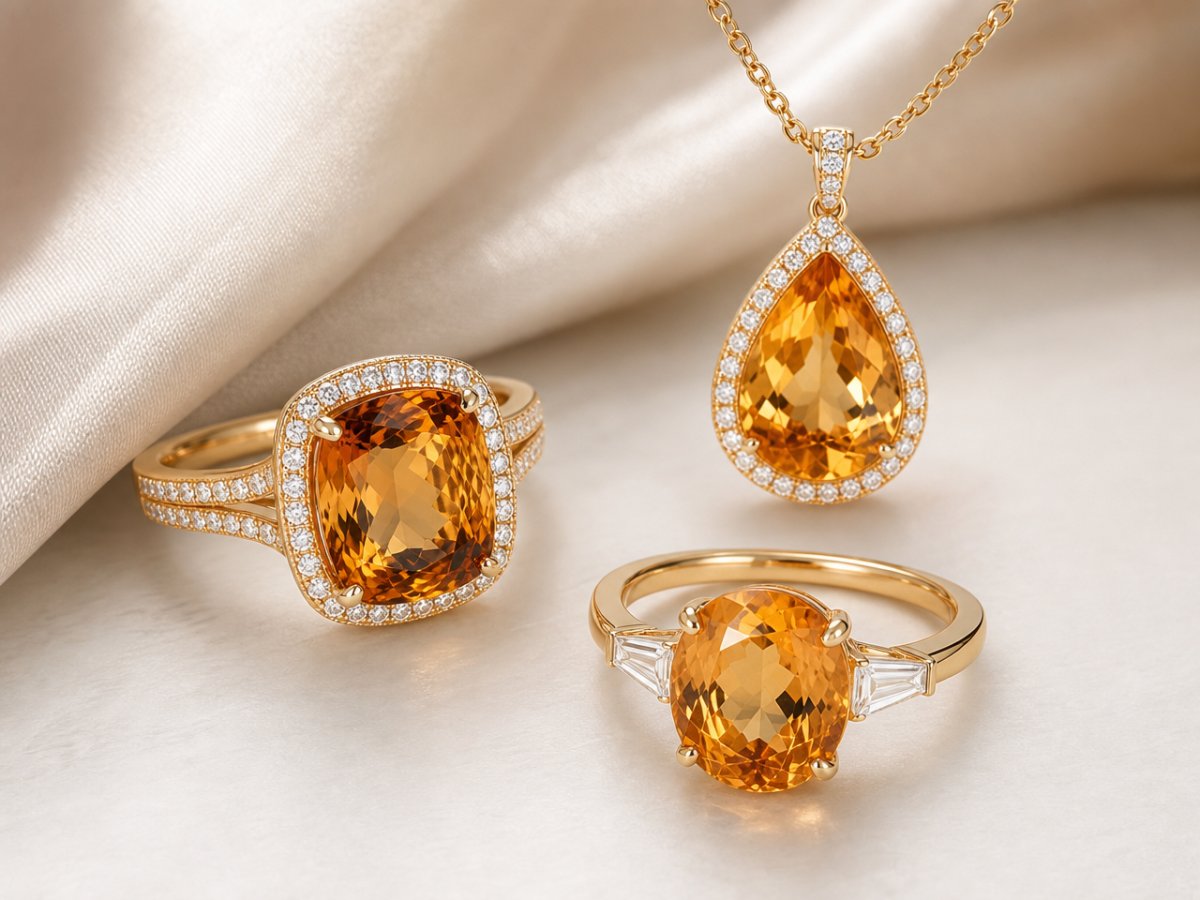
Pendants are one of the strongest jewelry choices for Imperial Topaz. They allow the color to be displayed prominently while keeping the gemstone relatively protected compared with a ring. Oval, pear and cushion shapes all work well for pendant designs, depending on whether you prefer a classic, graceful or softly geometric outline.
Imperial Topaz Rings
Imperial Topaz rings can be beautiful, especially when the stone has strong orange or yellow color and a lively faceted cut. For rings, prioritize a secure setting and consider how often the piece will be worn. A ring for occasional wear can allow more design freedom, while a ring intended for frequent use should be planned with protection and practicality in mind.
Imperial Topaz Earrings and Necklaces
Earrings are a good choice for buyers who want visible color without the same level of exposure as a ring. When buying pairs, compare shape, size, color tone and overall brightness. A perfect match is not always necessary for every design, but the stones should look harmonious when worn together.
Necklaces can incorporate a single Imperial Topaz or multiple stones. In multi-stone designs, consistency becomes important. Try to choose gems with compatible color and shape so the final piece looks intentional and balanced.
Practical Buying Checklist
Before purchasing Imperial Topaz, review the following points:
- Color: Decide whether you prefer the stronger orange association or a brighter yellow appearance.
- Cut: Faceted stones are most common; look for good brightness, symmetry and an attractive face-up view.
- Shape: Cushion, oval and pear shapes are especially relevant, with octagon, round and trillion also available for certain designs.
- Clarity: Focus on what is visible to the unaided eye, not only magnified images.
- Dimensions: Check millimeter measurements as well as carat weight, especially for custom settings.
- Treatment: Confirm whether the stone is untreated or heat treated.
- Origin: Brazil is the most important associated origin; Pakistan and Russia may also be noted.
- Jewelry use: Match the stone shape and size to the intended design, particularly for rings.
Buying Imperial Topaz Online
Online buying works best when each gemstone is individually described and photographed. Look for clear images, accurate dimensions, stated weight, shape, cutting style and treatment information. If you are buying a matched pair or several stones for a necklace, compare them side by side for color and size consistency.
For custom jewelry, choose the gemstone before finalizing the setting whenever possible. This allows the jeweler to design around the actual dimensions and shape of the stone rather than an approximate size. If you are shopping through GemSelect, use the listed measurements, photos and treatment details to narrow your options and select the stone that best matches your project.
Summary
Imperial Topaz is a warm-colored topaz variety best known for orange and yellow gems. The most important buying decision is color, followed closely by cut quality, shape, clarity, size and treatment disclosure. Faceted stones are the standard choice, with cushion, oval and pear shapes especially popular for jewelry. Brazil is the leading associated origin, while Pakistan and Russia may also be encountered.
For rings, think carefully about setting protection and wear habits. For pendants, earrings and necklaces, focus on color visibility, proportion and overall design balance. A confident Imperial Topaz purchase comes from comparing individual stones carefully and choosing the gem that best fits your style, budget and intended jewelry use.