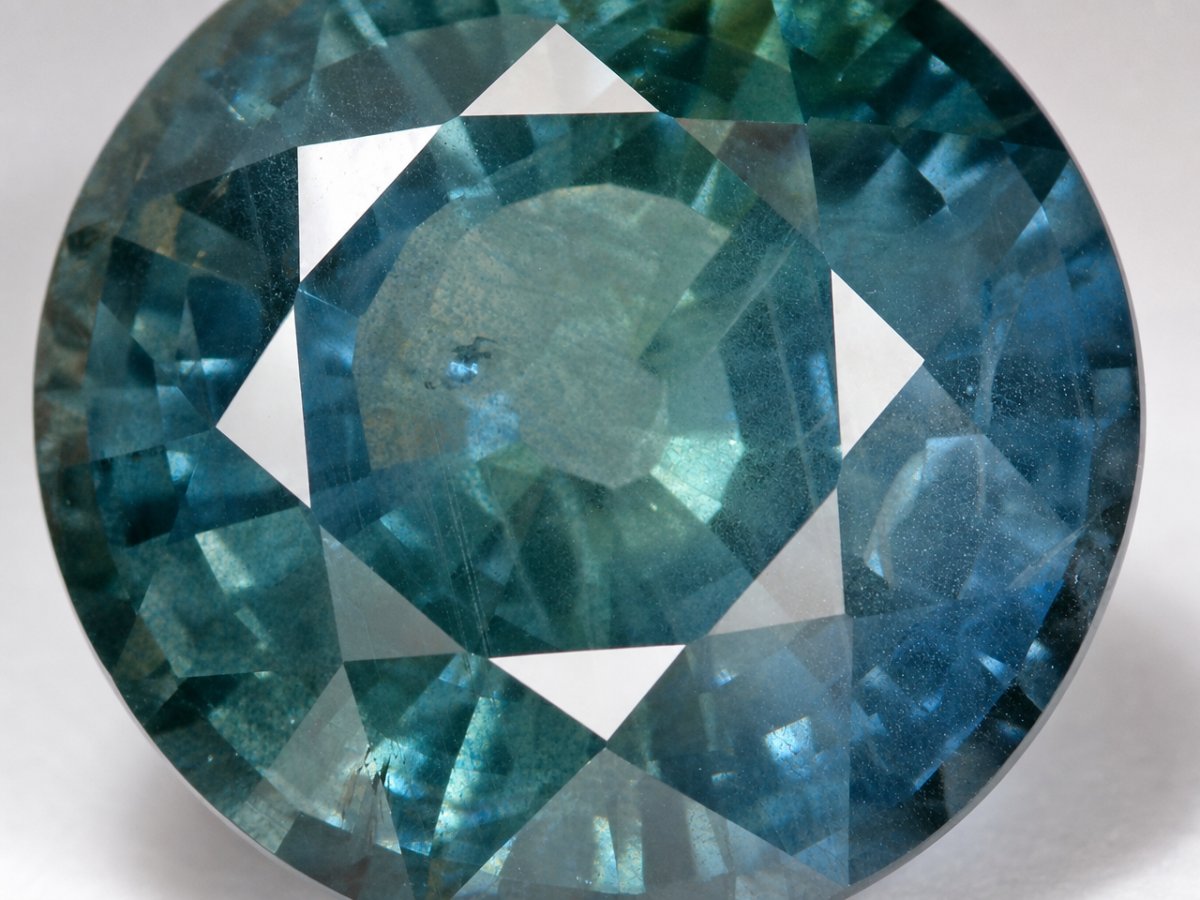


Teal sapphire is a distinctive color variety of sapphire, prized by many buyers for its blend of blue-green color and its practical durability. Because it belongs to the corundum mineral species, it has the same excellent hardness that makes sapphire suitable for everyday jewelry, including engagement rings.
This guide focuses on the buying decisions that matter most: color, cut, clarity, treatment disclosure, size, origin and jewelry use. Whether you are choosing a center stone, matching gems for earrings or a collector piece, the goal is to help you compare teal sapphires with confidence.
What Is Teal Sapphire?
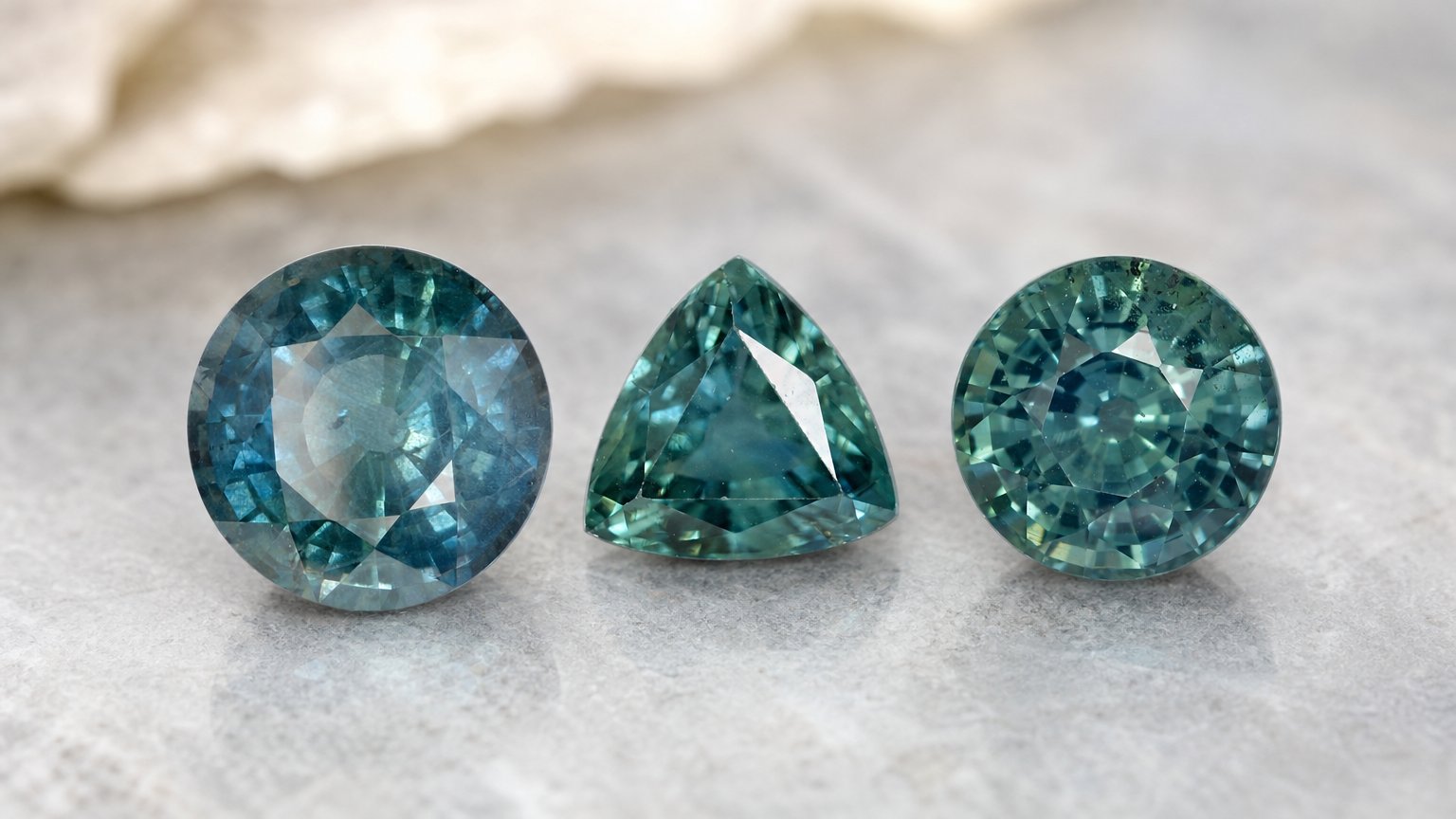
Teal sapphire is a sapphire with a teal or multicolor appearance. Teal sits between blue and green, so the most important visual question is usually how much blue, green or mixed color you prefer. It is a variety of sapphire and, mineralogically, sapphire is corundum with the chemical formula Al₂O₃.
Like other sapphires, teal sapphire has a trigonal crystal system, a refractive index of 1.762-1.770 and a specific gravity of 4.00. For buyers, the most practical property is its Mohs hardness of 9, which places it among the most durable commonly used jewelry gemstones.
Color: The Main Buying Factor
Color is the first feature most buyers notice in teal sapphire. Some stones appear strongly teal, while others show a more multicolor look. When comparing gems, look at the stone face-up rather than judging it only from the side or back. Face-up color is what you will see when the gemstone is set in jewelry.
Consider these color questions before buying:
- Blue-green balance: Do you prefer a cooler, bluer teal or a greener teal?
- Evenness: Is the color attractive across the face of the stone, or does it appear patchy in a way you dislike?
- Lighting: View the gemstone under more than one light source when possible, because mixed-color gems can look different in daylight, indoor lighting and jewelry display lighting.
- Personal style: Teal sapphire is often chosen because it is less traditional than classic blue sapphire while still offering sapphire durability.
There is no single best teal shade for every buyer. The right choice is the one that looks appealing to you in the size, shape and setting style you plan to use.
Clarity and Transparency
For faceted teal sapphire, clarity should be judged by overall appearance. Small internal features are common in many natural gemstones and may not affect beauty if they are not distracting. The key is whether inclusions are obvious face-up, reduce brightness or interfere with the look you want.
If you are buying a stone for an engagement ring or a prominent ring, prioritize a pleasing face-up appearance. For earrings and pendants, minor inclusions may be less noticeable because the gems are viewed from a greater distance.
Cut, Shape and Size
Teal sapphire is most commonly sold as a faceted gemstone, which helps display brilliance and color. Step cuts are also used and can give the gem a cleaner, geometric appearance. Cabochons, diamond cuts and checkerboard styles are also seen, though faceted and step-cut stones are generally the most relevant for buyers comparing center stones.
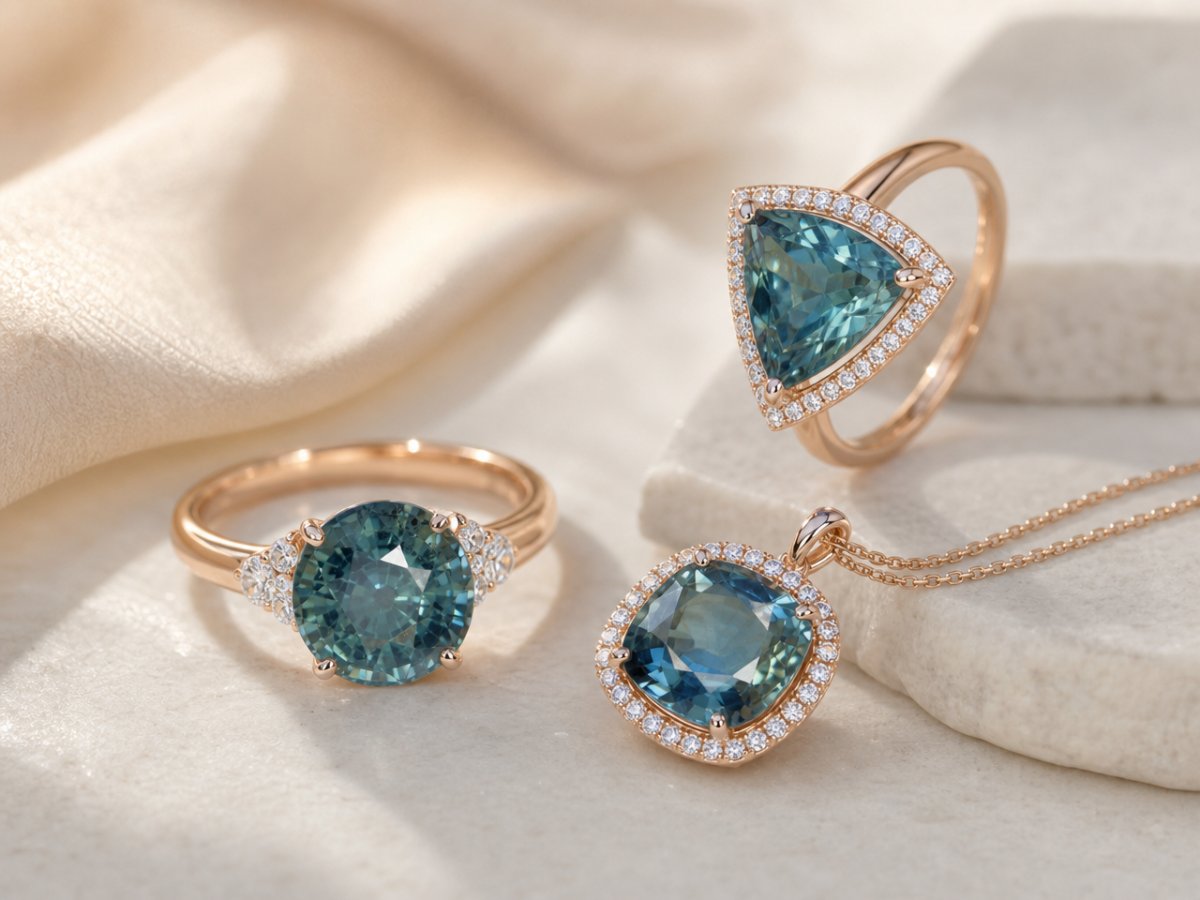
Popular shapes include oval, cushion, pear, round and trillion. Ovals are especially practical because they often provide a generous face-up look and work well in rings, pendants and earrings. Cushion and round shapes suit classic jewelry designs, while pear and trillion shapes can make a design feel more distinctive. Octagon and square shapes are good options for buyers who prefer straighter lines and step-cut styling.
When comparing size, do not rely on carat weight alone. Two sapphires of the same weight can appear different in face-up size depending on shape and cutting proportions. Always check the millimeter dimensions if the stone must fit a specific setting.
Treatments and Disclosure
Heat treatment is common for teal sapphire, and untreated teal sapphires are also available. Treatment disclosure is important because it helps you understand exactly what you are buying and compare stones fairly.
A practical buying approach is to read the treatment information carefully before purchase. If a gemstone is listed as heated, untreated or with another disclosed treatment such as Be heating, that information should be part of your comparison along with color, clarity, cut and size. At GemSelect, buyers can review individual gemstone details to confirm treatment status before choosing a stone.
Origins of Teal Sapphire
Teal sapphire is associated with several origins, including Madagascar, Australia, the United States and Thailand. Madagascar is an especially important origin for teal sapphire, with Australia also notable. Origin can be interesting for collectors or buyers who prefer gems from a particular source.
For most jewelry buyers, appearance and disclosure should come first. A beautiful, well-cut teal sapphire with clear treatment information may be a better choice than buying by origin alone. If origin matters to you, make sure it is stated in the gemstone details.
Durability and Jewelry Use
With a Mohs hardness of 9, teal sapphire is a strong choice for everyday jewelry. It is especially suitable for rings and engagement rings, where durability is a major concern. It is also well suited to earrings, pendants and necklaces, and it can be used in bracelets when the setting is protective enough for the design.
Even though sapphire is hard, no gemstone is indestructible. Rings and bracelets are more exposed to knocks than earrings or pendants, so a secure setting and sensible wear are still important. For pointed shapes such as pear, marquise or trillion, consider settings that protect vulnerable tips.
How to Choose a Teal Sapphire
Start with the look you want, then narrow your choice by practical requirements. A simple buying checklist can help:
- Choose the color first: Decide whether you prefer a balanced teal, a bluer teal, a greener teal or a multicolor appearance.
- Check the face-up view: Look for appealing color, good brightness and no distracting inclusions.
- Match the shape to the jewelry: Oval, cushion, round, pear and trillion are versatile choices for rings and pendants.
- Review dimensions: Use millimeter measurements if the gemstone must fit a mount or design plan.
- Confirm treatment: Compare heated, untreated and other disclosed treatments knowingly.
- Consider use: For engagement rings and daily rings, prioritize a secure setting and a cut that suits regular wear.
Summary
Teal sapphire offers the durability of corundum with a distinctive teal or multicolor appearance. The best stone is not chosen by one factor alone. Color is usually the main attraction, but cut quality, clarity, dimensions, treatment disclosure and jewelry use all influence how satisfied you will be with the purchase.
For buyers who want a gemstone suitable for rings, engagement rings and everyday jewelry, teal sapphire is a practical and attractive option when selected carefully.