


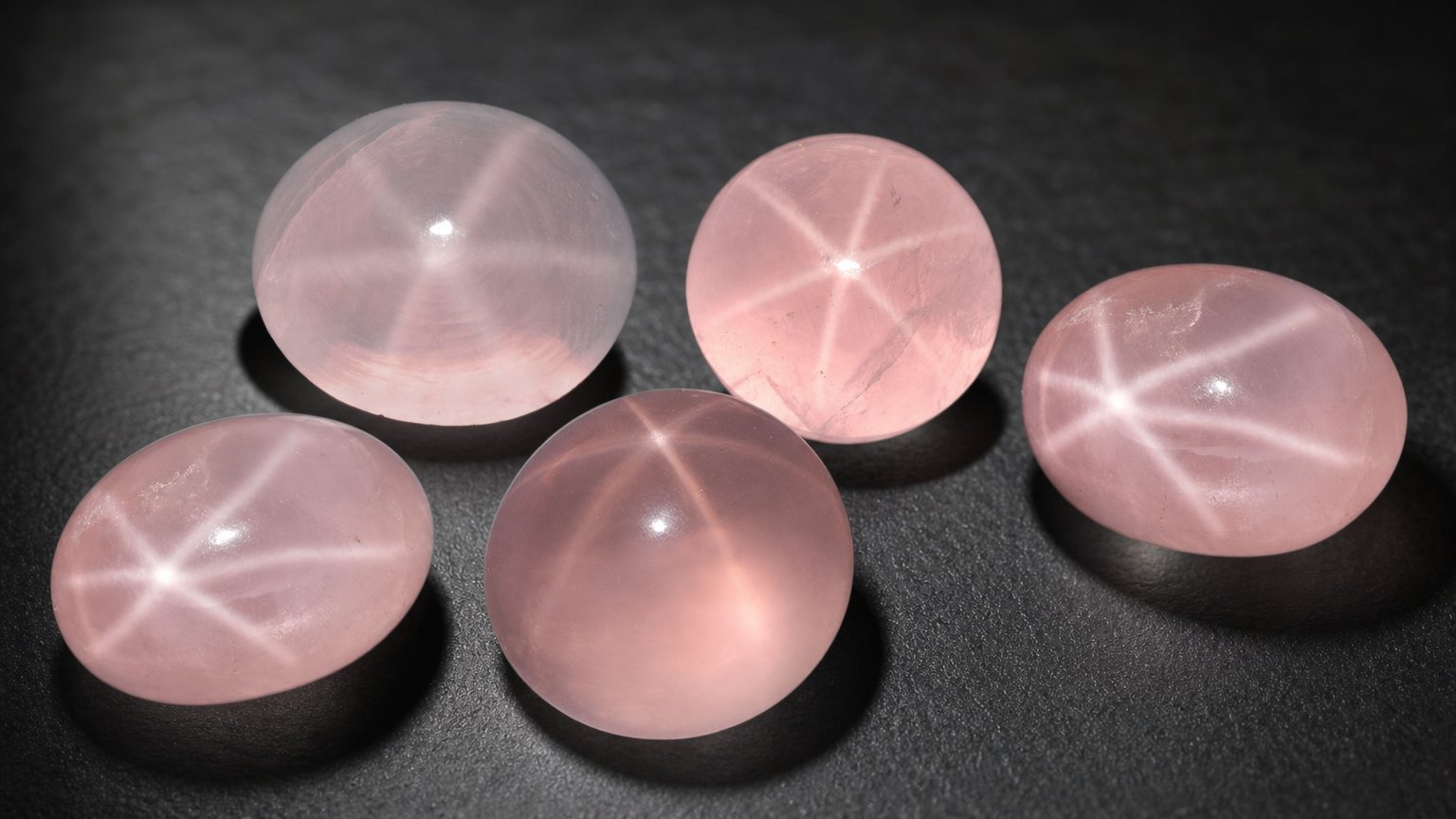
Star rose quartz is bought for a combination of soft pink color and a distinctive star-like optical effect. For many buyers, it offers a gentler look than highly transparent faceted gems while still providing a special visual feature that makes each stone feel individual. Because the appearance depends heavily on cut, lighting and overall condition, it is worth understanding what to look for before choosing a loose stone or finished piece of jewelry.
This buying guide explains the main points that matter when purchasing star rose quartz: color, the cabochon cut, shape, visible star effect, durability, treatments, origins and jewelry use. It is written for gemstone buyers, jewelers, designers and collectors who want practical information rather than a complicated grading system.
What Is Star Rose Quartz?
Star rose quartz is a pink variety of quartz that displays a star effect when properly cut and viewed under suitable lighting. Quartz is a well-known mineral species with the chemical formula SiO2. Star rose quartz shares the same basic quartz identity and has a Mohs hardness of 7, making it harder than many ornamental gems and suitable for a range of jewelry when set and worn with reasonable care.
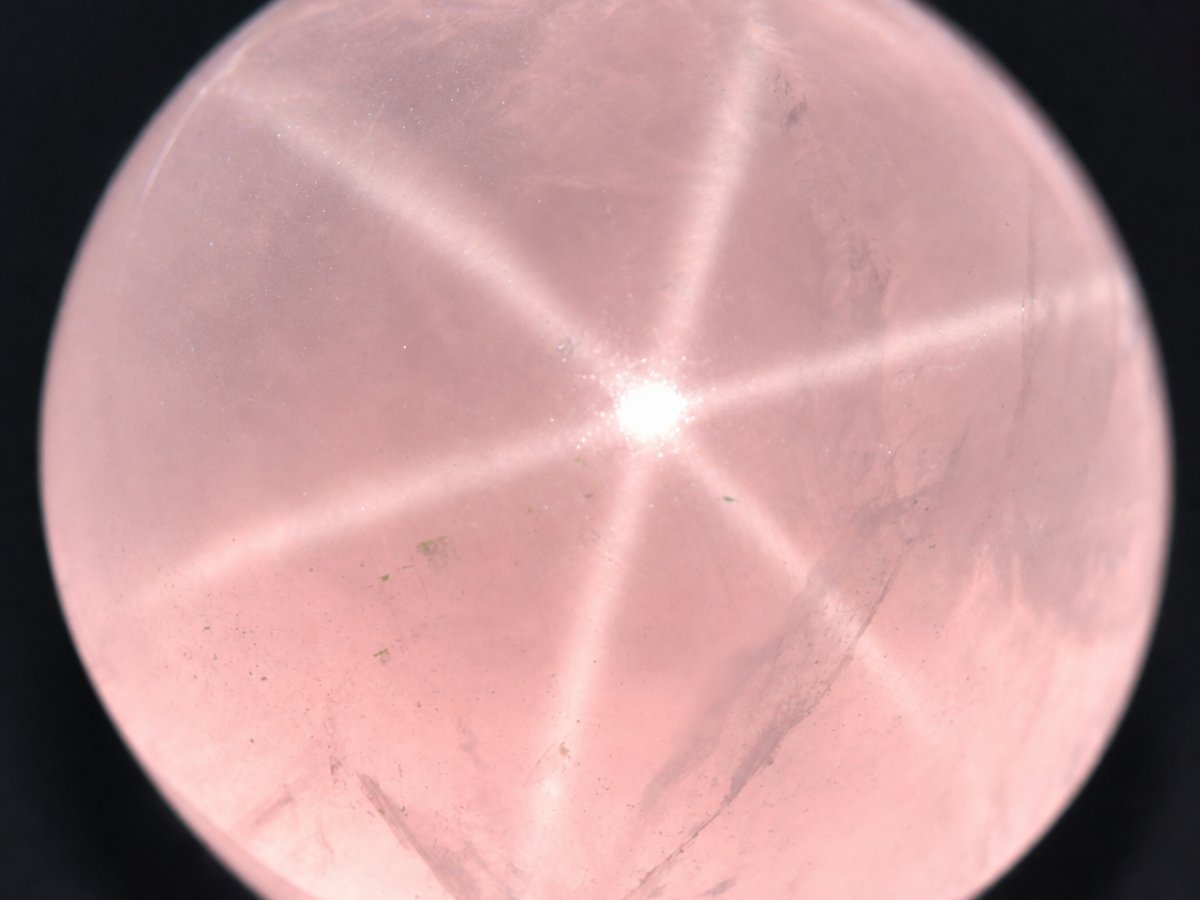
The word “star” refers to an optical phenomenon known in gemology as asterism. In star gemstones, a star-shaped reflection appears on the curved surface of the gem, usually most clearly under a focused light source. For buyers, this means that still photographs can be helpful, but the best evaluation comes from seeing how the star moves across the surface as the stone or light is moved.
Color and Appearance
The defining color of star rose quartz is pink. Individual stones may vary in tone and saturation, so the most appealing choice depends partly on personal taste and partly on the intended jewelry design. Some buyers prefer a soft, delicate pink for understated pendants and necklaces, while others may choose a stronger pink appearance for a more noticeable ring or statement piece.
When comparing stones, look for a pink color that appears pleasing and reasonably consistent across the cabochon. Color can look different under daylight, indoor lighting and photography, so it is wise to review available images carefully and, when possible, evaluate the stone under more than one light source. A color that looks attractive in the type of lighting where the jewelry will be worn most often is usually the most practical choice.
Evaluating the Star Effect
The star effect is one of the most important buying factors. A well-displayed star should be visible on the domed surface of the cabochon under a direct light. Buyers should look for the position, strength and movement of the star. Ideally, the star should appear balanced on the top of the stone and move smoothly as the light or stone is shifted.
In practice, star effects can vary from sharp and obvious to softer and more subtle. A softer star is not necessarily unattractive; it may suit buyers who prefer a gentle, glowing look. However, if the star is the reason for buying the gemstone, make sure it is visible enough for your expectations. For online purchases, clear photos and accurate descriptions are especially useful. At GemSelect, reviewing the individual stone details helps you compare appearance rather than relying only on the gemstone name.
Cut: Why Cabochons Matter
Star rose quartz is most commonly cut as a cabochon. A cabochon has a smooth, rounded top rather than flat facets. This style is essential for many star gemstones because the curved surface allows the star effect to appear and travel across the dome.
When buying a cabochon, consider the dome height, symmetry and polish. The top should look evenly shaped, without a lopsided outline or an awkwardly flattened area that distracts from the star. A good polish is also important because surface quality affects the clean reflection of light. Check for chips, scratches or surface-reaching fractures, especially if the stone will be used in a ring.
Popular Shapes
Oval cabochons are especially common for star rose quartz and are a practical choice for pendants, necklaces and rings. The oval shape gives designers a graceful outline and usually makes efficient use of the gemstone’s visual spread. Cushion and round shapes may also be found and can work well when the design calls for a softer, more compact outline.
Shape is largely a design decision, but it can influence how the star is displayed. Before choosing, consider whether the stone will be set north-south, east-west or in a symmetrical design. A well-proportioned cabochon is usually easier to set securely and more pleasing in finished jewelry.
Clarity and Surface Condition
Star rose quartz is not purchased in the same way as a transparent faceted gem. With star stones, the overall visual effect is more important than a loupe-clean appearance. Instead of focusing only on internal features, buyers should judge whether the stone has an attractive pink body color, a pleasing cabochon shape and a visible star effect.
That said, condition still matters. Examine the surface for scratches, chips, pits and fractures that reach the surface. Minor natural features may be acceptable if they do not weaken the stone or distract from the face-up appearance. For jewelry use, avoid stones with obvious damage in vulnerable areas, such as the edge of the cabochon or the highest point of the dome.
Origins of Star Rose Quartz
Star rose quartz is associated with several origins, with Madagascar and South Africa being important sources. Brazil is also known for star rose quartz, and India is another recognized origin. For most buyers, origin is secondary to appearance, cut quality, size, condition and suitability for the intended jewelry design.
Origin can still be of interest to collectors or buyers who enjoy knowing where a gemstone comes from. However, it should not be treated as a substitute for evaluating the individual stone. Two stones from the same country can look quite different, and a well-cut, attractive cabochon should be assessed on its own merits.
Gemological Properties
Understanding the basic properties of star rose quartz helps buyers make practical decisions about setting, wearing and caring for the gem. As a variety of quartz, star rose quartz has a Mohs hardness of 7. Its refractive index is 1.544–1.553, its specific gravity is 2.65, and it belongs to the trigonal crystal system. The chemical formula is SiO2.
For most buyers, hardness is the most immediately useful property. A Mohs hardness of 7 means star rose quartz is reasonably resistant to scratching from many everyday materials, but it is not indestructible. The cabochon surface can still be scratched by harder gemstones and materials, and edges can chip if the stone is struck.
Durability and Everyday Wear
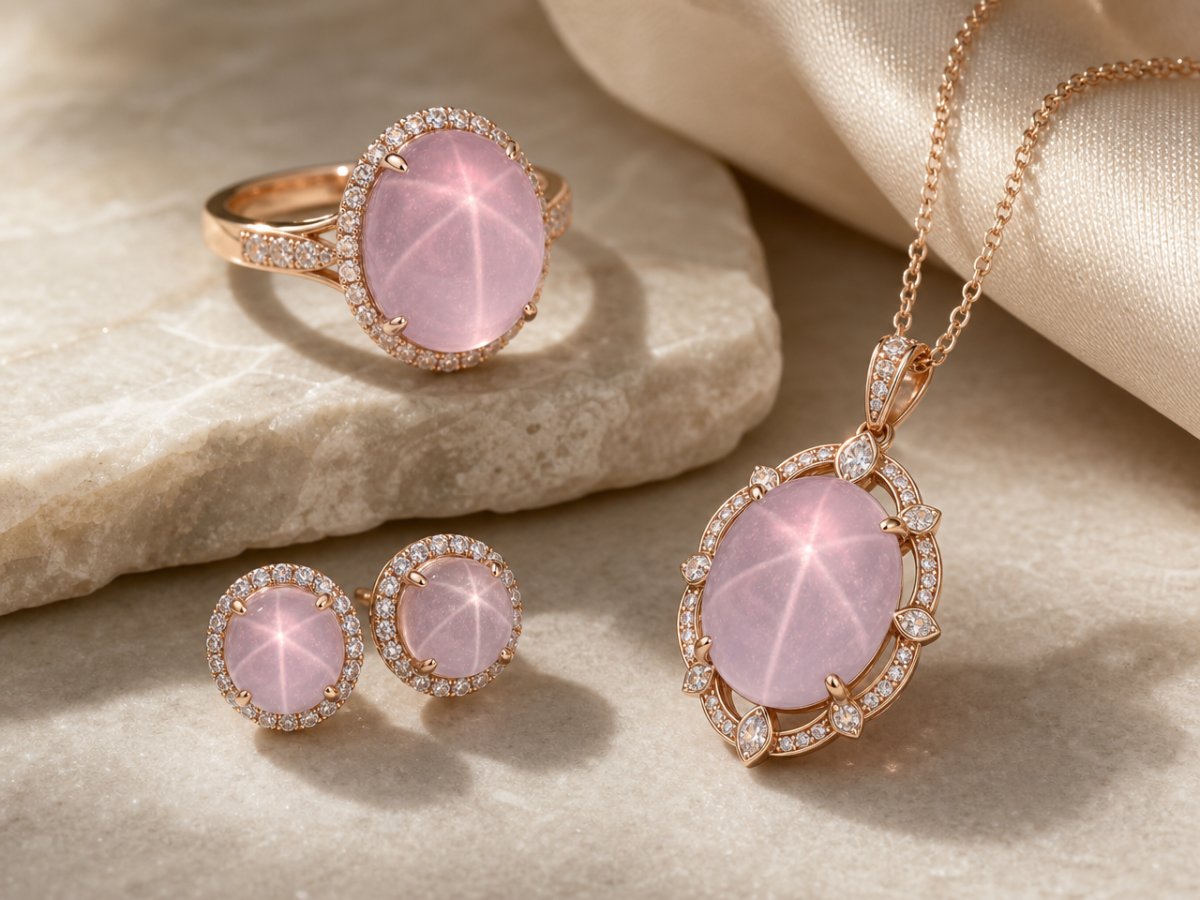
Star rose quartz can be used in several types of jewelry, but the design should match the way the piece will be worn. Pendants and necklaces are excellent choices because they are less exposed to impact than rings. The gemstone can also be used in rings, including fashion rings, especially when the setting offers protection and the wearer understands that hard knocks should be avoided.
For rings, consider protective settings that reduce the chance of the cabochon edge being hit. Bezel settings or designs with raised protective elements can be practical choices. Prong settings may show more of the stone, but they should hold the cabochon securely and avoid leaving it too exposed. Because the star effect is viewed on the top of the cabochon, the setting should not cover too much of the dome.
Treatments
Star rose quartz is commonly offered as untreated. This is useful for buyers who prefer gems whose appearance has not been altered by routine enhancement. When buying any gemstone, it is still sensible to read the treatment information provided by the seller and keep it with your purchase records.
Gemstone treatment disclosure is an important part of informed buying. If you are selecting stones for resale, custom jewelry or a collection, make sure treatment information is clear and documented. For personal jewelry, knowing that a stone is untreated can also help guide care and expectations.
Jewelry Uses and Design Tips
Star rose quartz is especially well suited to pendants. A pendant allows the cabochon to be large enough to show both the pink color and the star effect, while keeping the stone relatively protected during wear. Necklaces are also a natural choice, particularly when the design lets light reach the curved surface of the cabochon.
Rings can be attractive, but they require more care because rings experience more bumps and abrasion than pendants or necklaces. Fashion rings are a good category for star rose quartz when the wearer wants a decorative piece for occasional or mindful wear. If the ring will be worn frequently, choose a sturdy setting and avoid wearing it during activities where it may be struck or scratched.
Designers should consider the direction and visibility of the star when planning a setting. A high dome can create a strong visual focus, but it also sits higher above the metal and may need extra protection. A lower dome may be easier to wear but can show the star differently. Balance beauty, wearability and security rather than choosing by size alone.
How to Buy Star Rose Quartz Confidently
1. Start With the Overall Look
Begin by deciding what kind of appearance you want. Do you prefer a soft pastel pink or a stronger pink presence? Do you want the star to be bold and easy to see, or are you comfortable with a more subtle effect? Having these preferences in mind makes comparison easier.
2. Check the Cabochon Quality
Because star rose quartz is normally cut as a cabochon, the cut quality is central to the purchase. Look for a smooth dome, pleasing outline, even polish and a star that displays well. Avoid stones with distracting surface damage or an uneven shape unless those features are acceptable for your design.
3. Choose the Right Shape and Size
Oval cabochons are versatile and widely used. Cushion and round shapes can also be attractive, especially in symmetrical jewelry designs. Size should be chosen according to the setting and wearability. A larger pendant stone may show the star beautifully, while a ring stone should be practical enough for the intended use.
4. Match the Stone to the Jewelry Type
For an easy-wearing piece, a pendant or necklace is often the safest choice. For a ring, think carefully about setting protection and lifestyle. A beautiful cabochon is best enjoyed when the jewelry design supports both appearance and durability.
5. Review Treatment and Origin Information
Untreated star rose quartz is commonly available, so check the seller’s disclosure before purchase. Origin information, such as Madagascar, South Africa, Brazil or India, may be interesting, but it should be considered alongside the actual appearance and condition of the gemstone.
6. Compare Individual Stones, Not Just Names
Gemstone names are helpful, but individual stones vary. Compare photos, dimensions, weight, shape, color and any available notes. If buying from GemSelect, use the details shown for each specific gemstone to choose the stone that best fits your design or collection.
Care and Cleaning
Star rose quartz should be cleaned with simple, gentle methods. Use lukewarm water, mild soap and a soft cloth or soft brush. Rinse carefully and dry the stone before storing it. Avoid harsh chemicals, sudden impacts and storage against harder gemstones that could scratch the cabochon surface.
For finished jewelry, care also depends on the metal and setting style. Check ring settings periodically to make sure the stone remains secure. Store pendants and rings separately in a soft pouch or lined jewelry box to reduce abrasion.
Summary
Star rose quartz is a pink quartz gemstone valued for its cabochon form and star effect. The best purchase is not simply the largest stone or the strongest color; it is the stone that balances attractive pink appearance, a well-shaped cabochon, visible star effect, good surface condition and suitability for the intended jewelry. Pendants and necklaces are especially practical, while rings can be beautiful when designed and worn with care.
By focusing on the individual stone rather than relying on broad assumptions, buyers can choose star rose quartz with confidence. Consider color, cut, star visibility, durability, treatment disclosure and jewelry design together, and you will be better prepared to select a gem that suits both your taste and your practical needs.
