


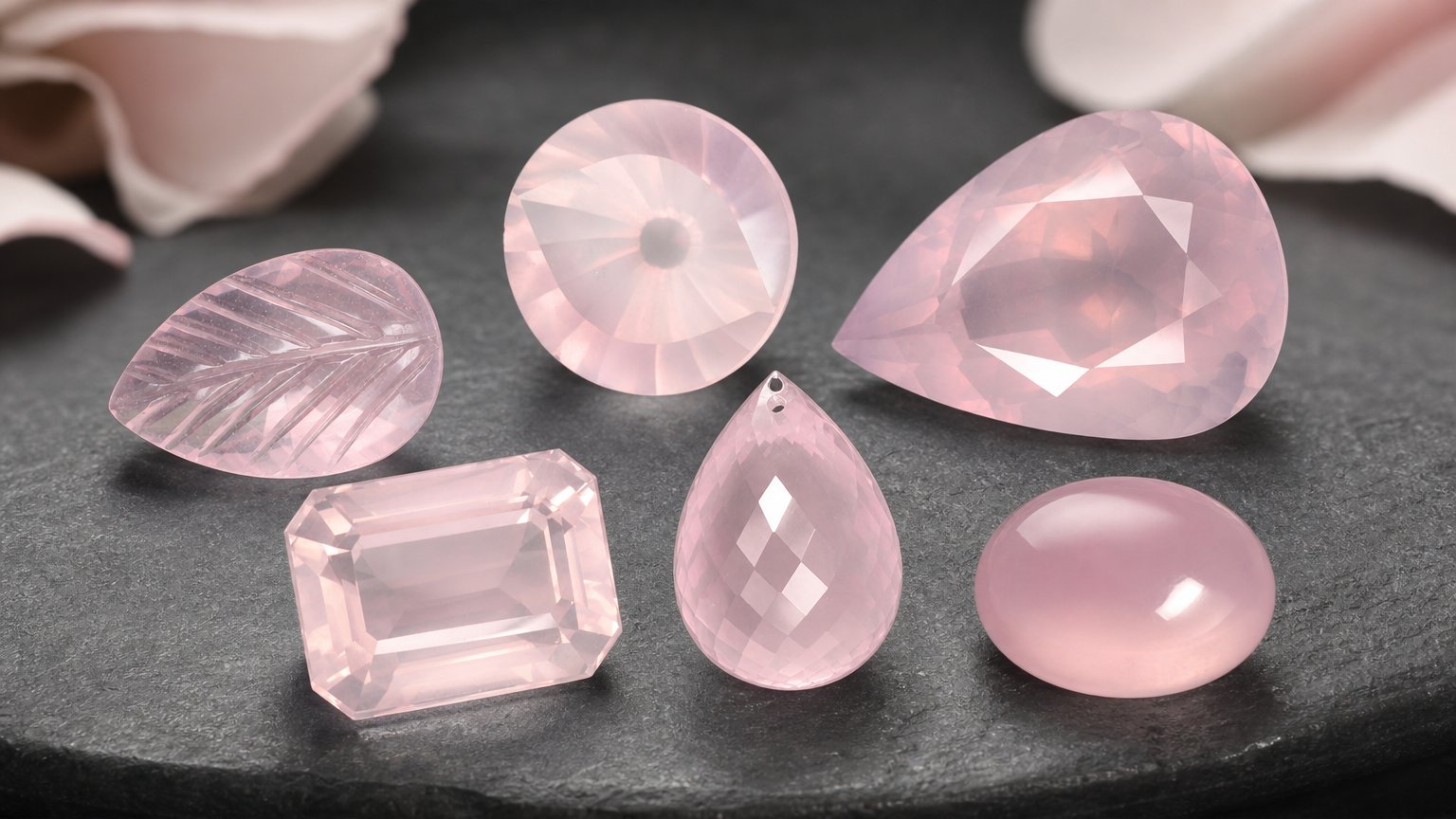
Rose quartz is the pink variety of quartz, valued by many buyers for its soft color, approachable appearance and versatility in jewelry design. Whether you are choosing a loose gemstone for a pendant, a matched pair for earrings or a stone for a fashion ring, the most important buying factors are easy to understand: color, overall appearance, cut, size, durability and disclosure of treatment.
This buying guide explains what to look for before purchasing rose quartz. It is written for gemstone buyers, jewelers, jewelry designers and collectors who want practical guidance rather than vague descriptions. Rose quartz is not usually bought in the same way as diamond, where formal grading dominates the conversation. Instead, buyers should evaluate each stone visually and consider how it will be used in jewelry.
What Is Rose Quartz?
Rose quartz is a variety of quartz with the chemical formula SiO₂. Like other quartz gemstones, it belongs to the trigonal crystal system. Its defining feature is its pink color, which can be gentle, delicate and appealing in both classic and contemporary jewelry.
For buyers, the most useful point is that rose quartz combines familiar quartz durability with a distinctive pink appearance. It is often selected when a design calls for a softer color than ruby, pink sapphire or other more saturated pink gemstones. Because it is a quartz variety, it can be cut into many shapes and styles, from smooth cabochons to faceted stones and more decorative cuts.
Rose Quartz Color and Appearance
Color is the first feature most buyers notice in rose quartz. The known color for rose quartz is pink, and the appeal of an individual stone depends heavily on how pleasing that pink appears to the eye. Some buyers prefer a pale and subtle pink that works well in understated jewelry, while others prefer a stronger pink presence for a more visible design.
What to Look for in Pink Color
When comparing rose quartz gemstones, look at the stone under normal lighting conditions and consider these practical points:
- Attractive pink tone: Choose a shade of pink that suits the jewelry design and the wearer’s taste.
- Even appearance: A stone with balanced color across the face often looks more refined in finished jewelry.
- Face-up appeal: Judge the gemstone from the top, as this is how it will usually be seen once set.
- Compatibility with metal color: Rose quartz can look different beside white, yellow or rose-colored metals, so designers should consider the full setting.
Because rose quartz is valued for a gentle color effect, it is best to view actual gemstone images or inspect the stone in person whenever possible. Small differences in pink tone can affect whether a gem feels cool, warm, delicate or more decorative in a finished piece.
Clarity and Visual Quality
Rose quartz should be judged by its overall visual appeal rather than by a rigid clarity grade. Before buying, check whether the gem has any features that distract from its beauty when viewed face-up. A stone intended for a pendant or necklace may allow more design flexibility, while a center stone in a ring may need a cleaner and more symmetrical appearance because it will be seen at close range.
For transparent to translucent gemstones in general, the cutting style affects how much clarity matters. Smooth cabochons emphasize body color and surface polish, while faceted cuts can make the eye more aware of internal features, reflections and cutting precision. The right choice depends on the look you want.
Common Cuts and Shapes for Rose Quartz
Rose quartz is available in a wide range of cuts. The cut influences not only the gem’s shape, but also how its pink color is displayed and how it will work in jewelry. Since rose quartz is often chosen for soft visual appeal, the best cut is usually the one that presents an attractive face-up color and fits the intended design.
Cabochon Rose Quartz
Cabochon cutting is a common and practical choice for rose quartz. A cabochon has a smooth, rounded top rather than a faceted crown. This style can emphasize the gem’s soft pink body color and is well suited to pendants, necklaces and fashion rings. Buyers should look for a pleasing dome, good symmetry and a well-polished surface.
Faceted and Decorative Cuts
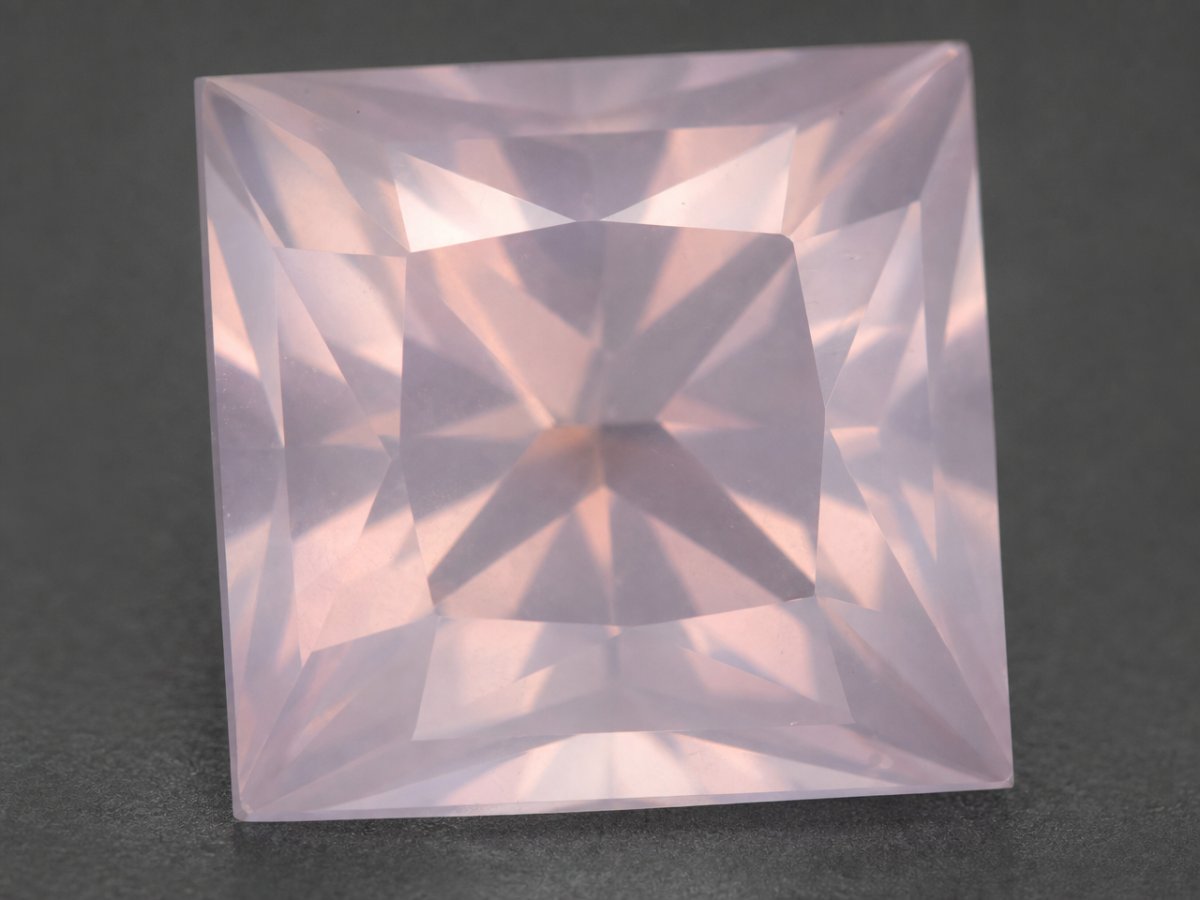
Faceted rose quartz offers a different look. Faceting adds reflections and geometric structure, which can make the gemstone appear more formal or contemporary. Common cut styles include standard faceted cuts, step cuts, checkerboard cuts, concave cuts and Asscher-style cuts. Step cuts and Asscher cuts can create a clean architectural appearance, while checkerboard and concave cuts add extra surface pattern and visual movement.
When buying faceted rose quartz, examine the evenness of the outline, the symmetry of the facets and how lively the stone appears face-up. Rose quartz is selected mainly for color and appearance, so cutting should support the pink color rather than make the stone look uneven or dull.
Popular Shapes
Oval, round and cushion shapes are especially common and versatile for rose quartz. Ovals work well in pendants and rings because they give good face-up presence. Rounds are classic and useful for earrings, necklaces and symmetrical designs. Cushions offer a softer square or rectangular outline that suits both vintage-inspired and modern jewelry.
Other shapes also appear in rose quartz, including octagon, pear, marquise, square, trillion and fancy shapes. Pear shapes are attractive for pendants and drops, while octagon and square outlines can complement step-cut and Asscher-style designs. Fancy shapes are useful when a designer wants a more individual piece.
Size and Proportion Considerations
When choosing rose quartz, consider the actual millimeter dimensions as well as the carat weight. Carat weight tells you how heavy the stone is, but the visual size depends on shape, depth and cutting style. A deep stone may weigh more without looking much larger from the top, while a well-proportioned stone can provide better face-up presence.
For pendants and necklaces, larger dimensions can be effective because the stone is not exposed to the same level of contact as a ring. For earrings, consider comfort and balance, especially if selecting matched pairs. For rings and bracelets, profile matters: a stone that sits too high may be more likely to receive knocks during wear.
Rose Quartz Origins
Rose quartz is associated with several origins. Important sources include Brazil and South Africa, with additional material known from Madagascar, Mozambique, India, Namibia and Sri Lanka. Origin can be interesting for collectors and for buyers who enjoy knowing where a gemstone comes from, but it should not replace a careful evaluation of the individual stone.
For most jewelry buyers, the practical approach is to focus first on color, cut, size and overall appearance. If origin is supplied, treat it as useful descriptive information. A well-cut rose quartz with attractive pink color should be judged on its own merits, regardless of whether it comes from a better-known or less emphasized source.
Gemological Properties Buyers Should Know
Rose quartz has the gemological identity of quartz. Its chemical formula is SiO₂, and it has a trigonal crystal system. The refractive index is 1.544–1.553, and the specific gravity is 2.65. These properties are mainly used in gemological identification, but they also help place rose quartz within the broader quartz family.
For the everyday buyer, the most immediately useful property is hardness. Rose quartz has a Mohs hardness of 7. The Mohs scale describes resistance to scratching, with higher numbers resisting scratches from lower-numbered materials. A hardness of 7 gives rose quartz reasonable wearability for many types of jewelry, provided the design and care are appropriate.
Durability and Everyday Wear
Rose quartz can be used in several jewelry types, but durability should always be matched to the way the item will be worn. Pendants and necklaces are especially suitable because they are less likely to strike hard surfaces than rings or bracelets. Earrings are also generally protected during wear.
Rings and fashion rings are possible uses for rose quartz, but they require more attention. Rings are exposed to contact with desks, handles, tools and other hard objects. If you choose rose quartz for a ring, consider a protective setting and avoid wearing it during activities that may cause impact or abrasion. Bracelets also experience frequent contact, so secure settings and sensible care are important.
Care Tips for Rose Quartz Jewelry
Basic care can help preserve the appearance of rose quartz jewelry. Store pieces separately to reduce scratching from harder gemstones or metals. Clean gently with mild soap, lukewarm water and a soft cloth or brush. Avoid harsh chemicals and remove rings or bracelets before activities that could expose the stone to knocks, grit or abrasive surfaces.
Treatments and Disclosure
The known common treatment status for rose quartz is untreated. This is good information for buyers who prefer natural, untreated gemstones. When purchasing, look for clear disclosure from the seller. A trustworthy listing should state the gemstone type, treatment status, size and other relevant details.
GemSelect provides gemstone information and individual listings so buyers can compare stones by appearance and specifications. As with any gemstone purchase, the most important habit is to read the description carefully and ask questions if anything is unclear.
Best Jewelry Uses for Rose Quartz
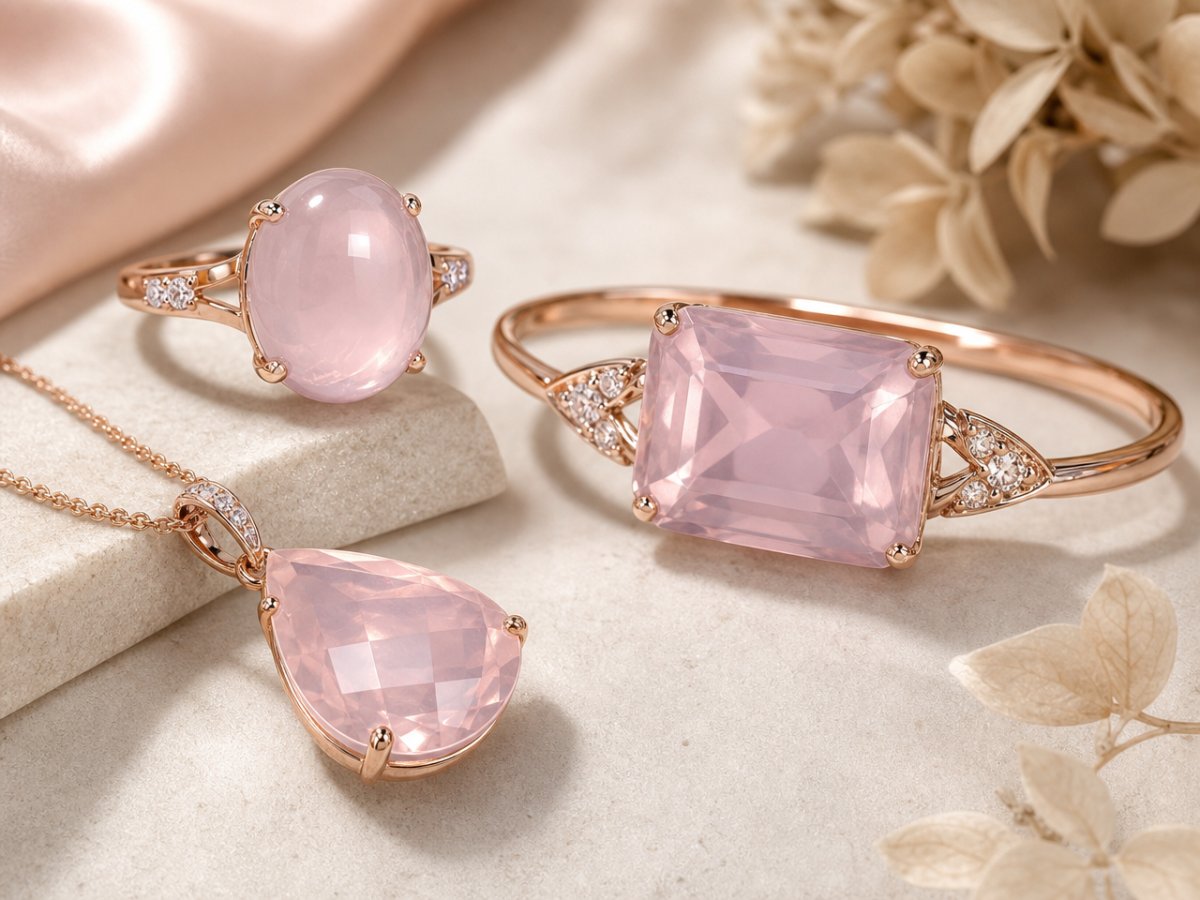
Rose quartz is particularly well suited to necklaces and pendants. These jewelry types show the pink color clearly while keeping the stone in a relatively protected position. A rose quartz pendant can be simple and understated, or it can be designed with a larger gemstone as a focal point.
Rose quartz is also used in rings and fashion rings. In this role, the stone’s gentle pink color can create a soft, feminine or minimalist look depending on the setting. Because rings receive more wear than pendants, the setting should protect the stone and the wearer should use reasonable care.
Bracelets and earrings are also possible uses. Earrings can be an excellent choice for matched rose quartz stones because they are visible but less exposed to impact. Bracelets require more caution because they often touch hard surfaces during normal movement.
Practical Rose Quartz Buying Checklist
Before buying rose quartz, use the following checklist to compare options in a structured way:
- Color: Is the pink attractive to you, and does it suit the intended jewelry design?
- Appearance: Does the stone look pleasing face-up, without distracting visual features?
- Cut style: Do you prefer the soft look of a cabochon or the reflective appearance of a faceted cut?
- Shape: Oval, round and cushion shapes are versatile; pear, octagon, marquise, square, trillion and fancy shapes can serve more specific designs.
- Size: Check millimeter measurements as well as carat weight, especially for calibrated settings.
- Durability: Match the stone to the jewelry type. Pendants and necklaces are generally more protected than rings and bracelets.
- Treatment disclosure: Confirm that the stone is described as untreated if that is important to your purchase.
- Origin: Consider origin as additional information, not as the only measure of quality.
How to Choose Rose Quartz with Confidence
The best rose quartz purchase is the stone that fits your design, budget and visual preference. Start with color, because pink appearance is the gem’s defining feature. Then examine the cut and shape. A well-polished cabochon may be ideal for a pendant, while a faceted oval or cushion may work better for a ring or earrings. If you are buying for a specific setting, confirm the dimensions before purchase.
Buyers should also consider lifestyle. A rose quartz necklace can be an easy everyday accessory, while a rose quartz ring should be worn with more care. If the jewelry will be worn often, choose a setting that protects the gemstone and avoid designs that leave vulnerable edges exposed.
Summary
Rose quartz is a pink quartz gemstone with broad appeal for pendants, necklaces, rings, earrings and other jewelry. Its Mohs hardness of 7 makes it practical for many designs, but jewelry type and care still matter. When buying, focus on pleasing pink color, attractive face-up appearance, suitable cut, correct dimensions and clear treatment disclosure. Origins such as Brazil, South Africa, Madagascar, Mozambique, India, Namibia and Sri Lanka may add interest, but the individual gemstone’s beauty and suitability should guide the final choice.
