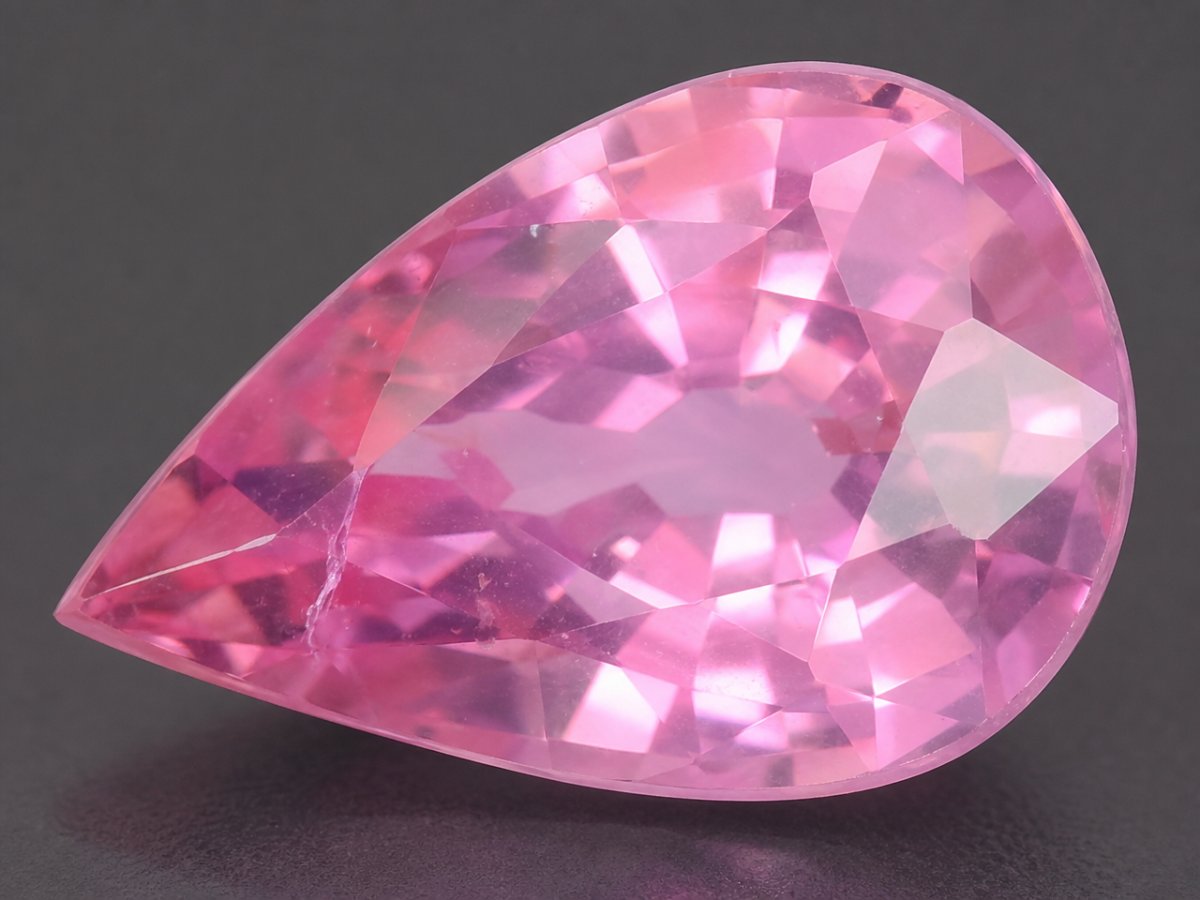


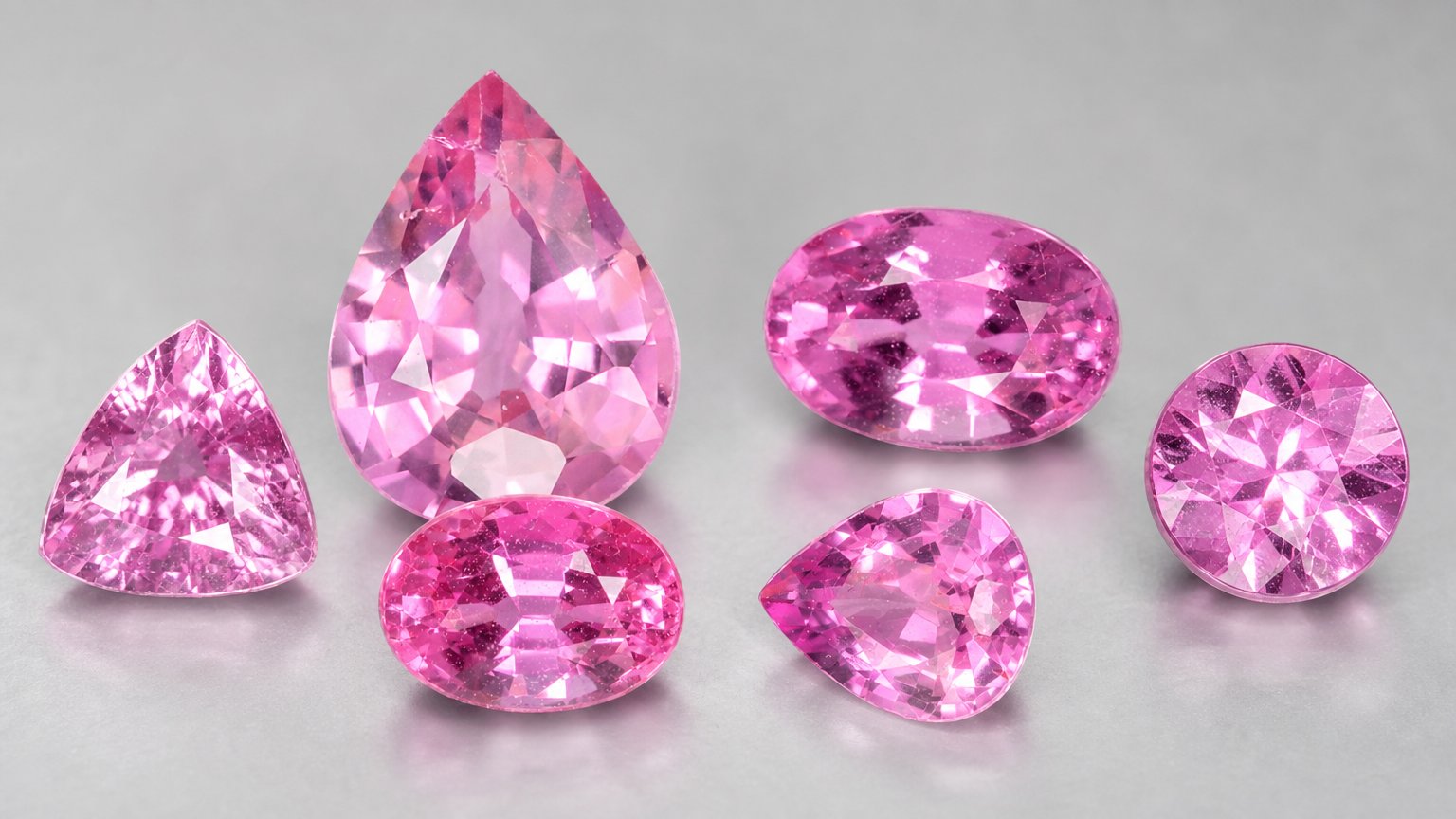
Pink sapphire is a colored sapphire variety prized for its pink appearance and its suitability for many types of jewelry. For buyers, the most important questions are practical ones: Is the color attractive? Is the stone well cut? Is it suitable for the intended jewelry design? Has it been treated? Does the shape and size work for the setting?
This guide explains the main factors to consider before buying pink sapphire, including color, clarity, cut, origin, treatments and jewelry use. It is written for shoppers comparing loose gemstones, jewelers sourcing stones for designs and collectors who want to understand what they are looking at before they purchase.
What Is Pink Sapphire?
Pink sapphire is a pink variety of sapphire, and sapphire belongs to the mineral species corundum. In the gem trade, sapphire is best known in blue, but it also occurs in other colors, including pink. The key visual identity of pink sapphire is its pink color, which can appear delicate, vivid, soft or more saturated depending on the individual gemstone.
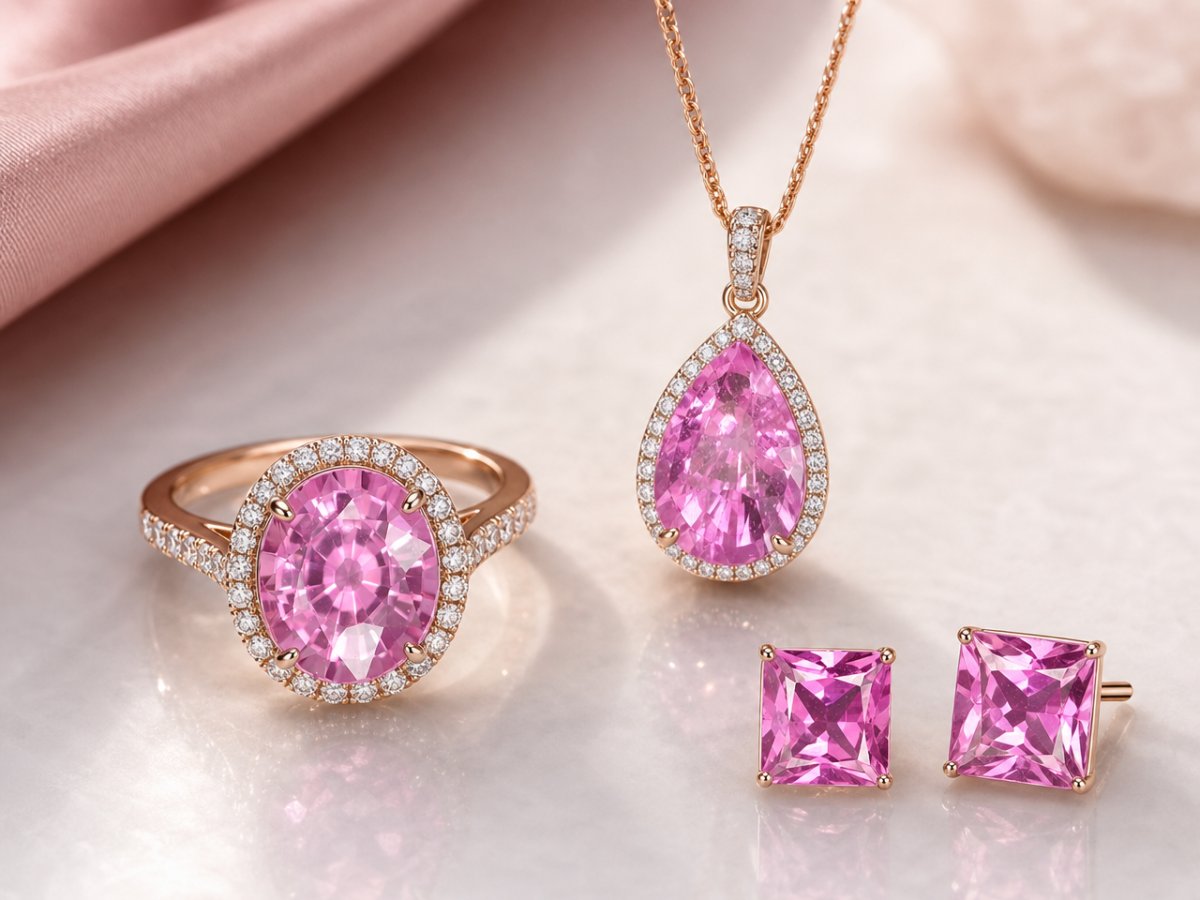
Because pink sapphire is part of the sapphire family, it is often considered for jewelry that needs both color and everyday practicality. It is used in rings, earrings, pendants, bracelets, fashion rings and engagement rings. It is also associated with September as a birthstone, making it a meaningful option for birthstone jewelry beyond traditional blue sapphire.
Color and Appearance: What to Look For
Color is usually the first feature buyers notice in a pink sapphire. Since the defining color is pink, your main buying decision is not whether the stone is pink, but what kind of pink best suits your taste and design.
Hue, Tone and Saturation
Three simple color terms can help you compare stones more confidently:
- Hue is the basic color impression. For pink sapphire, the dominant impression should be pink.
- Tone describes how light or dark the gemstone appears.
- Saturation describes the strength or intensity of the color.
A lighter pink sapphire can look elegant and subtle, especially in earrings or delicate rings. A stronger pink can create a more vivid center stone. Neither is automatically better for every buyer; the best choice depends on the jewelry style, metal color, stone size and personal preference.
Color Evenness
When comparing pink sapphires, look at whether the color appears evenly distributed across the face of the stone. Some gems may show areas that appear lighter or darker due to cutting, shape or natural color distribution. Photos and videos can help you judge whether the overall appearance is pleasing.
Color in Different Settings
A stone can appear different once mounted in jewelry. A pink sapphire set in a ring may look more concentrated than it does as a loose gem, especially if the design uses a closed or decorative setting. Earrings and pendants often rely more on how the stone appears from a normal viewing distance, so matching color and brightness can be more important for pairs and sets.
Clarity and Transparency
Clarity refers to the presence or absence of internal features, surface-reaching marks or other characteristics visible within a gemstone. For buyers, the most useful approach is to ask whether the stone looks clean and attractive to the unaided eye when viewed normally.
Some inclusions may not affect beauty or wearability, especially if they are small or hidden near the edge of the gem. Others may be more visible in lighter stones or in cuts with large open facets, such as emerald cuts and other step-cut styles. If you are buying for a ring or engagement ring, inspect the gem carefully because it will be viewed often and at close range.
For online purchases, use clear product photos, videos where available and the seller’s description. If you are buying from GemSelect, compare stones side by side by shape, color and listed details so you can choose the combination that best fits your project.
Cut Styles and Shapes
Cut has a major influence on how a pink sapphire handles light and how attractive it looks in jewelry. Pink sapphire is commonly found as faceted gemstones, which use polished flat surfaces to return light and show color. Cabochons are also available; these have a smooth, rounded surface rather than facets.
Faceted Pink Sapphire
Faceted pink sapphire is the most common choice for rings, earrings, pendants and engagement rings. A good faceted cut should show appealing brightness, balanced proportions and a pleasing outline. Round and oval shapes are especially common, while cushion, pear, baguette and octagon shapes also appear in jewelry designs.
Diamond cut and emerald cut styles may be used depending on the shape and design. Diamond-style faceting is often selected for brilliance, while emerald cuts and other step cuts emphasize broad flashes of light and a more structured look. With step cuts, clarity and color evenness can be more noticeable because the facets are larger and more open.
Cabochon Pink Sapphire
Cabochon pink sapphire offers a softer appearance. Instead of sparkle from facets, a cabochon displays color through a domed polished surface. This style can be appealing for vintage-inspired rings, pendants or designs where a smooth, understated gem is preferred.
Choosing a Shape
Shape should be chosen for both appearance and setting practicality. Round and oval stones are versatile and easy to incorporate into many jewelry styles. Cushion and pear shapes can add personality to a ring or pendant. Baguette and octagon shapes work well in geometric designs and side-stone layouts. Heart, marquise and trillion shapes are more specialized and can be attractive when the design calls for a distinctive outline.
Size and Carat Weight
When buying pink sapphire, size should be considered together with color, cut and setting design. A larger stone is not automatically the better choice if the color is weak, the cut is unattractive or the shape does not suit the jewelry.
For earrings, matching size and visual color is often more important than maximizing carat weight. For rings and engagement rings, consider how much finger coverage you want and whether the stone will be worn daily. For pendants, you may be able to use a larger or more dramatic shape because the gem is less exposed to knocks than a ring stone.
Carat weight measures weight, not face-up size. Two pink sapphires of the same weight can look different in size depending on depth, shape and cut proportions. Always check dimensions as well as carat weight when planning a setting.
Treatments: Heat-Treated and Untreated Pink Sapphire
Heat treatment is a common treatment for pink sapphire. Heat treatment is widely used in the gem trade to improve or modify a gemstone’s appearance. When buying, the most important point is disclosure. A treated stone and an untreated stone can both be attractive, but buyers should know what they are purchasing.
Untreated pink sapphire is also available. If untreated status is important to you, look for clear treatment information and keep documentation with the gem. Do not assume a sapphire is untreated unless the seller states it clearly.
For most jewelry buyers, the practical decision is simple: choose the stone that offers the color, cut, size and budget fit you want, while making sure treatment status is clearly disclosed. For collectors, treatment status may be a more central part of the buying decision.
Origins of Pink Sapphire
Pink sapphire is associated with several important origins, including Madagascar, Sri Lanka and Tanzania. Mozambique and Myanmar are also known sources. Origin can be of interest to collectors and buyers who enjoy the story behind a gemstone, but it should not replace evaluation of the actual stone.
When comparing pink sapphires, judge the individual gem first: its color, cut, clarity, shape, size and treatment status. Two stones from the same country can look different, and stones from different origins can both be beautiful. If origin is stated, keep that information with your purchase records, especially for a collection or custom jewelry project.
Durability and Everyday Wear
Pink sapphire is commonly used in rings, engagement rings, earrings, pendants and bracelets, which shows why it is considered a practical jewelry gemstone. Even so, durability is not only about the gem material; it also depends on setting design, stone shape, wear habits and care.
Rings and bracelets are more exposed to impact than earrings and pendants. If you are choosing a pink sapphire for daily wear, consider a protective setting, especially for pointed shapes such as pear, marquise, heart or trillion. Prongs should hold the stone securely without covering too much of the color. Bezel or partial bezel settings can offer additional protection, depending on the style.
For earrings and pendants, you can place more emphasis on color, sparkle and matching because these pieces usually experience less abrasion. For an engagement ring, balance beauty with long-term practicality: choose a shape you enjoy, a cut that looks lively and a setting made for frequent wear.
Best Jewelry Uses for Pink Sapphire
Pink Sapphire Rings
Pink sapphire works well in rings because it brings color while remaining suitable for a wide range of designs. Round and oval stones are classic choices, while cushion and pear shapes create a more distinctive look. For fashion rings, you can be more adventurous with shape and setting style.
Pink Sapphire Engagement Rings
Pink sapphire is a meaningful option for engagement rings for buyers who want a colored center stone. Before purchasing, review the stone’s color in different lighting, inspect the cut and make sure the setting protects the gem appropriately for daily wear. Treatment disclosure is also important for an engagement ring because it is a significant purchase and often kept for many years.
Pink Sapphire Earrings
For earrings, matching matters. The stones do not need to be identical in every technical sense, but they should look balanced when worn. Focus on similar face-up size, color tone, saturation and overall brightness.
Pink Sapphire Pendants and Bracelets
Pendants are a good choice for showcasing a single attractive stone, especially an oval, pear or cushion shape. Bracelets can be beautiful but require secure settings because wrist jewelry is exposed to more contact during wear.
Practical Pink Sapphire Buying Checklist
Use the following checklist when comparing stones:
- Color: Choose the pink tone and intensity that appeals to you. Check for even face-up appearance.
- Cut: Look for balanced proportions, pleasing brightness and a shape that suits your design.
- Clarity: Decide whether any inclusions are visible or distracting in normal viewing.
- Shape: Round and oval are versatile; cushion, pear, baguette and octagon shapes can create more specific design effects.
- Size: Compare dimensions as well as carat weight, especially for custom settings.
- Treatment: Confirm whether the stone is heat-treated or untreated.
- Origin: Note origin information when provided, but evaluate the individual stone first.
- Jewelry use: Match the gemstone to the intended setting, especially for rings and bracelets.
Buying Pink Sapphire Online
When buying online, the goal is to reduce uncertainty. Review all available photos and product details. Pay attention to dimensions, not just carat weight, and consider how the gem will look in the jewelry piece you plan to make or buy.
If you are choosing several stones for a pair or suite, compare them carefully for color and size. For a center stone, prioritize the face-up appearance because that is what you will see once the gemstone is set. Treatment and origin information should be saved with your records.
GemSelect offers loose gemstones, which can be useful for buyers who want to select the exact pink sapphire before choosing a setting. This approach gives jewelers and designers more control over the final piece.
Summary
A good pink sapphire purchase starts with understanding your priorities. Color is central, but cut, clarity, shape, size and treatment disclosure all affect whether a gem is right for your jewelry or collection. Madagascar, Sri Lanka and Tanzania are important origins, with Mozambique and Myanmar also associated with pink sapphire, but the individual stone should always be evaluated on its own merits.
For rings and engagement rings, think about durability, setting protection and long-term wear. For earrings and pendants, focus on color harmony, brightness and overall visual appeal. By comparing stones carefully and confirming treatment information, you can choose a pink sapphire with confidence.