

Quartz is one of the most versatile gemstone materials available to buyers, jewelers and designers. It offers a wide color range, good durability for many jewelry styles and a broad selection of cuts and sizes. Because quartz can appear in transparent, translucent and opaque-looking styles depending on the individual stone and cut, it is important to understand what you are buying before selecting a gem for a ring, pendant, earrings or custom design.
This quartz buying guide explains the practical features that matter most: color, appearance, clarity, cut, size, treatments, durability, origin and jewelry suitability. The goal is not to rank quartz by a rigid grading system, but to help you compare individual stones confidently and choose one that fits your design, budget and expectations.
What Is Quartz?
Quartz is a gemstone species with the chemical formula SiO₂. It crystallizes in the trigonal crystal system and has a Mohs hardness of 7. Its refractive index is 1.544–1.553 and its specific gravity is 2.65. For buyers, these properties translate into a gemstone that is hard enough for many everyday jewelry designs, while still requiring sensible care.
Quartz is especially popular because it occurs in many colors and can be fashioned in many ways. Buyers can find quartz in classic faceted gems, smooth cabochons, checkerboard cuts, concave cuts, Portuguese cuts and other styles. This makes quartz useful for both traditional jewelry and contemporary designs.
Color and Appearance: What to Look For
Color is usually the first feature buyers notice in quartz. Quartz is known in brown, purple and yellow, and it may also be found in pink, gray, green, multicolor, orange, red, white and blue appearances. When comparing stones, look at hue, tone and saturation. Hue is the basic color family, tone is how light or dark the gem appears, and saturation describes the strength or intensity of the color.
Brown, Purple and Yellow Quartz
Brown, purple and yellow are especially important quartz color groups for buyers. Brown quartz can range from lighter smoky-looking tones to deeper brown appearances. Purple quartz is valued by many buyers for its rich color and strong jewelry presence. Yellow quartz can offer a bright, warm look that works well in both classic and modern settings.
When choosing among these colors, consider the jewelry design first. Darker stones can look dramatic in rings and pendants, but they may appear less lively in small sizes or closed settings. Lighter stones can be attractive in earrings or delicate designs, but they should still show enough color to be noticeable once mounted.
Other Quartz Colors
Pink, gray, green, multicolor, orange, red, white and blue quartz appearances can also be found. These colors may be selected for specific design themes, matching suites or unique jewelry projects. Multicolor quartz can be especially interesting when the cut highlights color zoning or patterning, while white or pale quartz can be chosen for a softer, more neutral look.
Color Consistency and Matching
If you are buying quartz for earrings, side stones, bracelets or a matched jewelry suite, color consistency is important. Compare stones under similar lighting and check that the tone and saturation are close enough for your design. For earrings, an exact match is often more important than for a pendant or cocktail ring, where a single stone can stand on its own.
Clarity and Transparency
Clarity describes the presence or absence of inclusions, internal features or surface-reaching characteristics. In transparent faceted quartz, clarity can affect brightness and overall appearance. A stone with distracting inclusions in the center may look less clean than one where inclusions are minor or located near the edge.
For cabochon quartz, clarity expectations can be different. Cabochons emphasize color, surface smoothness and shape rather than sparkle from facets. In some quartz gems, internal features may contribute to visual interest, especially in stones selected for pattern or character. The key is to decide whether the internal features improve the look or distract from it.
When buying online, use clear photos and videos where available. Look for obvious cracks, chips, surface abrasions or inclusions that break the surface. Reputable sellers such as GemSelect provide individual gemstone details so buyers can compare appearance, size and treatment information before purchasing.
Cut Styles and Shapes
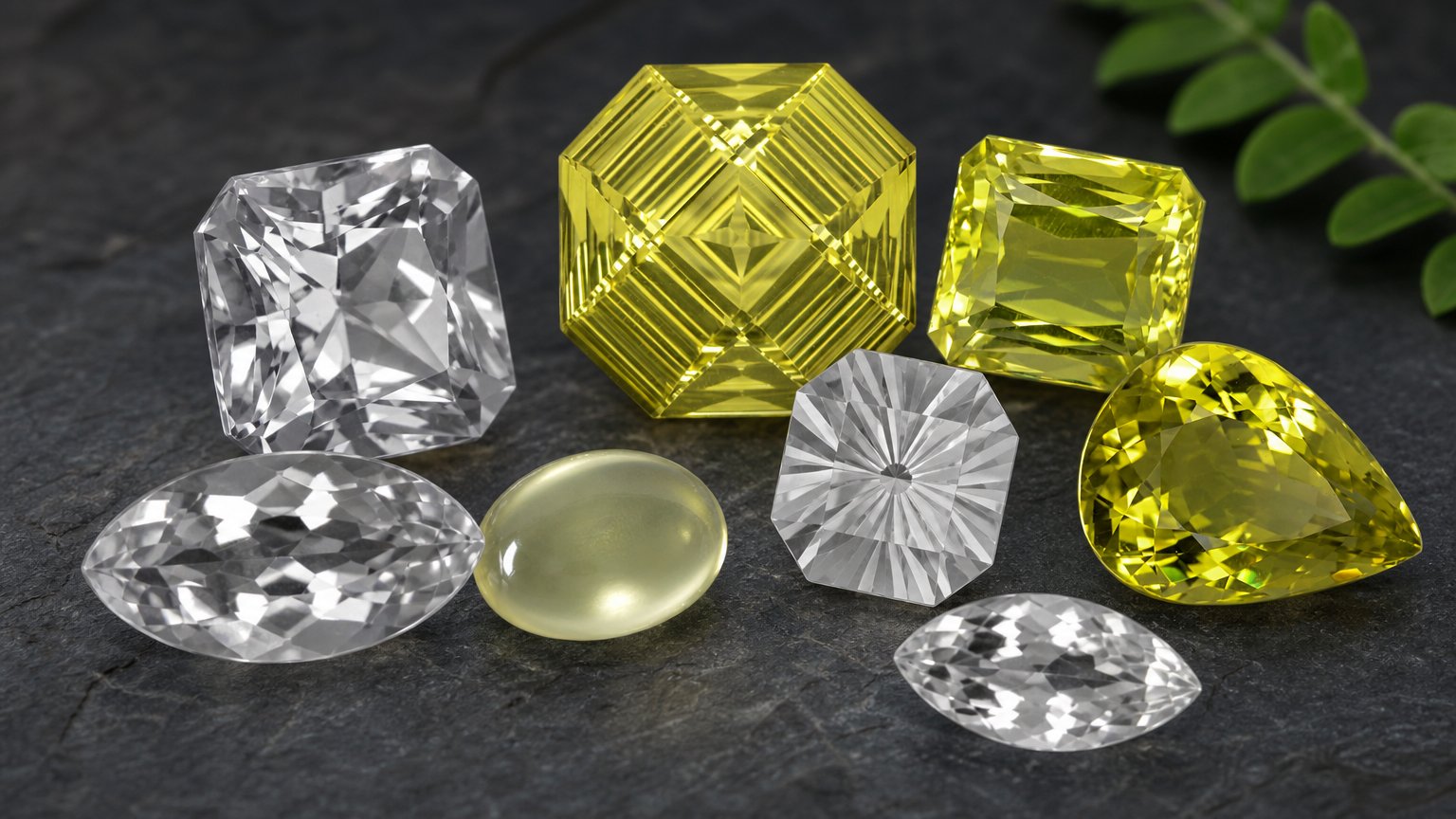
Cut has a major effect on how quartz looks in jewelry. The right cut can improve brilliance, emphasize color or create a smooth, understated appearance. Quartz is commonly cut as cabochons and faceted gems. It is also often seen in checkerboard, concave and Portuguese cuts, with additional styles such as diamond cuts, princess cuts, rose cuts and step cuts available depending on the stone.
Cabochon Quartz
A cabochon has a smooth, rounded top and usually a flat or slightly curved base. Cabochons are a good choice when the buyer wants a soft, polished look rather than sharp sparkle. They can work well in pendants, rings, bracelets and brooches. When selecting a cabochon, look for a pleasing outline, an even dome and a clean polish.
Faceted Quartz
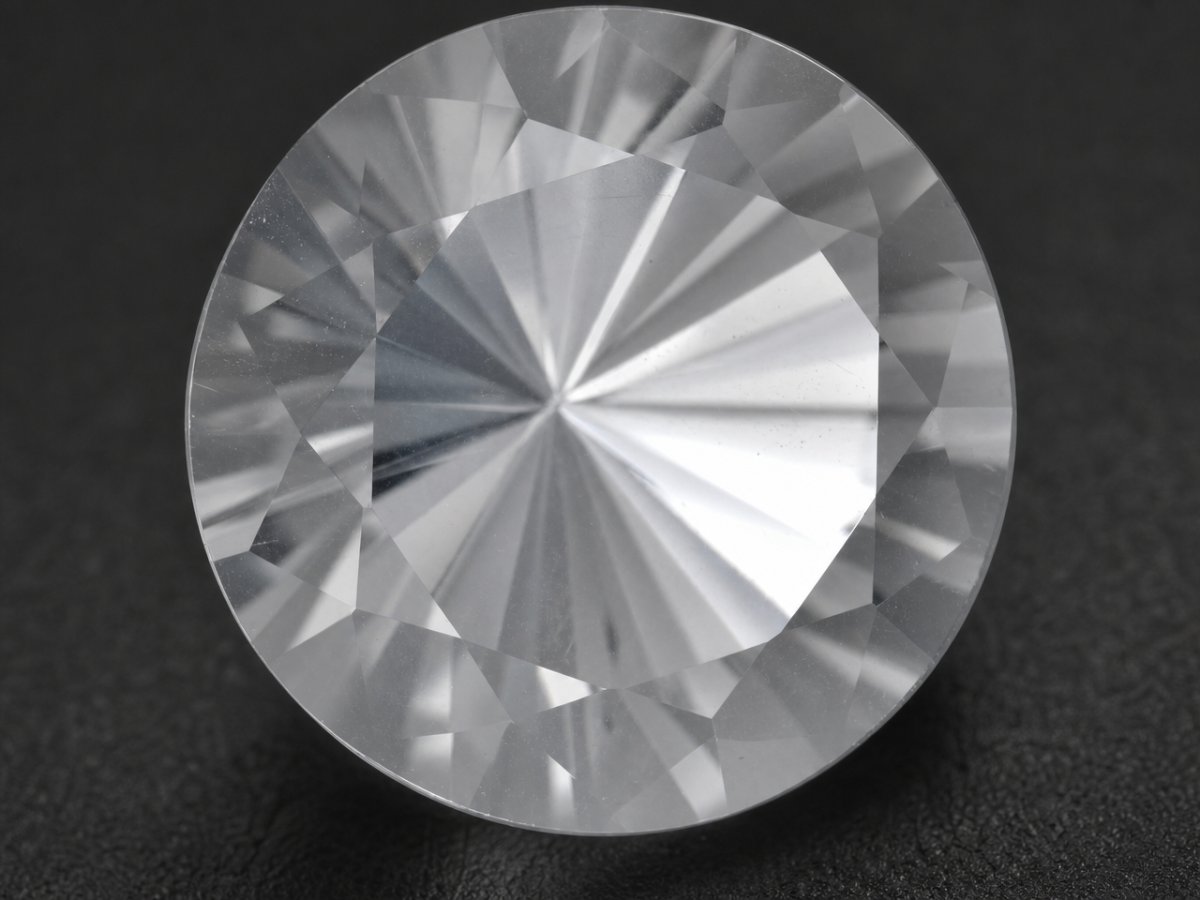
Faceted quartz is cut with flat polished surfaces that reflect light. Faceted cuts are popular for rings, earrings and pendants because they can show brightness and color well. In a faceted quartz gem, check that the stone is symmetrical, the outline is balanced and the facets meet cleanly. A well-cut stone should not have a large dull or windowed area when viewed face-up.
Checkerboard, Concave and Portuguese Cuts
Checkerboard cuts use many small facets across the crown, creating a lively surface pattern. Concave cuts use curved facets to produce distinctive light effects. Portuguese cuts often have many facets and can give quartz an ornate, brilliant appearance. These cutting styles can be excellent for buyers who want a decorative gem with strong visual presence.
Common Shapes
Quartz is widely available in oval, pear and round shapes. These are practical choices because they suit many jewelry settings and are easy to design around. Buyers may also find baguette, cushion, marquise and octagon shapes, along with fancy shapes, hearts, squares and trillions. More unusual shapes such as hexagons, pentagons and pyramids may appeal to designers looking for distinctive layouts.
Size and Carat Considerations
Quartz is available in a wide range of sizes, so buyers should think in terms of both carat weight and physical dimensions. Carat weight tells you how heavy the gem is, but millimeter measurements tell you how it will fit into a setting. For calibrated jewelry designs, dimensions are often more important than carat weight alone.
Large quartz gems can make impressive pendants or cocktail rings, but larger size can also make color zoning, inclusions or cutting quality more visible. Smaller stones are useful for earrings, accent designs and stacking rings, where matching and consistent color may be the priority. Always compare length, width and depth if the gem is intended for an existing mounting.
Treatments and Disclosure
Quartz may be untreated, and untreated stones are an important option for buyers who prefer gems without enhancement. Quartz may also be treated by heat treatment, irradiation, coating or dyeing. Treatment disclosure matters because it helps you understand what you are buying and how to care for the stone.
Heat treatment and irradiation are used for some quartz gems to affect color. Coated quartz has a surface-related enhancement, so buyers should be more cautious about abrasion, harsh chemicals and repolishing. Dyed quartz has color introduced into the material and should also be evaluated carefully for care requirements and disclosure.
Before buying, check the treatment information supplied by the seller. If a stone is described as untreated, heated, irradiated, coated or dyed, keep that information with your purchase records. This is especially useful for jewelers, collectors and anyone reselling or resetting the gem later.
Durability and Everyday Wear
Quartz has a Mohs hardness of 7, which means it resists scratching better than many softer gems. This makes it suitable for earrings, pendants, rings, fashion rings, necklaces and many other jewelry uses. However, hardness is only one part of durability. Any gemstone can chip or break if struck hard, especially along exposed edges or points.
For rings, choose protective settings if the stone will be worn often. Bezel settings, lower profiles and designs that protect corners can reduce the chance of accidental damage. Pear, marquise, heart and trillion shapes may have points that need extra protection. Round and oval shapes are often practical for regular wear because they have fewer vulnerable corners.
Bracelets and cufflinks can expose quartz to more knocks and surface contact than earrings or pendants. If quartz is used in these items, consider secure settings and avoid wearing the jewelry during heavy work, sports or activities where the gem may be hit.
Origins of Quartz
Quartz is associated with several important sources. Brazil, Madagascar and Uruguay are especially notable origins. Quartz is also known from Bolivia, India, Sri Lanka and Tanzania, as well as Australia, China, Mexico, Mozambique and Russia.
Origin can be interesting to collectors and may matter for personal preference, but buyers should evaluate each quartz gemstone on its own qualities. Color, cut, clarity, size, treatment and suitability for the intended jewelry design are usually the most practical factors. If origin is important to you, choose a seller that provides clear origin information when available.
Choosing Quartz for Jewelry
Earrings
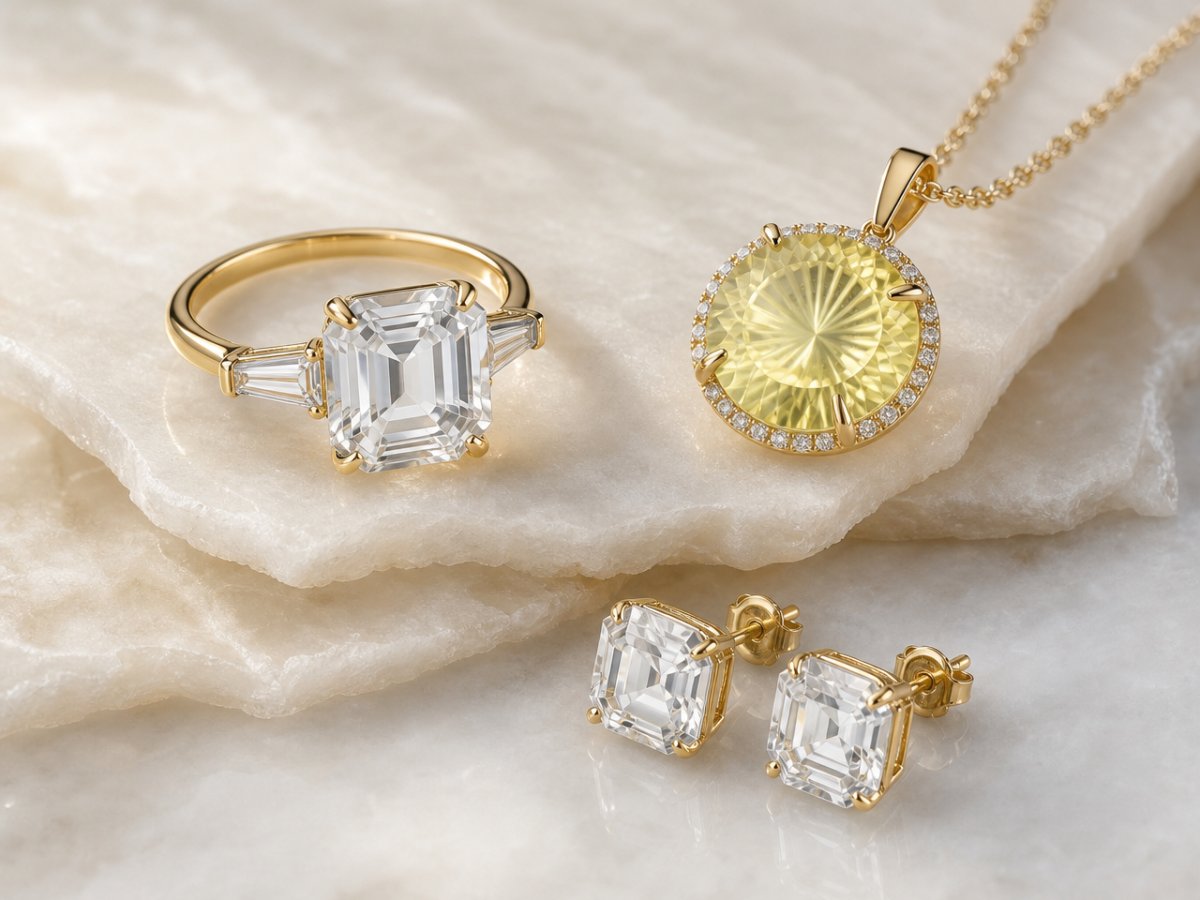
Quartz is a strong choice for earrings because earrings are usually less exposed to impact than rings or bracelets. For stud earrings, matching is important: look for similar size, shape, color and cut. For drop earrings, pear or oval quartz can create elegant movement and a balanced outline.
Pendants and Necklaces
Pendants are one of the most forgiving and attractive uses for quartz. A pendant can showcase a larger faceted stone, a smooth cabochon or a decorative checkerboard cut. Because pendants are less likely to be hit than rings, they are suitable for a wide range of quartz shapes and sizes.
Rings and Fashion Rings
Quartz can be used in rings, including fashion rings and cocktail rings. For frequent wear, focus on good setting protection, a secure mounting and a cut that suits the design. Large quartz gems can create bold ring styles, but the setting should support the stone properly and protect exposed edges.
Bracelets, Cufflinks and Brooches
Quartz may be used in bracelets, cufflinks and brooches. Bracelets require extra care because they are more likely to contact hard surfaces. Cufflinks should be securely set and checked periodically. Brooches can display larger or more decorative quartz gems because they usually experience less direct wear than rings.
Practical Quartz Buying Checklist
- Choose the color first: Decide whether you prefer brown, purple, yellow or another quartz color, then compare tone and saturation.
- Inspect clarity: For transparent faceted stones, look for distracting inclusions or surface-reaching features. For cabochons, judge whether internal features add beauty or interfere with the look.
- Evaluate the cut: Check symmetry, polish, facet quality and face-up appearance. A well-cut quartz should look balanced and appealing.
- Confirm measurements: Use millimeter dimensions, not only carat weight, especially when fitting a stone into an existing setting.
- Review treatment disclosure: Note whether the gem is untreated, heat treated, irradiated, coated or dyed.
- Match the gem to the jewelry use: Earrings and pendants are generally lower-risk uses, while rings and bracelets require more protective settings.
- Consider origin as supporting information: Origin can be interesting, but do not choose by origin alone unless it is important to your collecting goals.
Care Tips for Quartz Jewelry
Quartz jewelry should be stored separately from other gems to reduce scratching and abrasion. Clean most quartz with mild soap, warm water and a soft cloth or soft brush. Avoid harsh chemicals, sudden impacts and rough handling. Extra care is advisable for coated or dyed quartz because surface-related or color-related enhancements may require gentler treatment.
Remove quartz rings and bracelets before heavy work, exercise, gardening or cleaning. Periodically check prongs, bezels and other settings to make sure the stone remains secure. With sensible care, quartz can remain attractive in many types of jewelry.
Summary
Buying quartz is about matching the right stone to the right purpose. Start with color and appearance, then examine clarity, cut, size, treatment and durability. Quartz has a Mohs hardness of 7 and is suitable for many jewelry uses, including earrings, pendants and rings, but setting style and wear habits still matter. Whether you are selecting a single gem for a pendant or matching stones for earrings, careful comparison will help you choose quartz with confidence.