

Star sapphire is a distinctive variety of sapphire chosen for its visible star-like optical effect, its strong durability and its suitability for many styles of jewelry. For buyers, the main question is not only whether the gem is attractive, but whether the star is well displayed, the color suits the design, the cut supports the effect and any treatments are clearly disclosed.
This buying guide explains the practical factors to consider before purchasing a star sapphire, including color, cabochon cutting, clarity and surface appearance, size, treatments, origin and jewelry use. Whether you are buying a single loose gemstone for a custom ring or selecting matched stones for earrings, understanding these points will help you compare options more confidently.
What Is Star Sapphire?
Star sapphire is a variety of sapphire, and sapphire belongs to the mineral species corundum. Its chemical formula is Al₂O₃, and it forms in the trigonal crystal system. Like other sapphire, star sapphire is known for its excellent hardness, but its appearance is different from transparent faceted sapphire because it is normally cut as a cabochon to show the star effect.
A cabochon is a gemstone cut with a smooth, domed top rather than flat facets. This dome is important because it allows light to move across the surface and reveal the star. In buying terms, the quality of a star sapphire is judged by a combination of body color, visibility and centering of the star, dome shape, polish, size and treatment status.
Color and Appearance: What Buyers Should Look For
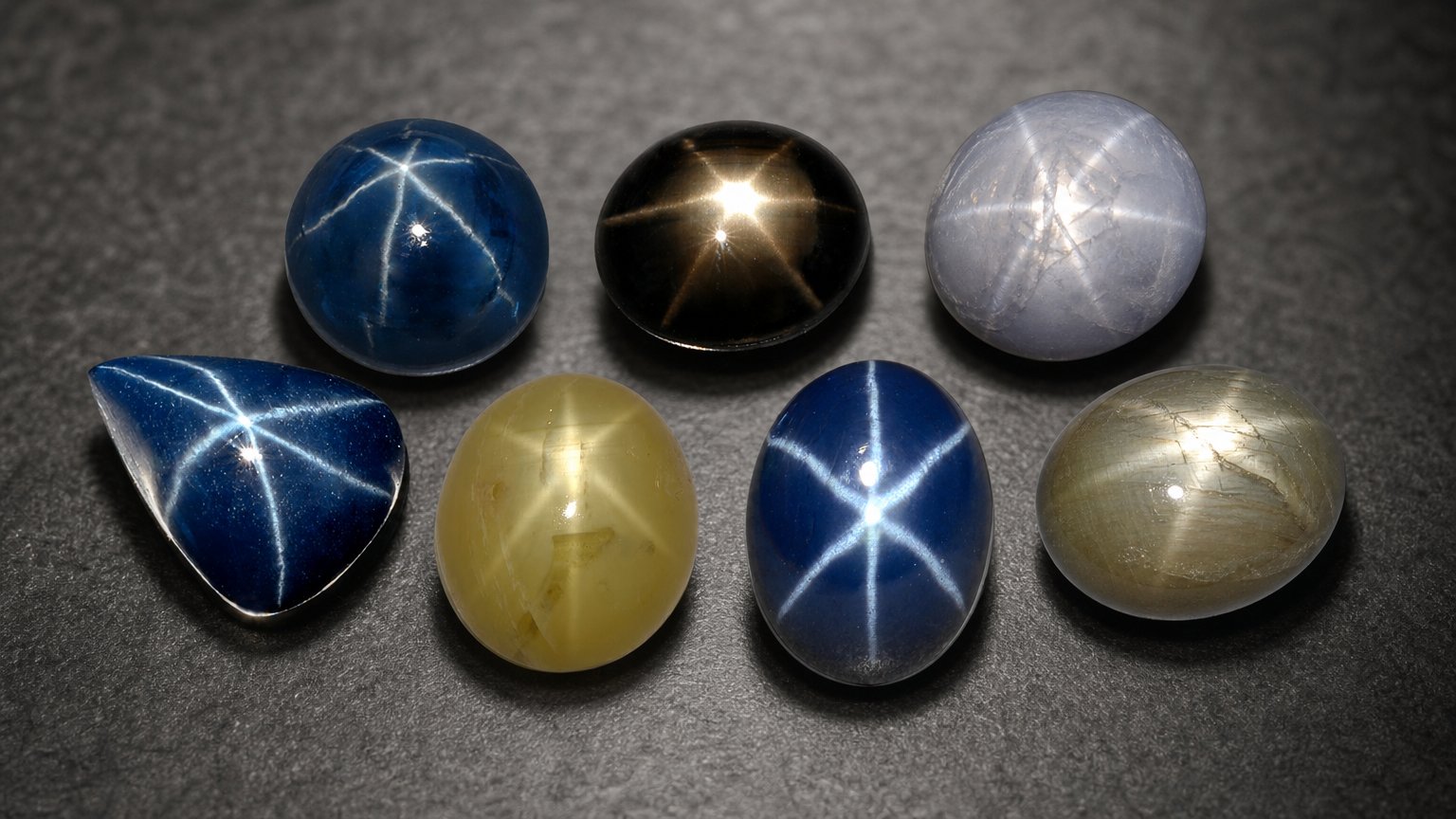
Star sapphire occurs in several colors, with blue and black among the most commonly encountered choices. Yellow star sapphire is also an important option, while brown and gray stones may appeal to buyers who prefer earthy or neutral tones. Orange, pink and purple examples can also occur and may be selected for more individual jewelry designs.
Color preference is personal, but it should be assessed together with the star effect. A stone with an attractive body color but a weak or poorly placed star may not deliver the classic star sapphire look. Conversely, a strong star on a less vivid body color may still be highly appealing if the optical effect is crisp and well centered.
Body Color
When viewing a star sapphire, first consider the overall body color. Blue star sapphire is often selected for traditional sapphire jewelry, while black star sapphire provides strong contrast that can make the star stand out clearly. Yellow stones can offer a brighter appearance, and gray, brown, pink, purple or orange stones can suit less conventional designs.
Look for a color that appears pleasing under normal lighting and fits the intended jewelry style. Very dark stones can sometimes obscure detail, while very light stones may make the star less dramatic. The best choice depends on the balance between body color and the visibility of the star.
The Star Effect
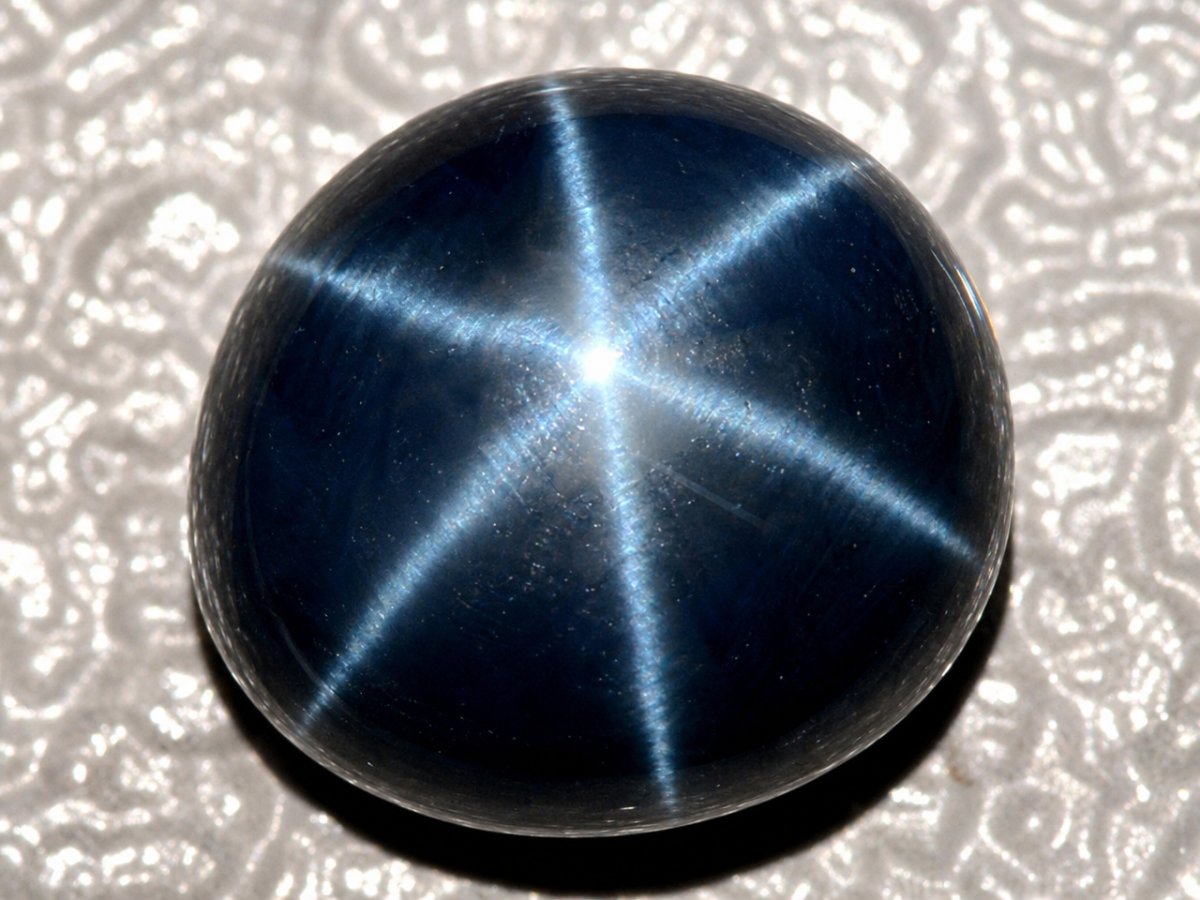
The star effect is the defining feature of star sapphire. It is an optical phenomenon seen when light reflects from oriented internal inclusions within the stone. In practical buying terms, check whether the star is easy to see, whether it appears centered on the top of the cabochon and whether it moves smoothly as the stone is turned under a direct light source.
A well-cut stone should display the star across the dome rather than only at the edge. If possible, examine the gem under a single strong light as well as under everyday lighting. Some stars are subtle, while others are more pronounced. Neither style is automatically right or wrong, but the effect should be visible enough for your expectations and intended use.
Clarity and Surface Appearance
Star sapphire is not usually purchased for high transparency in the same way as faceted sapphire. The inclusions that contribute to the star effect are part of its character. Instead of looking for a completely clean stone, buyers should look for an attractive overall appearance, a visible star and a surface that is well polished.
Check for surface-reaching cracks, chips, flat spots on the dome or areas that interrupt the star. Minor natural features may be acceptable, especially in stones with a strong star, but durability concerns or distracting surface damage should be considered carefully before purchase.
Cut, Shape and Proportions
Cabochon is the common cut for star sapphire because a domed surface is needed to display the star. Faceting would usually interfere with the optical effect, so buyers should expect star sapphire to have a smooth polished top and a flat or slightly curved base.
Oval cabochons are especially common and versatile. They work well in rings and pendants and give cutters room to orient the star attractively. Cushion and round shapes are also popular choices, particularly for classic ring designs or symmetrical jewelry layouts. Pear and freeform shapes may be selected when the design calls for something less standard or when the rough material is best suited to an individual outline.
Why the Dome Matters
The dome height and symmetry have a direct effect on appearance. A dome that is too shallow may not show the star strongly, while a very high dome can make the stone sit taller in jewelry. A centered, even dome generally gives the most balanced look.
When buying online, view the stone from multiple angles if photos or videos are available. If you are choosing a loose star sapphire from GemSelect, compare the listed dimensions and carat weight, because cabochons with similar weights can face up differently depending on dome height and outline.
Size and Carat Weight
Star sapphire is available in a range of sizes, and the right size depends on the jewelry purpose. Smaller cabochons can be practical for earrings, cufflinks or accent designs, while larger stones are often chosen for pendants, statement rings or collector pieces.
With cabochon gems, carat weight does not tell the whole story. A deeper dome may increase weight without greatly increasing the visible face-up size. Buyers should review millimeter dimensions as well as carat weight. For rings, also consider height above the setting, because a tall cabochon may need a protective and well-balanced design.
Gemological Properties and Durability
Star sapphire has a Mohs hardness of 9, making it one of the harder gemstones used in jewelry. Its refractive index is 1.762–1.770, and its specific gravity is 4.00. These properties are useful for identification and help explain why sapphire has long been valued for jewelry that can be worn regularly.
For buyers, the most practical point is durability. A hardness of 9 means star sapphire resists scratching better than many other gems. This makes it suitable for rings and bracelets, which are more exposed to wear than pendants or earrings. However, hardness is not the same as toughness. Any gemstone can be damaged by sharp impact, poor setting or careless handling.
Is Star Sapphire Good for Everyday Jewelry?
Star sapphire can be a good choice for frequently worn jewelry, especially when the stone is sound and the setting protects it properly. Rings should be designed so the cabochon is secure and not overly exposed to knocks. Pendants and necklaces generally expose the stone to less impact, making them excellent options for showcasing larger or higher-domed cabochons.
Bracelets can also be made with star sapphire, but they require extra care because wrist jewelry is more likely to strike hard surfaces. Earrings, brooches and cufflinks are good uses when the selected size and shape suit the design.
Treatments and Disclosure
Treatment disclosure is an important part of buying star sapphire. Star sapphire may be untreated, and untreated stones are often preferred by buyers who want a natural, minimally altered gem. However, treated material is also found in the market, including diffused, fracture-filled and heat-treated star sapphire.
Heat treatment is a common gem treatment category for corundum. Diffusion is a treatment category that can alter color or appearance in treated material. Fracture filling is used to improve the appearance of fractures but may require more care because filling materials can be affected by heat, chemicals or harsh cleaning.
Before buying, check the treatment information provided with the gemstone. A reliable seller should clearly state whether a stone is untreated or treated. At GemSelect, treatment information is included with gemstone listings so buyers can compare stones with better context.
Questions to Ask About Treatments
Useful questions include: Is the star sapphire untreated? If treated, what type of treatment is disclosed? Is the stone fracture-filled? Are there any care restrictions? These questions matter because treatments can affect care, repair decisions and buyer preference.
For jewelry designers, treatment information is also important before setting the stone. Heat from jewelry repair or resizing can be risky for some treated gems, particularly stones with fracture filling. If a piece may require future repair, disclose the gemstone treatment to the jeweler.
Origin: How Much Should It Matter?
Star sapphire is associated with several origins, including Madagascar and Thailand, with Sri Lanka and Tanzania also important. Other known sources include India, Myanmar and Vietnam. Origin can be interesting to collectors and may be part of a buyer’s preference, but it should be considered alongside the visible qualities of the individual gemstone.
For most jewelry buyers, appearance, durability, size, cut quality and treatment disclosure are more practical than origin alone. A star sapphire from any known source should be evaluated on its own merits: color, strength of the star, polish, shape and overall suitability for the intended design.
Choosing Star Sapphire for Jewelry
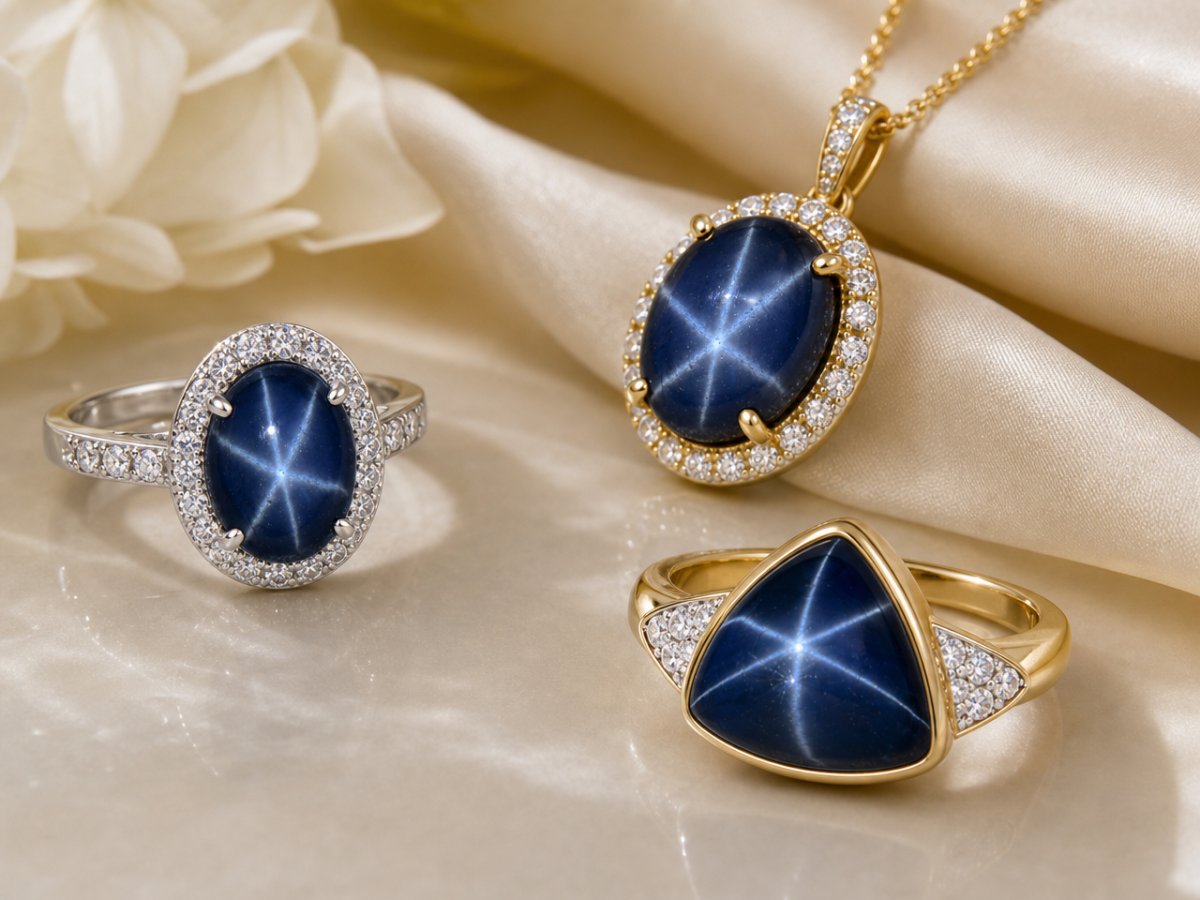
Star sapphire is well suited to pendants and rings, two of its most important jewelry uses. A pendant gives the stone room to be seen and is less exposed to hard knocks than a ring. A ring places the star sapphire in a highly visible position but should be designed with a secure setting, especially if worn often.
Earrings and necklaces are also attractive uses, particularly when stones are matched for size, color and star visibility. Matching star sapphires can be more challenging than matching standard calibrated gems because the star effect and dome shape vary from stone to stone. For earrings, buyers should compare not only dimensions but also body color and how the stars appear under similar light.
Bracelets, cufflinks and brooches are additional options. Bracelets need protective settings due to impact risk, while cufflinks and brooches can be excellent places to use darker or more distinctive cabochons that are meant to be noticed at close range.
Metal and Setting Considerations
The choice of metal is mainly a design decision, but contrast matters. Dark star sapphires can look bold in light-colored metals, while blue and yellow stones may suit either warm or cool metal tones depending on the desired style. Bezel settings can provide good protection for cabochons, while prong settings may allow more of the stone to be visible. The setting should hold the cabochon securely without covering the star.
Practical Buying Checklist
When comparing star sapphires, use a consistent checklist rather than judging by color alone. Start with the star: is it visible, centered and attractive? Then assess body color, polish and dome shape. Check the dimensions, not just carat weight, and confirm whether the stone size will work in the intended jewelry design.
Next, review treatment disclosure. Decide whether you prefer untreated star sapphire or are comfortable with a disclosed treatment. If the stone is fracture-filled, be aware that extra care may be needed. Finally, consider origin as supporting information rather than the only deciding factor.
For Rings
Choose a stone with a strong enough star to be seen when the hand moves. Pay attention to dome height and make sure the setting will protect the cabochon. Star sapphire’s hardness of 9 makes it suitable for rings, but good design and normal care are still important.
For Pendants and Necklaces
Pendants can accommodate larger or more dramatic cabochons. A centered star and attractive face-up color are especially important because the stone is viewed from the front. Higher domes may be easier to wear in pendants than in rings.
For Earrings
Look for a well-matched pair. Matching does not require the stones to be identical, but they should have similar size, outline, body color and star strength. Oval, round and cushion cabochons are often practical choices for earring settings.
Care and Maintenance
Because star sapphire is corundum with Mohs hardness 9, it is generally durable for jewelry. Clean it gently with warm water, mild soap and a soft brush or cloth. Avoid harsh chemicals and protect the stone from sharp blows.
If the stone is fracture-filled or if treatment status is uncertain, avoid ultrasonic or steam cleaning and consult a professional jeweler before repair work. Store star sapphire separately from softer gemstones to prevent scratching them, and avoid storing it in direct contact with other jewelry that could damage settings or polished surfaces.
Conclusion: How to Buy with Confidence
A good star sapphire purchase begins with understanding what makes this gemstone different. The best choice is not simply the largest or darkest stone, but the one with the right balance of body color, centered star, cabochon shape, polish, durability and disclosed treatment status.
Blue and black star sapphires are classic choices, while yellow, gray, brown and other colors offer different design possibilities. Cabochon cutting is essential, and oval shapes are especially common, with cushion and round stones also widely used. With a hardness of 9, star sapphire is suitable for many jewelry types, including rings and pendants, provided the setting is appropriate. By comparing visible quality and asking clear questions about treatment, buyers can select a star sapphire that suits both their taste and their jewelry plans.