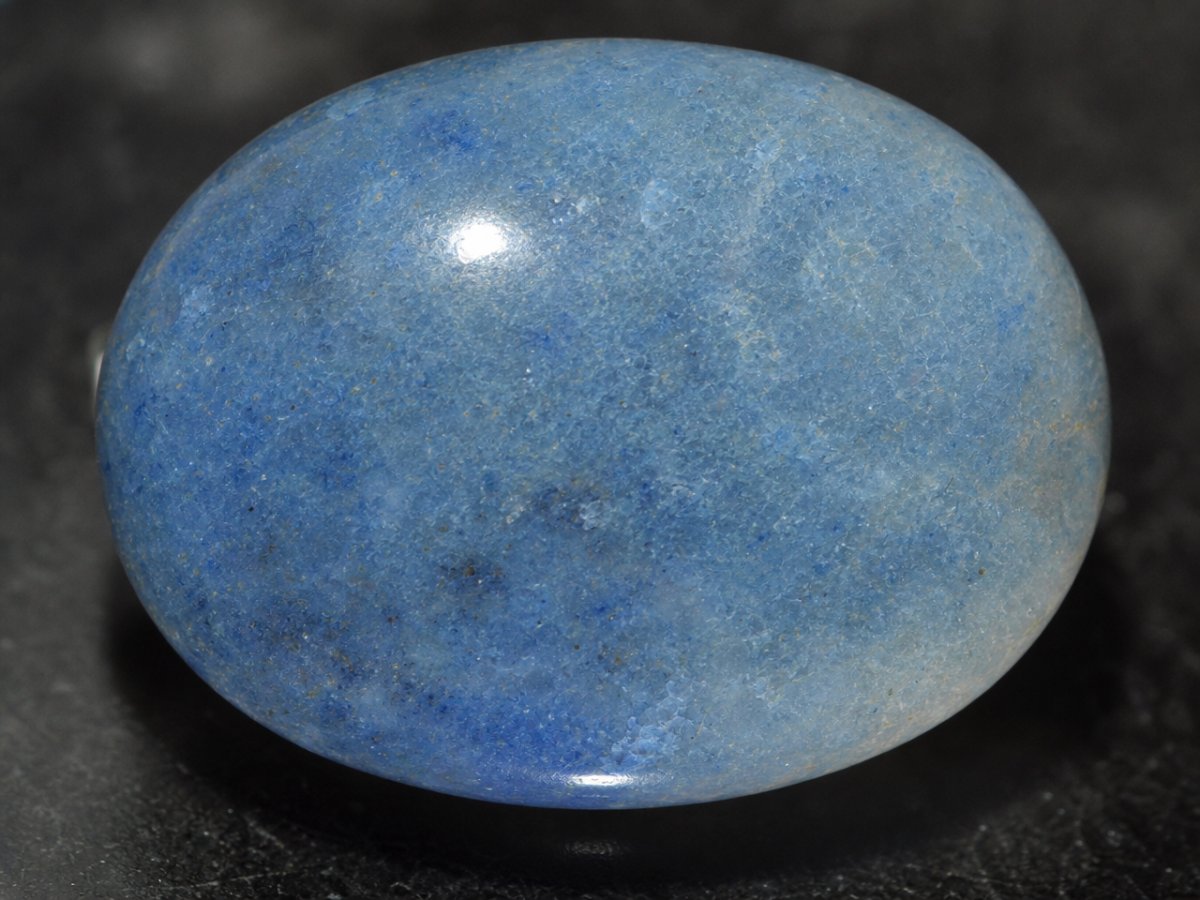


Lazulite is a blue phosphate gemstone admired for its distinctive color and relatively quiet presence in the gem world. Unlike gems with long records of royal, religious or ceremonial use, lazulite is best understood today as a collector-oriented gemstone with symbolism shaped by its blue appearance, natural character and geological origins.
This guide focuses on lazulite meaning, history and cultural significance. Where tradition is limited or not well documented, the discussion is kept practical and clearly separated from modern interpretation.
What Is Lazulite?
Lazulite is a phosphate mineral with the chemical formula MgAl₂(PO₄)₂(OH)₂. As a gemstone, it is known primarily for its blue color, which gives it an immediate visual connection with other blue gems, although lazulite is a distinct mineral in its own right.
Its crystal system is monoclinic, and gem-quality material is commonly fashioned as cabochons, with faceted stones seen less often. These details matter to history and symbolism because lazulite's appeal has largely been tied to appreciation by collectors, cutters and gemstone enthusiasts rather than to widespread ancient use.
Lazulite Meaning and Symbolism
The meaning most commonly associated with lazulite comes from its blue color. Across many gemstone traditions, blue gems are often linked with ideas such as calmness, reflection, clarity and depth. For lazulite specifically, these associations should be understood as modern symbolic interpretations rather than ancient doctrines or scientifically proven effects.
Lazulite also carries a sense of rarity and individuality. Because it is less familiar than commercial blue gems such as sapphire or topaz, it often appeals to people who value unusual natural stones and understated distinction. In that sense, lazulite can symbolize personal taste, quiet confidence and appreciation for the uncommon.
Blue as a Symbolic Color
Blue gemstones have long been admired for their visual connection to sky and water. Lazulite's blue color fits naturally into this broader symbolic language. For modern wearers and collectors, it may represent serenity, contemplation or sincerity, but these meanings are best viewed as cultural and personal associations rather than fixed historical rules.
Historical Background
Lazulite does not have the same widely documented historical profile as gems that appear prominently in ancient trade, religious texts or royal inventories. Its significance is more closely connected with mineral collecting, gem cutting and modern appreciation of distinctive blue minerals.
This limited historical record is important. It means that responsible discussions of lazulite should avoid assigning it unsupported ancient uses, legendary powers or ceremonial roles. Its story is quieter, but still meaningful: lazulite represents the modern interest in gemstones beyond the most famous names.
Origins and Geographic Significance
Important sources of lazulite include Canada, with additional known origins including Brazil, Madagascar, the United States, Afghanistan and Pakistan. These localities contribute to lazulite's identity as a gemstone of geological interest, particularly for collectors who appreciate where a stone comes from as part of its story.
For meaning and history, origin can add context rather than create symbolism by itself. A lazulite from a notable source may be valued not only for appearance, but also for its connection to a particular mineral locality. This is especially relevant for collectors who see gemstones as natural records of place and formation.
Natural Character and Modern Appreciation
Lazulite is commonly associated with untreated material. In modern gemstone culture, untreated stones are often appreciated for their natural state. This does not create a mystical meaning, but it can add emotional value for buyers who prefer gems whose appearance is not the result of enhancement.
For many enthusiasts, lazulite's appeal lies in this combination of natural blue color, relative rarity and mineralogical identity. It is a gemstone that rewards close attention rather than instant recognition.
Lazulite in Contemporary Jewelry and Collecting
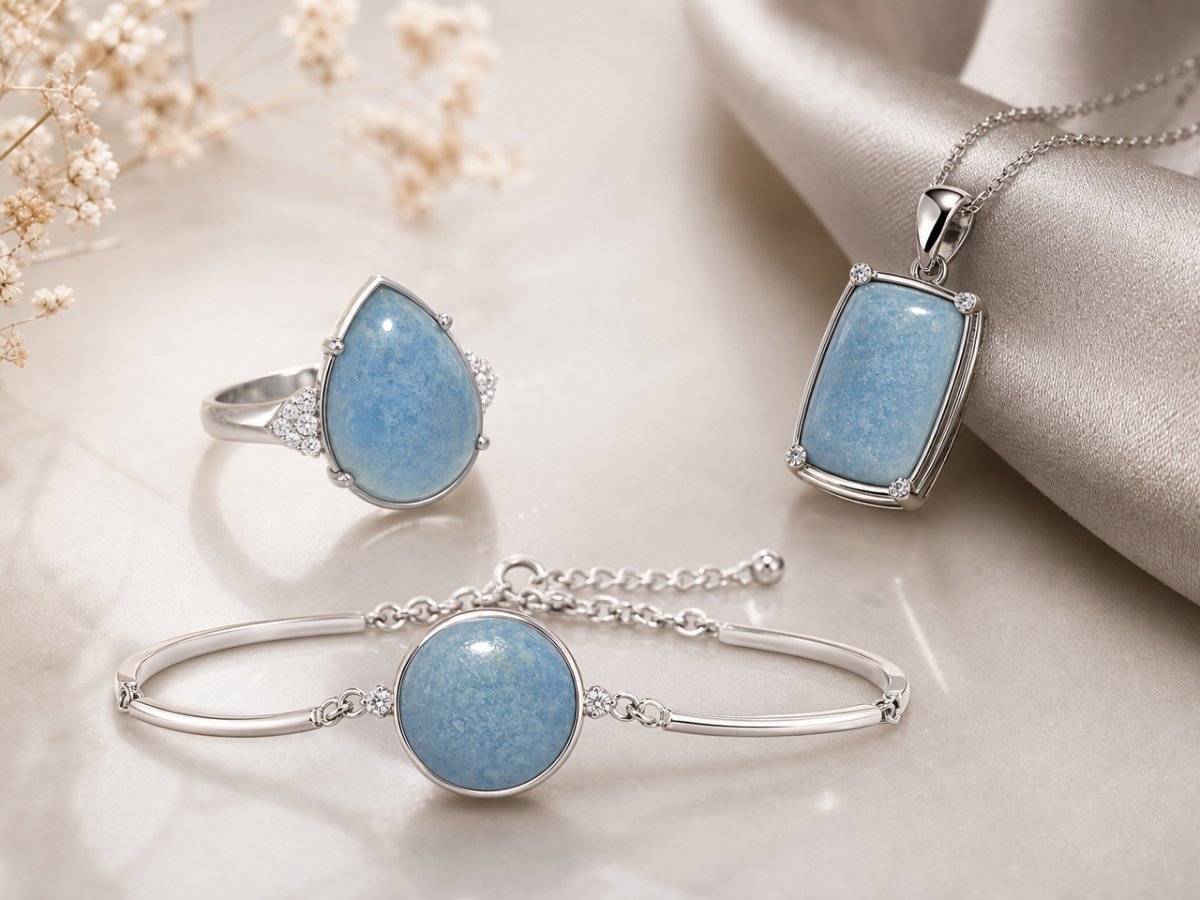
Today, lazulite is most often appreciated by collectors, gemstone enthusiasts and jewelry designers looking for a distinctive blue stone. It may appear in pendants, rings, earrings, bracelets and necklaces, although its use is typically more specialized than mainstream jewelry gems.
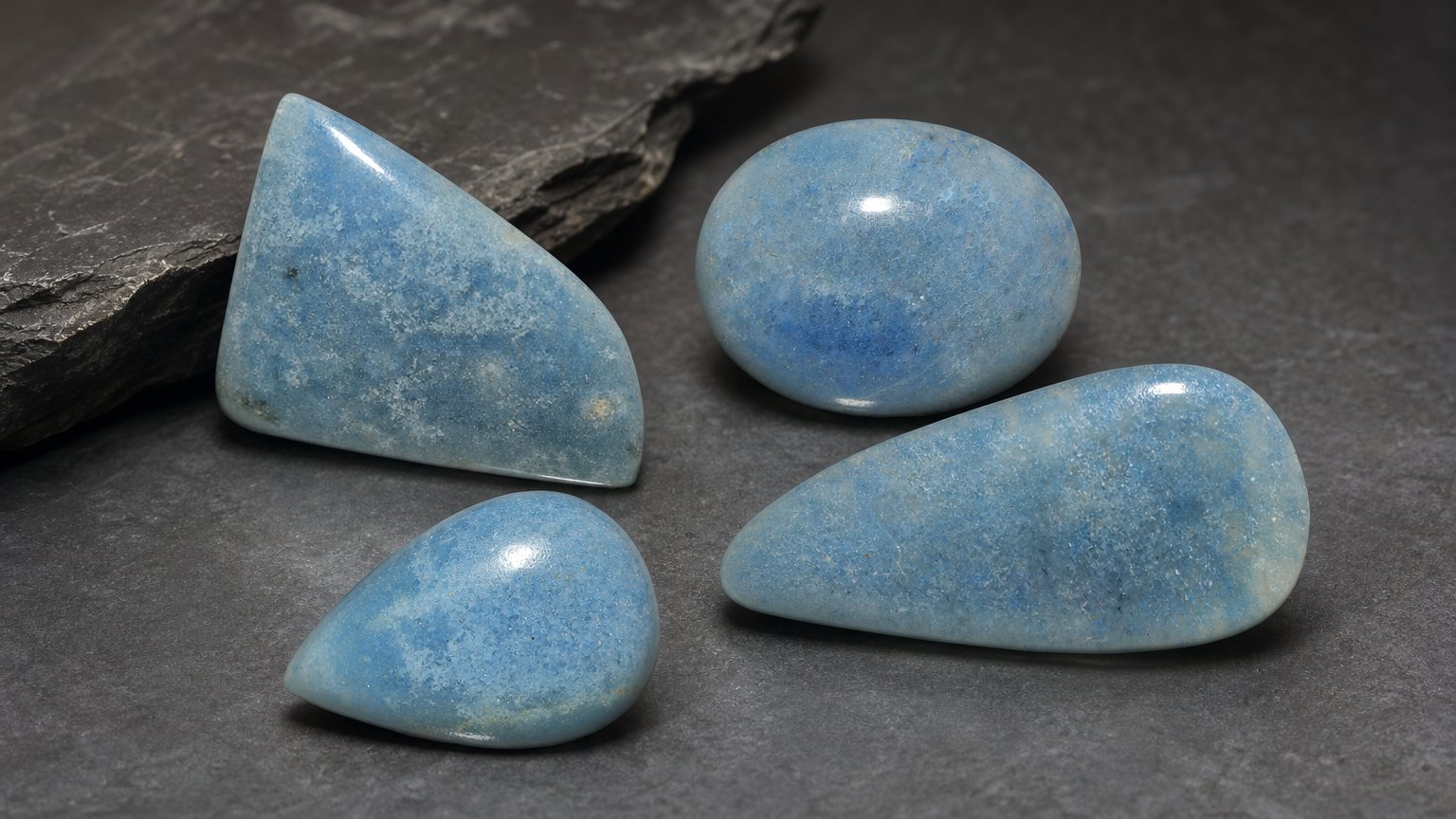
Cabochon cutting is especially common, helping emphasize body color and presence. Freeform and fancy shapes also suit lazulite's individual character. In a symbolic sense, this makes lazulite a fitting choice for people who prefer gemstones with personality rather than standardized appearance.
How Lazulite Is Viewed Today
Modern lazulite meaning is less about inherited legend and more about personal interpretation. It is admired as a blue gemstone with a calm visual character, a natural mineral identity and a connection to notable gem-producing regions.
For some, lazulite represents peaceful focus or individuality. For others, it is simply a beautiful and unusual gemstone. Both views are valid as long as symbolic meanings are understood as personal or cultural interpretations rather than factual properties.
Conclusion
Lazulite's meaning and history are defined by subtlety rather than spectacle. It is a blue phosphate gemstone with important sources including Canada, Brazil, Madagascar, the United States, Afghanistan and Pakistan. While it does not have a heavily documented ancient symbolic tradition, lazulite has a strong modern identity as a distinctive, often untreated blue gemstone appreciated by collectors and jewelry lovers.
For GemSelect customers and gemstone enthusiasts, lazulite is best approached as a stone of individuality, natural beauty and quiet depth-a gem whose significance often comes from personal connection as much as from historical tradition.