

Lapis lazuli is one of the most recognizable blue gemstones, valued for a color identity that feels bold, calm and enduring. In a meaning and history context, its appeal begins with that unmistakable blue appearance and continues through its use in personal adornment, artisan design and carved gem objects.
This guide focuses on what can be stated responsibly: lapis lazuli as a blue gem material, its important origins, its mineral associations and the way its visual character has shaped modern symbolic meaning. Where symbolism is discussed, it should be understood as cultural, artistic or personal interpretation rather than a scientific property.
What Is Lapis Lazuli?
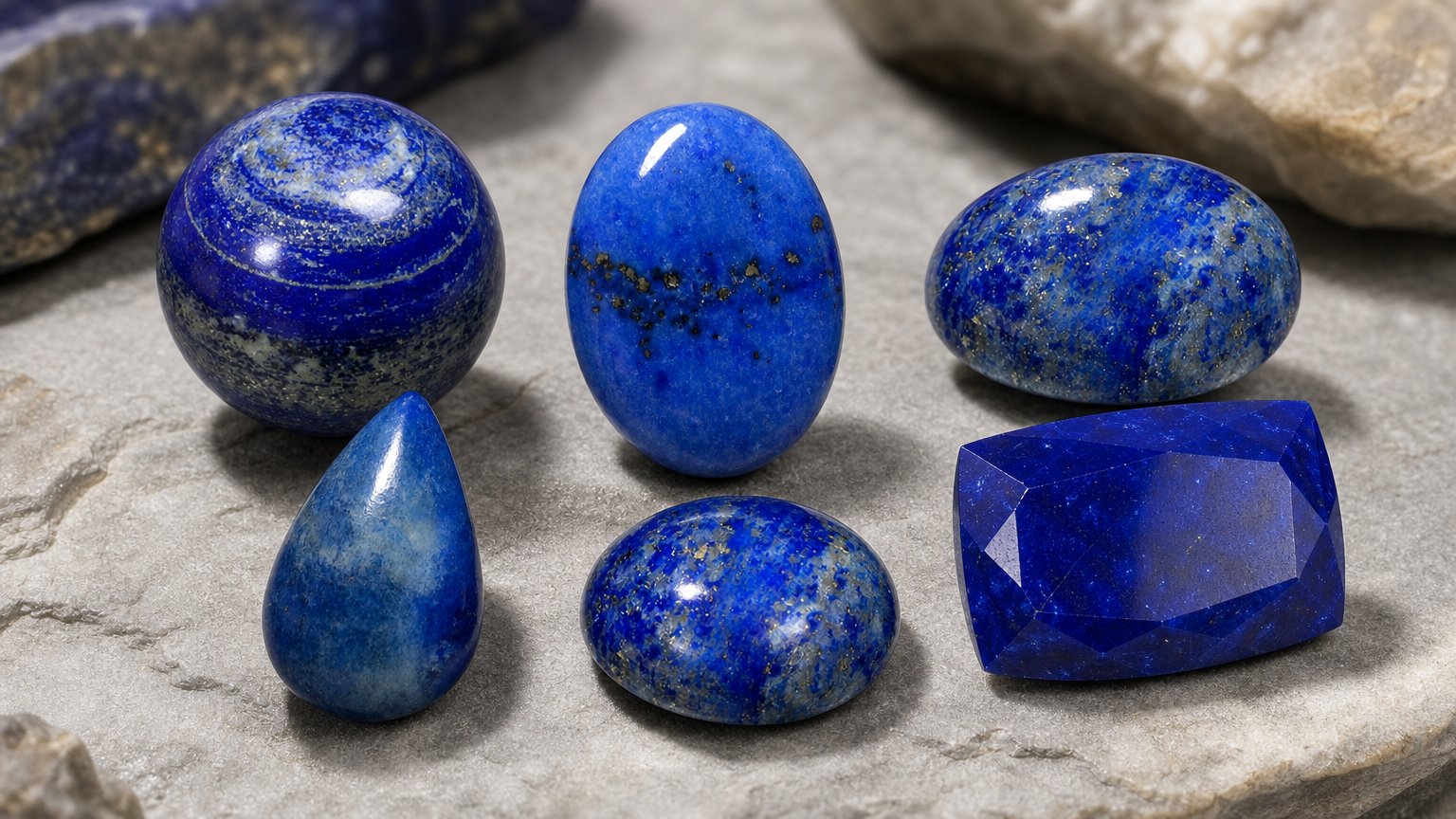
Lapis lazuli is a blue gemstone material associated with several minerals, including lazurite, diopside, feldspar and mica. This makes it different from gems that are normally described as a single mineral species. Its identity is therefore strongly tied to the combined visual impression of the stone rather than to one isolated mineral component.
For gemstone enthusiasts, this matters because lapis lazuli is appreciated as a complete visual material. Its blue color is the central feature, and that color has made it meaningful in decorative objects, personal jewelry and artistic settings.
The Meaning of Lapis Lazuli
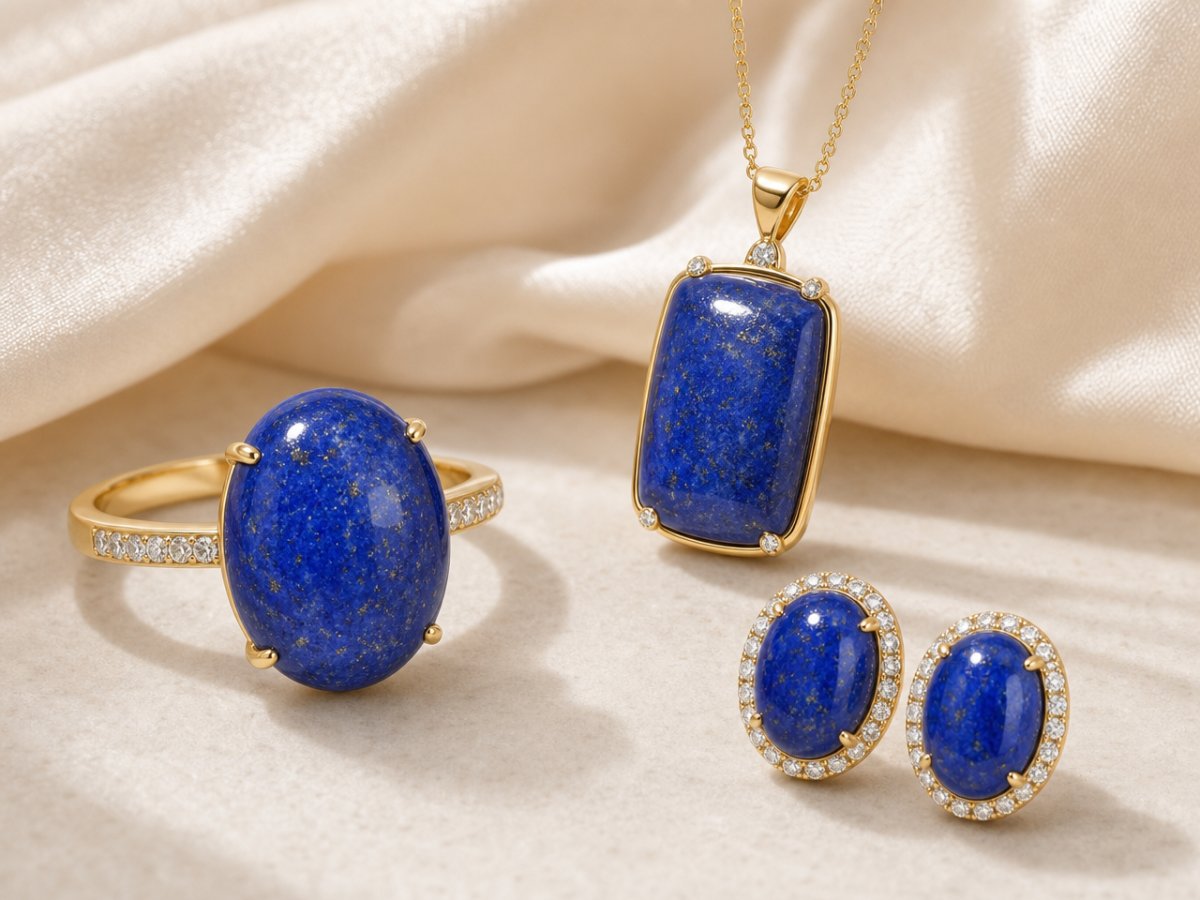
The modern meaning of lapis lazuli is most closely connected with its blue color. In design and cultural symbolism, blue is often used to suggest depth, composure, seriousness and reflection. When lapis lazuli is chosen for a pendant, ring, earrings or an artisan piece, the stone often communicates these qualities visually, even before any personal meaning is added by the wearer.
It is important to separate this kind of symbolism from factual gemology. Lapis lazuli does not need exaggerated claims to be meaningful. Its significance can come from color, craftsmanship, origin, personal memory or the role it plays in a piece of jewelry or a collection.
Blue as the Center of Lapis Lazuli Symbolism
Because lapis lazuli is known for blue, its symbolism is usually read through that color. A deep blue gem can feel contemplative and dignified; a brighter blue can feel expressive and artistic. These impressions are not medical or scientific effects. They are part of how people respond to color, design and cultural tradition.
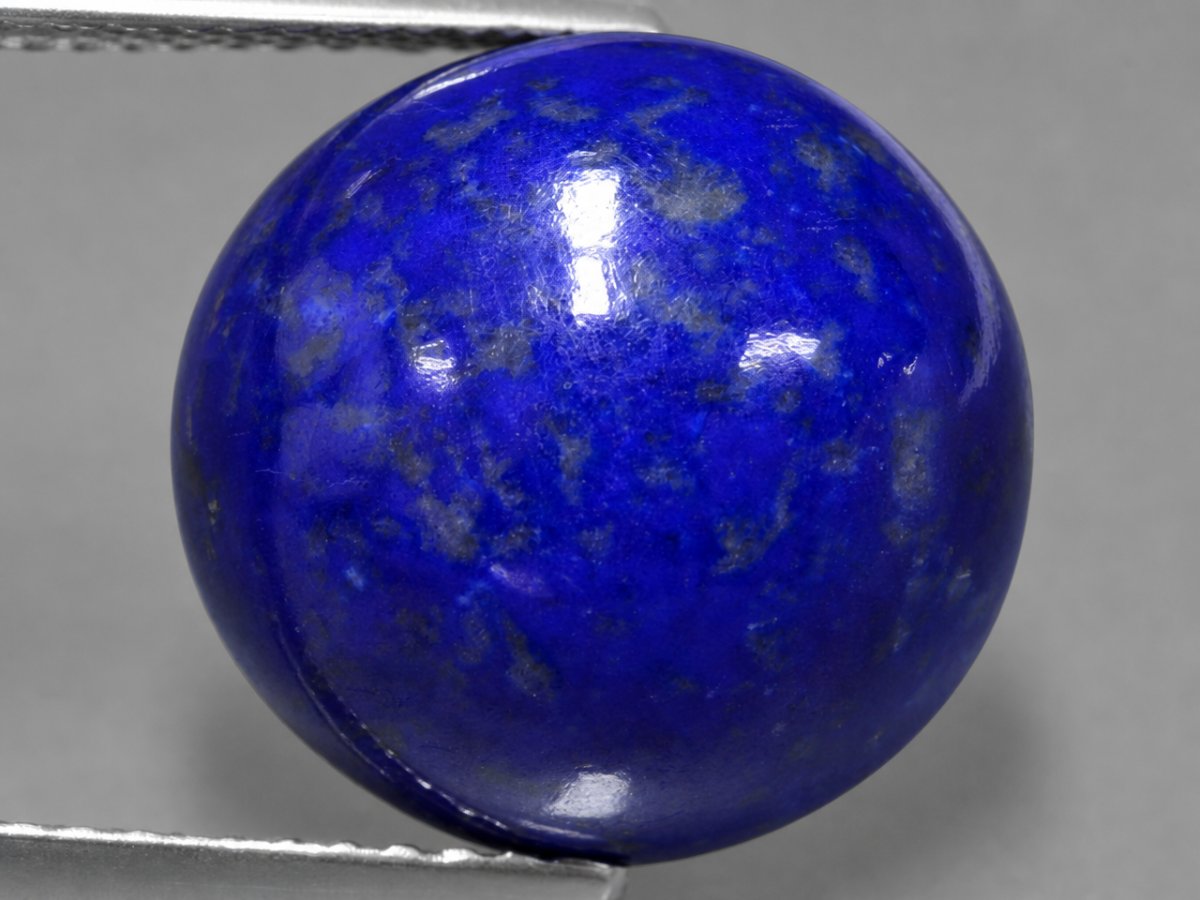
This is one reason lapis lazuli remains popular in meaningful jewelry. A simple cabochon can make the blue color the entire focus, while carved forms and artisan settings can give the stone a more personal or symbolic role.
Origins and Cultural Significance
Origin is an important part of lapis lazuli's story. Afghanistan is a major and especially important source associated with this gemstone. Lapis lazuli is also associated with origins including Myanmar, Pakistan, Canada, Russia and the United States.
For modern collectors and gemstone buyers, these origins show that lapis lazuli is not merely a local curiosity. It is a gemstone material known across different regions and markets. That international presence contributes to its cultural significance today: lapis lazuli is recognized by jewelers, designers, collectors and gem enthusiasts as a classic blue stone with a distinct identity.
Carving, Cabochons and Artistic Meaning
Lapis lazuli is commonly fashioned as cabochons and is also used in carved forms. These styles suit a gemstone whose meaning is largely visual. A smooth cabochon emphasizes the continuous field of blue, while carving allows the gem material to become a symbolic object, ornament or design element.
Although jewelry-use details belong more fully in a jewelry guide, they are relevant here because they show how lapis lazuli carries meaning. Pendants and rings place the blue stone in prominent positions, while earrings, bracelets, brooches and necklaces use lapis lazuli as a color statement. Artisan jewelry often gives the stone an especially expressive role.
Folklore, Tradition and Modern Belief
Many gemstones acquire layers of folklore and personal meaning over time. With lapis lazuli, it is best to treat symbolic or spiritual interpretations as tradition, belief or personal association unless they are supported by documented historical evidence. A person may choose lapis lazuli to represent calm, depth, sincerity or artistic expression, but those meanings are symbolic rather than proven physical effects.
This careful distinction is useful for buyers and enthusiasts. It allows lapis lazuli to be appreciated both as a real gem material and as a meaningful object, without confusing tradition with science.
Lapis Lazuli in Modern Culture
Today, lapis lazuli is widely appreciated as a classic blue gemstone for both individual jewelry and creative design. Its meaning is often personal: a collector may value its origin, a designer may value its color, and a wearer may connect it with memory, confidence or a favorite style.
GemSelect customers often look at lapis lazuli because it offers a direct, recognizable blue presence. In a meaning-focused sense, that simplicity is part of its strength. The stone does not rely on sparkle alone; it communicates through color, surface and form.
Conclusion
Lapis lazuli meaning is rooted in blue color, artistic use and a long-recognized gemstone identity. Its important association with Afghanistan and other origins adds geographic context, while its use in cabochons, carvings and jewelry gives it a lasting place in modern gemstone culture.
For anyone drawn to symbolic gems, lapis lazuli is best understood as a stone of visual depth and personal interpretation. Its traditional or modern meanings should be enjoyed as cultural and personal symbolism, not as scientific claims.