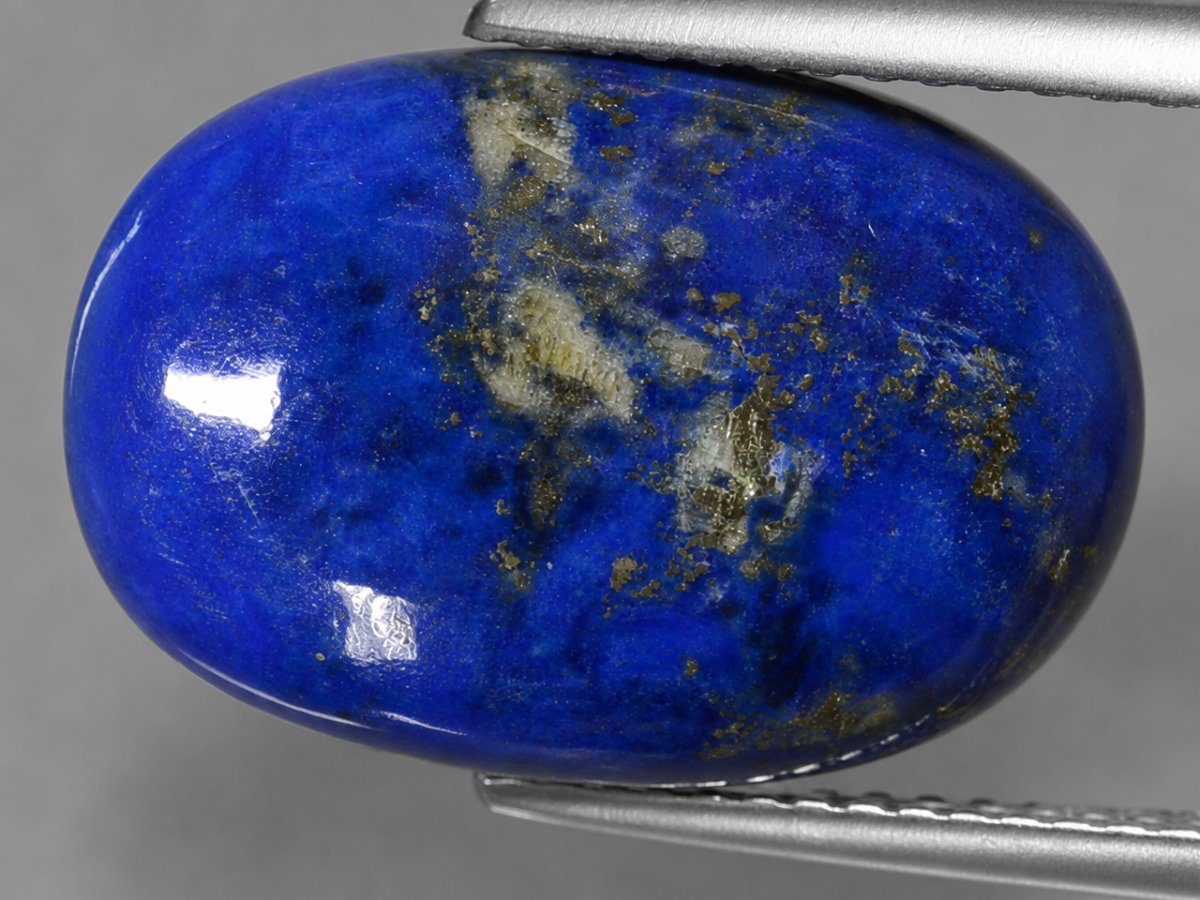


Lapis lazuli is chosen for its unmistakable blue color, smooth polished appearance and strong decorative character. It is especially popular in pendants, rings, earrings and artisan jewelry where a bold blue gemstone can become the main design feature.
This buying guide explains the practical details that matter when choosing lapis lazuli: color, cut, treatment disclosure, durability, origin and jewelry suitability.
What Is Lapis Lazuli?
Lapis lazuli is a blue gemstone material associated with several mineral components, including lazurite, diopside, feldspar and mica. Because it is not judged in the same way as transparent faceted gems, buyers should focus less on sparkle and more on body color, polish, shape, surface quality and how the stone will be used in jewelry.
Important gemological data for lapis lazuli includes a Mohs hardness of 5 to 6, a refractive index of about 1.50 and a specific gravity range of 2.50 to 3.00. Its crystal system is cubic, and the listed chemical formula is Na6Ca2.
Color and Appearance: The Main Buying Factor
Blue is the defining color of lapis lazuli and usually the first feature buyers notice. When comparing stones, look for a blue appearance that suits the design: a deep, even blue can look refined and classic, while more varied material can be attractive in handmade or artistic settings.
Since lapis lazuli is commonly sold as an opaque to semi-opaque polished gemstone, brilliance is not the key quality marker. Instead, examine the overall face-up appearance. A well-chosen stone should have pleasing color, a good polish and a surface that looks clean and well finished for its intended use.
Cut, Shape and Finish
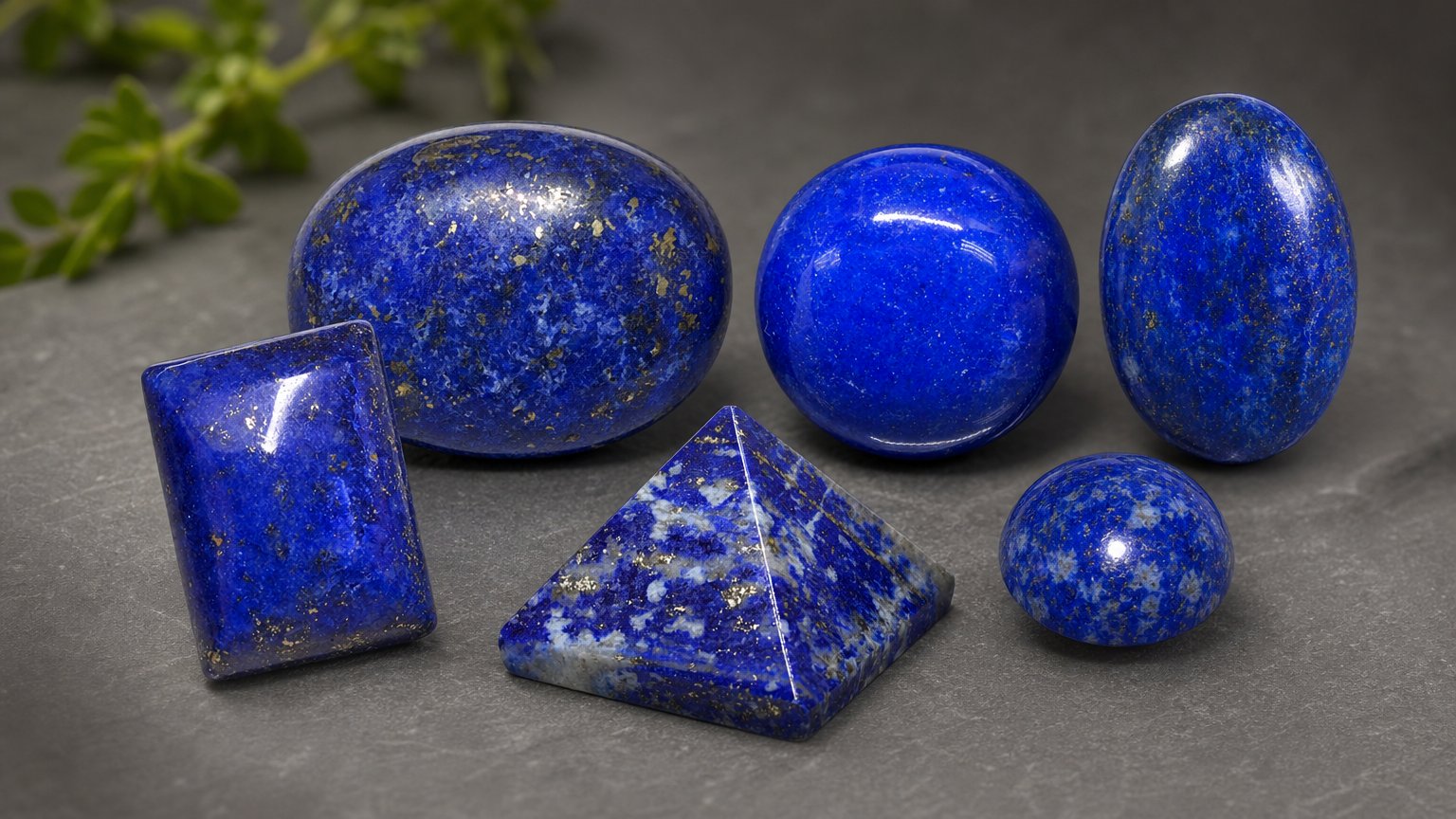
Cabochons are the most common and practical cut for lapis lazuli. A cabochon shows the gemstone's blue color across a smooth domed surface and is well suited to rings, pendants, earrings and brooches.
Checkerboard cuts are also used and can add visual interest by giving the surface more pattern and light reflection. Carved lapis lazuli is a good choice for buyers who want an ornamental or artisan look. Faceted and pencil cuts exist but are less central to typical lapis lazuli buying decisions.
Common shapes include oval and round, with ball, cushion, fancy, octagon and square shapes also available. For jewelry design, choose the shape according to the setting first, then compare the color and polish among stones of the same general size.
Origins to Know
Afghanistan is an important origin for lapis lazuli. Other known sources include Myanmar, Pakistan, Canada, Russia and the United States. Origin can be interesting to collectors and some buyers, but appearance, treatment disclosure, cut quality and suitability for the jewelry piece are usually more practical considerations.
If origin matters to you, buy from a seller that clearly states the available information. For most jewelry buyers, a beautiful blue stone with a good finish and transparent treatment information will be the better priority.
Treatments and Disclosure
Lapis lazuli may be untreated or dyed. This is one of the most important buying points because dye can affect how a buyer evaluates authenticity, long-term satisfaction and care.
Untreated lapis lazuli is preferred by buyers who want natural color without enhancement. Dyed lapis lazuli can still be used in jewelry, but it should be disclosed so you know what you are buying. When comparing stones online, check the treatment description carefully rather than assuming all blue lapis lazuli is untreated.
GemSelect lists gemstone details clearly so buyers can review treatment information before purchasing.
Durability and Everyday Wear
With a Mohs hardness of 5 to 6, lapis lazuli has moderate durability. It is suitable for many jewelry styles, but it should be protected from rough wear, hard knocks and abrasive contact with harder materials.
Pendants, earrings, necklaces and brooches are excellent choices because they are less exposed to impact than rings and bracelets. Lapis lazuli rings can be very attractive, but they are best worn with reasonable care. Bracelet stones may receive more knocks during daily activity, so secure settings and careful wear are important.
Best Jewelry Uses
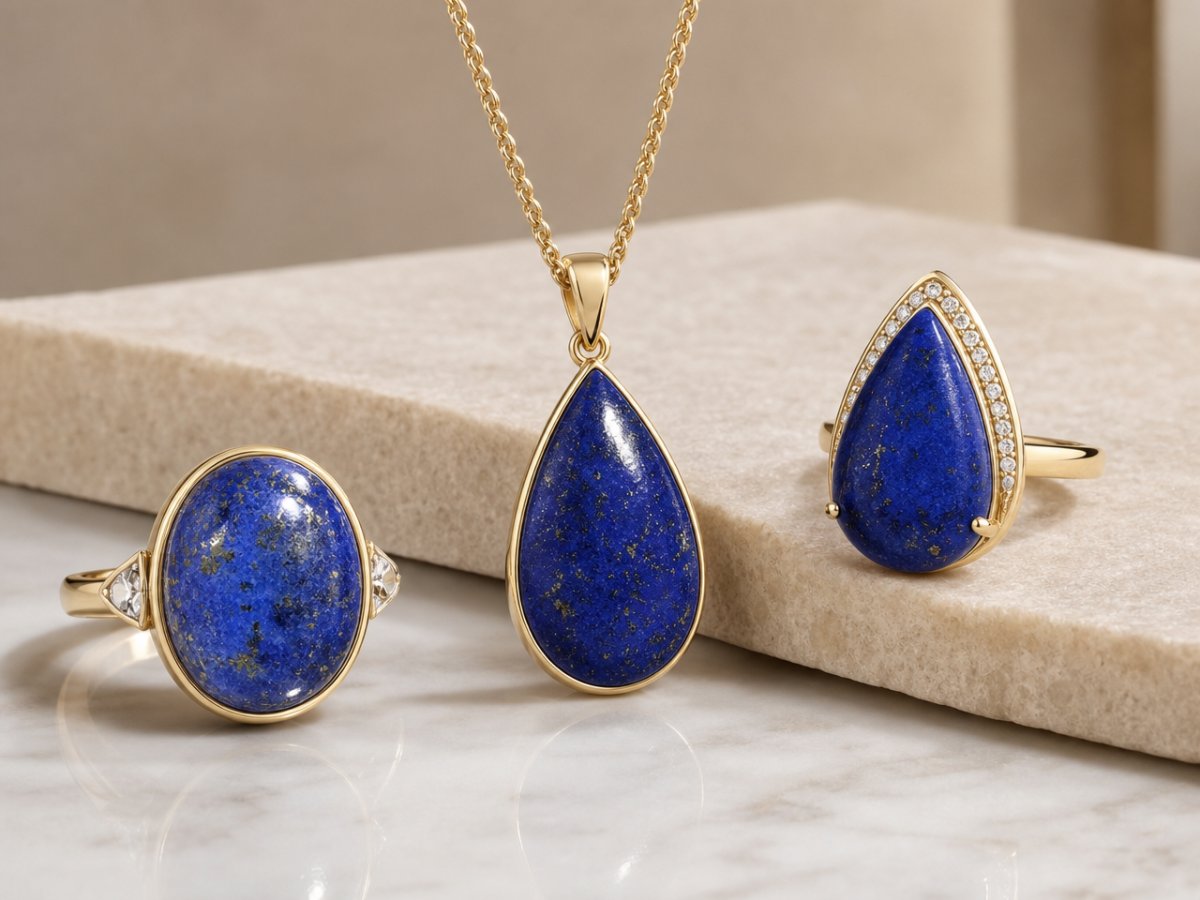
Lapis lazuli works especially well in pendants and rings where its blue color can be seen clearly. It is also popular for earrings, necklaces, brooches and artisan jewelry. Cabochons and carved pieces are particularly effective for designs that emphasize color and form rather than brilliance.
For earrings, consider matching stones for similar color and size. For rings, check that the surface is smoothly polished and that the setting offers some protection. For pendants and necklaces, larger cabochons or decorative shapes can create a strong visual centerpiece.
Practical Buying Checklist
- Choose the blue you prefer: Compare stones face-up and select the tone and evenness that best fits your design.
- Check the cut: Cabochons are the safest and most traditional choice; checkerboard and carved cuts add decorative style.
- Review treatment information: Confirm whether the stone is untreated or dyed before buying.
- Match durability to use: Choose pendants, earrings or brooches for lower-wear jewelry; use more care with rings and bracelets.
- Inspect polish and surface quality: A good lapis lazuli should look well finished, with a smooth, attractive surface.
- Consider shape and size together: Oval and round stones are versatile, while fancy shapes can make a design more distinctive.
Summary
The best lapis lazuli purchase is not about chasing a complicated grading system. Focus on attractive blue color, a pleasing polish, an appropriate cut, clear treatment disclosure and a jewelry style that matches the stone's moderate hardness. For most buyers, a well-cut cabochon or decorative polished stone will provide the most satisfying balance of appearance, usability and value.