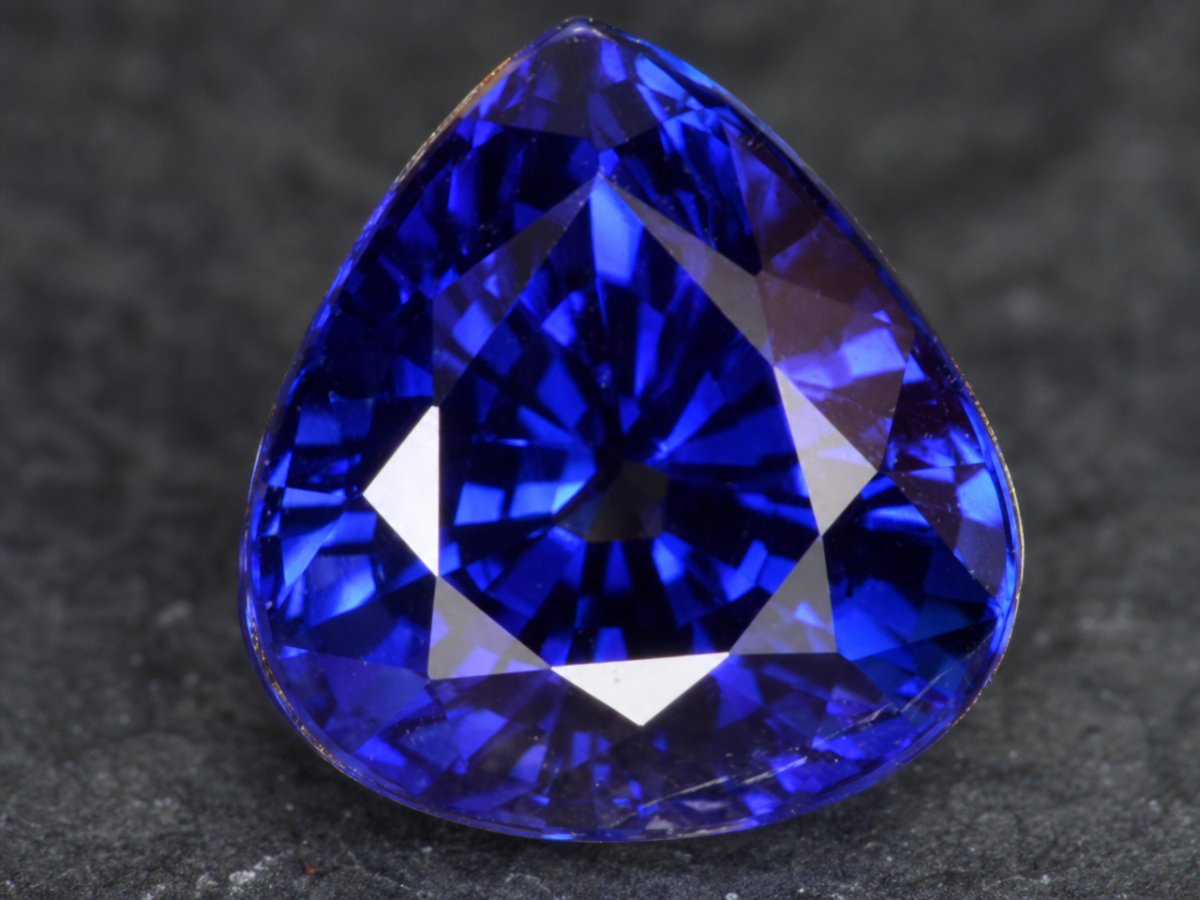


Blue sapphire is one of the most recognized blue gemstones in the world, valued not only for its color but also for the meaning people attach to it. As the blue variety of sapphire, a gemstone of the corundum mineral species, it has become closely associated with personal milestones, September birthdays and enduring blue gemstone symbolism.
This guide focuses on the cultural and traditional side of blue sapphire: what the name means, how the gem is understood today, where it is found, and how to separate established associations from personal or folkloric belief.
What Is Blue Sapphire?
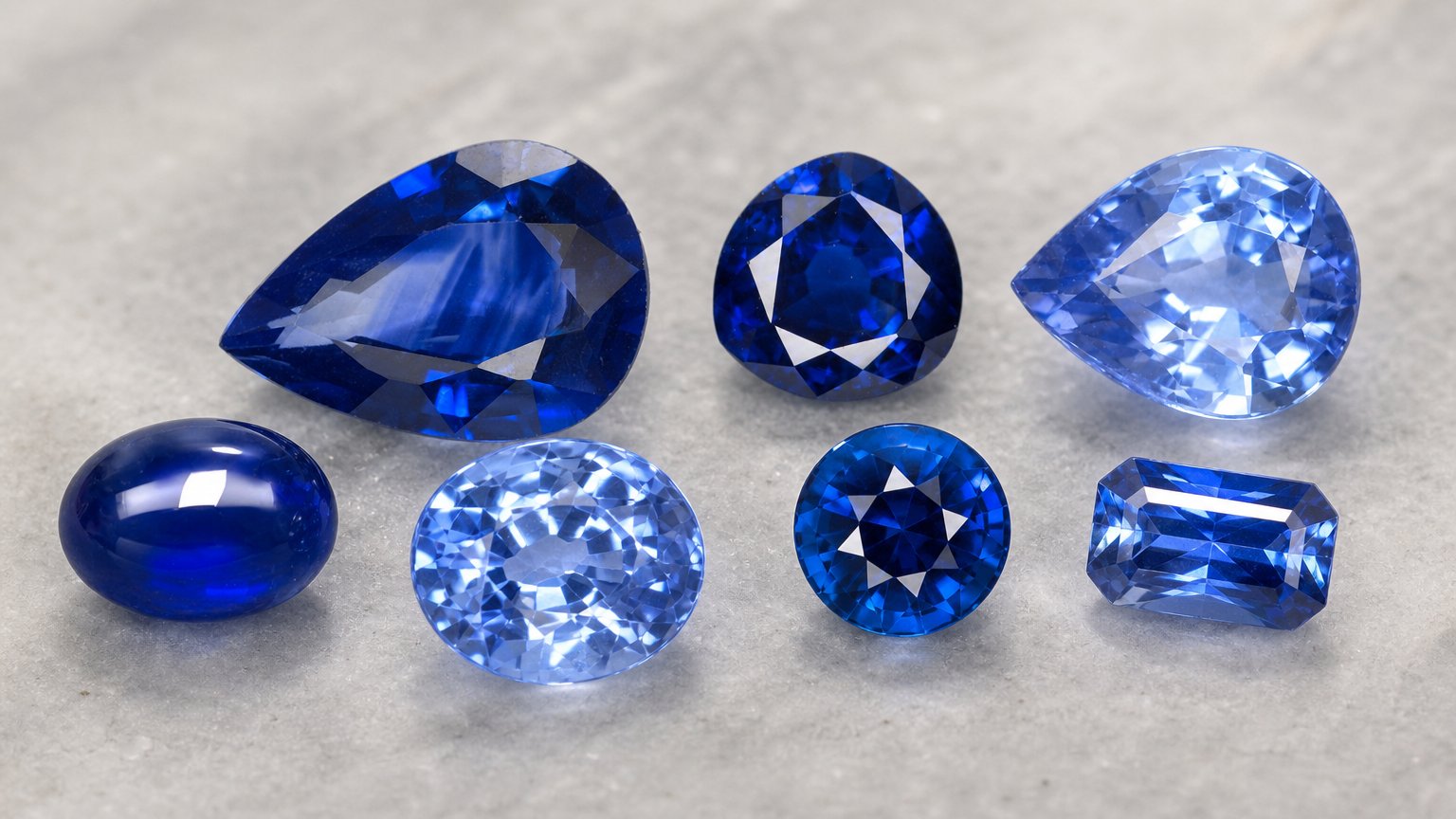
Blue sapphire is a blue variety of sapphire. Sapphire belongs to the mineral species corundum, and the blue color is the defining feature of this variety. In everyday gemstone language, the word “sapphire” is often strongly associated with blue stones, although this guide is specifically about blue sapphire.
The name is straightforward and descriptive: “blue sapphire” identifies both the color and the gemstone family. That simple name is part of its appeal. It communicates a clear visual identity before any symbolic meaning is added.
Blue Sapphire Meaning and Symbolism
The meaning of blue sapphire is shaped by three main ideas: its blue color, its identity as sapphire, and its role as the September birthstone. In jewelry and gift traditions, blue sapphire often represents a meaningful personal connection rather than a single fixed interpretation.
Because blue is the dominant visual feature, many people associate blue sapphire with qualities often linked to the color blue, such as calmness, depth, steadiness and formality. These are symbolic interpretations, not scientific properties, but they help explain why blue sapphire is frequently chosen for important jewelry and commemorative gifts.
As a sapphire, the stone also carries a sense of permanence and distinction in modern gem culture. For many buyers, the symbolism is not based on folklore but on the gem’s enduring reputation, its strong visual identity and its suitability for pieces intended to mark lasting relationships or personal achievements.
September Birthstone Significance
Blue sapphire is associated with September as a birthstone. This is one of its clearest and most widely used traditional meanings today. A September birthstone can represent a birthday, a family connection, an anniversary month or another personal event tied to September.
Birthstone meaning is best understood as a cultural and personal tradition. Wearing or gifting a September blue sapphire does not imply any proven physical or medical effect; rather, it gives the gemstone a symbolic connection to a date, person or memory.
Origins and Cultural Identity
Blue sapphire is found in several important gem-producing regions. Notable origins include Sri Lanka, Madagascar, Australia, Mozambique and Tanzania, with additional sources including Myanmar, Nigeria, Thailand, the United States and Kashmir.
Origin can play a role in how collectors, jewelers and gemstone enthusiasts discuss blue sapphire. A locality name may add context to a stone’s story, especially when the origin is well known in the gem trade. However, origin should be kept separate from symbolic meaning: a sapphire’s cultural or personal significance usually comes from how it is used, gifted and remembered, not only from where it was mined.
Blue Sapphire in Jewelry Traditions
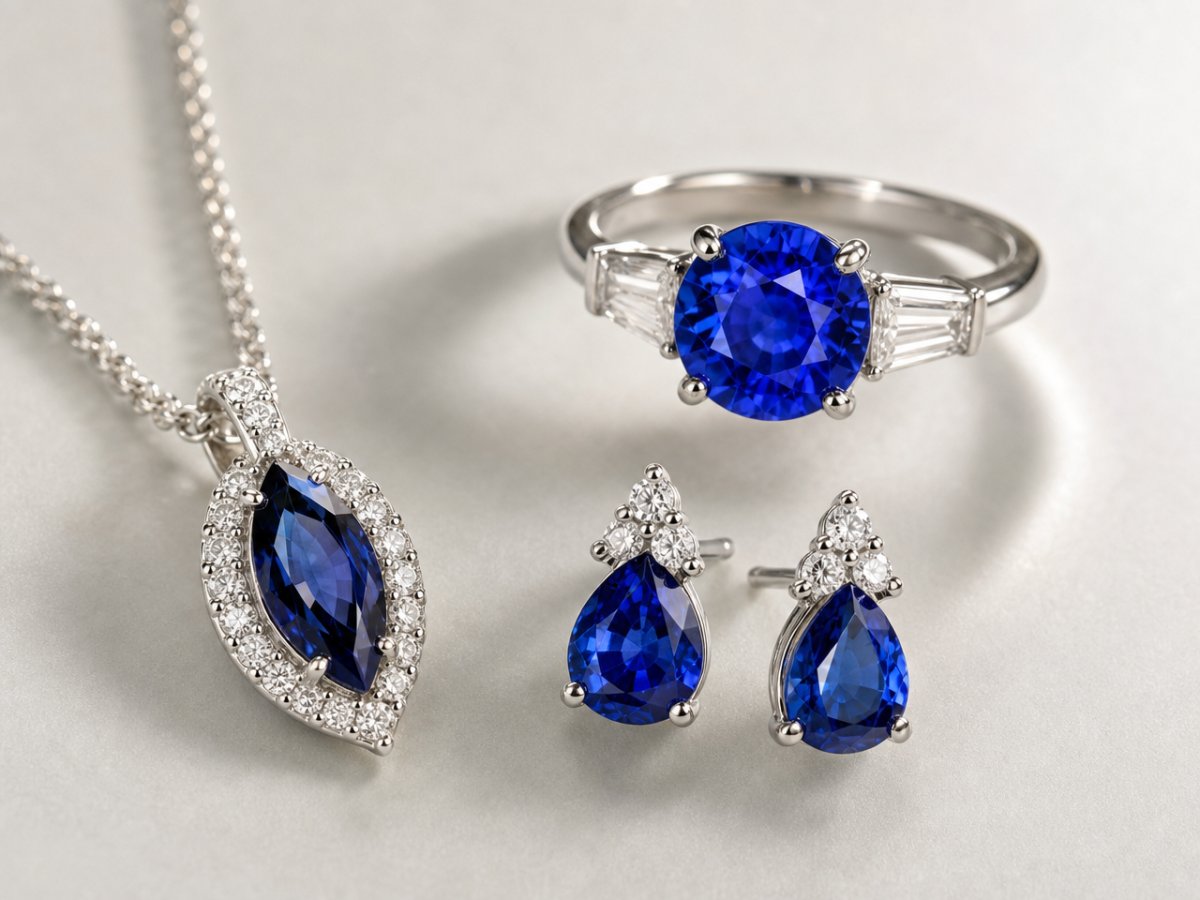
Although this is not a jewelry buying guide, jewelry is central to how blue sapphire meaning is expressed. Blue sapphire is commonly used in rings, earrings, pendants, necklaces, bracelets and engagement rings. These pieces often become carriers of personal meaning because they are worn during daily life or given for significant occasions.
In an engagement ring, for example, blue sapphire may be chosen for its distinctive color and lasting symbolic value. In earrings or pendants, the meaning may be more personal or decorative, connected to a birth month, a favorite color or a treasured gift.
Folklore, Tradition and Modern Belief
Like many gemstones, blue sapphire may appear in folklore, spiritual writing or modern crystal traditions. Such interpretations should be understood as belief-based or symbolic rather than scientifically proven. For some people, the gem’s meaning is emotional, spiritual or ceremonial; for others, it is simply a beautiful blue stone with a strong connection to September.
The most reliable way to talk about blue sapphire meaning is to distinguish tradition from fact. It is a fact that blue sapphire is the blue variety of sapphire and is associated with September as a birthstone. Interpretations such as emotional balance, wisdom, protection or spiritual focus may appear in various modern traditions, but they should be treated as personal or cultural beliefs rather than verified gemological properties.
How Blue Sapphire Is Viewed Today
Today, blue sapphire remains a gemstone with broad appeal among collectors, jewelers, designers and buyers looking for meaningful colored stones. Its symbolism is flexible: it can represent a September birthday, a relationship milestone, a personal achievement or simply an appreciation for deep blue color.
GemSelect customers often choose blue sapphire because it combines a recognizable gemstone identity with personal meaning. Whether selected as a birthstone, a gift or part of a custom jewelry design, its significance comes from the connection between the stone, the wearer and the occasion.
Summary
Blue sapphire’s meaning is rooted in its blue color, its place within the sapphire family and its established association with September. Its history and symbolism are best understood as a combination of gemstone tradition, birthstone culture and personal interpretation. While folklore and modern spiritual meanings may add extra layers for some people, the most dependable symbolic association is its role as a September birthstone and a lasting blue gemstone for meaningful jewelry.