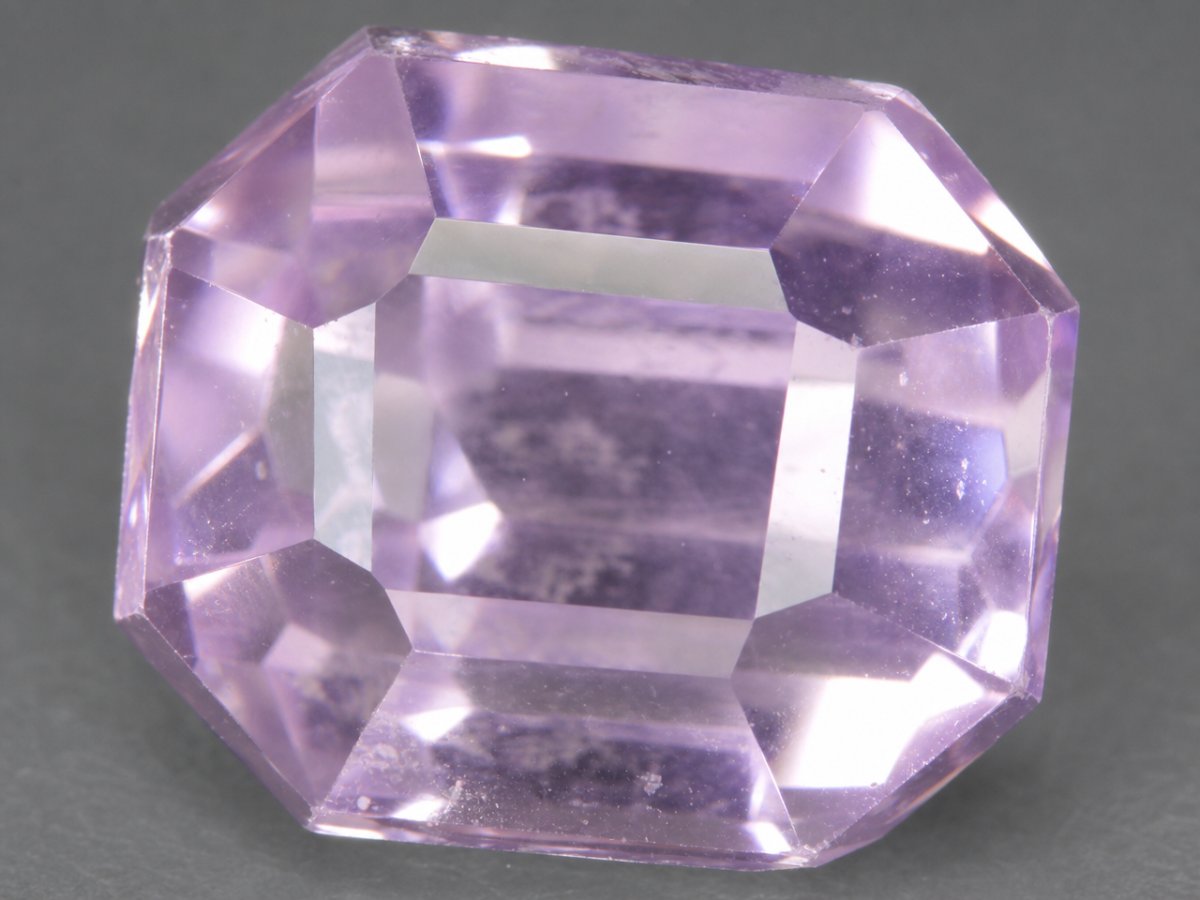


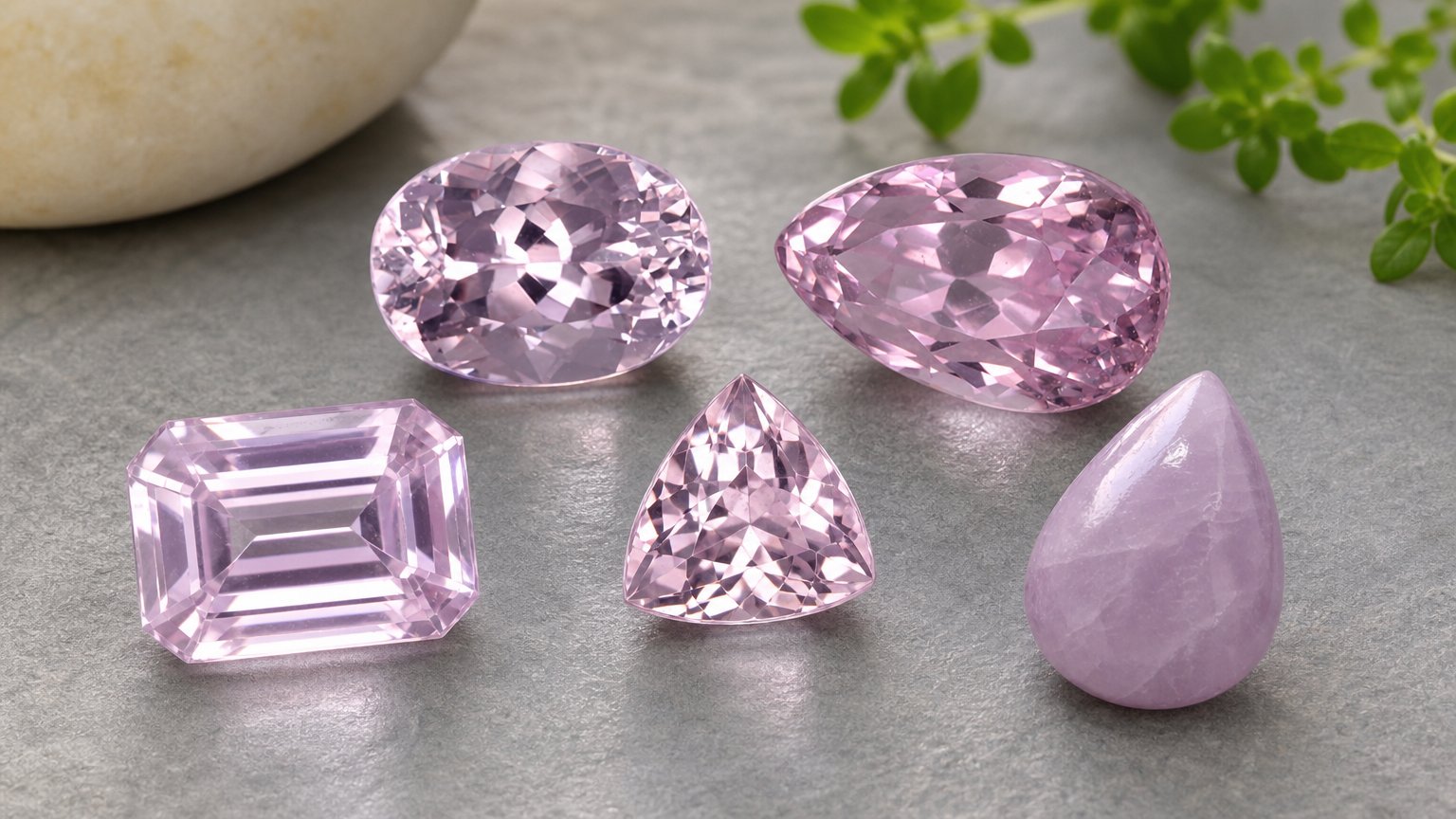
Kunzite is known for its soft pink, purple and violet colors, giving it a gentle visual character that has made it especially appealing to gemstone collectors, jewelry designers and buyers who prefer refined pastel gems. As a meaning and history subject, kunzite is best understood through its color symbolism, mineral identity and modern gemstone appeal rather than through ancient legends or long-established ceremonial traditions.
This guide explains what can be said reliably about kunzite’s meaning, how its appearance influences its symbolism, where it is found, and how modern gemstone enthusiasts interpret it today. Folklore and personal beliefs are clearly separated from established gem facts.
What Is Kunzite?
Kunzite is associated with the spodumene mineral. Its gem identity is closely tied to its delicate color range, most often pink, with purple and violet tones also seen. These colors are central to the way kunzite is perceived and the symbolic meanings people attach to it.
Unlike gemstones with long records of ancient religious or royal use, kunzite’s cultural importance is mainly connected with modern appreciation of colored gems. Its appeal comes from the combination of pastel color, transparency and a graceful look that suits both collectors and jewelry wearers.
Kunzite Meaning and Symbolism
The meaning of kunzite is often interpreted through its pink-to-violet palette. In general color symbolism, pink is commonly connected with affection, gentleness, kindness and emotional warmth. Purple and violet shades can add associations of elegance, sensitivity and quiet reflection. These are cultural and personal interpretations, not scientific effects.
For many modern gemstone buyers, kunzite represents softness without being plain. Its color is expressive but usually not visually heavy, which is why it is often chosen by people who want a gemstone that feels calm, romantic or refined. In this sense, kunzite’s symbolism comes less from ancient myth and more from the emotional impression created by its color.
Color and Its Role in Kunzite Tradition
Kunzite’s most recognized color is pink, while purple and violet tones give some stones a cooler or more dramatic appearance. This range is important because gemstone meaning is often shaped by visual impression. A pale pink kunzite may be viewed as tender and graceful, while a more purple or violet stone may feel more distinctive and contemplative.
Because color meanings vary by culture and individual preference, kunzite does not have one universal symbolic definition. Its meaning is often personal: a gift of kunzite may be chosen to suggest affection, appreciation or a gentle emotional connection, while a collector may value it for its distinctive place among pastel colored gemstones.
Historical and Cultural Context
The verified historical picture of kunzite is more limited than that of many classic gems. Rather than being defined by ancient trade routes, royal treasures or ceremonial use, kunzite is better understood as a gemstone whose significance has developed through modern gem collecting and jewelry design.
This does not make kunzite less meaningful. Many gemstones gain cultural importance when buyers, designers and collectors begin to associate them with certain colors, moods and forms of personal expression. Kunzite’s modern identity is built around its pink, purple and violet beauty and the sense of softness those colors communicate.
Origins and Modern Gemstone Identity
Kunzite is known from several important gemstone sources, with Afghanistan and Brazil especially significant. Pakistan is also associated with kunzite, while Madagascar and Mozambique are additional sources. These origins help shape kunzite’s modern trade identity and availability for collectors and jewelry designers.
In a meaning guide, origin matters because gemstones often carry a sense of place. A kunzite from a recognized source may interest collectors not only for its appearance but also for its geological and geographic story. However, the symbolic meaning of kunzite is not tied to one specific culture or location in the way some historically ancient gemstones are.
Kunzite in Modern Jewelry Culture
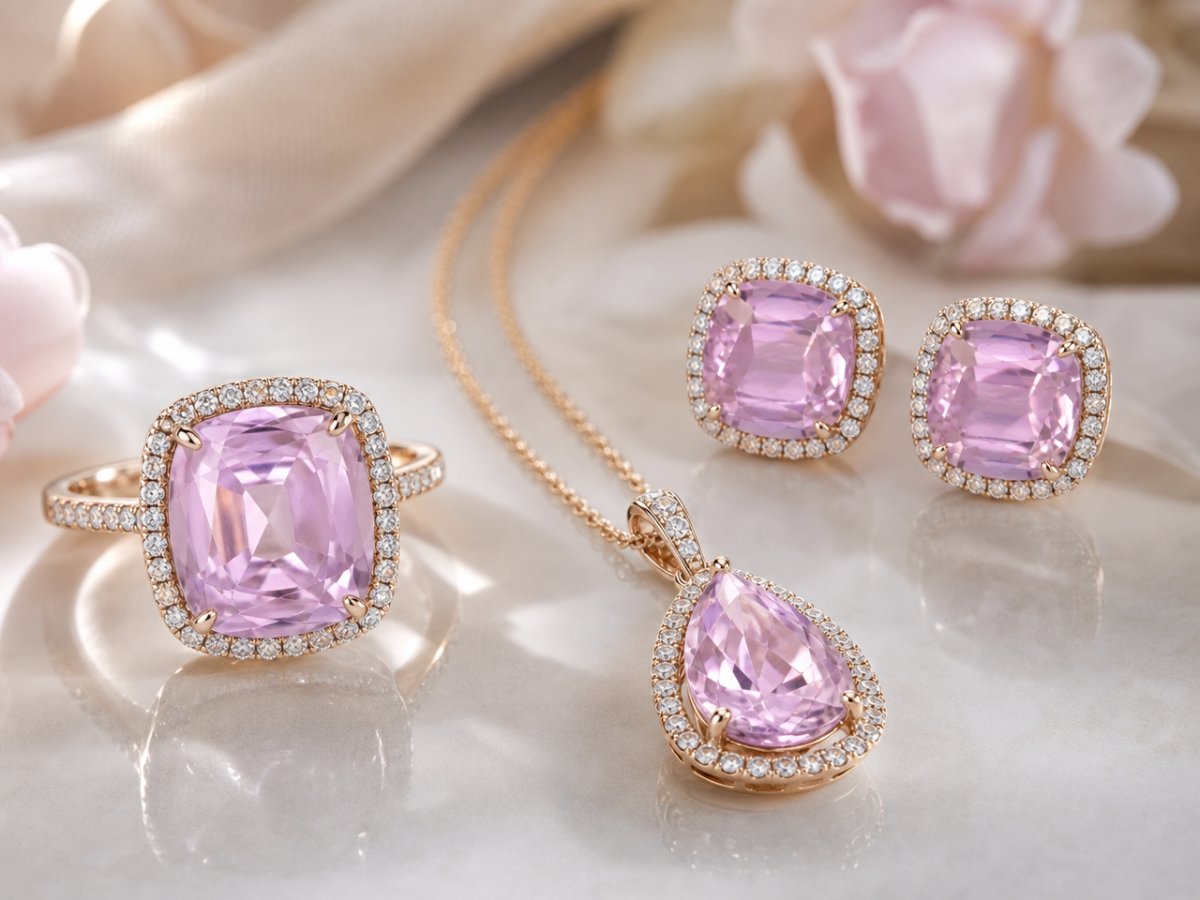
Kunzite is often seen in necklaces and pendants, where its soft color can be displayed prominently. It is also used in earrings, and sometimes in bracelets and rings. In symbolic jewelry, pendants and necklaces are especially popular because the gemstone is worn visibly and close to the body, making it a personal expression of taste, sentiment or memory.
For gift-giving, kunzite’s pink and violet tones make it a natural choice for people who want a gemstone that suggests affection without relying on more familiar red or pink stones. Its meaning is therefore often intimate and personal rather than formal or ceremonial.
Folklore, Belief and Responsible Interpretation
Some modern crystal and gemstone traditions associate pink and violet gems with emotional balance, compassion or inner calm. Such ideas should be understood as spiritual, symbolic or personal beliefs rather than medical or scientific claims. Kunzite should not be used as a substitute for professional health advice.
A responsible interpretation of kunzite meaning recognizes that gemstones can hold personal significance without requiring exaggerated claims. Kunzite may symbolize love, tenderness or peace to the wearer because of its color and emotional associations, but those meanings are best understood as tradition, preference and personal expression.
How Kunzite Is Viewed Today
Today, kunzite is appreciated as a graceful colored gemstone with a distinctive soft palette. Its meaning is largely connected to modern ideas of affection, gentle beauty and understated elegance. For collectors, it represents an attractive member of the spodumene mineral group; for jewelry lovers, it offers a romantic alternative to more common pink gems.
At GemSelect, kunzite is best approached as both a beautiful gemstone and a personal symbol. Its history may not be filled with ancient legends, but its modern significance is clear: it is a gemstone chosen for color, mood and emotional expression.
Summary
Kunzite’s meaning is rooted in its appearance. Pink, purple and violet colors give it associations with affection, softness, refinement and calm personal expression. Its known origins, including Afghanistan, Brazil, Pakistan, Madagascar and Mozambique, add to its modern gemstone identity. While folklore may attach additional meanings to kunzite, these should be viewed as symbolic traditions rather than proven effects.