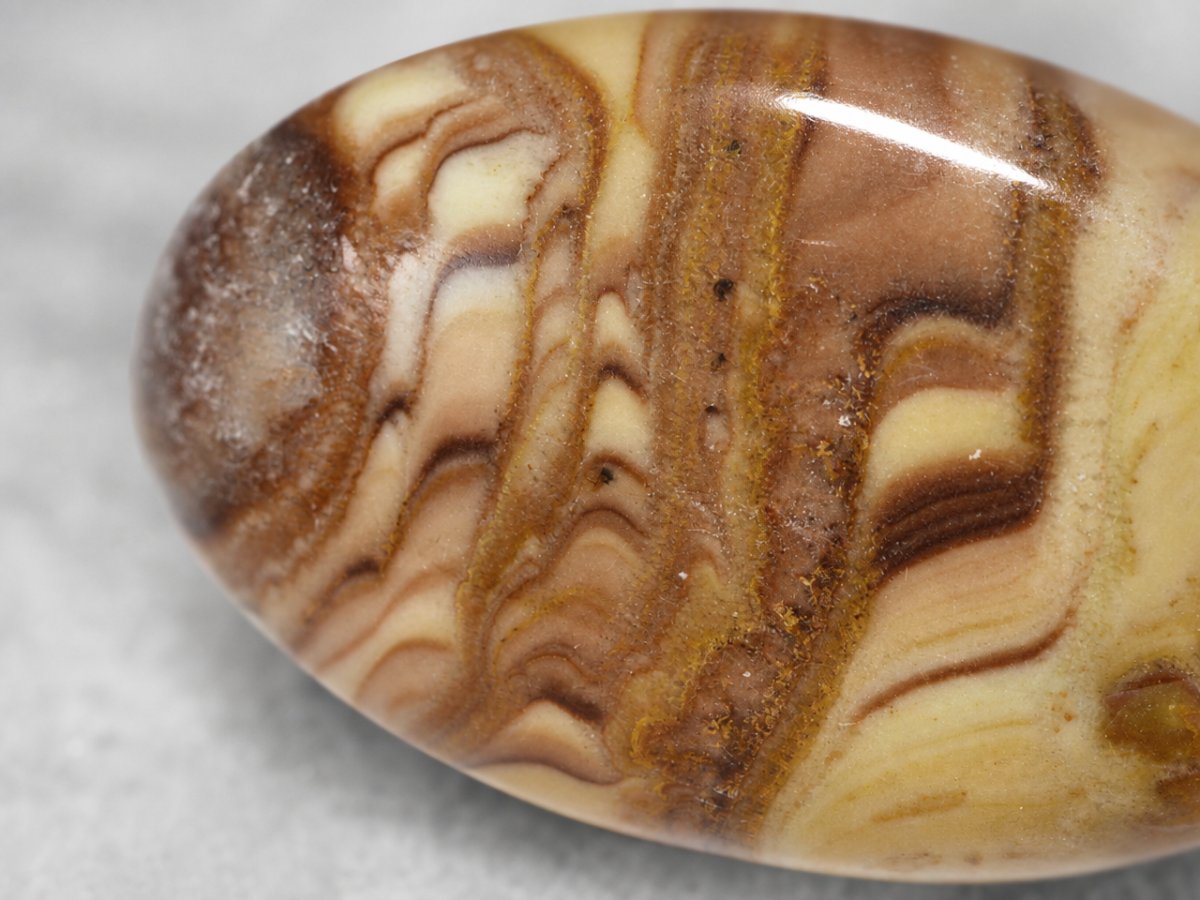


Jasper is a distinctive quartz gemstone valued for its opaque body color, natural patterning and earthy visual character. Rather than being known for brilliance or transparency, jasper is appreciated for individuality: every stone can show a different blend of color, markings and surface design.
As a meaning and history stone, jasper is best understood through its appearance and the way people respond to it. Its red, multicolor, brown, green, orange, black, white, yellow and occasional blue tones have made it a gemstone that often feels grounded, natural and personal. For many buyers, collectors and jewelry designers, jasper's appeal lies in the impression of landscape, earth, warmth and permanence created by its colors and patterns.
What Is Jasper?
Jasper belongs to the quartz family and has the chemical composition SiO₂. Unlike transparent quartz varieties, jasper is typically admired for solid color, dense opacity and decorative pattern. These qualities make it especially suitable for smooth cabochons, carved pieces and slices that show off its natural surface character.
In a meaning-focused context, this matters because jasper's symbolism is closely tied to its visual personality. A faceted transparent gem may be admired for sparkle, but jasper is admired for substance, color and pattern. This gives it a different emotional tone: calm, grounded and organic rather than flashy.
Jasper Meaning and Symbolism
Jasper is commonly associated with naturalness, stability and individuality. These associations come largely from the gemstone's appearance. Its opaque body and earthy color range can suggest strength and steadiness, while its varied markings make each stone feel unique.
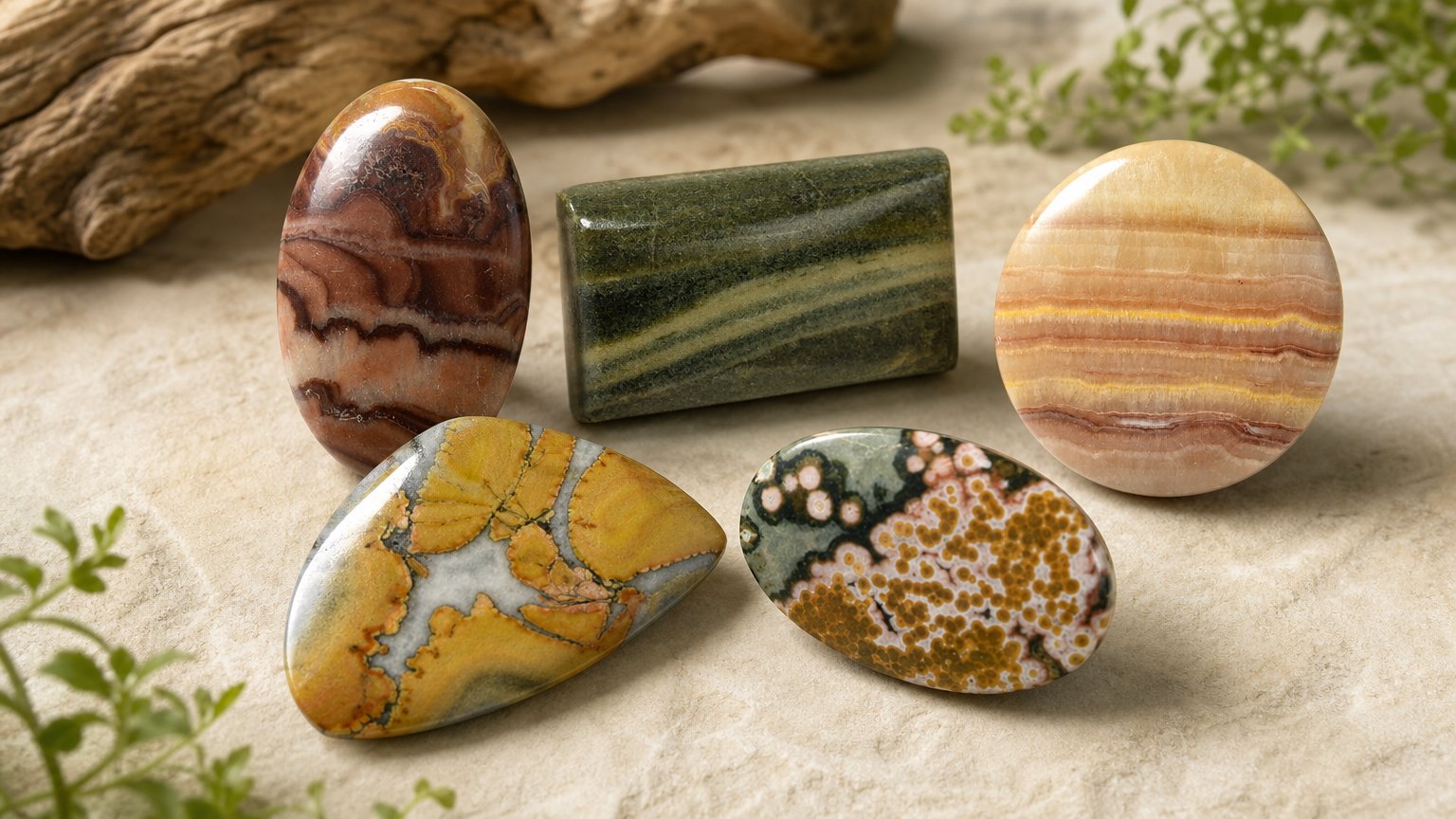
Because jasper occurs in many colors, its meaning is not limited to one symbolic idea. Red jasper often feels bold and warm, while brown and orange varieties can suggest earth, soil and natural landscapes. Green jasper may be interpreted as fresh or organic, and multicolor jasper is often appreciated for its expressive, one-of-a-kind character.
These meanings should be understood as traditional, personal or design-based associations rather than scientific facts. Jasper's symbolism is meaningful because people assign significance to color, pattern and material, not because the stone has medically proven effects.
The Importance of Color in Jasper Symbolism
Color is central to jasper's identity. Multicolor and red jasper are especially prominent, with brown, green and orange also playing an important role in the gemstone's overall character. Black, white and yellow tones add contrast, while blue jasper is less commonly emphasized but can appear in the broader color range.
In jewelry and collecting, these colors often influence the emotional impression of a piece. A red jasper cabochon may feel strong and direct; a multicolor jasper slice may seem artistic or landscape-like; a brown or green jasper may appear calm and earthy. This is why jasper is often chosen for pieces where mood, texture and natural pattern are more important than sparkle.
Historical and Cultural Context
The verified facts about jasper point to a gemstone with broad geographic importance. Notable sources include India, Indonesia and Madagascar, with additional important origins such as Brazil, the United States, Australia, Mexico and South Africa. This wide distribution helps explain why jasper appears in many forms and colors in the modern gem trade.
When discussing jasper's history, it is important to separate documented fact from general tradition. Many gemstones have accumulated legends, symbolic meanings and cultural stories over time, but not every claim can be treated as verified history. A responsible view of jasper focuses on what can be observed and confirmed: it is a quartz gemstone, commonly untreated, widely sourced and valued for its color, pattern and decorative presence.
Its suitability for cabochons, carvings and slices also supports its role as a decorative gemstone. These forms allow the surface pattern to become the focus, which is why jasper has a natural connection with ornament, personal objects and expressive design.
Jasper in Modern Gemstone Culture
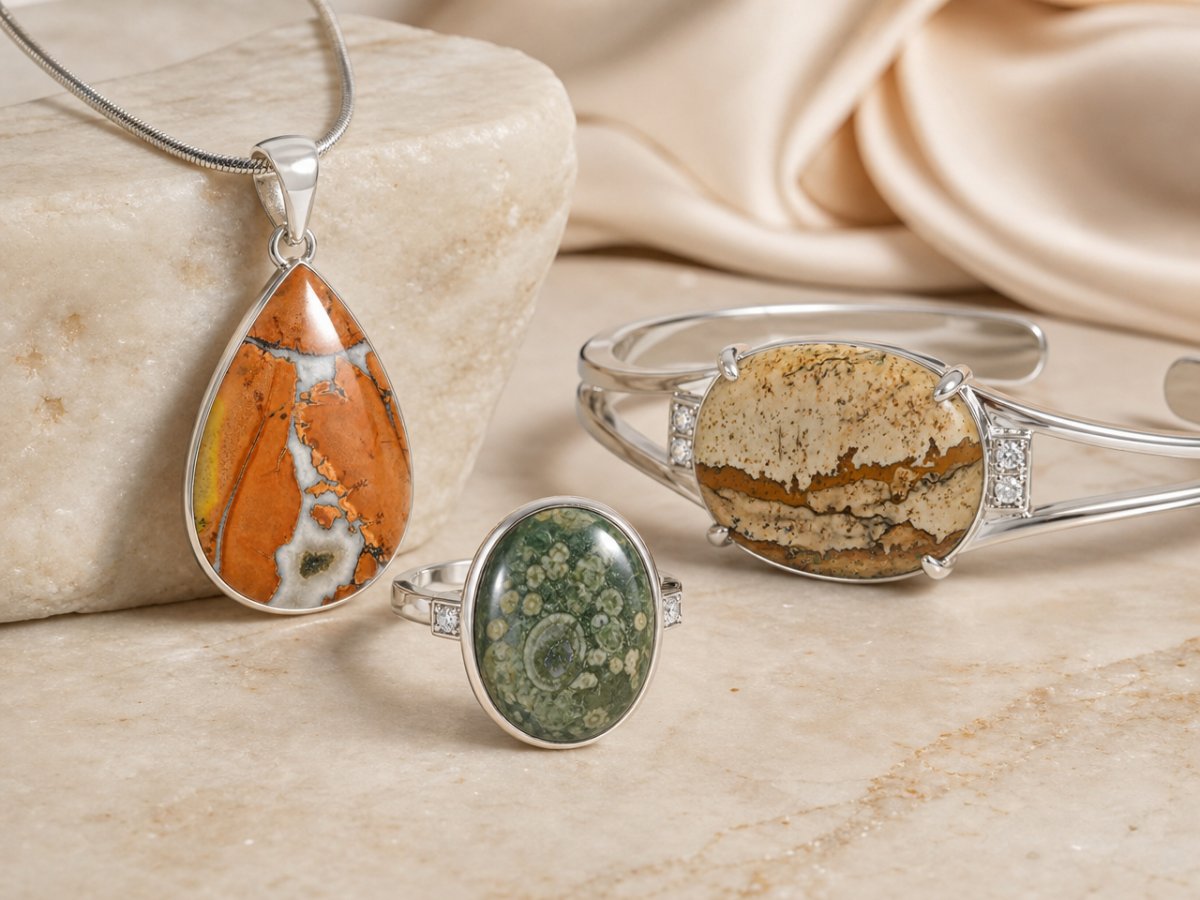
Today, jasper is often chosen by people who want a gemstone with a natural, grounded look. It appears in pendants, rings, earrings, necklaces, bracelets and brooches, but its meaning is not dependent on a particular jewelry type. A jasper pendant may feel personal and earthy, while a jasper ring may emphasize color and pattern in a more direct way.
For collectors, jasper can be appealing because of variety. Two stones from different sources may look very different, and even pieces from the same general material can display individual patterns. This makes jasper especially attractive to those who value uniqueness over uniformity.
At GemSelect, jasper is best viewed as a gemstone for people who appreciate natural color, organic pattern and understated symbolism. Its meaning comes from its physical character and the personal response it creates.
Folklore, Belief and Responsible Interpretation
Jasper is sometimes discussed in modern crystal traditions, where it may be associated with grounding, balance or emotional steadiness. These ideas belong to folklore, personal belief and symbolic interpretation. They should not be treated as medical or scientific claims.
A balanced approach is to enjoy jasper's traditional and personal meanings while recognizing that its proven qualities are gemological and visual: it is a quartz gemstone with a rich color range, usually appreciated in smooth or shaped forms that highlight its natural patterning.
Conclusion
Jasper's meaning is rooted in color, pattern and a sense of natural permanence. As a quartz gemstone found in many parts of the world, it offers a wide range of visual expressions, from red and multicolor stones to earthy brown, green and orange varieties. Its symbolism is best understood as personal and traditional rather than scientific: jasper is a stone people value for its grounded appearance, individuality and connection to natural design.