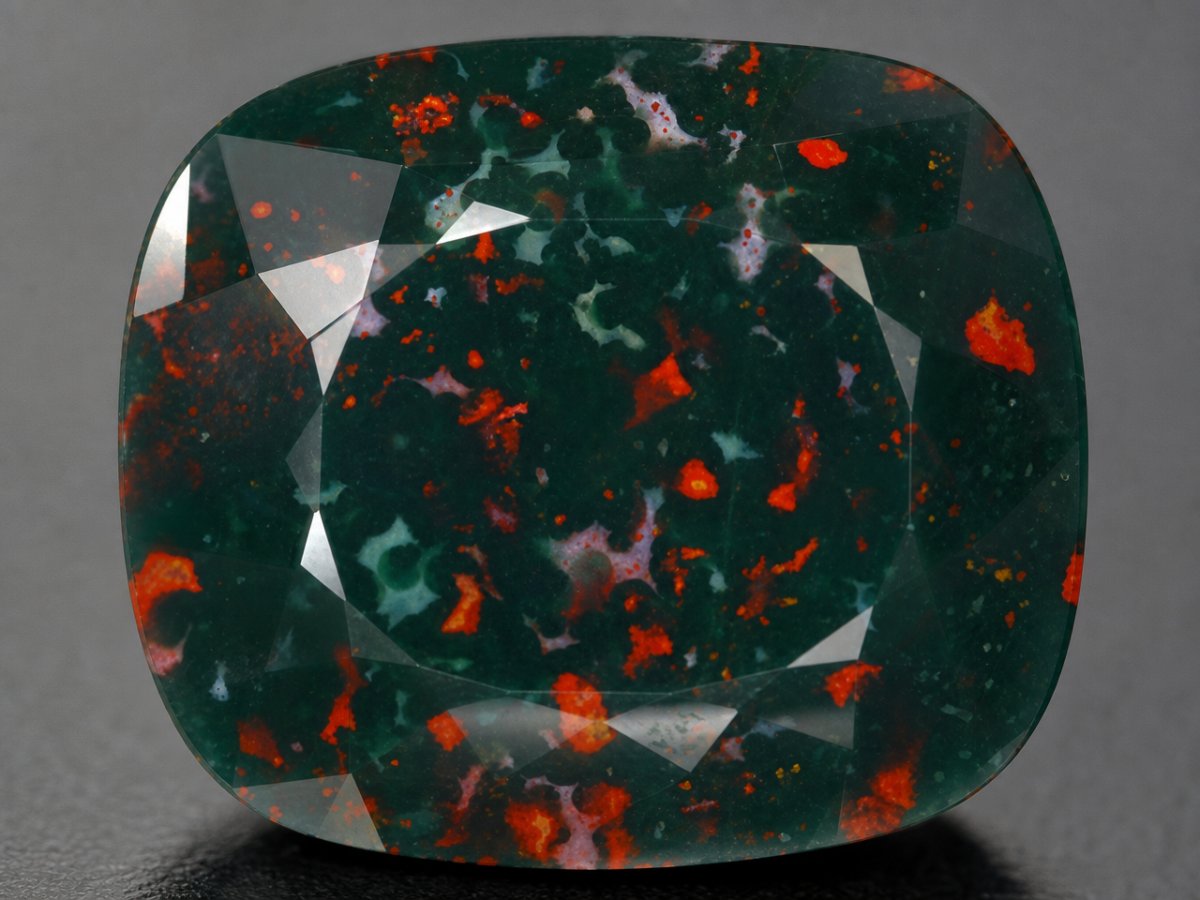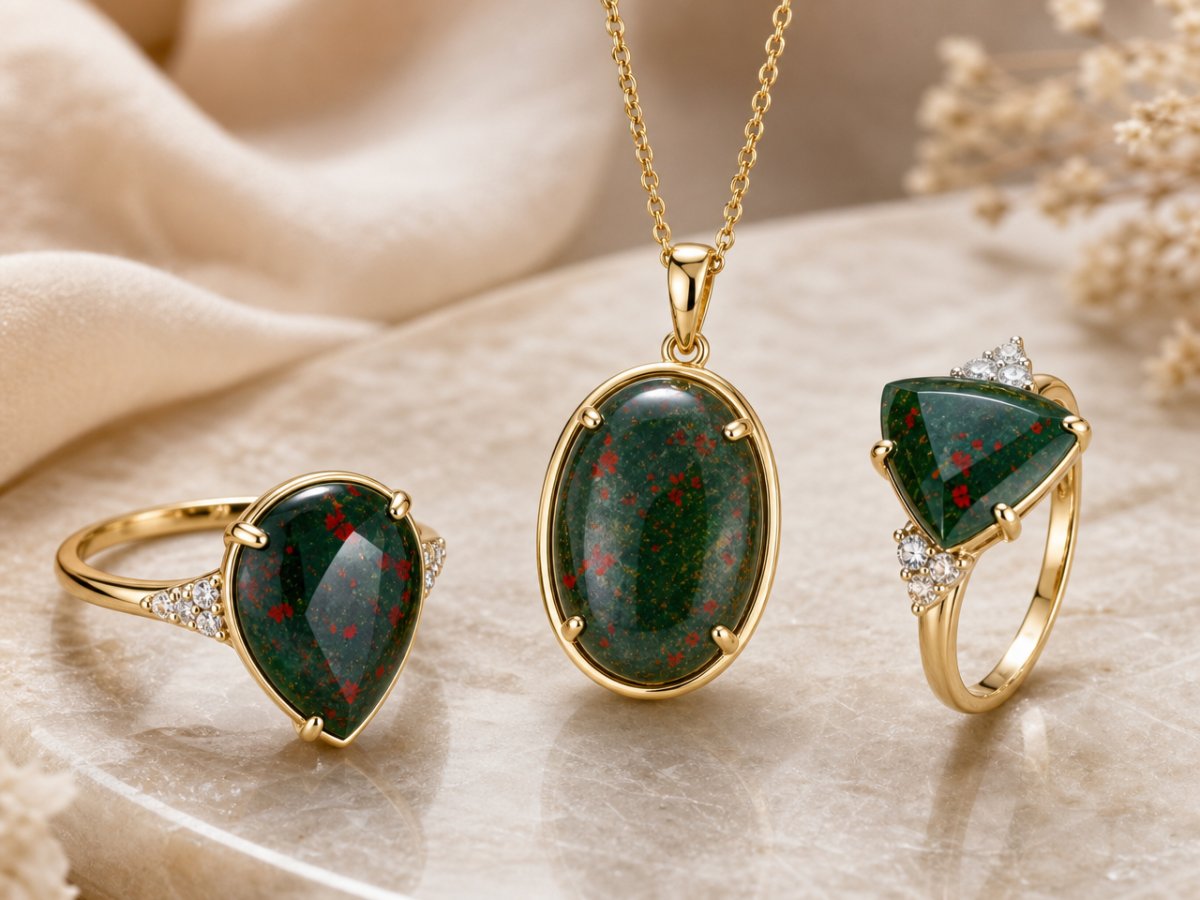


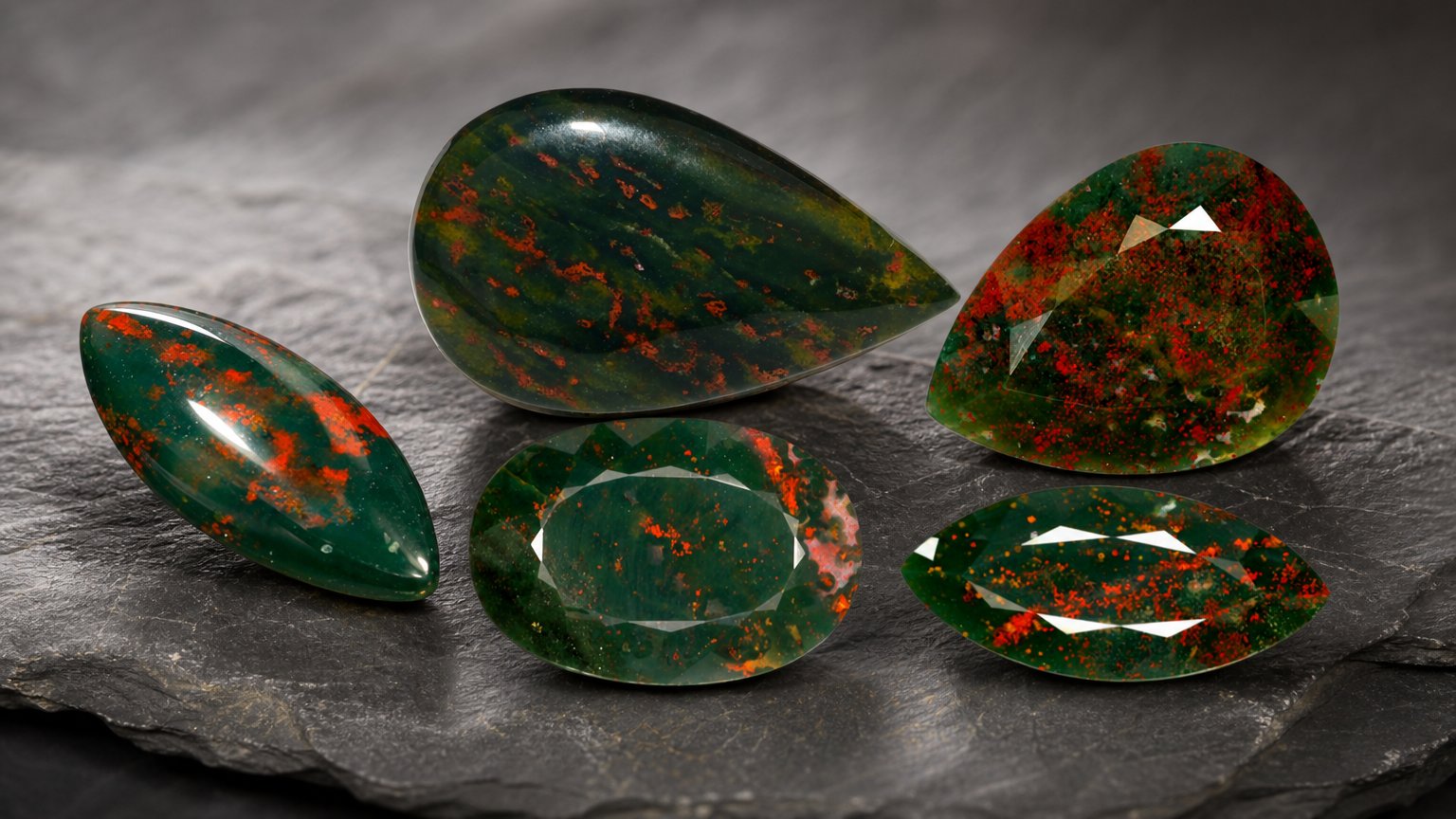
Bloodstone is a green gemstone from the quartz family and is traditionally associated with the month of March. Its appeal is not only visual; for many buyers and collectors, bloodstone carries a strong symbolic identity because of its distinctive name, natural character and birthstone connection.
This guide focuses on bloodstone meaning, cultural significance and modern tradition. Folklore and personal symbolism are discussed as belief and interpretation, not as scientific fact.
What Is Bloodstone?
Bloodstone is a variety associated with quartz, one of the most widely recognized mineral families in the gem world. In GemSelect's gemstone data, bloodstone is identified primarily with a green body color. Its quartz identity gives it a familiar place among collectors who appreciate natural-looking gems with earthy, opaque or semi-opaque appearances.
Unlike transparent gems that are often valued for brilliance, bloodstone is commonly appreciated for character, color and symbolic presence. This is one reason it is often chosen for meaningful personal jewelry rather than purely formal or high-sparkle designs.
Bloodstone Meaning and Symbolism
Bloodstone's meaning is closely tied to its name and its role as a personal gemstone. The word "bloodstone" gives the gem a powerful emotional tone, and many modern wearers interpret it through ideas such as strength, endurance, vitality, courage or personal resilience. These are symbolic associations rather than measurable gemological properties.
Because bloodstone is also a March birthstone, it is often selected to represent identity, memory and life events connected with that month. A March birthstone pendant, ring or keepsake can carry meaning as a birthday gift, family token or personal reminder.
As with all gemstone symbolism, meaning depends partly on tradition and partly on the individual. For some people, bloodstone is meaningful because of its birthstone status; for others, its green color and natural appearance make it feel grounded, understated and personal.
Bloodstone as a March Birthstone
Bloodstone is traditionally associated with March. This birthstone connection is one of its clearest and most widely useful meanings for today's buyers. A birthstone does not need a special belief system to be meaningful; it can simply mark a birth month, anniversary, family relationship or personal milestone.
For jewelry designers and gift buyers, this March association gives bloodstone a clear story. It can be used in pieces intended for March birthdays, custom family jewelry or symbolic gifts where a more subdued green gemstone is preferred.
Cultural and Historical Context
Gemstones often acquire meaning through a combination of appearance, name, availability and the ways people wear them. Bloodstone's cultural identity today is shaped by its quartz family connection, its green color and its March birthstone role.
Known sources for bloodstone include Madagascar, India, the United States, Australia and China. These origins reflect the gem's modern geographic availability and commercial presence. Origin information can be useful for understanding the gemstone market, but it should not automatically be treated as evidence of a specific ancient cultural use unless that history is documented.
In modern gemstone culture, bloodstone remains valued as a meaningful, natural-looking stone. It is often seen in personal ornaments such as pendants, necklaces, rings, brooches and cufflinks, where its symbolism can be kept close to the wearer or incorporated into a custom design.
Folklore, Tradition and Modern Belief
Bloodstone is a gemstone with a name that naturally invites symbolism. In folklore and modern crystal traditions, gemstones are often assigned emotional or spiritual meanings. When these meanings are discussed, they should be understood as cultural belief, personal interpretation or tradition rather than medical or scientific fact.
For this reason, GemSelect presents bloodstone symbolism as part of gemstone culture. The gem may be chosen as a reminder of courage, renewal, connection to March or personal strength, but these meanings come from human tradition and individual choice.
Bloodstone in Modern Gemstone Culture
Today, bloodstone appeals to collectors, jewelry designers and buyers who want a gemstone with identity and substance rather than a gem defined only by sparkle. Its green color gives it a natural, grounded look, while its March birthstone status makes it easy to connect with personal occasions.
Bloodstone is also a good example of how gemstones can carry different types of value. Some value is gemological, some is aesthetic and some is symbolic. A bloodstone selected for a birthday gift or commemorative piece may be meaningful because of what it represents, not just because of its mineral identity.
Conclusion
Bloodstone is best understood as a green quartz gemstone with strong personal and traditional associations. Its most clearly supported symbolic role is as a March birthstone, making it a meaningful choice for birthdays, personal jewelry and keepsakes. While folklore and modern interpretations add emotional depth, those meanings are traditions and personal beliefs rather than scientific claims.