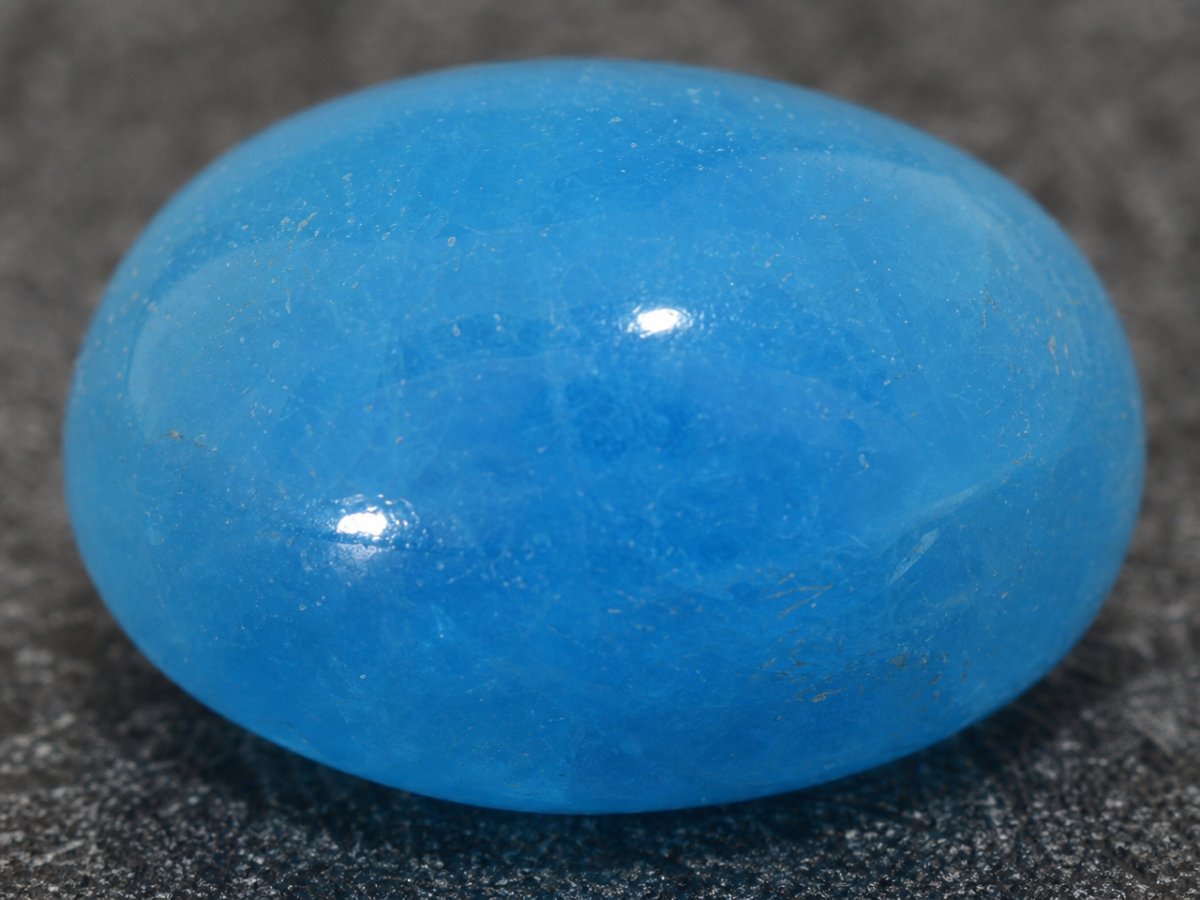


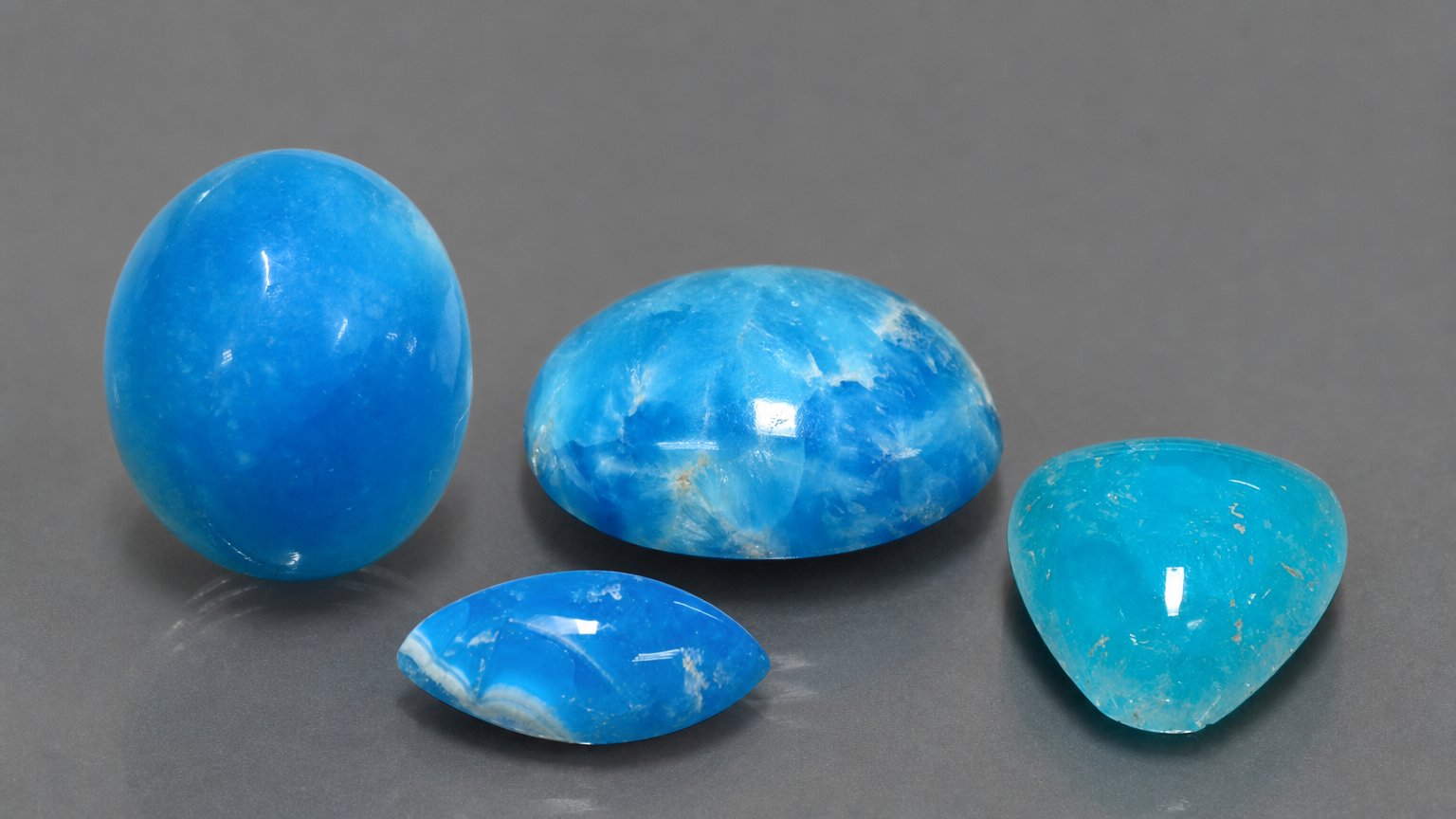
Hemimorphite is a distinctive silicate gemstone chosen mainly for its attractive blue to teal appearance and soft, often calming visual character. For buyers, the most important decisions are color, cut, surface condition, durability and intended jewelry use. It is not a hard everyday-wear gemstone, so choosing the right design is just as important as choosing the right stone.
This guide explains what to look for when buying hemimorphite, how to judge its practical suitability, and which questions to ask before purchase.
What Is Hemimorphite?
Hemimorphite is a silicate mineral with the chemical formula Zn₄Si₂O₇(OH)₂·H₂O. It crystallizes in the orthorhombic crystal system and has a Mohs hardness of 4.5-5. In gem form, it is most often selected for ornamental jewelry, collector jewelry and distinctive cabochons rather than for high-impact daily wear.
Its gemological properties include a refractive index of 1.614-1.636 and a specific gravity of 3.40-3.50. These properties are useful for gem identification, but for most buyers the visible appearance and durability are the main factors.
Color and Appearance: What to Look For
Blue is the best-known and most important color for hemimorphite buyers, with teal also being a desirable and attractive option. Green and gray tones may also occur, while brown is less commonly emphasized in gem buying.
When comparing stones, look for an appealing, even face-up color. Some buyers prefer a brighter blue or blue-green look, while others like softer grayish or greenish tones. There is no single universal "best" color for every buyer; the right choice depends on the jewelry design and personal preference.
Because hemimorphite is commonly cut as cabochons, its surface polish and color distribution matter greatly. A good cabochon should have a smooth, well-polished dome, pleasing outline and no distracting surface damage. If the stone is translucent or has visible internal features, judge whether those features add character or distract from the overall look.
Cut and Shape Choices
Cabochon is the most common cut style for hemimorphite. This cut suits the material well because it emphasizes color, surface texture and a smooth gem-like glow rather than brilliance. Oval cabochons are especially common and practical, while cushion, round and fancy shapes can work well for custom jewelry or collector pieces.
Faceted hemimorphite exists but is less typical. If you are considering a faceted stone, inspect the facet junctions, polish and overall symmetry carefully. Since hemimorphite is not a hard gemstone, sharp edges may be more vulnerable to wear than the rounded surface of a cabochon.
Durability and Jewelry Suitability
Hemimorphite has a Mohs hardness of 4.5-5, making it softer than many traditional ring stones. This does not mean it cannot be used in jewelry, but it does mean the jewelry style should protect the gem from knocks, abrasion and rough handling.
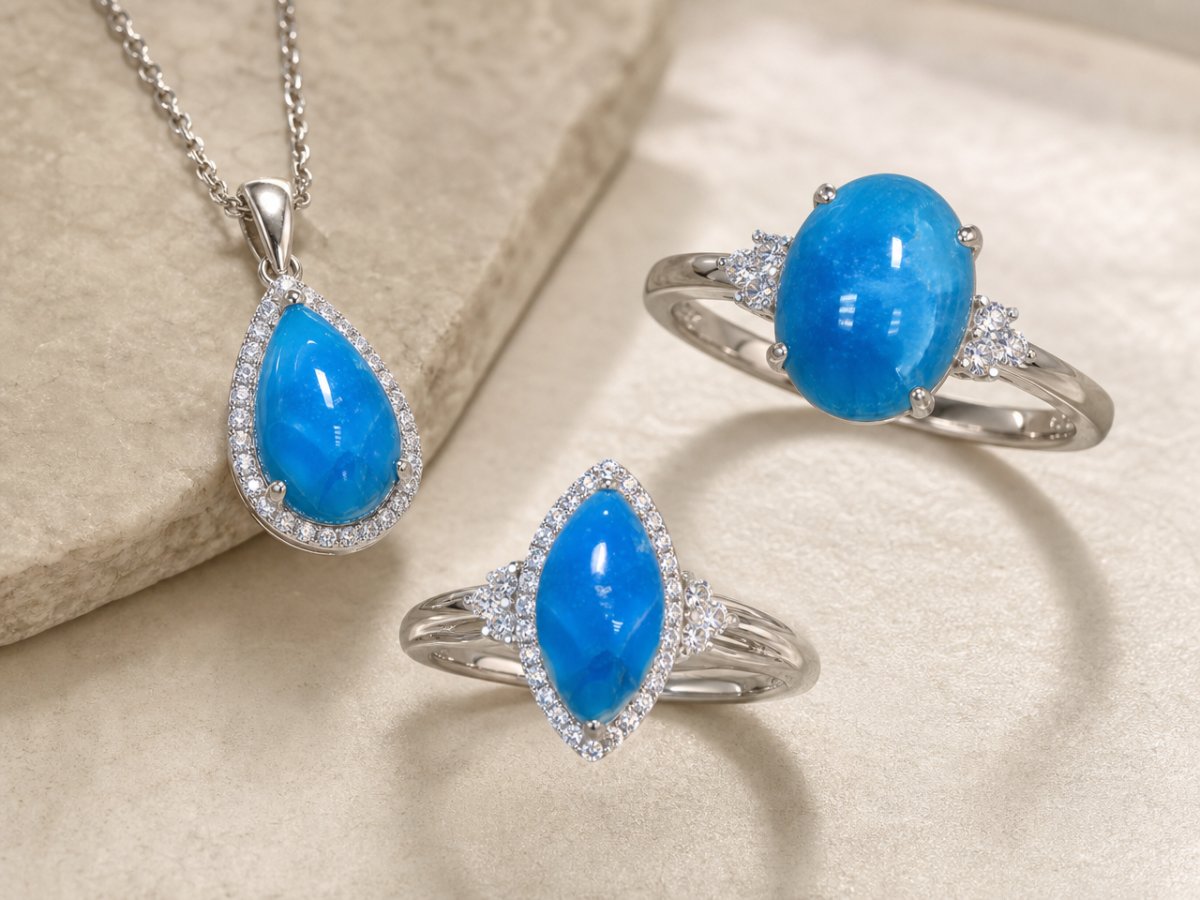
The most suitable uses are pendants, necklaces and earrings, where the stone is less likely to suffer repeated impact. Brooches and collector jewelry are also appropriate when worn with care. Rings and bracelets are more exposed to accidental contact, so they require protective settings and should be reserved for occasional wear if chosen at all.
For jewelry designers, rounded cabochons in secure bezels or protective settings are generally more practical than exposed high-set designs. Buyers should also consider the lifestyle of the wearer: hemimorphite is best for people who are comfortable treating jewelry gently.
Treatments and Disclosure
Hemimorphite is commonly associated with untreated material. When buying, ask whether the stone has received any treatment and request clear disclosure from the seller. A trustworthy listing should state treatment status plainly rather than leaving the buyer to guess.
At GemSelect, treatment information is an important part of gemstone buying confidence. For hemimorphite, confirming that the stone is untreated can be a useful part of comparing similar-looking gems.
Origins
Hemimorphite is known from several origins, including Congo and Namibia, with additional sources including Mexico, the United States and Zambia. Origin can be interesting for collectors, but buyers should not rely on origin alone when judging a finished gemstone.
For most jewelry purposes, color, cut quality, size, polish, durability and disclosure are more important than origin. If origin matters to you as a collector, choose a seller that provides that information clearly.
Practical Hemimorphite Buying Checklist
- Choose the color first: Blue and teal are the main colors most buyers seek, but green or gray tones may suit certain designs beautifully.
- Inspect the cabochon surface: Look for a smooth dome, good polish and an outline that fits your intended setting.
- Match the gem to the jewelry type: Pendants, necklaces and earrings are safer choices than rings or bracelets.
- Check treatment disclosure: Hemimorphite is commonly offered untreated, but the seller should still state treatment status.
- Consider size and setting together: Larger cabochons can make striking pendants, while smaller matched stones may work well for earrings.
- Buy for appearance, not origin alone: Origin may interest collectors, but visual quality and suitability matter more for jewelry.
Care Tips for Hemimorphite
Because hemimorphite is relatively soft, store it away from harder gemstones that could scratch it. Avoid wearing hemimorphite jewelry during sports, manual work, cleaning or any activity where it may be bumped or abraded.
Clean hemimorphite gently with a soft cloth and mild soapy water if needed, then dry it carefully. Avoid harsh chemicals, steam cleaning and ultrasonic cleaning unless a qualified jeweler confirms the specific piece can tolerate it.
Summary
Hemimorphite is a beautiful choice for buyers who appreciate blue and teal cabochon gemstones and are willing to wear them with care. The best purchases balance attractive color, good polish, an appropriate cut and realistic jewelry use. For most buyers, a well-cut cabochon set in a pendant, necklace or earrings will offer the best combination of beauty and practicality.