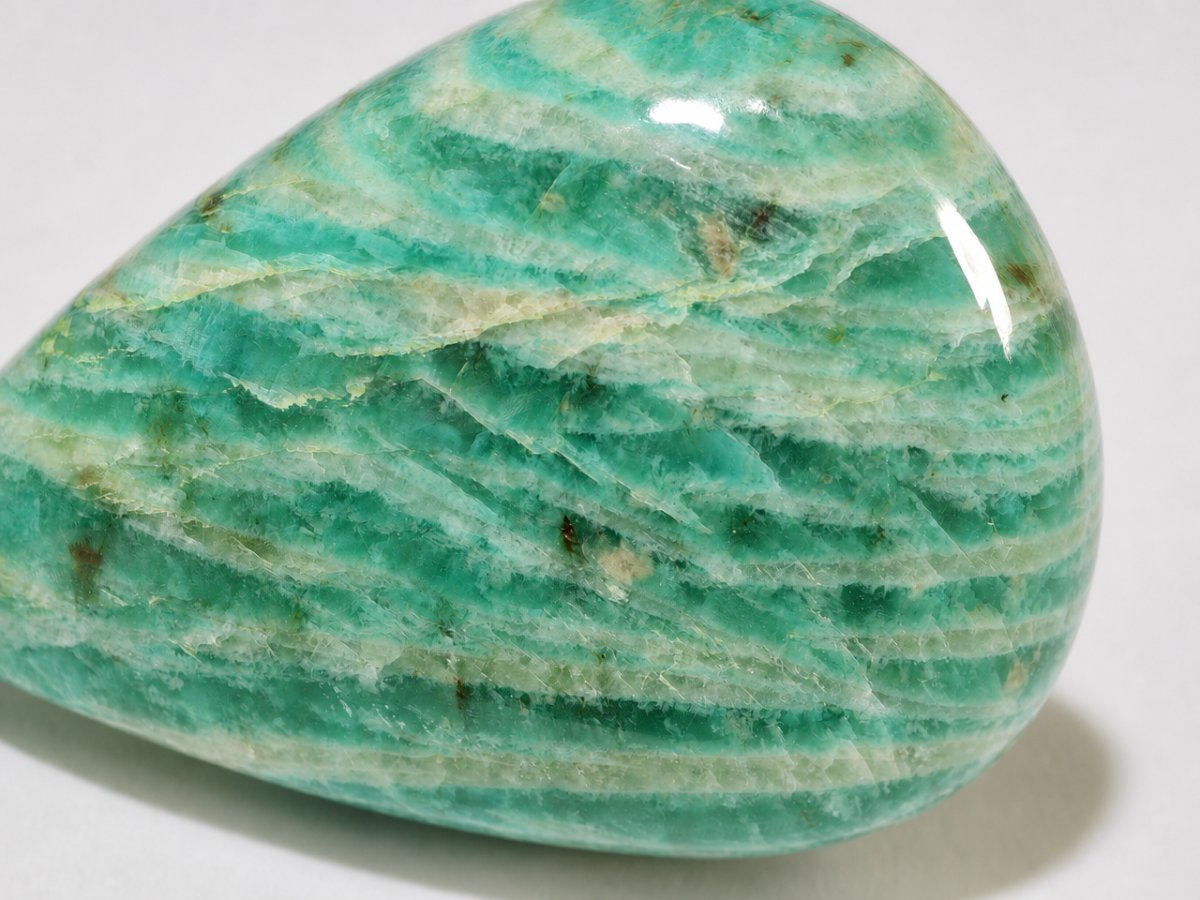


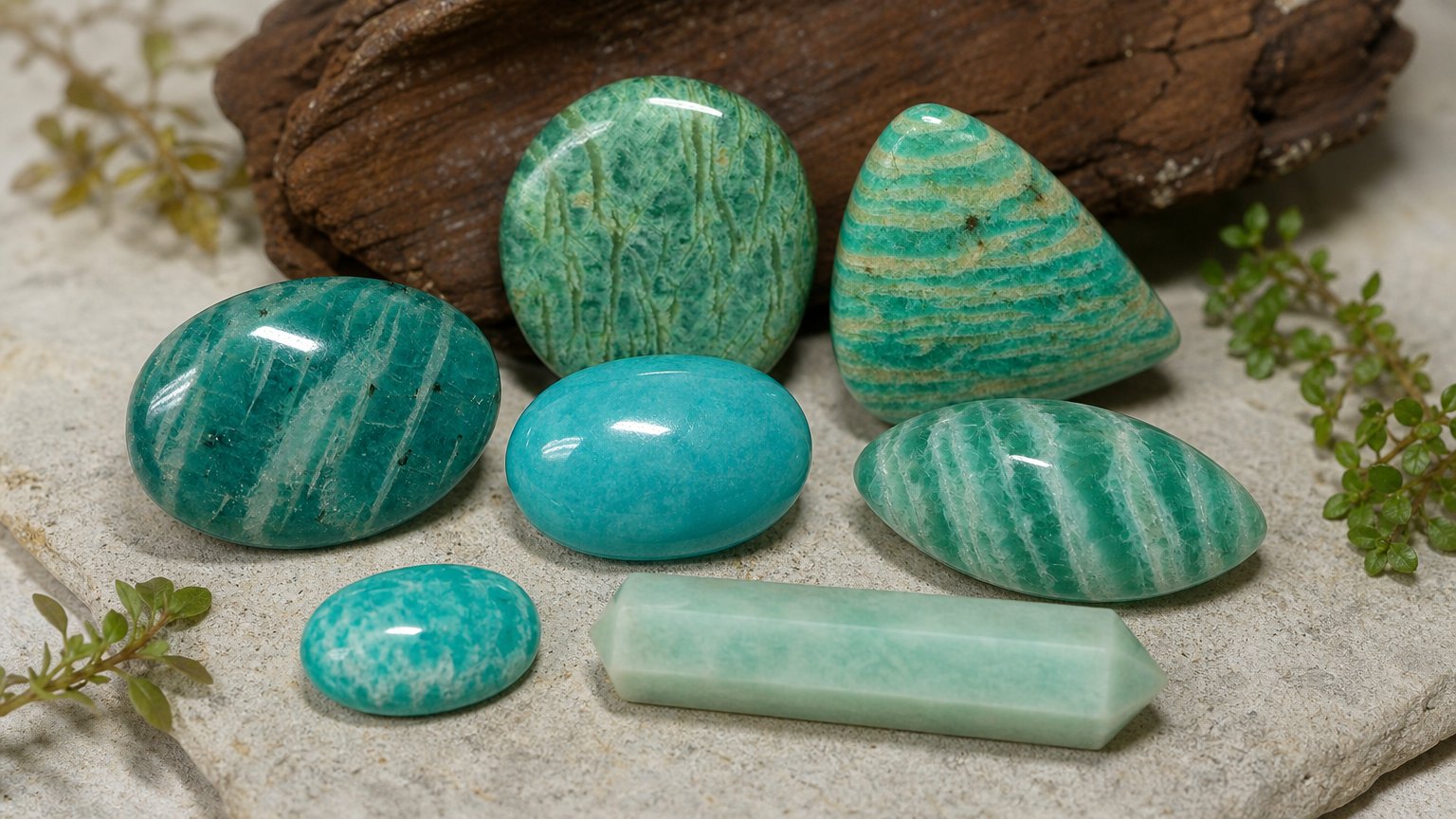
Amazonite is a green to teal feldspar gemstone chosen for its calm color, approachable style and versatility in jewelry. For buyers, the most important considerations are straightforward: choose a color you enjoy, check that the stone is well cut and polished, understand its moderate durability, and buy from a seller that clearly discloses treatment status and origin when available.
This buying guide explains the practical points to consider before purchasing amazonite loose stones or amazonite jewelry. It is written for gemstone buyers, jewelers, designers and collectors who want to understand what affects appearance, wearability and suitability for different jewelry designs.
What Is Amazonite?
Amazonite is a member of the feldspar mineral group. Its chemical formula is KAlSi₃O₈, and it crystallizes in the triclinic crystal system. In gem buying terms, the most recognizable feature of amazonite is its green to teal body color, which gives it a distinctive look compared with many other ornamental gemstones.
Amazonite is most often cut as a cabochon, a polished stone with a smooth domed top and a flat or slightly curved back. Cabochon cutting suits gems that are valued primarily for body color rather than brilliance. Faceted amazonite is less common, but it may be selected when a designer wants a more geometric or reflective style.
Amazonite Color and Appearance
Color is usually the first thing buyers notice when comparing amazonite. The known color range centers on green, with teal also seen. A pleasing amazonite should have an attractive, wearable color that suits the jewelry design or collection goal.
Green Amazonite
Green is the main color associated with amazonite. When shopping, compare stones in consistent lighting and look for a color that appears appealing face-up. Because personal preference plays a large role, there is no need to think in terms of a complicated grading system. Instead, focus on whether the color is strong enough for your intended use and whether it matches the metal, beads or other gems in the design.
Teal Amazonite
Teal amazonite offers a slightly bluer impression while remaining within the familiar amazonite color family. This can be especially attractive in contemporary designs, mixed gemstone necklaces and pendants where a cool green-blue tone is desired.
Color Consistency and Matching
For single-stone jewelry, such as a pendant, the main question is whether the individual stone has an appealing face-up appearance. For pairs and sets, color matching becomes more important. Earrings should be similar enough in color, size and shape to look intentional. Bracelets and necklaces may allow more natural variation, especially if the design uses multiple stones in a graduated or freeform layout.
Clarity and Surface Quality
Amazonite is typically appreciated for color rather than transparency. When evaluating clarity, buyers should look at the overall visual impression rather than expect the same standards used for transparent faceted gems. Examine the stone for surface-reaching cracks, chips, uneven polish or areas that may affect durability or appearance.
A good cabochon should have a smooth polish and an even outline. The dome should look balanced, not overly flat or awkwardly high unless that shape is part of the design. If buying calibrated stones for jewelry production, check measurements as well as appearance, because a beautiful stone still needs to fit the intended setting.
Cut Styles and Shapes
Cut has a major effect on how amazonite looks in finished jewelry. Because amazonite is most often sold as cabochons, buyers should pay close attention to polish, symmetry and the way the shape will fit into a setting.
Cabochons
Cabochon is the most common cut style for amazonite. This cut emphasizes the stone’s green or teal color and gives it a smooth, tactile surface. Cabochons work well for pendants, bracelets, necklaces, earrings and rings, especially when the design calls for a bold color area rather than sparkle.
When buying a cabochon, check that the edge is even, the top is well polished, and the stone sits securely when viewed from the side. A well-proportioned cabochon should not look lopsided, and the base should be suitable for the intended mounting.
Faceted Amazonite
Faceted amazonite is less common than cabochon-cut material. Facets can add reflective flashes and a more angular jewelry style, but amazonite is not primarily purchased for high brilliance. If choosing a faceted stone, look for neat facet junctions, good symmetry and a polish that complements the body color.
Popular Shapes
Amazonite is available in several shapes. Freeform and oval shapes are especially practical and common-looking choices for cabochons and designer pieces. Freeform stones suit artistic pendants, wire-wrapped jewelry and unique one-of-a-kind designs. Oval stones are easy to set and suit classic pendants, rings and earrings.
Cushion and marquise shapes can add a more stylized look, while pear and round shapes may be selected for earrings, small pendants or accent pieces. The best shape depends on the setting style, the size of the stone and whether the design needs symmetry or a more natural outline.
Size Considerations
Amazonite can be effective in both small and large sizes because its appeal comes mainly from color. Larger cabochons are popular for pendants and statement pieces, while smaller stones work well in earrings, bracelets and rings. When choosing size, consider comfort and wearability as much as visual impact.
For rings, a very large cabochon can be eye-catching but may be more exposed to knocks during wear. For bracelets, multiple stones can create strong color impact, but they should be set or strung in a way that suits the wearer’s activity level. Pendants and necklaces generally allow larger stones to be worn with less exposure than rings or bracelets.
Amazonite Origins
Amazonite is associated with several origins, including Madagascar, Brazil, the United States and Russia. Madagascar is especially important among the listed sources, while Brazil and the United States are also notable. Russia is another known source.
For buying purposes, origin can be interesting for collectors or for customers who prefer stones from a particular source. However, origin alone should not be treated as a substitute for evaluating the actual gemstone. Color, cut, polish, size, matching and disclosure are usually more practical considerations for most jewelry purchases.
If origin is important to you, ask the seller what documentation or disclosure is available. Not every amazonite will be sold with detailed origin information, and responsible sellers should be clear about what is known and what is not known.
Gemological Properties Buyers Should Know
Gemological properties help buyers understand how a gemstone behaves in jewelry and how it may be identified. For amazonite, the most relevant property for everyday buying is hardness, but other attributes are useful for gemological context.
| Property | Amazonite |
|---|---|
| Mineral group | Feldspar |
| Chemical formula | KAlSi₃O₈ |
| Crystal system | Triclinic |
| Mohs hardness | 6–6.5 |
| Refractive index | 1.522–1.530 |
| Specific gravity | 2.54–2.63 |
The refractive index describes how strongly a material bends light. Amazonite’s listed range of 1.522–1.530 is useful for gem identification, but it is not something most buyers need to calculate when choosing jewelry. Specific gravity, listed as 2.54–2.63, relates to density and is also mainly useful in gemological testing and identification.
Durability and Everyday Wear
Amazonite has a Mohs hardness of 6–6.5. The Mohs scale measures resistance to scratching, with higher numbers indicating greater scratch resistance. At 6–6.5, amazonite is durable enough for many types of jewelry, but it should be worn with reasonable care.
Pendants, necklaces and earrings are generally good uses because they are less likely to receive hard knocks during normal wear. Bracelets can also be attractive, but they are more exposed to contact with desks, door handles and other surfaces. Rings require the most caution because they are worn on the hand and are more likely to be bumped or scratched.
Practical Care Tips
Clean amazonite jewelry gently with lukewarm water, mild soap and a soft cloth or soft brush. Avoid abrasive cleaners and rough handling. Store amazonite separately from harder gemstones to reduce the chance of scratches. If the stone is set in jewelry, also consider the care requirements of the metal and any additional gems in the piece.
Treatments and Disclosure
Amazonite is commonly offered as untreated. For buyers, that is useful because the purchase decision can focus on natural color appearance, cut and craftsmanship. Even so, treatment disclosure remains important. A reputable seller should clearly state whether the gemstone is untreated or whether any treatment information is known.
When buying from GemSelect or another gemstone seller, check the product details for treatment information before purchase. If a stone is described as untreated, that means the seller is disclosing it as having no known enhancement. For higher-value or collection-focused purchases, buyers may also want to ask about available documentation.
Best Jewelry Uses for Amazonite
Amazonite’s color and cabochon-friendly nature make it suitable for many jewelry styles. The best use depends on the wearer’s lifestyle and the level of protection offered by the setting.
Bracelets
Bracelets are a popular use for amazonite. Beaded bracelets, cabochon bracelets and multi-stone designs can show the green to teal color effectively. Because bracelets are more exposed to impact than pendants or earrings, choose secure construction and avoid wearing amazonite bracelets during activities that may cause hard knocks.
Pendants and Necklaces
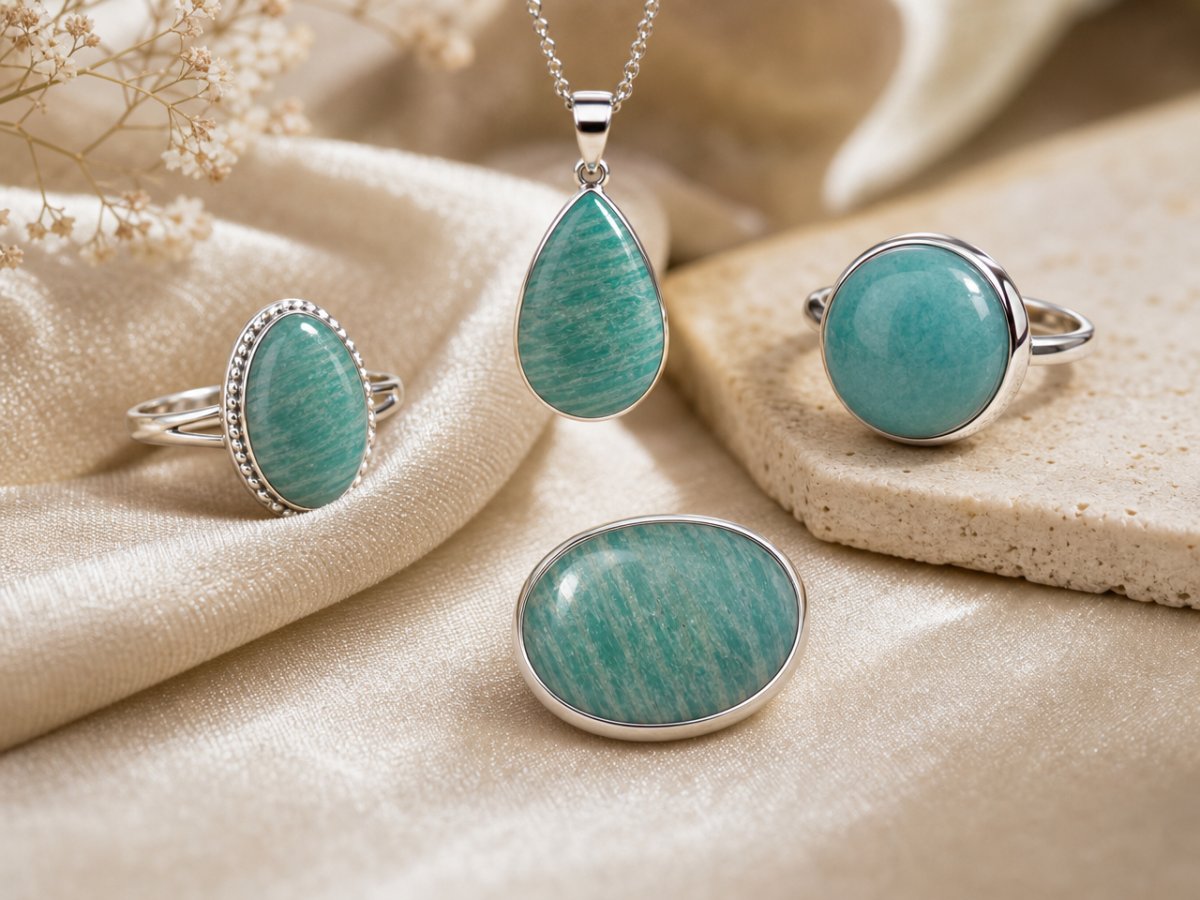
Pendants are one of the most practical choices for amazonite. A cabochon pendant can display a generous area of color while remaining less exposed than a ring or bracelet. Necklaces also work well, especially when stones are matched for color and size or arranged in a deliberate graduated design.
Earrings
Amazonite earrings can be comfortable and attractive, particularly in smaller cabochons, ovals or rounds. When buying pairs, look for good matching in color, shape and size. Earrings are generally lower-risk jewelry because they are not usually exposed to heavy abrasion.
Rings
Amazonite rings can be beautiful, but they require more care. If selecting amazonite for a ring, consider a protective setting and avoid wearing it during rough work, sports or situations where the stone may be struck. Rings are best for buyers who appreciate the gemstone and are willing to wear it thoughtfully.
Amazonite Buying Checklist
Use the following points when comparing amazonite gemstones or jewelry:
- Color: Choose an attractive green or teal tone that suits your design or personal style.
- Cut: Cabochons should have a smooth polish, balanced dome and even outline. Faceted stones should show neat cutting and symmetry.
- Shape: Freeform and oval shapes are especially useful for pendants and designer jewelry. Cushion, marquise, pear and round shapes offer different style options.
- Surface quality: Check for chips, cracks, poor polish or any feature that may affect appearance or durability.
- Size: Match the stone size to the jewelry use. Larger stones are often better suited to pendants than high-wear rings.
- Treatment disclosure: Amazonite is commonly untreated, but always read the seller’s disclosure.
- Origin: Madagascar, Brazil, the United States and Russia are known sources. Treat origin as an added detail, not the only buying factor.
- Jewelry setting: Choose designs that suit the stone’s moderate hardness and the wearer’s lifestyle.
Buying Loose Amazonite vs. Amazonite Jewelry
Loose amazonite is a good choice for jewelers, designers and collectors who want control over the final design. When buying loose stones, confirm dimensions, shape, thickness and whether the stone is calibrated or freeform. A beautiful freeform cabochon may be ideal for a custom pendant but may not fit a standard setting.
Finished amazonite jewelry is convenient for buyers who want a ready-to-wear piece. In that case, evaluate both the gemstone and the craftsmanship. Look at how securely the stone is mounted, whether the design protects the gem appropriately, and whether the overall color balance is attractive.
Common Buying Mistakes to Avoid
One common mistake is choosing a stone based only on size. A large amazonite cabochon is not automatically the best choice if the color, polish or shape is not suitable. Another mistake is ignoring wearability. A dramatic ring may look impressive, but a pendant may be more practical for daily enjoyment.
Buyers should also avoid assuming that origin guarantees appearance. A stone from a known source still needs to be judged on its individual qualities. Finally, do not overlook disclosure. Treatment status, measurements and product photos are all part of making an informed purchase.
Summary
Amazonite is a green to teal feldspar gemstone most often seen in cabochon cuts. It is well suited to bracelets, pendants, necklaces and earrings, and it can also be used in rings with suitable care. Its Mohs hardness of 6–6.5 gives it moderate durability, so buyers should match the stone and setting to the intended wear.
When choosing amazonite, focus on appealing color, good polish, appropriate shape, accurate size and clear disclosure. Origins such as Madagascar, Brazil, the United States and Russia may add interest, but the best amazonite for you is the stone that combines beauty, practicality and reliable seller information.