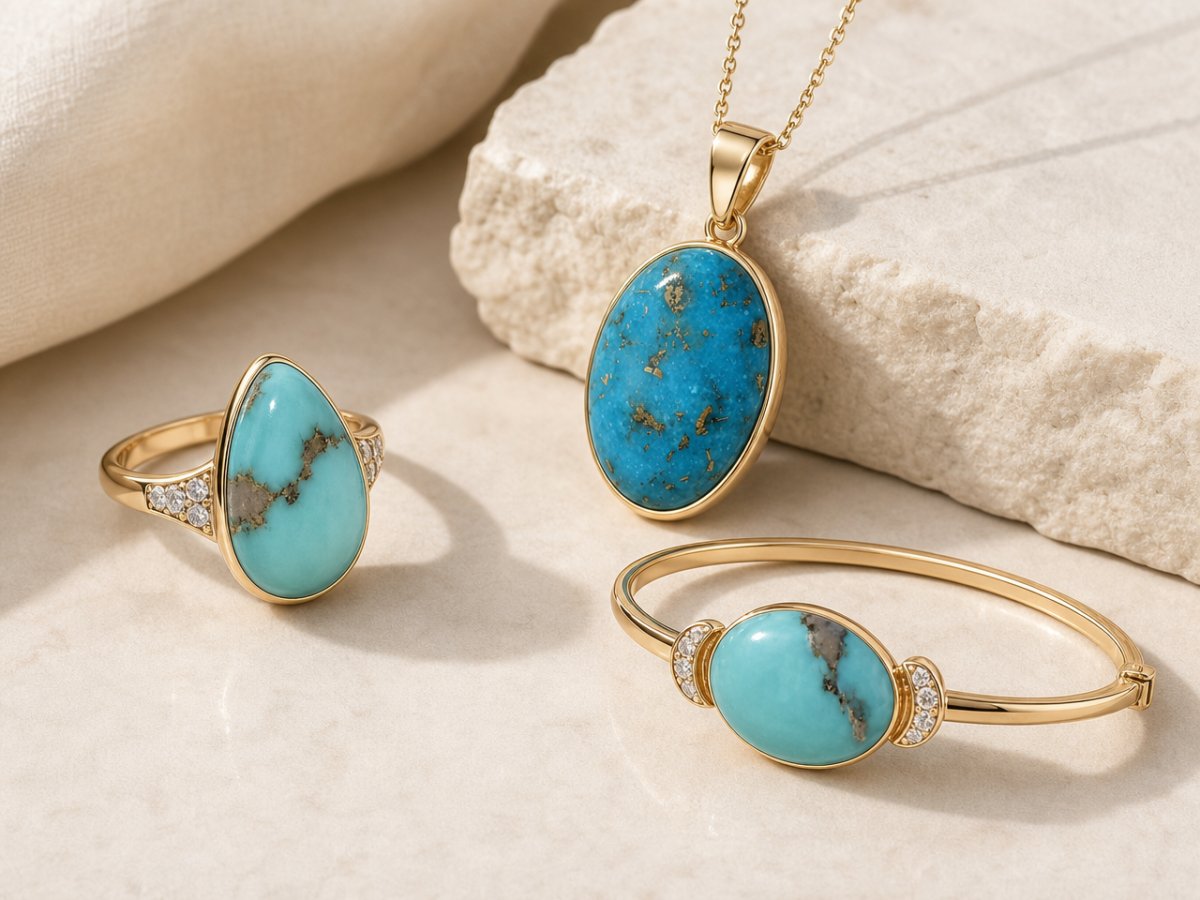


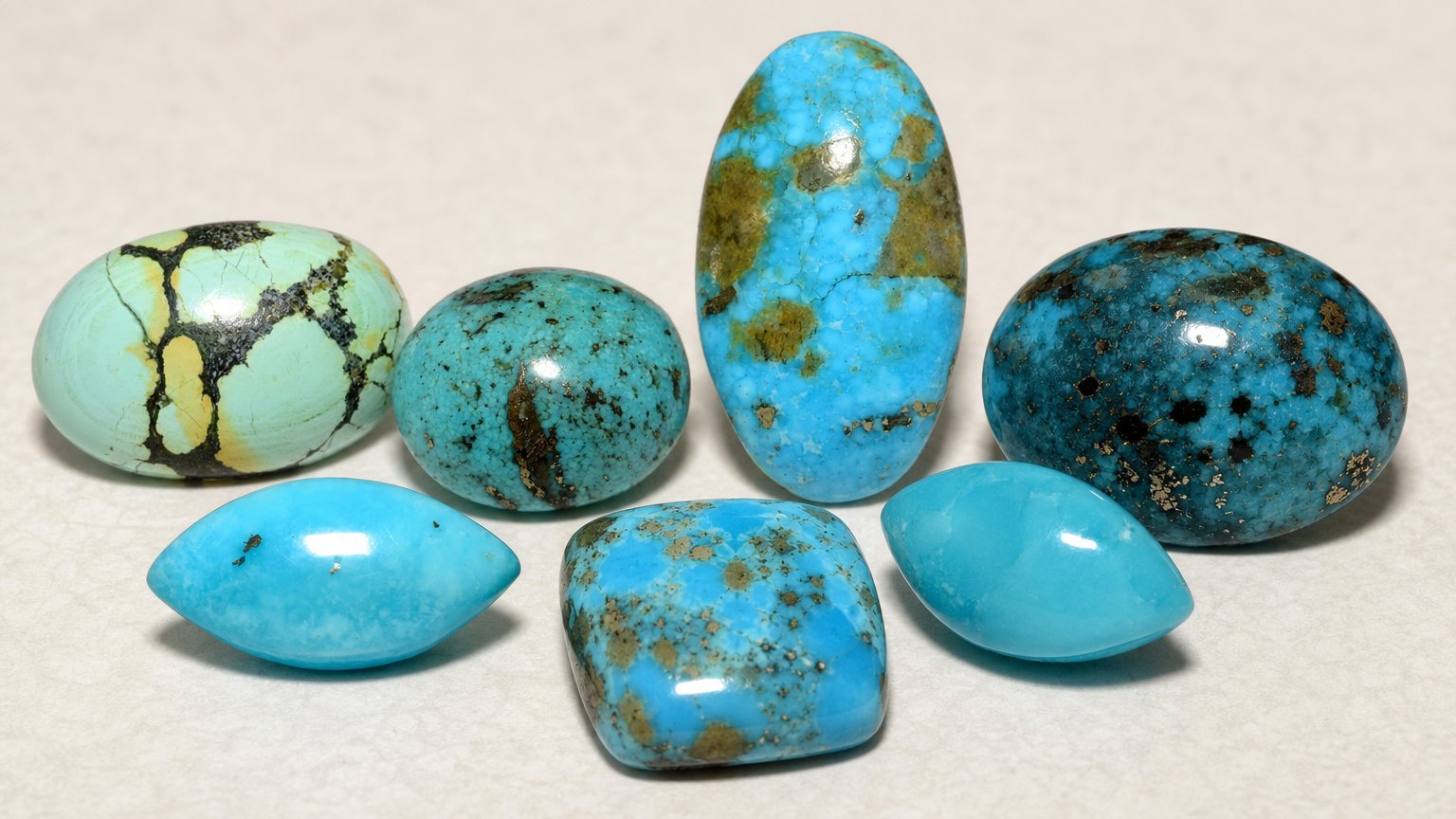
Turquoise is one of the most recognizable colored gemstones, valued by buyers for its distinctive blue, teal and green appearance and its long-standing use in wearable jewelry and decorative accessories. For many shoppers, the appeal is immediate: turquoise has a strong visual identity, works well in both modern and traditional designs, and is also associated with December as a birthstone.
Buying turquoise, however, is not just a matter of choosing a pleasing color. A confident purchase also depends on understanding cut style, treatment disclosure, durability, origin information and how the stone will be worn. Turquoise has a Mohs hardness of 5 to 6, so it requires more care than harder jewelry stones. Treatments such as stabilization and oiling may also affect how a stone should be evaluated and cared for.
This guide explains the key points to consider before purchasing turquoise, whether you are selecting a single cabochon for a ring, matching stones for earrings, a pendant stone, or a decorative gem for a bolo tie or belt buckle.
What Is Turquoise?
Turquoise is a copper aluminum phosphate mineral with the chemical formula CuAl6(PO4)4(OH)8·4H2O. In gemological terms, it belongs to the triclinic crystal system and has a refractive index of 1.610 to 1.650 and a specific gravity of 2.60 to 2.90. These measurements are mainly used by gemologists for identification and comparison, rather than by most consumers for everyday buying decisions.
For buyers, the most practical qualities to assess are color, visible appearance, cut, shape, size, treatment status and suitability for the intended jewelry design. Turquoise is especially common as a cabochon, which is a smoothly polished, unfaceted stone. Cabochon cutting is ideal when the goal is to showcase color and surface appearance rather than brilliance or sparkle.
Color and Appearance: What Buyers Should Look For
Color is usually the first feature buyers notice in turquoise. The best choice is partly a matter of personal taste, but it should still be evaluated carefully. Turquoise is known for blue, teal and green colors, with blue being especially strongly associated with the gem. Teal tones provide a balance between blue and green, while greener turquoise can offer a warmer, earthier look.
Blue Turquoise
Blue turquoise is the classic choice for many buyers. When comparing blue stones, look for a color that is attractive to you, even across the face of the stone, and suitable for the design you have in mind. A ring stone may need to be viewed at close range, while a pendant or bolo tie may be chosen for stronger visual impact from a distance.
Teal and Green Turquoise
Teal and green turquoise can be equally appealing, especially for designers looking for colors that coordinate well with warm metals, leather, neutral clothing or mixed-gem jewelry. Teal often feels versatile because it sits between blue and green. Green turquoise may have a more natural, understated appearance. As with blue stones, consistency of color, overall attractiveness and surface condition are important.
Color Consistency and Surface Condition
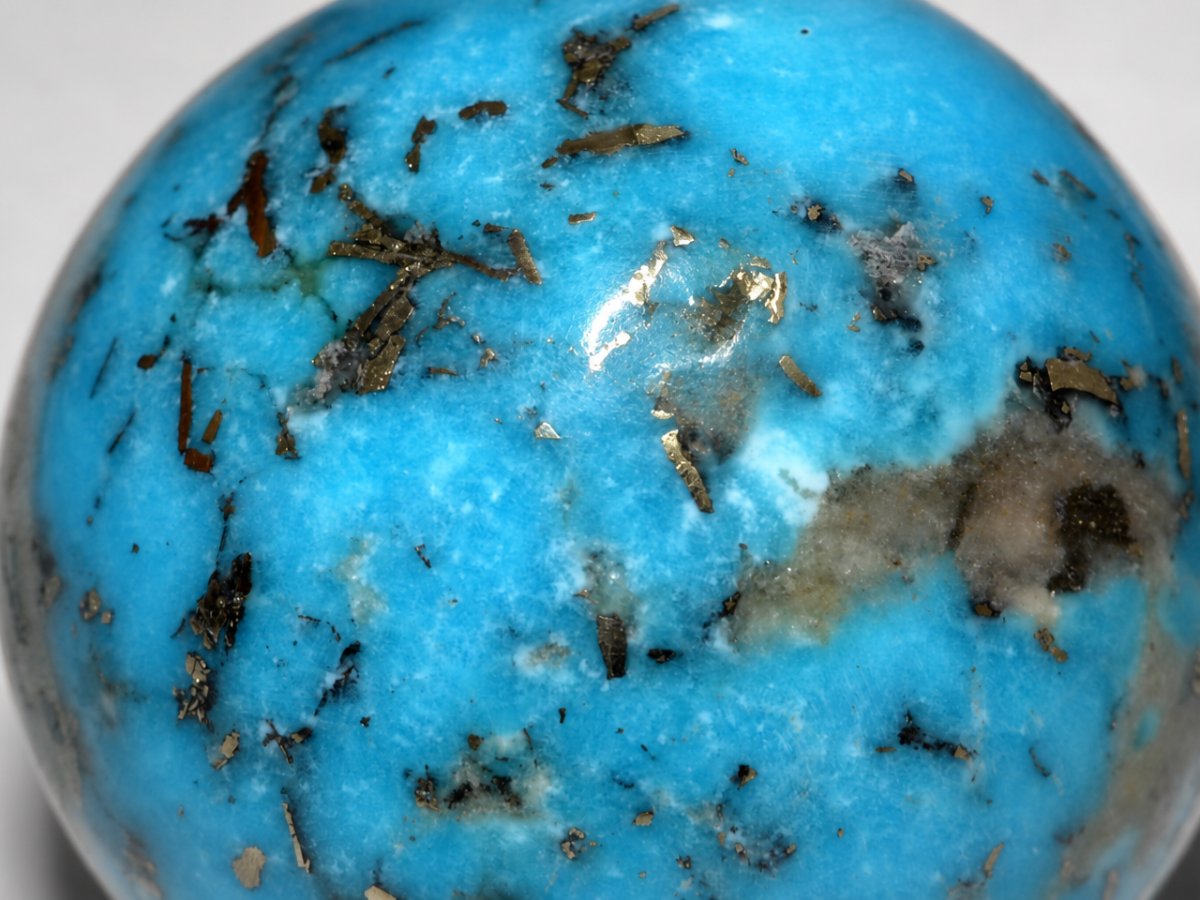
When inspecting turquoise, consider how the color appears across the whole stone. Some buyers prefer a uniform appearance, while others enjoy more natural variation. What matters most is that the stone looks intentional and pleasing in the intended setting. Examine the surface for chips, cracks, rough polishing, uneven shape or areas that may be vulnerable in jewelry.
Photographs can be helpful, but they should be clear and color-accurate. If buying online, compare the listed color description with the images and check whether the seller provides treatment information. GemSelect lists gemstone details to help buyers compare stones more easily before purchase.
Common Cuts and Shapes
Turquoise is most commonly cut as a cabochon. A cabochon has a smooth, polished top and a flat or gently curved base, depending on the stone and setting style. This cut is practical for turquoise because it emphasizes color and outline, and it works well in many types of jewelry.
Cabochons
When buying a turquoise cabochon, look at the dome, outline, polish and symmetry. The dome should suit the design: a higher dome can look more prominent, while a lower dome may sit closer to the setting. The outline should be clean, especially for calibrated jewelry designs where the stone must fit a specific setting.
Oval cabochons are especially common and versatile. They work well in rings, pendants, necklaces and bolo ties. Cushion shapes and freeform shapes are also popular choices when a softer or more organic outline is desired. Pear and round shapes may be useful for specific jewelry layouts, including earrings or accent designs.
Carving Cut and Decorative Forms
Turquoise may also be found in carved forms. Carving cut stones can be attractive in pendants, decorative jewelry, collector pieces and accessories. When evaluating carved turquoise, inspect the detail, polish, balance and any thin or raised areas that could be more vulnerable to wear.
Size Considerations
Turquoise is often purchased by dimensions as much as by carat weight, especially when it is intended for a particular setting. A cabochon must fit the design physically, so millimeter measurements are essential. For rings, the stone should suit the finger size and the setting style. For pendants, necklaces and bolo ties, larger stones can create a stronger focal point. For earrings, matching size and shape may be more important than choosing the largest possible stones.
Because turquoise has a specific gravity of 2.60 to 2.90, stones with the same carat weight may not look identical in face-up size if their shapes and dome heights differ. Always review both carat weight and dimensions when comparing options.
Durability and Everyday Wear
Turquoise has a Mohs hardness of 5 to 6. This means it is softer than many common jewelry gemstones and should be worn with reasonable care. It can be suitable for many jewelry styles, but the right setting and wearing habits matter.
Rings
Turquoise is commonly used in rings, but rings are exposed to more knocks, abrasion and contact with surfaces than most other jewelry types. If choosing turquoise for a ring, consider a protective setting that secures the edges of the cabochon. Avoid wearing turquoise rings during activities that may cause impact, scratching, or contact with chemicals and cleaning products.
Pendants, Necklaces and Earrings
Pendants, necklaces and earrings are often safer choices for turquoise because they are usually less exposed to hard knocks than rings and bracelets. These designs allow the color to be displayed prominently while reducing day-to-day wear risk. For earrings, buyers should look for good matching in color, size and shape if a coordinated pair is desired.
Bracelets, Bolo Ties and Belt Buckles
Turquoise can be used in bracelets, bolo ties and belt buckles, but the design should be considered carefully. Bracelets and belt buckles may be exposed to abrasion and impact, so secure settings and sensible wear are important. Bolo ties can be an excellent way to display a larger cabochon or carved turquoise in a decorative format.
Treatments: Untreated, Stabilized and Oiled Turquoise
Treatment disclosure is one of the most important parts of buying turquoise. The verified treatment status of a stone helps buyers understand what they are purchasing and how to care for it. Turquoise may be untreated, stabilized or oil treated.
Untreated Turquoise
Untreated turquoise has not been enhanced by the listed treatments. Buyers who prefer natural, untreated gems should look for clear disclosure and buy from a seller that provides treatment information. As with any gemstone, untreated status does not replace the need to evaluate color, cut, condition and suitability for jewelry.
Stabilized Turquoise
Stabilization is a treatment used for some turquoise. In buying terms, the key point is disclosure. Stabilized turquoise may still be attractive and wearable, but buyers should know the treatment status before purchase. Stabilization can influence how the stone is perceived, cared for and compared with untreated material.
Oil Treatment
Oil treatment is another possible treatment for turquoise. Buyers should treat oiling as a disclosed characteristic and care for the stone gently. Avoid harsh chemicals, ultrasonic cleaning and unnecessary exposure to heat or strong cleaning agents, especially when a stone has been treated.
How to Use Treatment Information When Buying
Do not assume treatment status based only on appearance. Instead, check the product description or ask the seller. A well-informed purchase depends on knowing whether the stone is untreated or treated, then deciding whether that status fits your preferences, jewelry use and budget. For many buyers, transparency matters more than any single label.
Origin: United States, China and Mexico
Turquoise is associated with several important origins, including the United States, China and Mexico. Origin can be meaningful to collectors, designers and buyers who are building a piece around a particular theme. However, origin should be considered alongside visible quality and treatment disclosure rather than used as the only buying factor.
When comparing turquoise from different origins, focus on the stone in front of you: its color, shape, polish, size, condition and treatment status. A desirable origin name does not automatically make a stone the right choice for a specific piece of jewelry. Likewise, a stone from a less emphasized origin may be very suitable if it has the color and form you need.
Gemological Properties and Why They Matter
Most turquoise buyers do not need to memorize gemological data, but the properties help explain how the gem behaves and how it is identified.
- Mineral species: Turquoise is a copper aluminum phosphate.
- Chemical formula: CuAl6(PO4)4(OH)8·4H2O.
- Crystal system: Triclinic.
- Mohs hardness: 5 to 6, which means careful wear is recommended.
- Refractive index: 1.610 to 1.650.
- Specific gravity: 2.60 to 2.90.
For everyday buying, hardness is the most practical of these values because it relates directly to jewelry durability. Refractive index and specific gravity are more relevant for gemological identification and comparison.
Choosing Turquoise for Jewelry
The best turquoise for you depends on the jewelry design and how often it will be worn. A stone intended for a ring should be chosen with more attention to protection and secure setting. A pendant or necklace can prioritize face-up beauty and overall shape. Earrings require good matching, while bolo ties and belt buckles may benefit from larger, more visually prominent stones.
For Rings
Select a cabochon with a shape that fits the setting securely. Oval and cushion shapes are practical choices. Consider how the setting protects the stone, especially around the edges. Turquoise rings are best worn thoughtfully rather than during heavy activity.
For Pendants and Necklaces
Pendants and necklaces are excellent choices for showcasing turquoise color. Oval, pear, cushion and freeform shapes can all work well, depending on the design. A larger cabochon may serve as the main focal point, while smaller stones can be used in more delicate pieces.
For Earrings
When buying turquoise for earrings, pay close attention to matching. The two stones should be compatible in color, size, shape and dome height. Exact matching may not always be necessary for artistic designs, but the pair should look balanced when worn.
For Bolo Ties and Belt Buckles
Turquoise is strongly associated with statement accessories such as bolo ties and is also used in belt buckles. For these pieces, the outline, size and visual impact of the stone are especially important. Inspect the setting style and make sure the stone is secure.
Practical Turquoise Buying Checklist
Before purchasing turquoise, use a simple checklist to compare stones consistently:
- Color: Decide whether you prefer blue, teal or green turquoise, then compare evenness and overall appeal.
- Cut: Cabochons are the most common choice; check polish, dome and outline.
- Shape: Oval is especially versatile, while cushion, freeform, pear and round shapes suit different designs.
- Size: Review both dimensions and carat weight, especially for fitted settings.
- Treatment: Confirm whether the stone is untreated, stabilized or oil treated.
- Durability: Remember that turquoise is 5 to 6 on the Mohs scale and should be worn with care.
- Origin: Consider origins such as the United States, China and Mexico, but evaluate the individual stone first.
- Jewelry use: Match the stone to the design and expected level of wear.
Care Tips After Purchase
Turquoise should be cleaned gently. Use a soft cloth and avoid harsh household chemicals, abrasive cleaners and ultrasonic cleaning. Remove turquoise jewelry before swimming, cleaning, gardening, exercise or any activity that may expose the stone to impact or chemicals. Store turquoise separately from harder gemstones to reduce the risk of scratches.
If your turquoise is set in a ring, bracelet or belt buckle, inspect the setting periodically to make sure the stone remains secure. For treated turquoise, gentle care is especially important because cleaning methods and environmental exposure may affect the appearance of some treated stones.
Conclusion: Buying Turquoise With Confidence
A good turquoise purchase begins with clear priorities. Choose the color family you like, inspect the cut and shape, confirm the size, and always review treatment disclosure. Consider origin if it matters to you, but do not let origin replace careful evaluation of the individual stone. Most importantly, match turquoise to the right jewelry use and wear it with the care appropriate for a gemstone with a Mohs hardness of 5 to 6.
Whether you are buying a December birthstone gift, a turquoise cabochon for a ring, or a larger stone for a pendant or bolo tie, an informed approach will help you select a gem that suits both your style and practical needs.