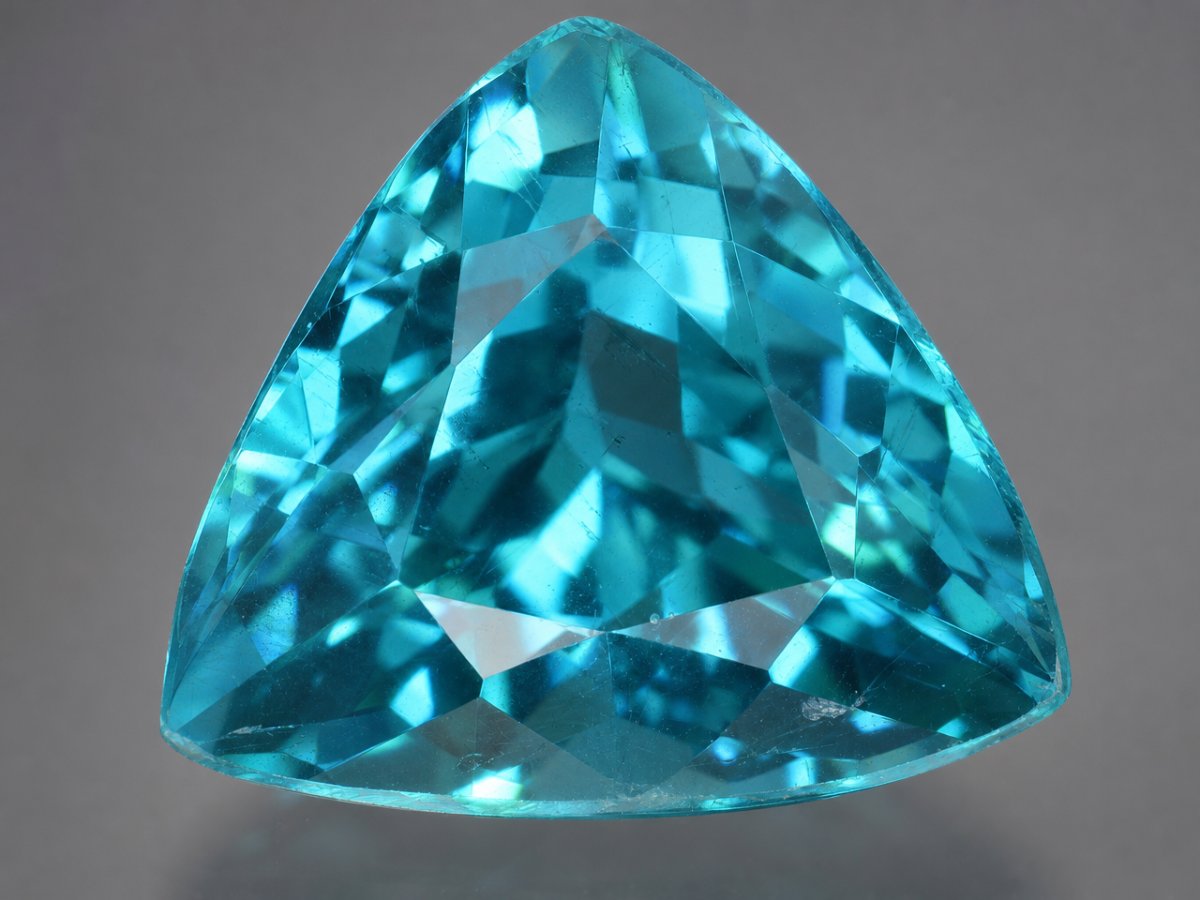


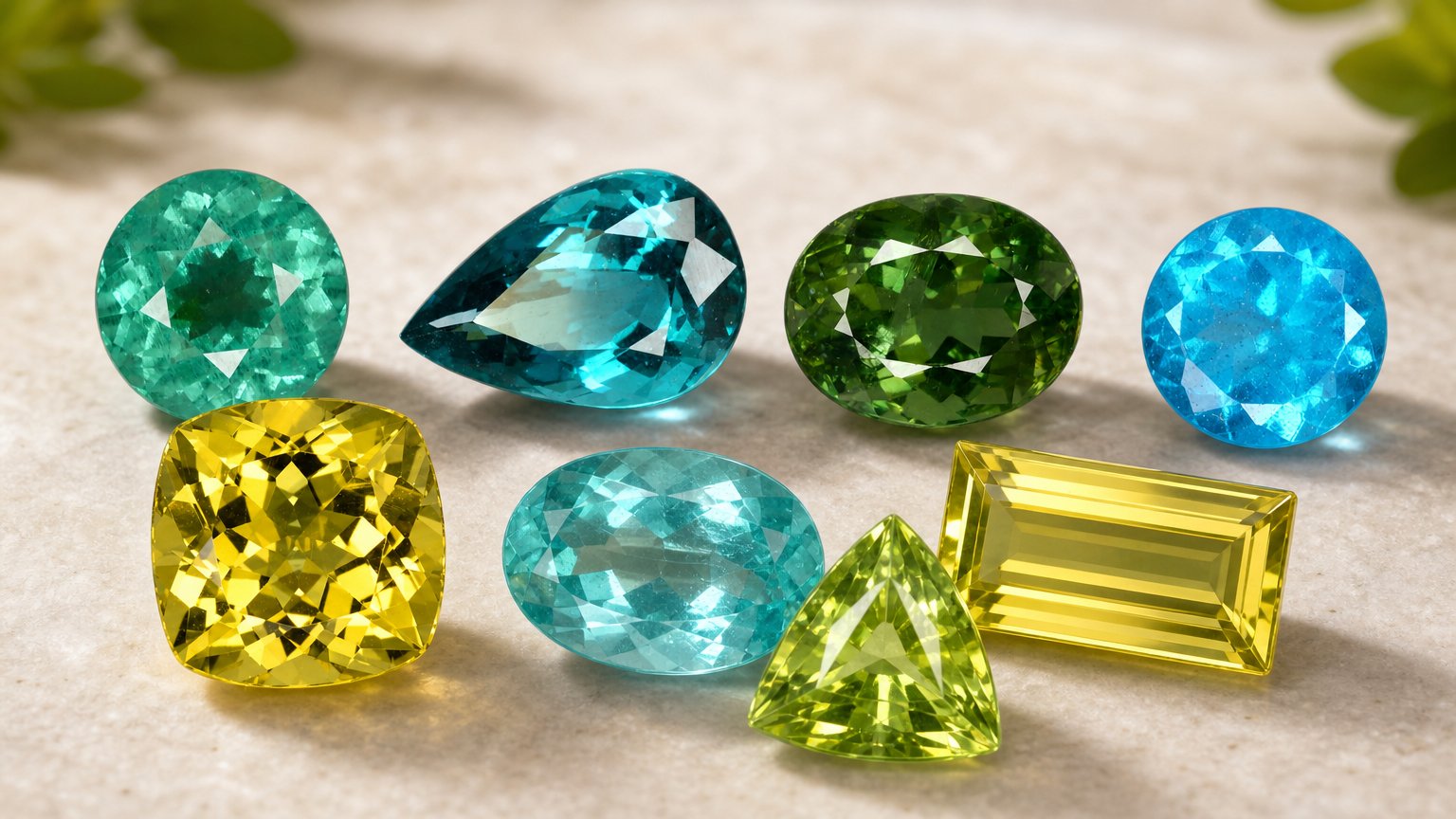
Apatite is a colorful phosphate gemstone chosen by buyers who want attractive color in a less familiar gem. It occurs in a broad palette, with blue being especially associated with apatite, followed by teal and yellow, as well as green, brown, pink, purple and violet varieties. For jewelry designers and collectors, apatite offers appealing visual options in faceted stones, step cuts and cabochons, but it also requires realistic expectations about durability.
This buying guide explains the most important points to consider before purchasing apatite: color, clarity, cut, size, origin, treatment status and jewelry suitability. Because apatite has a Mohs hardness of 5, it should be selected and set with more care than harder everyday gems. Pendants, necklaces and earrings are generally the most practical jewelry choices, while rings and bracelets need protective settings and mindful wear.
What Is Apatite?
Apatite is a phosphate mineral with the chemical formula Ca₅(PO₄)₃(F,Cl,OH). In gem form, it is appreciated for its range of colors and its attractive appearance when properly cut and polished. Apatite crystallizes in the hexagonal crystal system and has a refractive index of 1.632–1.649, a specific gravity of 3.16–3.23 and a Mohs hardness of 5.
For buyers, the key point is that apatite is more of a color and design gemstone than a hard-wearing daily-use stone. It can be a beautiful choice for carefully worn jewelry and for gemstone collections, but it should not be judged by the same durability expectations as harder gems. Understanding this before buying helps you choose the right stone, setting and use.
Apatite Color and Appearance
Color is usually the first feature buyers notice in apatite. Blue is the most prominent color associated with apatite, and many buyers are drawn to stones with an attractive blue appearance. Teal and yellow apatite are also important color options, offering very different design effects: teal can look fresh and contemporary, while yellow apatite can provide a bright, warm look.
Other apatite colors include green and brown, as well as less commonly emphasized pink, purple and violet. When comparing stones, consider hue, tone and saturation. Hue is the basic color family, such as blue or yellow. Tone describes how light or dark the stone appears. Saturation describes the strength or intensity of the color. A well-balanced stone usually has enough color to be visually appealing without becoming too dark or dull.
How to Evaluate Apatite Color
When shopping for apatite, view the gemstone in more than one lighting environment when possible. Some gems look different under daylight, office lighting or warm indoor light. Look for a color that stays attractive in the conditions where the jewelry will be worn most often.
For blue and teal apatite, many buyers prefer an open, lively color that is not overly dark. For yellow apatite, evenness of color can be important because lighter tones may show zoning or inclusions more readily. Green, brown, pink, purple and violet apatite should be assessed individually, since each stone’s appeal depends on the balance between color, transparency and cut.
Clarity and Transparency
Clarity refers to the presence or absence of internal features, commonly called inclusions, and surface-reaching features. Apatite buyers should inspect the stone for visible inclusions, cloudiness, cracks or areas that interrupt the overall beauty of the gem. The importance of clarity depends on the stone’s color, size and cut. In a strongly colored gem, small inclusions may be less noticeable. In a lighter or more transparent gem, they may be easier to see.
For faceted apatite, good transparency and a clean-looking face-up appearance are generally desirable. A stone does not need to be flawless to be attractive, but visible flaws that distract from the color or reduce the overall appearance should be considered carefully. Cabochon apatite is judged differently: a smooth dome, pleasant color and overall visual appeal may be more important than complete transparency.
Cut Styles and Shapes
Apatite is commonly cut as faceted gemstones, which are designed to reflect light and display color. Faceting is especially suitable for transparent material and is a common choice for buyers who want brilliance and a classic gemstone look. Step cuts are also used, emphasizing clean lines and broad flashes of light rather than the smaller sparkle of many brilliant-style cuts.
Cabochons are another option, especially when the material is better suited to a smooth polished dome than to faceting. Portuguese cuts may also be seen in apatite; this style uses many facets and can create a lively appearance when the cutting is well executed.
Popular apatite shapes include oval and round, both of which are versatile for jewelry and easy to match in many settings. Cushion, marquise and pear shapes are also seen and can be useful for distinctive designs. Baguette, octagon and square shapes may appeal to buyers who prefer geometric or step-cut styles.
What Makes a Good Cut in Apatite?
A good cut should make the color look attractive, keep the stone visually balanced and avoid large lifeless areas. Look at the gem face-up. Does the color appear evenly distributed? Does the stone show pleasing brightness? Is the outline symmetrical enough for the intended design? Are there obvious chips or abrasions around the edges?
Because apatite is not a very hard gem, condition is an important part of cut evaluation. Check the facet junctions, girdle and culet area for damage, especially if the stone will be set in jewelry. A well-cut apatite should look appealing and also be practical enough for its intended setting.
Size and Carat Weight Considerations
As with any gemstone, apatite’s visual size depends on both carat weight and cut proportions. Carat weight measures weight, not face-up diameter. A deeper cut stone may weigh more but appear smaller from the top, while a shallower stone may look larger but could sacrifice brilliance or color depth. Buyers should compare dimensions as well as carat weight when choosing an apatite gemstone.
For jewelry, size should also be matched to use. A larger apatite pendant can be practical because pendants are less exposed to impact than rings or bracelets. For earrings, weight and comfort matter, especially in matched pairs. For rings, a modest size may be easier to protect in a setting than a large stone with exposed edges.
Apatite Origins
Apatite is known from several gem-producing origins. Madagascar is an especially important origin associated with apatite, and Brazil and Mexico are also notable sources. Apatite is also known from Myanmar, Sri Lanka and Pakistan.
Origin can be interesting to collectors and may help describe a gemstone’s background, but buyers should primarily evaluate the individual stone in front of them. Color, clarity, cut, size, treatment disclosure and condition are usually more practical buying factors than origin alone. Two apatite gemstones from the same country can differ significantly in appearance, so visual quality and suitability for your intended use should guide the final decision.
Gemological Properties Buyers Should Know
Gemological properties help explain how apatite behaves as a gemstone. They are also useful for identification and for understanding jewelry care. The following properties are associated with apatite:
- Mineral group: Phosphate
- Chemical formula: Ca₅(PO₄)₃(F,Cl,OH)
- Crystal system: Hexagonal
- Mohs hardness: 5
- Refractive index: 1.632–1.649
- Specific gravity: 3.16–3.23
The refractive index relates to how a gemstone bends light. In practical buying terms, it helps gemologists identify a stone and contributes to optical appearance, though cut quality and transparency still play a major role in how lively the gem looks. Specific gravity describes density and is also useful in gem identification.
Durability and Wearability
Durability is one of the most important considerations when buying apatite. With a Mohs hardness of 5, apatite is softer than many commonly worn jewelry gemstones. The Mohs scale measures resistance to scratching, so apatite can be scratched by harder materials it comes into contact with. This does not mean it cannot be used in jewelry, but it does mean the jewelry type and setting style matter.
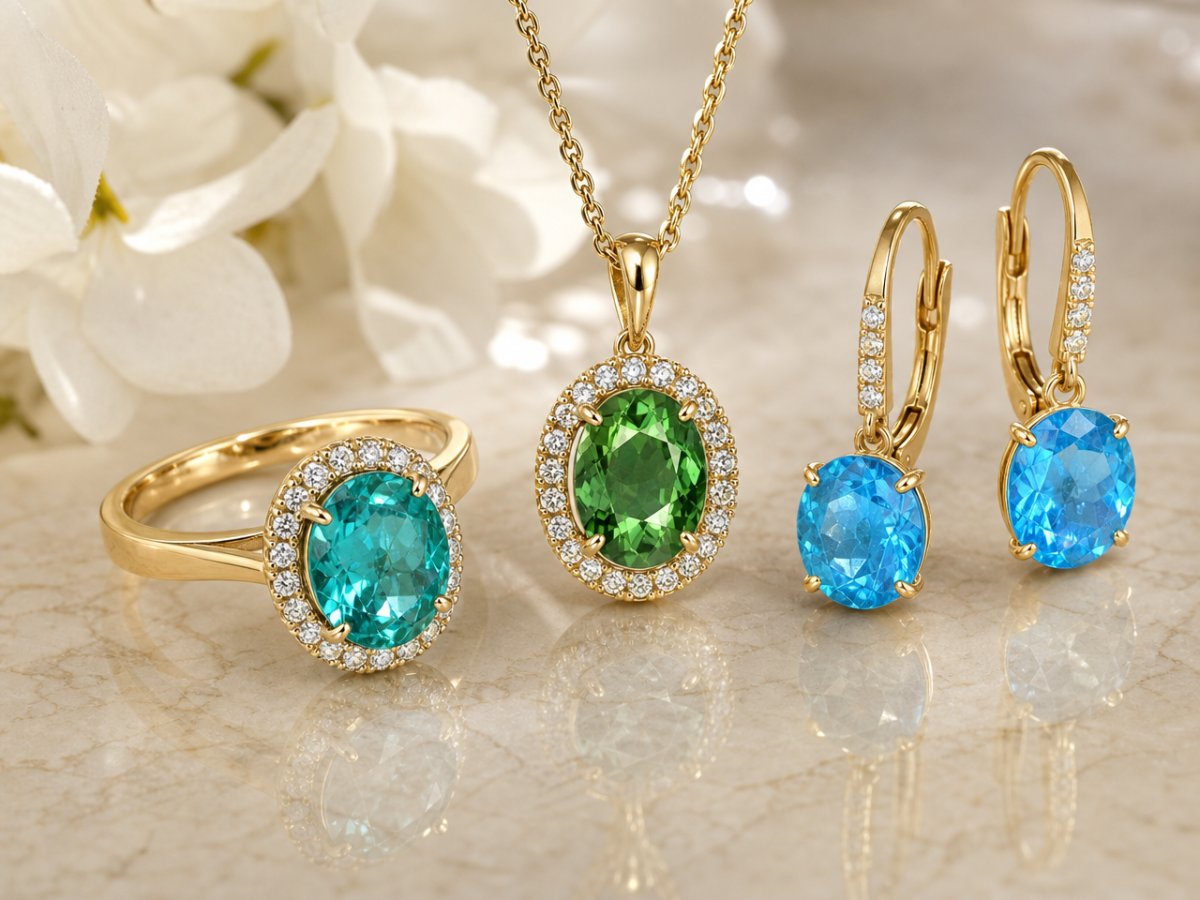
Necklaces and pendants are among the best uses for apatite because they are less likely to be knocked against hard surfaces. Earrings are also a good option, since they usually experience limited abrasion and impact. Rings can be made with apatite, but they are better suited to occasional wear and protective settings. Bracelets expose gemstones to more frequent contact with desks, door handles and other surfaces, so apatite bracelets require the most caution.
Protective Setting Tips
If you are choosing apatite for a ring, consider settings that protect the stone’s edges. Bezel or partial bezel settings can help shield the girdle better than highly exposed prong designs. Lower-profile settings are generally more practical than very high settings that can catch or bump easily. For marquise, pear or other pointed shapes, protecting the tips is especially important.
For pendants and earrings, the risk is lower, but good setting work still matters. The stone should be secure, not overly tightened, and protected from avoidable pressure during mounting. If you are a jeweler or designer, consider apatite’s hardness when planning repair, polishing or resizing work around a mounted stone.
Apatite Treatments
Apatite is commonly encountered as untreated, and heat treatment is also known. Treatment disclosure is important because buyers should understand whether a gemstone’s appearance is natural as mined or has been altered by an accepted enhancement process. Heat treatment is widely used for some gemstones in general, but for any individual apatite purchase, the seller should disclose known treatment information clearly.
When buying apatite online, look for treatment information in the product details. GemSelect lists gemstone information so buyers can compare stones more confidently. If treatment status is important to you, choose a stone with clear disclosure and keep a copy of the purchase information for your records.
Best Jewelry Uses for Apatite
Apatite is especially well suited to necklaces and pendants. These jewelry types display the gem’s color while reducing the risk of scratches and impact. A blue or teal apatite pendant can serve as a strong color focal point, while yellow, green or other colors can be used for more individual design styles.
Earrings are another practical choice, including studs, drops and dangles, depending on the stone size and setting. Since earrings usually receive less wear than rings, they are a sensible way to enjoy apatite’s color. Matched pairs should be compared for color, shape, size and overall brightness.
Rings are possible but should be approached carefully. Apatite rings are best for occasional wear rather than constant daily use. Choose protective settings and remove the ring before activities that involve impact, pressure, chemicals or abrasive contact. Bracelets can be attractive, but because bracelets are exposed to frequent knocks, apatite should be used with extra caution in these designs.
Practical Apatite Buying Checklist
1. Choose the Color First
Decide whether you prefer blue, teal, yellow or another apatite color. Color preference is personal, but the best choice is usually the stone that looks attractive to you in normal lighting and suits the jewelry design you have in mind.
2. Inspect Clarity and Condition
Look for inclusions, surface-reaching fractures, chips or abrasions. A few internal features may be acceptable if they do not distract from the gem, but damage around edges or facet junctions is more important for jewelry durability.
3. Match the Cut to the Material
Faceted and step-cut apatite can be excellent for transparent stones. Cabochons may be suitable when a smooth, polished look better suits the material. Portuguese cuts can add visual liveliness when well executed.
4. Consider Shape and Setting Together
Oval and round apatite are versatile, while cushion, pear and marquise shapes offer more design character. Baguette, octagon and square shapes can work well in geometric settings. If the shape has points or corners, plan a setting that protects them.
5. Be Realistic About Durability
Apatite’s Mohs hardness of 5 makes it better for pendants, necklaces and earrings than for hard-wearing rings or bracelets. If you choose apatite for a ring, treat it as an occasional-wear gemstone.
6. Check Treatment Disclosure
Look for clear information stating whether the apatite is untreated or heat treated. Neither category should be confusing if it is properly disclosed. Transparent disclosure helps you compare stones fairly.
7. Compare Dimensions, Not Just Carat Weight
Carat weight does not tell the full story. Review the measurements to understand how large the stone will appear and whether it will fit your intended mounting or design.
Care and Cleaning
Apatite should be handled with care. Store it separately from harder gemstones to help prevent scratches. A soft pouch or lined jewelry box compartment is a sensible choice. For cleaning, use gentle methods: lukewarm water, mild soap and a soft cloth or soft brush. Avoid harsh chemicals, aggressive scrubbing and situations where the stone may be knocked against harder materials.
Remove apatite jewelry before sports, gardening, household cleaning or manual work. This is especially important for rings and bracelets. Pendants and earrings are less exposed, but they should still be protected from impact and stored carefully when not in use.
Conclusion: How to Buy Apatite with Confidence
Apatite is a rewarding gemstone for buyers who value color, variety and distinctive design possibilities. Blue is the most prominent color, with teal and yellow also offering strong appeal, while green, brown, pink, purple and violet provide additional options for collectors and jewelry designers. Faceted stones, step cuts and cabochons each have their place, and shapes such as oval, round, cushion, marquise and pear give buyers many design choices.
The most important buying consideration is durability. With a Mohs hardness of 5, apatite should be chosen for suitable jewelry and worn with care. It is best suited to pendants, necklaces and earrings, while rings and bracelets require more protection and realistic wear expectations. By checking color, clarity, cut, treatment disclosure, dimensions and condition, you can select an apatite gemstone that fits both your taste and your intended use.