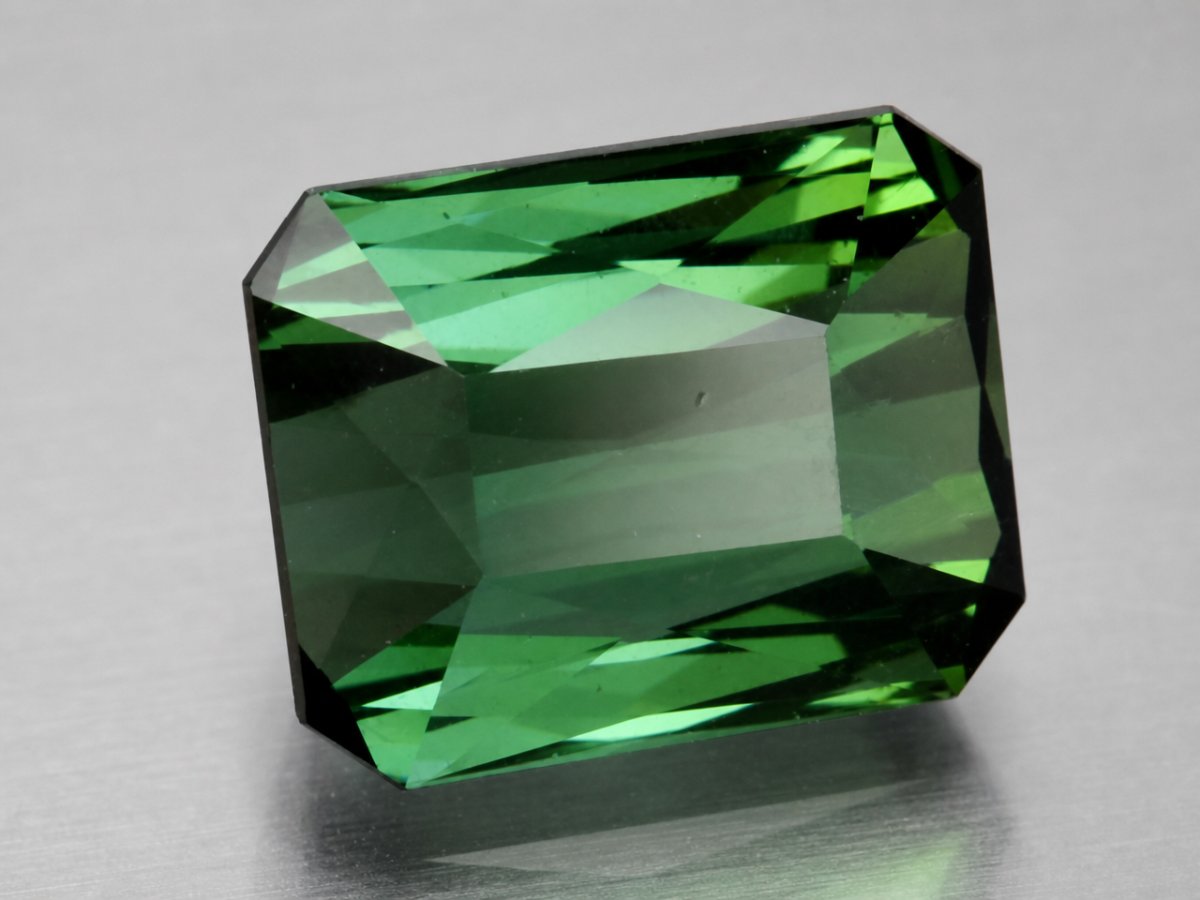


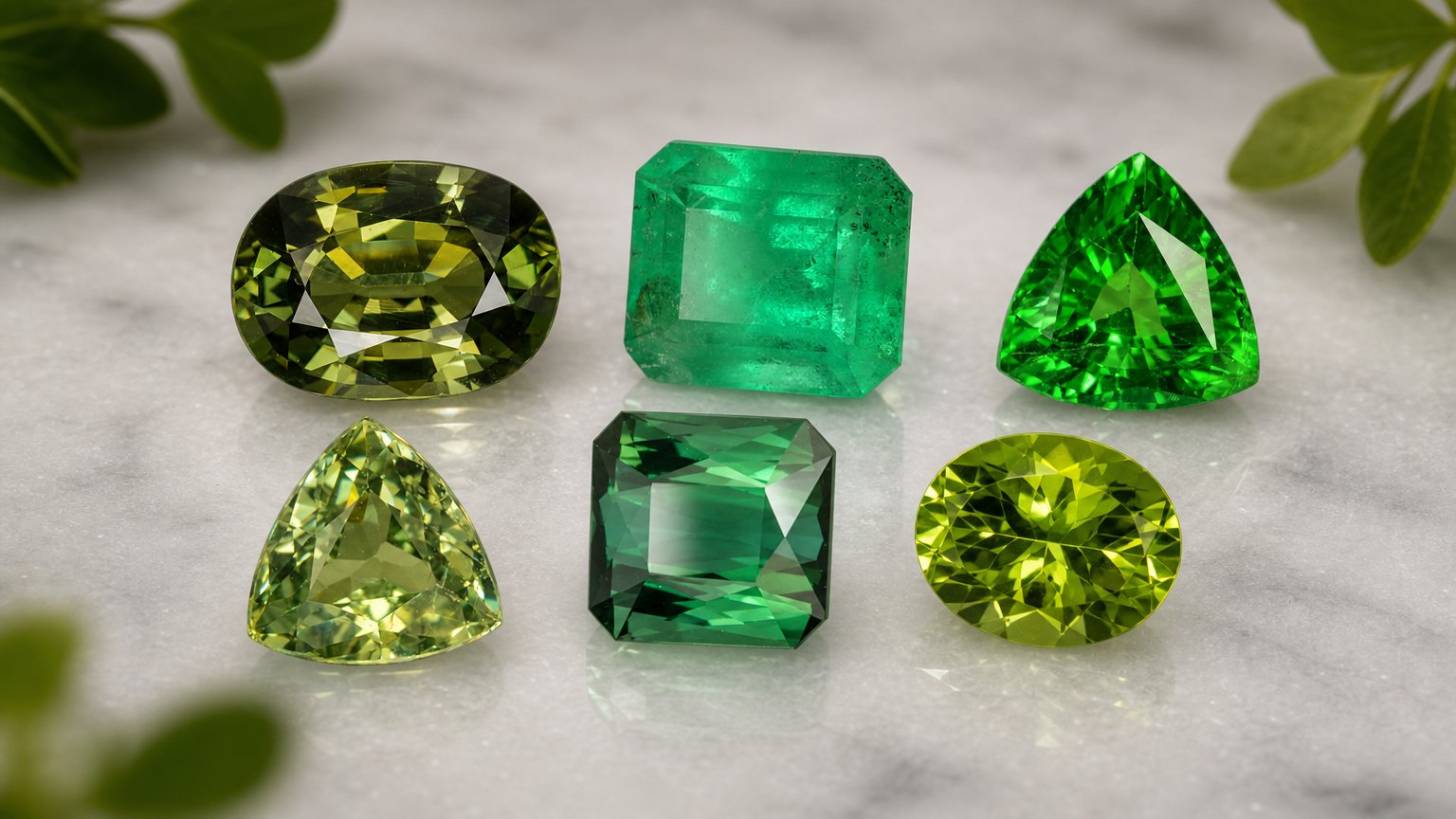
Green gemstones make distinctive engagement rings because they offer a wide range of looks, from deep forest green and blue-green to bright spring green, mint, olive and yellow-green. They can feel classic, modern, romantic or highly individual depending on the stone, cut and setting.
For an engagement ring, however, color is only part of the decision. A ring worn every day needs a gemstone that can resist scratches, survive normal knocks and be set in a design that protects it. This guide focuses on natural green gemstones that can realistically be considered for engagement rings, with special attention to durability, treatments, setting style and long-term wear.
Hardness Is Not the Same as Durability
The Mohs scale measures how well a gemstone resists scratching. A higher Mohs number generally means better resistance to surface wear, which matters in a ring. But hardness alone does not tell the whole story.
Overall durability also depends on toughness, brittleness, cleavage, inclusions, crystal structure, cutting quality and how the gem is mounted. A stone with good hardness can still chip or break if it is brittle or heavily included. This is especially important when comparing emerald and sapphire: emerald has respectable hardness, but its typical inclusions and brittleness make it more vulnerable to impact than sapphire.
Best Natural Green Gemstones to Consider
Green Sapphire: A Strong Choice for Everyday Wear
Green sapphire is one of the most practical green gemstones for an engagement ring when durability is a top priority. Sapphire has a Mohs hardness of 9, excellent scratch resistance and no cleavage. Green sapphires can range from soft sage and yellow-green to blue-green, teal-green and darker forest tones. Many have a subtle, sophisticated color rather than the vivid pure green associated with fine emerald or tsavorite.
Most sapphires on the market are heat treated, a stable and widely accepted treatment. Untreated green sapphires are also available, usually at a premium when quality is high. Compared with emerald or tsavorite, green sapphire is often chosen by buyers who want a natural colored gemstone but do not want to worry as much about daily wear.
Green sapphire works well in prong, bezel, halo and three-stone settings. For active wearers, a low-profile bezel or protective halo can add extra security, but sapphire is one of the few green gemstones that can also be practical in more open designs if the setting is well made.
Emerald: Classic Green Beauty with Extra Care Requirements
Emerald is the traditional green gemstone for fine jewelry. Its color can range from slightly bluish green to pure green and yellowish green, with the most desirable stones showing a rich, saturated green. Emerald has a Mohs hardness of 7.5 to 8, which sounds suitable for a ring, but emeralds are commonly included and can be brittle. These inclusions are part of emerald's character, but they also affect durability.
Most emeralds are clarity enhanced with oil or resin to reduce the visibility of surface-reaching fissures. This treatment is common and accepted, but it means emerald rings should be cleaned gently and kept away from harsh chemicals, ultrasonic cleaners and high heat. The level of clarity enhancement should be understood before purchase whenever possible.
Emerald can be suitable for an engagement ring , but it is best for someone who is willing to wear it thoughtfully. Protective settings make a major difference. A bezel setting, halo setting, low-profile design or secure prongs with protected corners can reduce the risk of impact. Emerald cuts and other shapes with trimmed corners are often practical because exposed sharp corners are more vulnerable.
Tsavorite Garnet: Vivid Green and a Strong Emerald Alternative
Tsavorite is a green variety of grossular garnet known for bright, lively green color. It can resemble emerald in hue, especially when it shows a rich medium to vivid green, but it often has more brilliance because it is typically cut without the heavy inclusions associated with many emeralds.
Tsavorite has a Mohs hardness of about 7 to 7.5 and no cleavage. It is not as hard as sapphire, but it can be a good choice for an engagement ring when the stone is well chosen and properly set. As with other garnets, tsavorite is generally not treated, which appeals to buyers who prefer natural color without routine enhancement.
Fine tsavorite is relatively rare, especially in larger sizes. It is usually positioned as a premium green gemstone, often valued for vivid color, clarity and rarity. For daily wear, a bezel, halo or secure prong setting is sensible, particularly for larger stones or rings that will be worn during active routines.
Demantoid Garnet: Brilliant, Rare and Collector-Oriented
Demantoid is a green variety of andradite garnet admired for its high brilliance and fire. Its color can range from yellow-green to rich green, and some stones show famous horsetail inclusions that are valued by collectors. Demantoid has a Mohs hardness of about 6.5 to 7, lower than tsavorite and sapphire.
Because of its lower hardness and relative rarity, demantoid is often better suited to occasional-wear rings, collector jewelry or engagement rings designed with extra protection and worn carefully. Garnets do not have cleavage, but demantoid can still abrade or chip with hard wear. Some demantoids may be heat treated, though many are untreated.
Demantoid is usually not the most practical first choice for someone who wants a low-maintenance daily engagement ring. It is more appealing for buyers who value rarity, brilliance and gemological character and are comfortable with more careful wear.
Green Tourmaline: Versatile Color with Moderate Durability
Green tourmaline offers one of the widest color ranges among green gemstones. It may appear yellow-green, blue-green, chrome green, deep forest green or lighter mint green. This variety makes it useful for custom engagement rings where the exact mood of the color matters.
Tourmaline has a Mohs hardness of 7 to 7.5. It is generally wearable in rings, but it is not as scratch resistant as sapphire and should be protected from hard knocks. Some tourmalines can show strong pleochroism, meaning the color may look different from different directions, so cutting and orientation are important.
Treatments such as heating may occur in tourmaline, depending on color and source. Green tourmaline is often more available in larger sizes than many premium green gems, making it attractive for buyers who want presence on the hand without moving into the highest rarity category. For engagement rings, consider bezel settings, halos, thicker prongs or designs that protect the stone edges.
Peridot: Bright Yellow-Green and Budget-Friendly, but Softer
Peridot is known for its fresh yellow-green to olive-green color. It is one of the few gemstones whose green color is part of its basic composition rather than caused only by trace impurities. Peridot has a Mohs hardness of 6.5 to 7, which places it below sapphire, spinel, emerald, tsavorite and most tourmaline.
Peridot is typically not treated and is generally more accessible than many fine green gemstones. Its cheerful color and relative affordability make it appealing for custom rings, but it needs more care in an engagement ring. It can abrade over time, especially if worn during rough activity, and it should be protected from harsh handling and sudden temperature changes.
For daily wear, peridot is best in a protective setting such as a bezel or halo, preferably in a lower-profile design. It is a good option for buyers who love its color and accept that it may need more maintenance over the years than harder gemstones.
Green Spinel: Durable, Unusual and Often Subtle
Spinel has a Mohs hardness of 8, no cleavage and generally good toughness, making it a strong candidate for rings. Green spinel is less common than red, pink, violet or gray spinel, and many greenish spinels have subtle, grayish, bluish or darker tones rather than vivid emerald-like green.
Spinel is generally untreated, which is a benefit for buyers who prefer natural color. Because attractive green spinel is not widely available in every size and shade, selection can be more limited. When a well-cut green spinel has appealing color, it can make a distinctive and durable engagement ring.
Green spinel can be set in many ring styles. A bezel or secure prong setting is still wise for an everyday ring, but spinel's combination of hardness and lack of cleavage makes it more forgiving than several softer green gemstones.
Green Zircon: Brilliant but Better with Care
Natural zircon is valued for strong brilliance and dispersion, but it should not be confused with cubic zirconia, which is a man-made diamond simulant. Green zircon can show olive, yellow-green, brownish green or more unusual green tones. It is an interesting natural gemstone, but not usually the easiest choice for a daily engagement ring.
Zircon has variable Mohs hardness, often around 6 to 7.5 depending on the material, and it can be brittle. Facet edges may abrade with regular wear. Some green zircon can also have altered crystal structure, which affects durability and appearance. Heat treatment is common in zircon generally, especially for certain colors, so treatment information should be checked for individual stones.
Green zircon is best considered for careful wear, protective settings or collector-oriented engagement rings. If chosen, avoid exposed high settings and sharp vulnerable corners.
Quick Comparison of Green Engagement Ring Gemstones
| Gemstone | Typical green appearance | Mohs hardness | Durability notes | Everyday-wear suitability |
|---|---|---|---|---|
| Green sapphire | Sage, teal-green, yellow-green, forest green | 9 | Excellent scratch resistance, no cleavage; commonly heat treated | Very strong choice for daily wear |
| Emerald | Rich bluish green to yellowish green | 7.5-8 | Often included and brittle; commonly oil or resin treated | Suitable with careful wear and protective setting |
| Tsavorite garnet | Bright to vivid green, often emerald-like | 7-7.5 | No cleavage; generally untreated; fine larger stones are rare | Good with secure setting and reasonable care |
| Demantoid garnet | Yellow-green to rich green, very brilliant | 6.5-7 | Lower hardness; rare; collector appeal | Better for careful or occasional wear |
| Green tourmaline | Yellow-green, blue-green, chrome green, deep green | 7-7.5 | Moderate ring durability; cutting and inclusions matter | Good with protective design |
| Peridot | Yellow-green to olive green | 6.5-7 | Softer; can abrade with heavy wear; usually untreated | Possible, but best with extra care |
| Green spinel | Subtle green, gray-green, blue-green or darker green | 8 | No cleavage; generally durable; attractive green stones are less common | Good choice if color and availability suit the design |
| Green zircon | Olive, yellow-green, brownish green | About 6-7.5 | Brittle; facet wear possible; check treatment and condition | Best for careful wear or collector designs |
Choosing by Priority
Maximum Durability
Green sapphire is the leading natural green choice when everyday durability is the main criterion. Green spinel can also be excellent when an attractive stone is available. Both offer better scratch resistance than most other natural green gemstones used in rings.
Rich Emerald-Like Green
Emerald remains the classic choice for rich green color, but it needs protective setting and careful maintenance. Tsavorite is a strong alternative for buyers who want vivid green brilliance with no routine clarity enhancement. Chrome tourmaline may also offer saturated green, though individual durability and size availability should be considered.
Bright or Vivid Green
Tsavorite is often a standout for lively vivid green. Peridot offers a brighter yellow-green look at a generally more accessible value level, though with lower durability. Some green tourmalines can also provide strong, attractive green color in custom ring sizes.
Unusual or Distinctive Appearance
Green sapphire in teal or sage tones, green spinel with subtle gray-green color, green zircon with olive tones and demantoid garnet with exceptional brilliance can all create engagement rings that look different from standard diamond or emerald designs.
More Budget-Conscious Choices
Green tourmaline and peridot can be appealing for buyers seeking natural green gemstones with good visual size and distinctive color. Durability should be balanced against budget: a protective setting can be more important for these stones than for sapphire.
Collector-Oriented Choices
Demantoid garnet, fine tsavorite, high-quality emerald, unusual green spinel and natural green zircon can appeal to collectors. In these cases, rarity, inclusions, origin information, treatment status and cutting quality may matter as much as daily-wear practicality.
Shape, Size and Cut Considerations
Shape affects both appearance and durability. Round, oval and cushion cuts have no sharp corners and are often practical for rings. Emerald cuts and octagons can suit emerald beautifully because the trimmed corners are less vulnerable than points. Pear, marquise and princess shapes can be striking, but their tips and corners need protection from prongs, bezels or halos.
Stone size also matters. Larger gems have more surface area exposed to impact, and they often sit higher above the finger. A smaller or medium-size green gemstone in a low setting may wear better than a large stone in a high prong setting, especially for someone with an active lifestyle.
Cutting quality is not just about beauty. A well-cut gemstone with balanced proportions is easier to set securely and may be less vulnerable than a very shallow, very deep or poorly finished stone. Inclusions near edges, points or corners should be considered carefully for emerald, tourmaline and zircon.
Best Settings for Green Gemstone Engagement Rings
Protective settings are especially valuable for green gemstones that are included, brittle or below sapphire hardness. A bezel surrounds the stone with metal and helps protect the girdle from knocks. A halo can add visual size while creating a buffer around the center stone. Low-profile settings reduce snagging and impact risk.
Prong settings can work well for durable stones such as green sapphire and spinel, but prongs must be strong and correctly positioned. For emerald, peridot, demantoid, zircon and some tourmalines, avoid designs that leave corners, tips or girdle edges overly exposed.
Jewelers should also consider the wearer's habits. A ring worn every day at work, during travel or around children may need a more protective setting than a ring worn mainly for formal or careful occasions.
How Metal Color Changes the Look of Green Gems
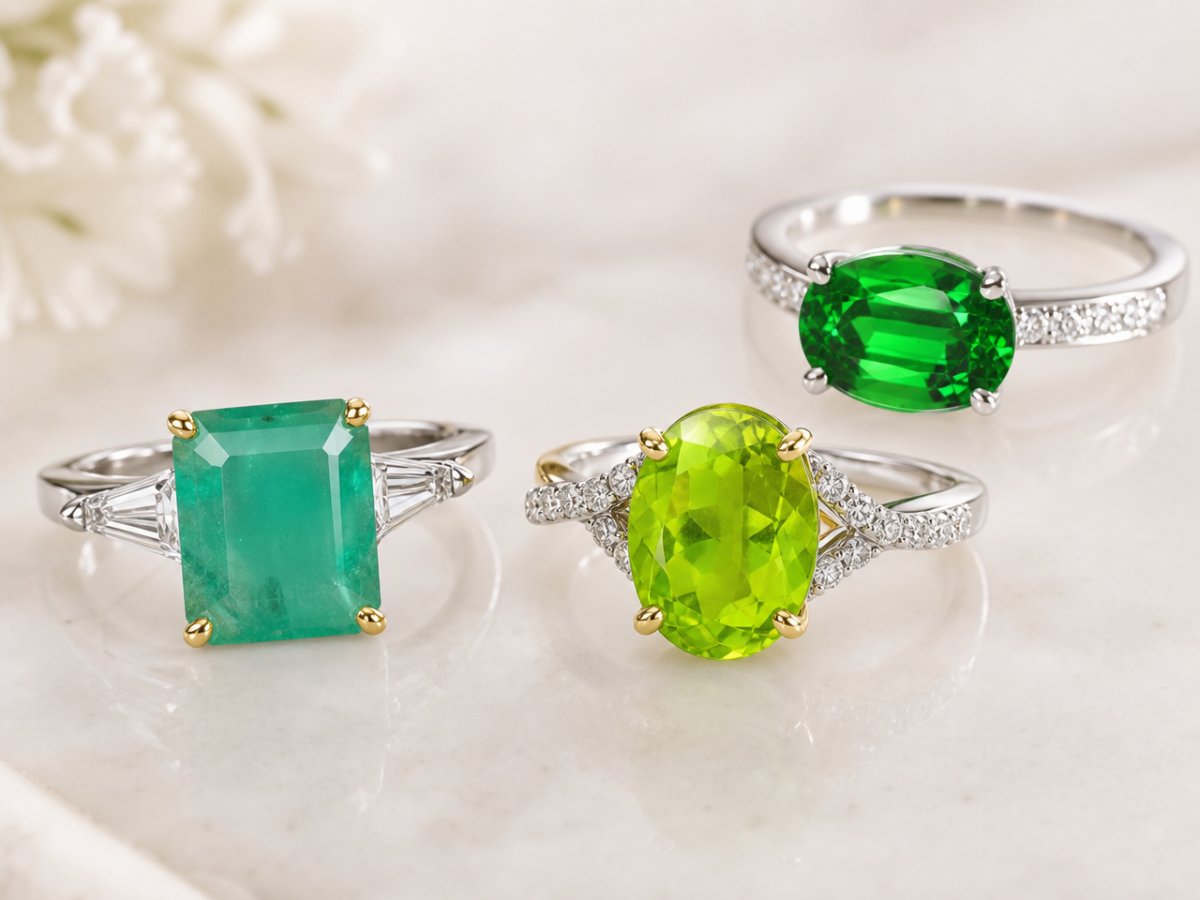
Yellow gold can warm green gemstones and often enhances yellow-green, olive and forest tones. It can make peridot look richer and give emerald or tsavorite a classic contrast.
White gold and platinum create a cooler frame. They can emphasize bluish green, teal green and crisp vivid green, and they are popular for modern designs. They may also make yellowish greens appear a little brighter by contrast.
Rose gold adds warmth and contrast. It can be beautiful with sage green, teal-green sapphire, tourmaline and softer green stones, but it may visually push some yellow-green gems warmer. The best choice is often made by viewing the actual loose gemstone against different metals before setting.
Cleaning and Maintenance
Most green gemstone engagement rings should be cleaned with lukewarm water, mild soap and a soft brush. Dry with a lint-free cloth and check prongs or bezels regularly. Remove rings before heavy work, sports, gardening, weight training or activities that may strike the stone.
Avoid ultrasonic and steam cleaning for emerald, and be cautious with any included, treated or brittle gemstone. Emeralds with oil or resin treatment require especially gentle care. Peridot and zircon should also be treated carefully and kept away from harsh chemicals or sudden temperature stress.
For long-term wear, have the setting inspected periodically by a jeweler. Even a durable gemstone can be damaged if the mounting becomes loose or the stone is struck at an exposed edge.
Buying Natural Loose Green Gemstones
When choosing a loose gemstone for an engagement ring, compare individual stones rather than relying only on the gem name. Color, clarity, inclusions, cut, treatment, size and setting design can change the suitability of two stones from the same gem variety.
GemSelect offers natural loose gemstones in categories such as green sapphire, emerald, tsavorite garnet , green tourmaline, peridot, spinel and zircon, making it easier for buyers and jewelers to choose the exact stone before designing the ring. For engagement rings, prioritize a stone with good cutting, suitable dimensions, clear treatment information and durability appropriate for the wearer's lifestyle.
Conclusion
Green engagement rings can be durable, meaningful and highly individual when the gemstone is chosen with realistic expectations. Green sapphire is one of the strongest choices for daily wear. Emerald offers unmatched classic green beauty but needs protective setting and careful maintenance. Tsavorite provides vivid green brilliance and is a compelling emerald alternative, while tourmaline, spinel, peridot, demantoid and zircon each suit different design goals and levels of care.
The most successful green gemstone engagement ring balances beauty with practical wearability: the right stone, the right cut, the right setting and the right care routine.