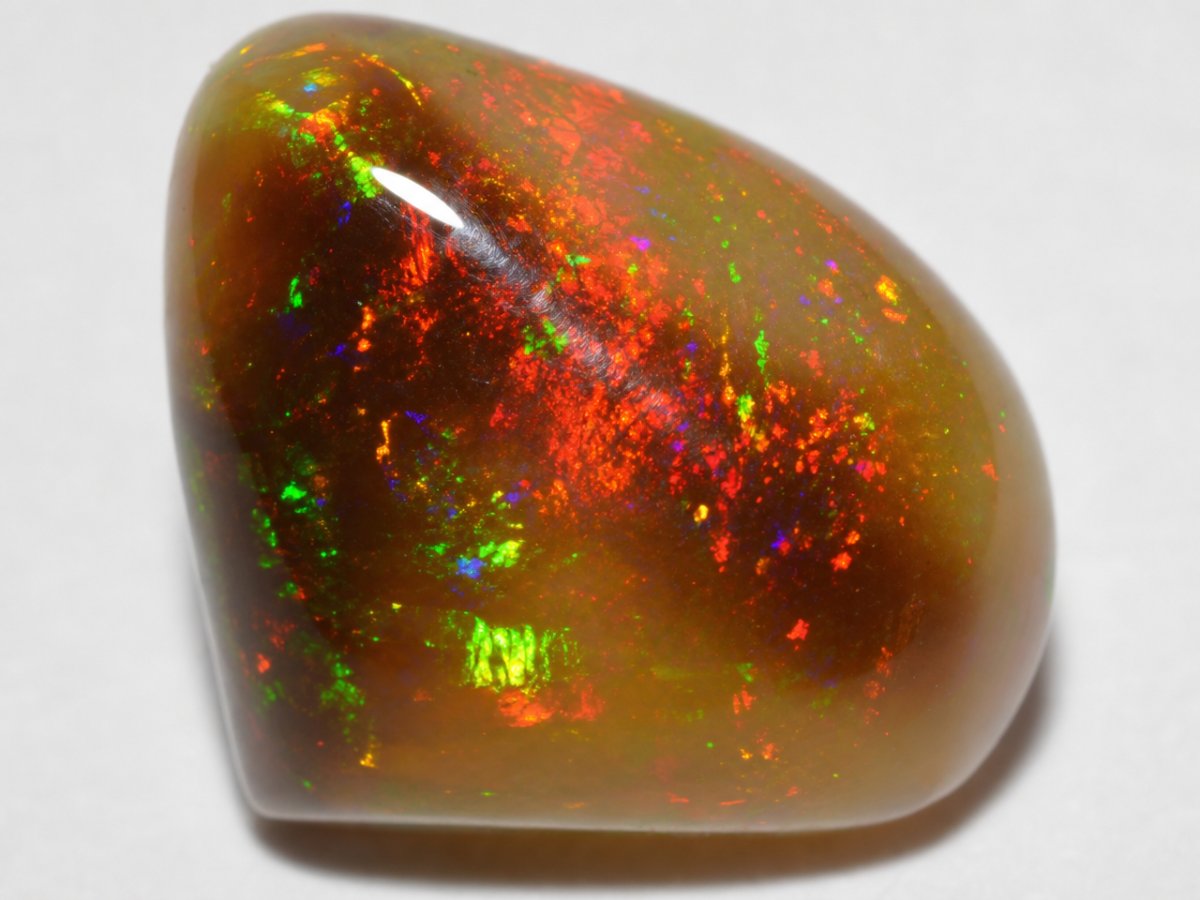


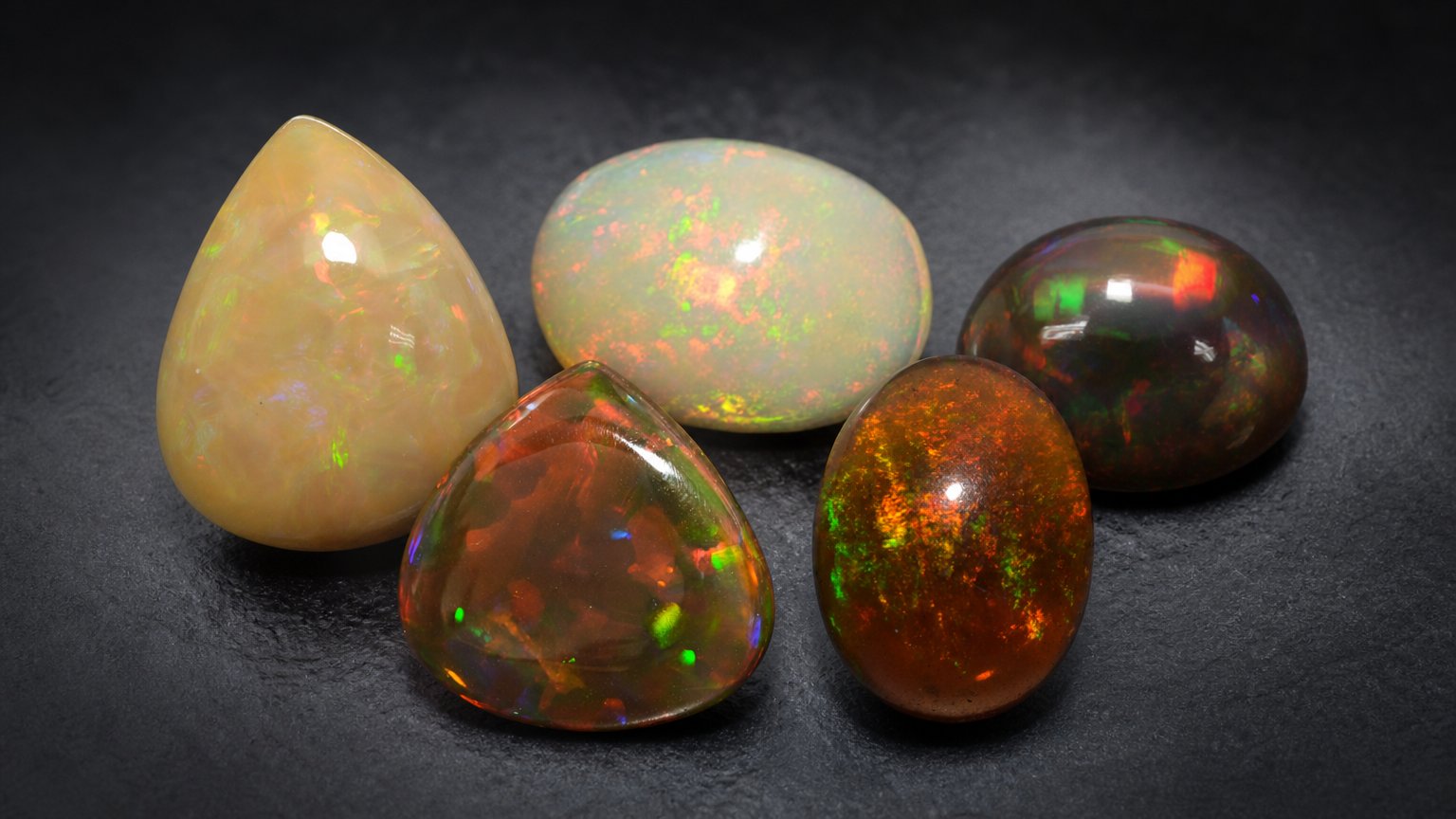
Ethiopian opal is a variety of opal from Ethiopia, valued by many buyers for its lively multicolor appearance and the individuality of each stone. Unlike gems that are judged mainly by a single body color, opal is often chosen for the way color appears across the gem, how attractive the pattern looks, and whether the stone is suitable for the intended jewelry design.
This guide focuses on the practical factors that matter when buying Ethiopian opal: appearance, cut, treatments, durability, and jewelry use. It is designed to help you compare stones more confidently whether you are choosing a loose gem for a custom ring, a pair for earrings, or a collector piece.
What Is Ethiopian Opal?
Ethiopian opal is opal with an Ethiopian origin. Like other opal, it is an amorphous form of hydrated silica with the chemical formula SiO₂·nH₂O. "Amorphous" means it does not have the orderly crystal structure found in many crystalline gemstones.
For buyers, the most important point is that Ethiopian opal should be assessed visually and practically. Look at the color display, body color, shape, cutting style, overall condition, and treatment disclosure rather than relying on one single grading term.
Color and Appearance: What to Look For
Color is usually the first thing buyers notice. Ethiopian opal is strongly associated with multicolor appearance, and individual stones may also show body colors such as white, yellow, orange, brown, black, green or gray. The best choice depends on personal taste and the jewelry design, but the stone should have an appearance you enjoy in normal viewing conditions.
When comparing Ethiopian opals, consider these appearance factors:
- Color variety: Multicolor stones can offer a dynamic look, especially when different colors appear as the gem moves.
- Body color: White, yellow, orange, brown and darker body colors each create a different visual mood. Choose a body color that complements the metal and setting style.
- Face-up appeal: View the gem from the top, as it will be seen in jewelry. A stone that looks attractive face-up is often more satisfying than one that only shows its best color from a narrow angle.
- Evenness and pattern: Some buyers prefer broad flashes of color, while others like smaller, more scattered color effects. There is no single correct choice, but the pattern should look pleasing and balanced to you.
- Condition: Avoid stones with obvious cracks, chips or surface damage, especially for rings and bracelets where the gem may receive more wear.
Cut and Shape
Ethiopian opal is most commonly cut as a cabochon. A cabochon has a smooth, domed top rather than flat facets, and this style often displays opal's color effect well. Cabochons are especially common for rings, pendants, necklaces and earrings.
Faceted Ethiopian opals are also available. Faceting can add brightness and a more gem-like sparkle, but the final choice should still be based on the overall face-up appearance. With opal, cutting is successful when it presents the color and shape attractively, not simply because it follows a standard style.
Popular shapes include oval and pear, with cushion and trillion shapes also commonly seen. Round and freeform cuts can be good options for distinctive designs. Freeform stones may be especially useful when the design is built around the natural character of the gem.
Origin: Ethiopia
The defining origin for Ethiopian opal is Ethiopia. Origin can be important for identification, collection interest and buyer preference, but it should be considered together with the stone's visible quality and treatment status. Two Ethiopian opals can look very different from each other, so compare the individual gem rather than buying by origin alone.
Gemological Properties and What They Mean for Buyers
The gemological properties of Ethiopian opal help explain how it should be worn and cared for. The numbers below are useful for identification and durability expectations, but they do not replace careful visual inspection.
| Property | Ethiopian Opal | Buyer relevance |
|---|---|---|
| Gem family | Opal | Judge it by color appearance, condition, cut and disclosure. |
| Chemical formula | SiO₂·nH₂O | Opal is hydrated silica, so sensible care is important. |
| Crystal system | Amorphous | It does not form crystals in the same way as many faceted gems. |
| Mohs hardness | 5.5-6.5 | Moderate hardness; use protective settings for rings and bracelets. |
| Refractive index | 1.370-1.470 | Useful for gemological identification. |
| Specific gravity | 1.98-2.25 | Another identification property used by gemologists. |
Durability and Everyday Wear
With a Mohs hardness of 5.5 to 6.5, Ethiopian opal requires more care than harder jewelry gemstones. It can be worn in many types of jewelry, but the setting and wearing habits matter.
Earrings, pendants and necklaces are practical choices because they are less exposed to knocks and abrasion. Rings can be beautiful, but they should be worn thoughtfully, especially if the wearer is active with their hands. A protective setting can help reduce the risk of damage. Bracelets place gemstones in a higher-contact position, so they are best reserved for careful wear.
For care, avoid rough handling, sharp impacts, harsh chemicals and abrasive cleaning. Store opal jewelry separately from harder gems that could scratch it.
Treatments: Ask for Clear Disclosure
Treatment disclosure is one of the most important buying points for Ethiopian opal. Known treatment categories include smoked treatment, untreated stones and dyed stones. These terms can affect buyer preference because treatment may influence the stone's appearance and how it is represented for sale.
When purchasing, look for clear information about whether the gem is untreated or treated. Smoked treatment and dyeing should be disclosed by the seller. If treatment status matters to you for collection, design or resale reasons, ask before buying and keep the invoice or product documentation.
At GemSelect, treatment information is listed with gemstone details where applicable, helping buyers compare stones more transparently.
Best Jewelry Uses for Ethiopian Opal
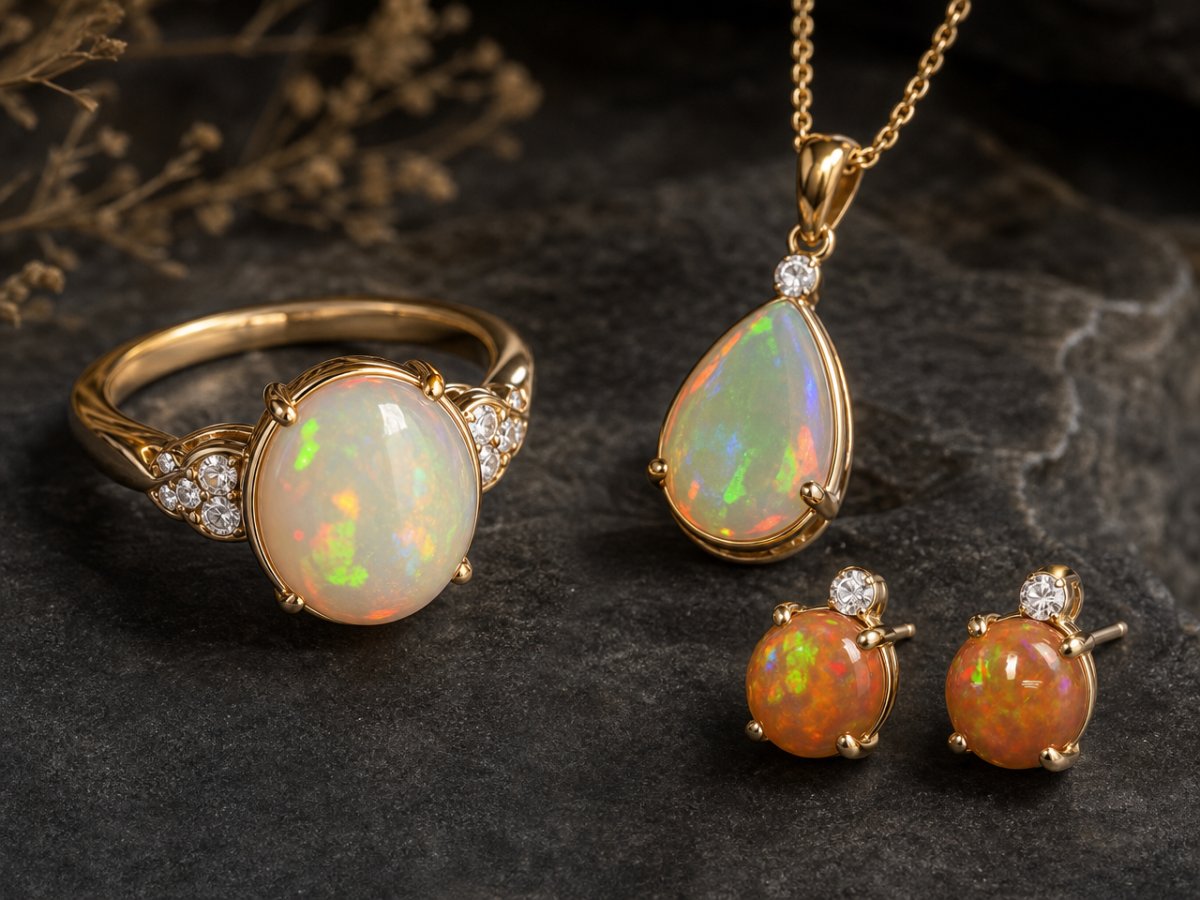
Ethiopian opal is well suited to jewelry that showcases its color while protecting the stone from unnecessary impact. Earrings and rings are among the most popular uses, with necklaces and pendants also excellent choices. Brooches and collector jewelry can work well when the design highlights a distinctive stone.
For rings, consider how often the piece will be worn. Occasional-wear rings can feature more open designs, while frequently worn rings benefit from more protective settings. For earrings, matching exact color patterns can be difficult because each opal is individual, so look for pairs that are harmonious rather than identical.
Practical Buying Checklist
- Choose the look first: Decide whether you prefer a lighter, warmer, darker or strongly multicolor appearance.
- Inspect face-up color: Judge the stone as it will appear in jewelry, not only from one angle.
- Check condition: Avoid obvious cracks, chips or surface damage.
- Review treatment status: Confirm whether the stone is untreated, smoked or dyed.
- Match cut to purpose: Cabochons are classic for opal; faceted stones can suit more contemporary designs.
- Consider the setting: Pendants and earrings are lower-risk; rings and bracelets need more protection and care.
- Buy the individual stone: Ethiopian origin is important, but appearance and suitability should guide the final choice.
Conclusion
A good Ethiopian opal purchase starts with understanding the stone's appearance and ends with choosing a gem that suits the intended jewelry. Focus on color, face-up appeal, cut, condition, treatment disclosure and durability. With sensible expectations and proper care, Ethiopian opal can be a distinctive and rewarding gemstone for jewelry or collection use.