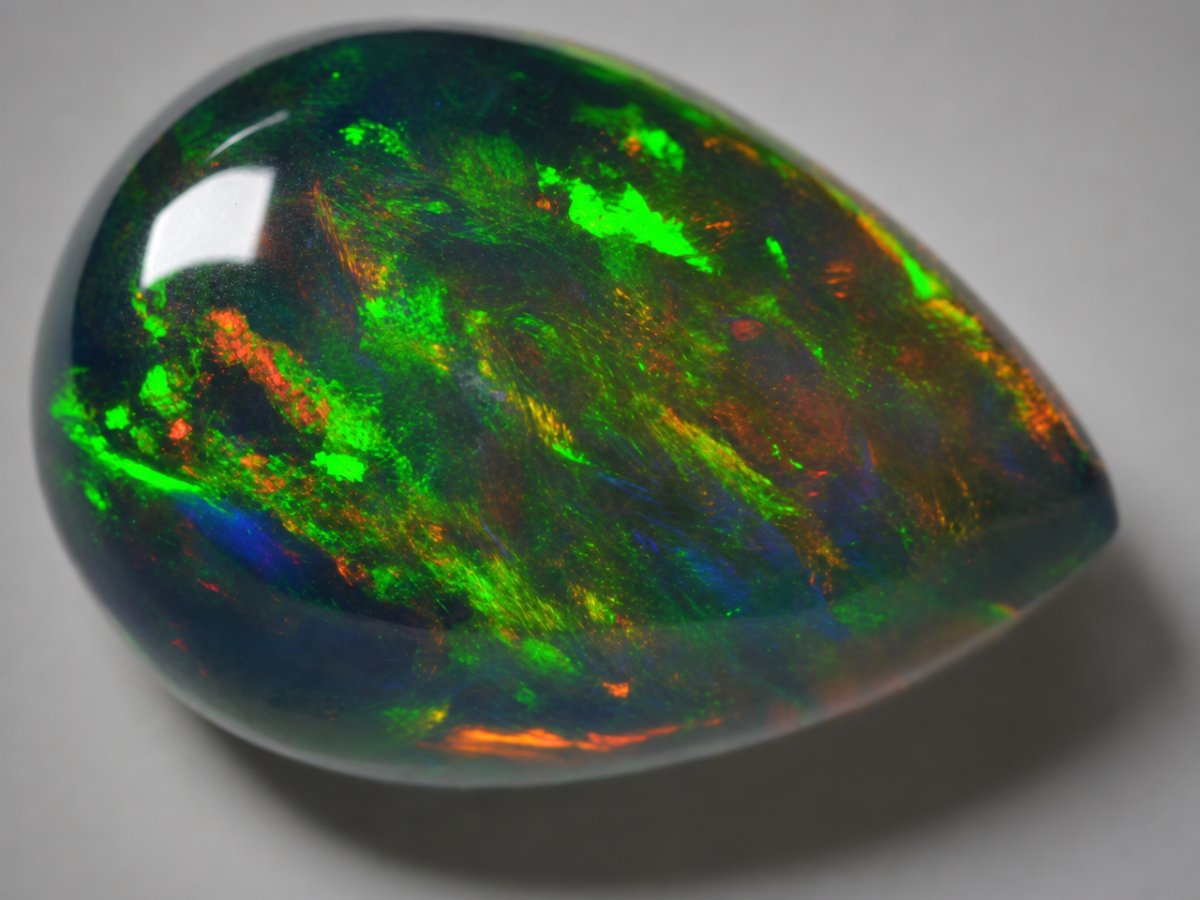


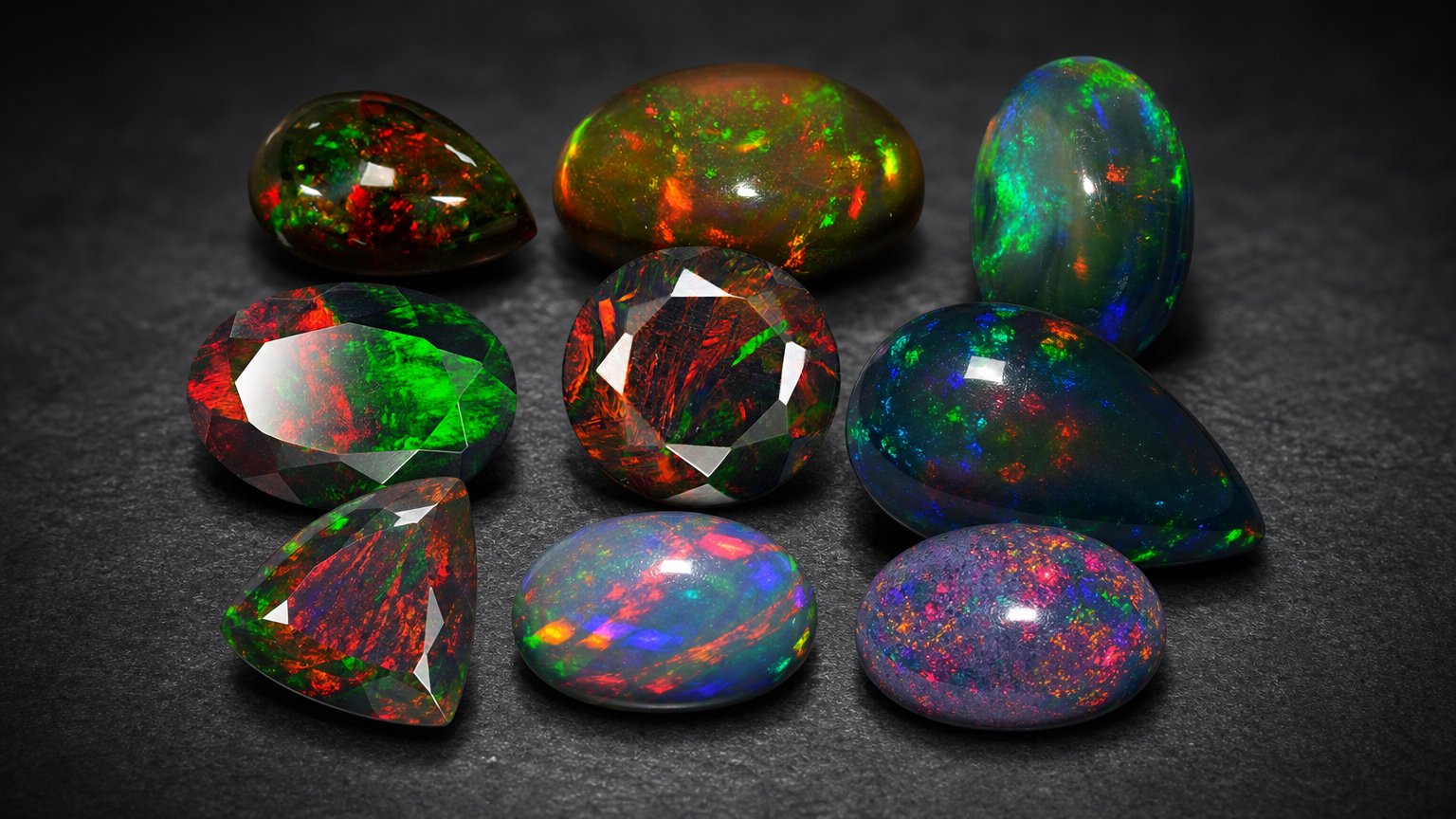
Black opal is one of the most visually distinctive varieties of opal, admired for a dark body appearance that can make its multicolor flashes appear especially vivid. For buyers, the attraction is immediate: every stone looks different, and the best choice is often the one with the most appealing combination of color, pattern, shape and intended use.
This buying guide explains what to look for before purchasing black opal, including color display, cut style, shape, origin, treatments and jewelry suitability. It is written for buyers comparing loose gemstones as well as jewelers and designers selecting stones for rings, pendants, earrings or custom pieces.
What Is Black Opal?
Black opal is a variety of opal. The name is generally used for opal with a dark visual background that shows multicolor flashes. This contrast between a darker base appearance and bright color is the main reason buyers seek black opal for statement jewelry and collector stones.
Unlike many transparent gemstones, black opal is usually valued visually rather than by a simple checklist of standardized color and clarity grades. The stone’s overall appearance matters most: how strong the colors look, how attractively they are arranged, whether the face-up view is pleasing, and whether the cut supports the color display.
Because black opal is an opal, buyers should expect variety from stone to stone. Two gems of the same size and shape may look completely different. This makes careful photo review, video review where available, and clear treatment disclosure especially important.
Color and Appearance: The Main Buying Factor
Color is the first feature most buyers notice in black opal. The verified color description for black opal is multicolor, and that is exactly what makes it so appealing. A single stone may show several colors across its face, and the display can change as the gemstone is moved under light.
Look for a Pleasing Face-Up Display
When judging black opal, focus first on the face-up view, which is the view seen when the gem is set in jewelry. Ask yourself whether the colors are visible without needing to tilt the stone at an extreme angle. A stone that looks attractive from normal viewing angles will usually be more satisfying in jewelry than one that only shows color in a narrow position.
Consider the balance of color across the surface. Some buyers prefer concentrated flashes in one area, while others prefer a more even spread. Neither choice is automatically better for every buyer; the right stone depends on personal taste and design goals.
Pattern and Movement
Pattern is another important visual factor. In black opal, color may appear in patches, streaks, broad areas or smaller flashes. Since each stone is individual, pattern should be judged for beauty and harmony rather than by a rigid rule. A strong, interesting pattern can make a stone feel more lively, especially in a ring or pendant where the gem is viewed up close.
Movement is also worth checking. Opal colors can shift as the stone moves. If you are buying online, multiple images and video can be helpful because a single photograph may not fully show how the colors behave under changing angles.
Cut Styles and Shapes
The most common cut style for black opal is the cabochon. A cabochon has a smooth, polished, domed surface rather than facets. This style is widely used for opal because it can present the gemstone’s color display clearly and gives the cutter flexibility to follow the natural color areas of the material.
Faceted black opal is also available, though it is less central than cabochon cutting. Facets can create a different style of reflection and may appeal to designers looking for a more contemporary look, but buyers should still judge the stone by the visibility and appeal of its multicolor appearance.
Freeform, Oval, Pear, Cushion and Round Shapes
Freeform shapes are especially common and important for black opal. Because opal color often occurs in irregular zones, cutting a freeform shape can preserve attractive color areas and create a one-of-a-kind gemstone. For buyers who enjoy individuality, freeform black opal can be an excellent choice.
Oval and pear shapes are also popular and practical. They work well in rings, pendants and earrings, and they offer a more traditional outline while still allowing the color to remain the focal point. Cushion and round shapes may be chosen for more symmetrical designs, especially when the jewelry setting calls for a balanced or classic appearance.
When comparing shapes, do not judge by outline alone. A slightly irregular but beautifully colored cabochon may be more appealing than a perfectly symmetrical stone with weaker color. For black opal, the cut should serve the color.
Origin: Australia, Ethiopia and Honduras
Origin can be part of the buying conversation for black opal, especially for collectors and buyers who prefer gemstones from a known source. Australia is the most important origin associated with black opal and should be considered the primary origin reference when shopping.
Ethiopia is also associated with black opal and may appear in the market. Ethiopian material can offer attractive multicolor appearances, and buyers should evaluate each stone individually based on color, cut, treatment disclosure and suitability for the intended jewelry design.
Honduras is another known origin, though it is less central in the buying discussion. If origin matters to you, look for clear seller information and documentation where available. However, origin alone should not replace visual assessment. A black opal should still be chosen for the specific stone’s appearance, cut quality and transparency of information.
Clarity and Transparency Considerations
Black opal is usually purchased for its color effect and overall face-up beauty rather than for the kind of clarity expected in transparent faceted gems. Inclusions, natural structure and internal features should be considered in terms of how they affect appearance and durability in a setting.
When reviewing a stone, look for anything that distracts from the multicolor display or creates concern in the intended use. Surface-reaching features, visible cracks or uneven polish may affect both appearance and practicality. For online buying, zoomed photos and clear descriptions help you make a more confident decision.
For jewelry designers, clarity considerations are also practical. A feature hidden near an edge may be covered by a bezel or prong, while a distracting mark in the center of the stone may be more noticeable. Always consider the planned setting before deciding whether a natural feature is acceptable.
Treatments and Disclosure
Treatment disclosure is one of the most important parts of buying black opal. The most important category to look for is untreated black opal. Untreated stones have not been enhanced by treatment and are often preferred by buyers who prioritize natural condition and straightforward disclosure.
Smoked treatment is also associated with black opal. This treatment is used to alter the appearance of opal, typically by darkening the body appearance so the color effect appears against a darker background. If a stone is smoked, it should be clearly disclosed before purchase so the buyer understands what they are buying.
Assembled treatment is another possibility. An assembled opal is constructed from more than one component rather than being a single solid piece throughout. These stones can be attractive and useful in jewelry, but they should be represented accurately. Buyers should ask whether the black opal is solid or assembled if the listing does not make this clear.
Questions to Ask About Treatment
Before buying, confirm the treatment status in plain language. Useful questions include: Is the stone untreated? Has it been smoked? Is it assembled? Is it sold as a solid opal or as a composite construction? Clear answers help prevent misunderstandings and make comparison between stones more meaningful.
At GemSelect, treatment information is an important part of gemstone buying. When comparing black opal listings, review the details carefully rather than relying only on photographs.
Durability and Practical Wear
Black opal is used in several types of jewelry, including rings and engagement rings, so durability planning matters. The best jewelry choice depends not only on the gemstone but also on the setting, the wearer’s habits and how often the piece will be worn.
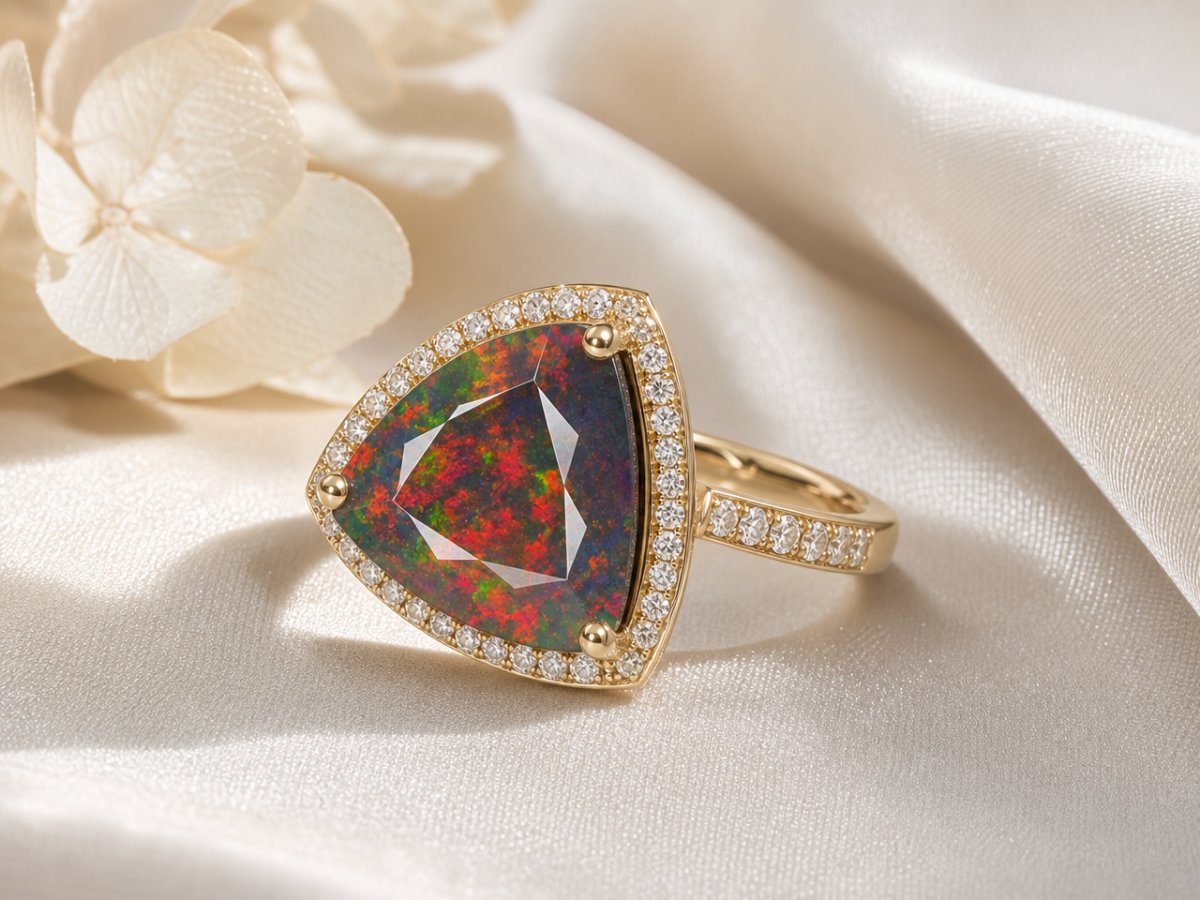
Rings receive more impact than pendants or earrings because hands are exposed to daily contact. If you want a black opal ring, especially an engagement ring, consider a protective setting design. A bezel or well-designed prong setting can help shield edges and reduce the risk of accidental knocks. A higher-profile setting may show the stone beautifully but can also expose it more during wear.
Earrings and pendants are often practical choices for black opal because they usually experience less direct impact than rings. Bracelets require more caution because wrist jewelry can strike hard surfaces during normal movement. Necklaces and pendants allow the color to be displayed prominently while keeping the stone in a relatively protected position.
Jewelry Uses for Black Opal
Black opal is well suited to jewelry where its multicolor appearance can be seen clearly. Rings and engagement rings are among the most important uses, particularly for buyers who want a distinctive alternative to more traditional gems. A black opal center stone can create a highly individual ring, especially when paired with a setting that frames the color without overpowering it.
Pendants are another excellent option because they provide enough surface area to show the play of colors and are easy to position for visual impact. Freeform cabochons can be especially effective in pendant designs, where the natural outline becomes part of the artistic style.
Earrings can work well when stones are matched by size, shape and general color impression. Exact matches may be difficult because black opal is so individual, but complementary pairs can be very attractive. Bracelets and necklaces can also use black opal, although bracelet settings should be designed with extra awareness of impact and wear.
How to Choose a Black Opal: Practical Buying Checklist
1. Start With Color Appeal
Choose a stone that appeals to you immediately. Look for strong multicolor visibility, attractive pattern and a pleasing face-up appearance. Since black opal is highly individual, personal preference plays a large role.
2. Confirm the Cut Supports the Color
Cabochons are the most common and often the most natural-looking choice for black opal. Check that the dome, outline and polish help display the color rather than hide it. Freeform shapes can be excellent when they follow the best color areas.
3. Match the Shape to the Jewelry Design
For rings, ovals, pears, cushions and rounds may be easier to set in standard designs. For custom work, freeform shapes can create a distinctive piece. For earrings, consider how closely the stones need to match.
4. Review Treatment Information
Untreated black opal should be identified as such, and any smoked or assembled treatment should be disclosed. If treatment information is unclear, ask before buying.
5. Consider Origin Without Ignoring Quality
Australia is the leading origin associated with black opal, with Ethiopia and Honduras also known. Origin may matter to collectors, but the individual stone’s appearance and disclosure should remain central.
6. Plan for the Setting
Think about how the stone will be worn. A pendant or earrings may allow more freedom in shape and profile. A ring or engagement ring should be set with protection and everyday wear in mind.
7. Compare Real Measurements, Not Only Carat Weight
For cabochons and freeform stones, measurements are especially useful. Two stones with similar weight may face up differently depending on dome height, outline and proportions. Always review the millimeter size when designing jewelry.
Common Buying Mistakes to Avoid
One common mistake is buying from a single photo without understanding that opal color can change with angle and lighting. Whenever possible, review multiple images or video. Another mistake is assuming all dark-looking opal is untreated black opal. Treatment status matters, so confirm whether the stone is untreated, smoked or assembled.
Buyers may also over-focus on shape symmetry. While symmetry can be important for some designs, black opal often benefits from freeform cutting that preserves color. A non-standard outline can be a strength when it produces a more beautiful gemstone.
Finally, do not choose a stone for an engagement ring without thinking about setting design. Black opal can make a memorable ring, but the mounting should be planned carefully for the wearer’s lifestyle.
Conclusion
Buying black opal is a visual and practical decision. The best stone is one with a multicolor appearance you love, a cut that displays the color well, clear treatment disclosure and a shape suited to your jewelry plans. Cabochon cuts and freeform shapes are especially important, while oval, pear, cushion and round stones provide familiar design options.
Australia is the primary origin associated with black opal, with Ethiopia and Honduras also known. Untreated stones are important to many buyers, but smoked and assembled opals can also appear in the market when properly disclosed. Whether you are choosing a loose gemstone for a collection or a center stone for a ring, careful comparison and clear information will help you buy with confidence.