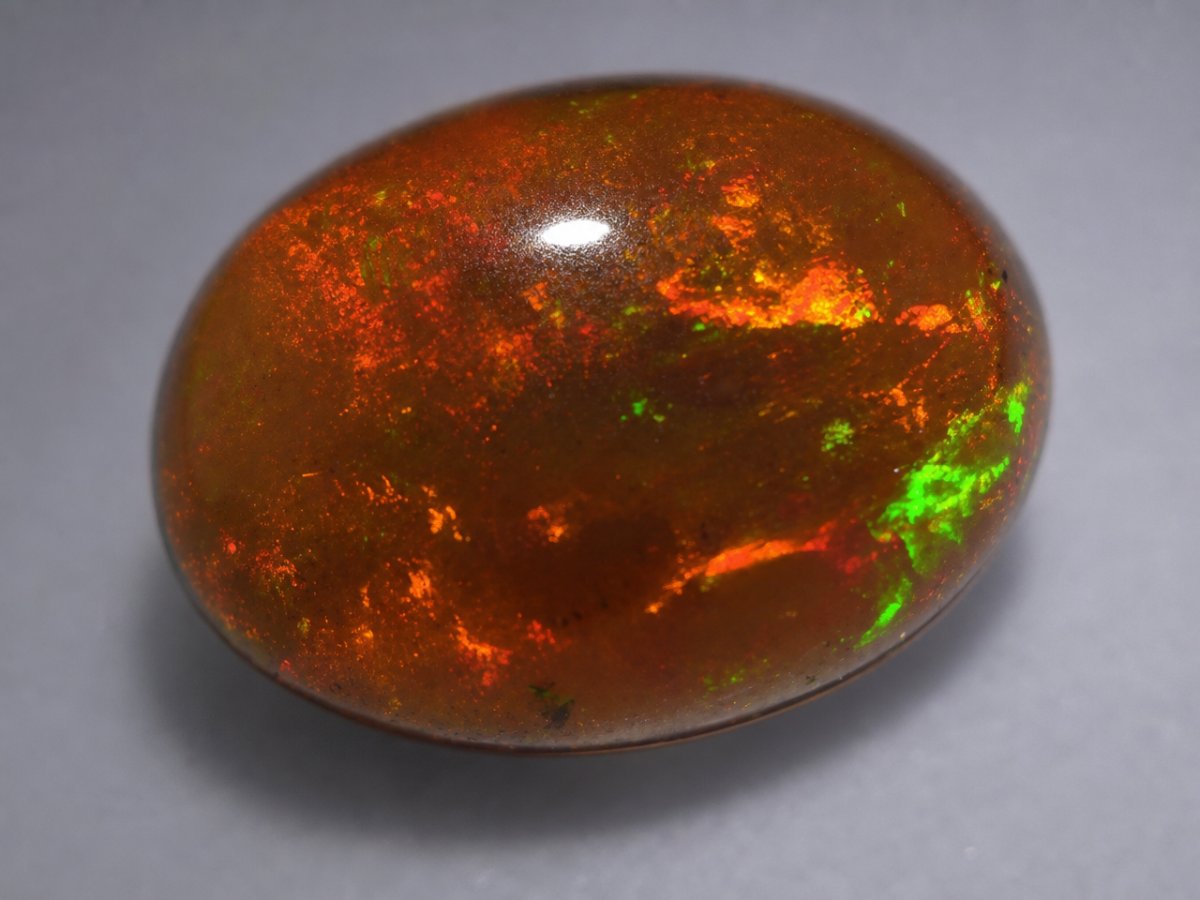


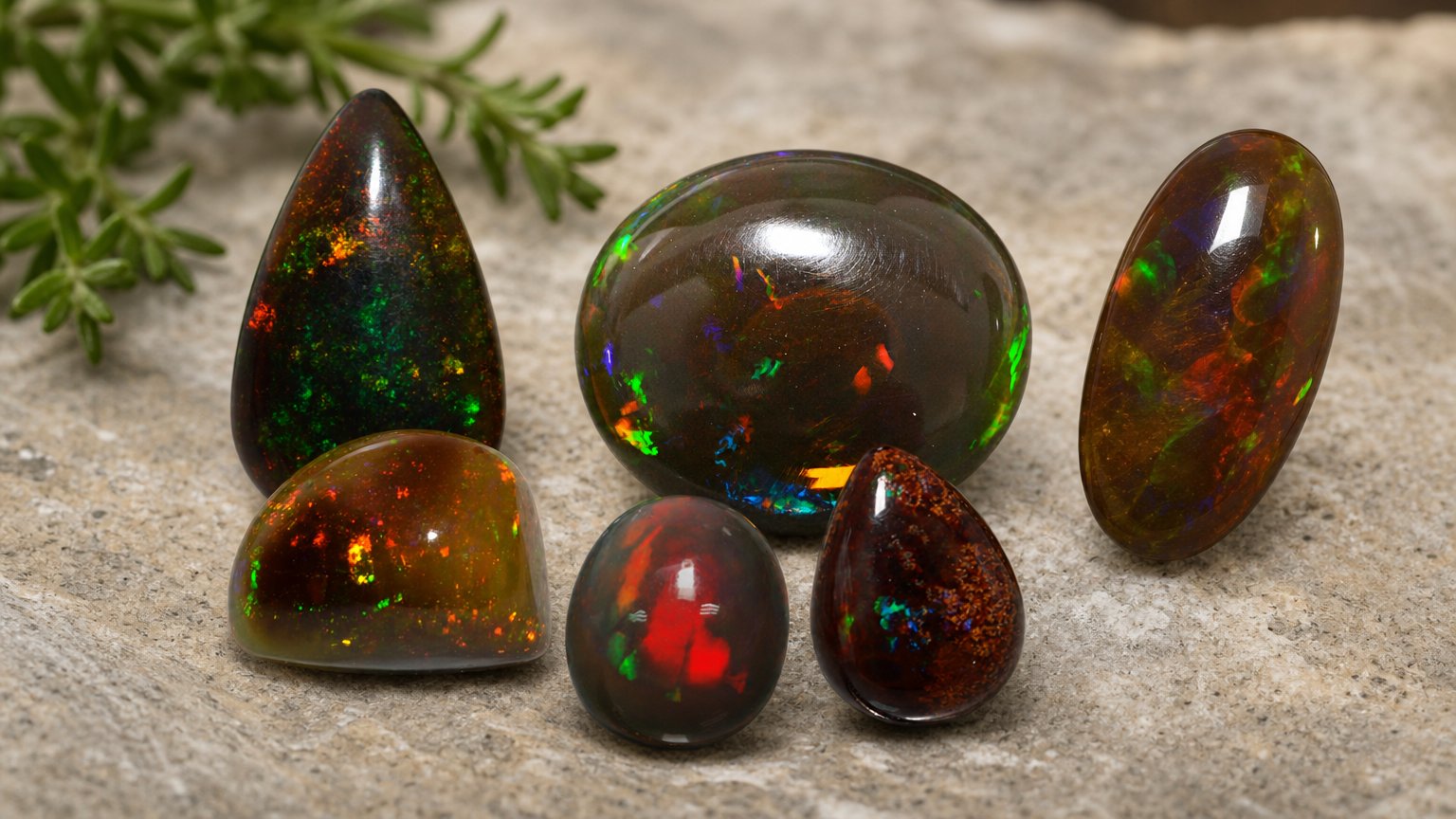
Chocolate Opal is a brown variety of opal valued by buyers who want an earthy, distinctive gemstone with the character of opal and a warmer body color than many traditional opals. When buying Chocolate Opal, the most important decisions are appearance, cut quality, treatment disclosure, durability and how the stone will be used in jewelry.
This guide explains what to look for before purchasing, with practical advice for comparing stones online or in person.
What Is Chocolate Opal?
Chocolate Opal is a variety of opal, with the chemical formula SiO₂·nH₂O. Like other opals, it is amorphous, meaning it does not have a regular crystal structure. Its defining visual feature is its brown body color, which gives the gemstone its "chocolate" name.
Ethiopia is an important source for Chocolate Opal. For buyers, origin can be interesting, but appearance, condition and treatment disclosure should remain the main purchasing factors.
Color and Appearance
Brown is the essential color of Chocolate Opal. When comparing stones, look for a body color that is attractive to you: some buyers prefer a rich, deep brown, while others may like a lighter or warmer tone. Evenness of color can also affect the overall look, especially in simple cabochon jewelry where the surface of the stone is the focus.
Opal is best judged in good lighting and from more than one angle. If a Chocolate Opal shows any optical effects typical of opal, check that they are visible from the viewing angles that matter for your jewelry design. For pendants and rings, face-up appearance is especially important.
Cut, Shape and Size
Chocolate Opal is most commonly cut as a cabochon. A cabochon has a smooth, domed top rather than flat facets, and this style suits opal because it emphasizes body color and surface appearance. When buying a cabochon, check for a pleasing outline, a smooth polish and a dome that is not too flat or uneven.
Oval shapes are especially common, with round shapes also popular. Freeform, pear, trillion and cushion shapes may also be available. Freeform stones can be useful for one-of-a-kind jewelry designs, while calibrated ovals and rounds are often easier to set in standard mountings.
Faceted Chocolate Opal is less common. If choosing a faceted stone, inspect the polish and symmetry carefully, and remember that opal is not purchased for brilliance in the same way as many transparent faceted gems.
Gemological Properties Buyers Should Know
| Gemstone family | Opal |
|---|---|
| Chemical formula | SiO₂·nH₂O |
| Crystal system | Amorphous |
| Mohs hardness | 5-6.5 |
| Refractive index | 1.37-1.52 |
| Specific gravity | 1.98-2.50 |
The hardness range of 5-6.5 is the most relevant property for everyday buyers. Chocolate Opal can be used in jewelry, but it needs more care than harder gemstones. This matters most for rings and bracelets, which are more exposed to knocks and abrasion.
Durability and Jewelry Suitability
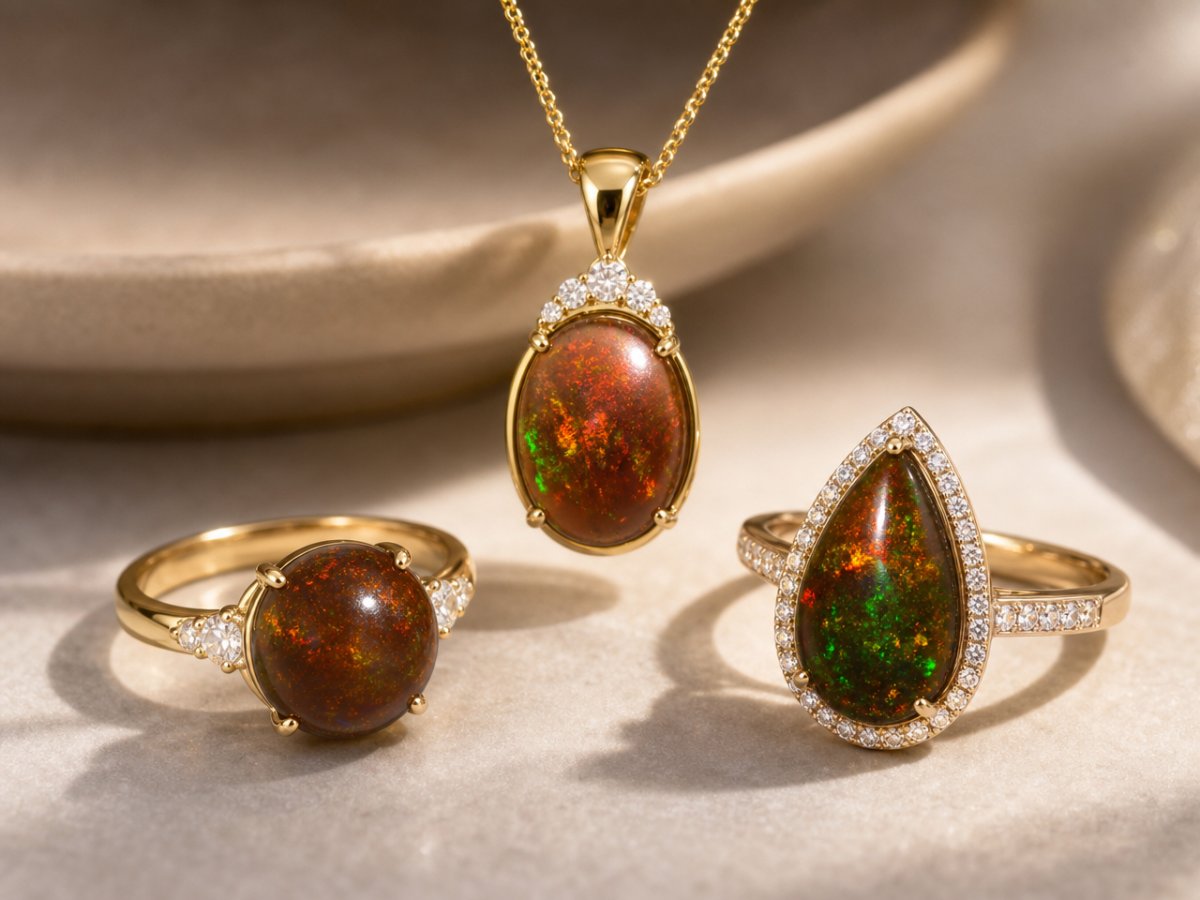
Chocolate Opal is suitable for pendants, necklaces and rings, and it can also be used in bracelets and fashion rings when the design offers sensible protection. Pendants and necklaces are often lower-risk choices because they experience less impact than hand jewelry.
For rings, choose settings that help protect the stone, especially if the ring will be worn often. Bezels or protective designs are practical options for cabochons. Bracelets should be worn with extra care because they are more likely to strike hard surfaces.
For care, clean Chocolate Opal gently with a soft cloth and mild soapy water when needed. Avoid harsh chemicals, hard knocks and rough handling. Ultrasonic or steam cleaning is not recommended for opal jewelry.
Treatments and Disclosure
Chocolate Opal is commonly available untreated, and untreated stones are straightforward to understand when the appearance is natural and clearly disclosed. Smoked treatment is also known for this gemstone and should be disclosed by the seller.
From a buyer's point of view, treatment is not automatically a problem, but it should be transparent. Before purchasing, check the product description for treatment information and ask for clarification if it is not clear. At GemSelect, treatment disclosure is an important part of helping buyers compare gemstones confidently.
How to Choose a Chocolate Opal
1. Start with the color you want
Choose a brown tone that suits the jewelry style. Richer brown stones can create a strong focal point, while softer brown tones may work well in understated designs.
2. Inspect the surface and polish
Because cabochons are common, the surface finish matters. Look for a smooth dome, good polish and a shape that appears balanced from the front.
3. Match the cut to the setting
Oval and round cabochons are practical for many jewelry designs. Freeform shapes are attractive for custom pieces but may require a custom setting.
4. Consider how often the jewelry will be worn
For occasional wear, Chocolate Opal can be used in a wider range of designs. For frequent wear, pendants and protected ring settings are more practical than exposed bracelet designs.
5. Confirm treatment information
Look for clear disclosure such as untreated or smoked treatment. This helps you compare stones fairly and choose according to your preference.
Summary
Chocolate Opal is best chosen for its warm brown color, attractive cabochon shape and distinctive opal character. Prioritize appearance, polish, treatment disclosure and jewelry suitability. With thoughtful setting choices and careful wear, it can be a beautiful option for pendants, necklaces, rings and fashion jewelry.