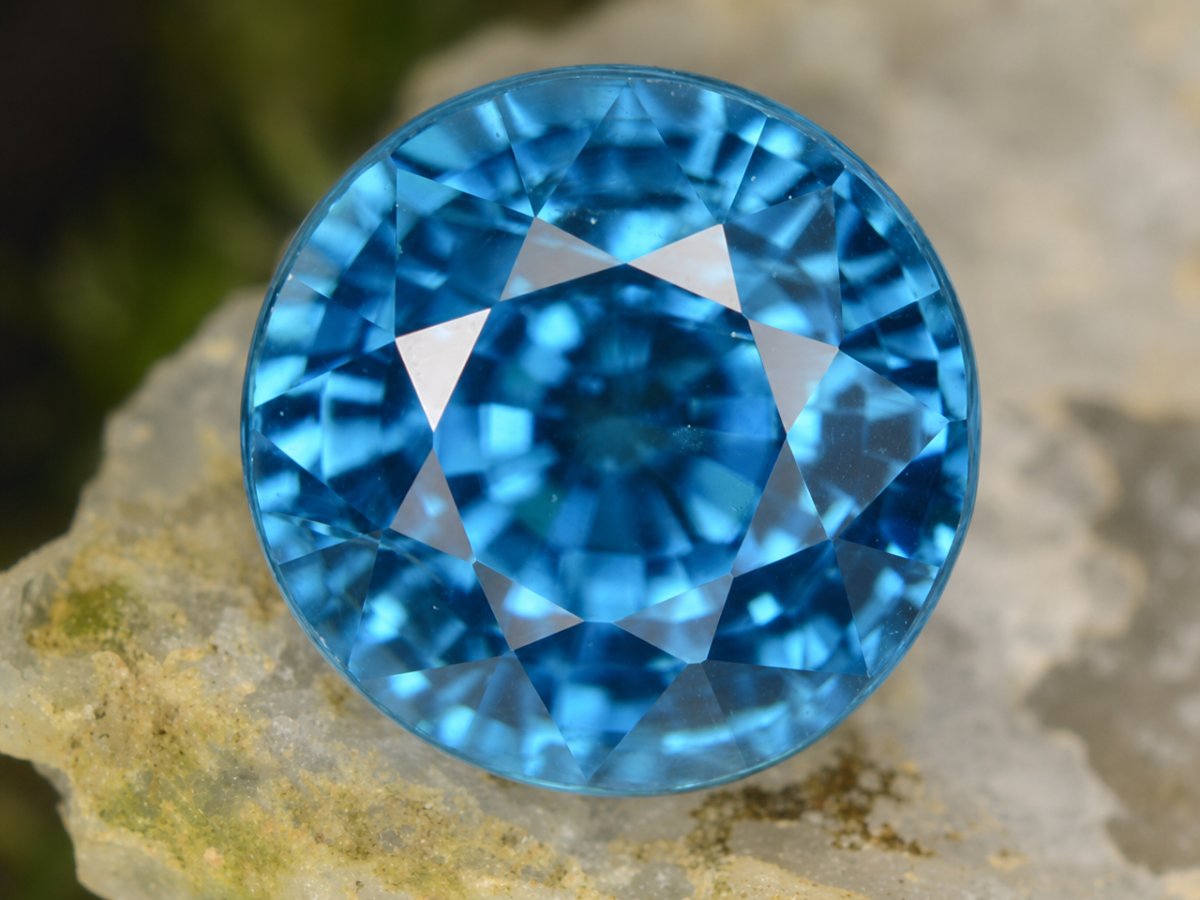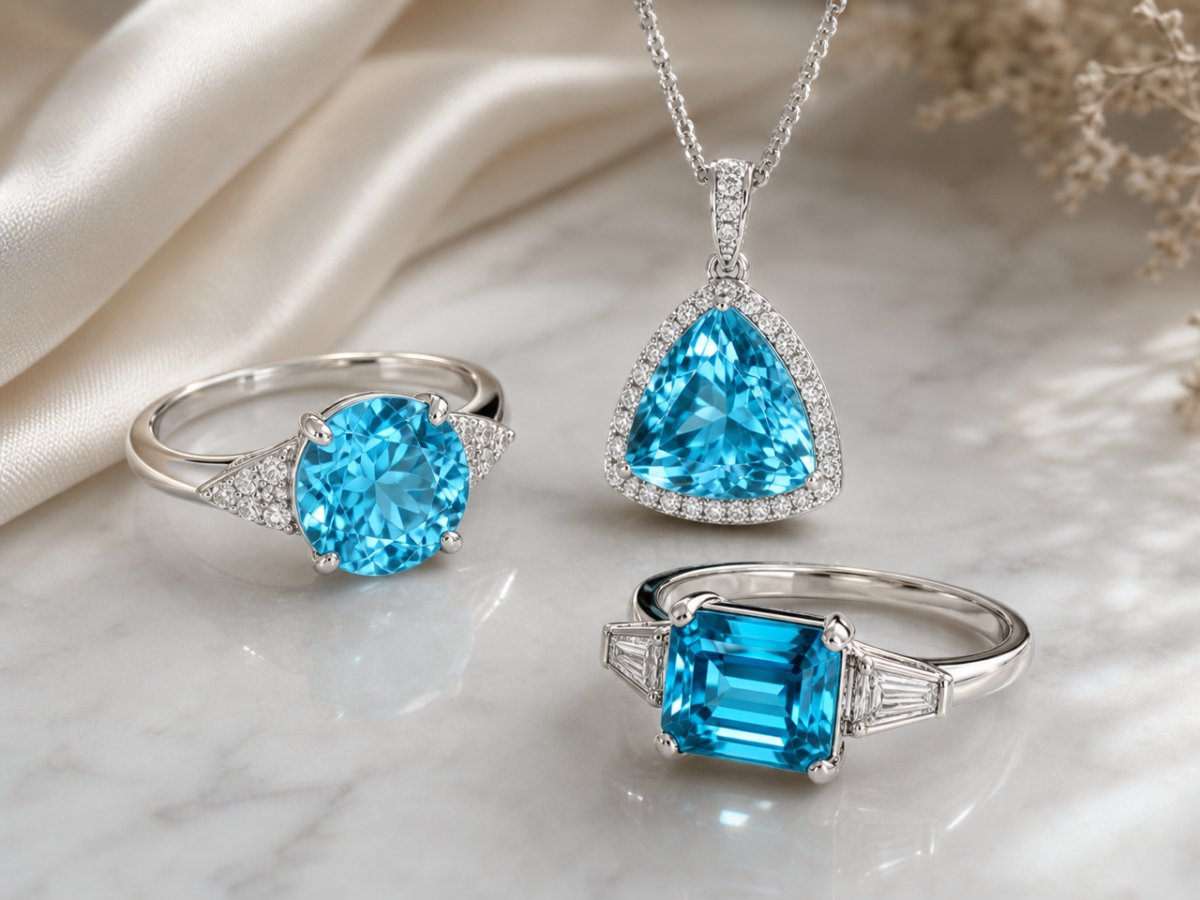


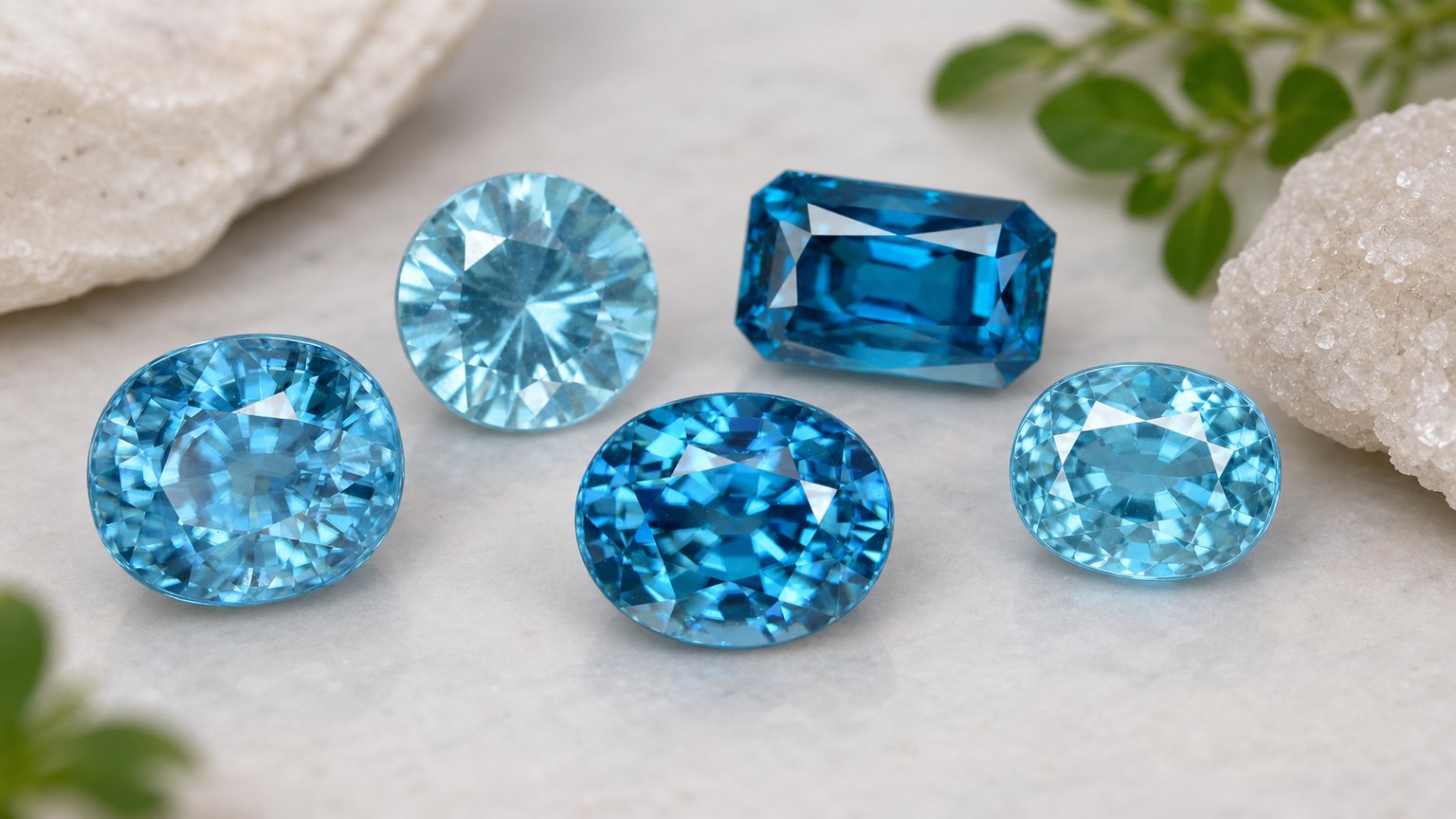
Blue zircon is a blue variety of zircon best known today for its bright color and its place among December birthstones. Its meaning is shaped by two main ideas: the broader tradition of zircon as a gemstone, and the symbolic language commonly attached to blue gems.
As a meaning and history subject, blue zircon is best understood with some care. Not every modern belief attached to the stone is ancient, and not every mining origin creates a cultural tradition. This guide focuses on supported associations, especially its identity as zircon, its December birthstone role, its blue color symbolism and its modern importance in the gemstone market.
What Is Blue Zircon?
Blue zircon is a blue form of the mineral species zircon. It should be understood as a natural gemstone variety within the zircon family, not as a separate gem species. The name "blue zircon" describes its color and gem identity together: zircon is the gem family, while blue is the defining visual feature.
Because blue is the only color association relevant here, the stone's symbolism is strongly tied to the way blue gems are viewed in modern jewelry and gift traditions. Blue gemstones are commonly associated with calmness, clarity, trust and sincerity. These are symbolic meanings rather than scientific properties, but they help explain why blue zircon is often chosen for thoughtful gifts and December birthstone jewelry.
Blue Zircon Meaning and Symbolism
The most widely supported symbolic role for blue zircon is its association with December. As a December birthstone, it is commonly used to represent people born in that month and is often given for birthdays, seasonal celebrations and personal milestone gifts.
In modern gemstone symbolism, blue zircon can suggest freshness, clear communication and emotional steadiness because of its blue color. These meanings come from general color symbolism and contemporary gem traditions, not from proven physical effects. For many buyers and collectors, the appeal is personal: blue zircon offers a vivid blue identity within the historic zircon gem family.
Some people also value blue zircon because it combines a classic gemstone name with a distinctive modern look. This gives it a meaning that feels both traditional and current: connected to the long-recognized zircon family, yet especially appreciated today for its blue appearance.
December Birthstone Significance
Blue zircon is associated with December, making it one of the gems people commonly consider for December birthstone jewelry and gifts. Birthstones carry meaning because they link a gemstone to a month, a personal date and often a family or life event.
For December, blue zircon's cool color also fits naturally with winter-season symbolism in many contemporary settings. Its blue appearance can evoke themes of reflection, quiet celebration and renewal at the end of the year. These are modern interpretive associations, but they align well with the way birthstones are used today: as personal symbols rather than only decorative gems.
History and Modern Identity
The historical identity of blue zircon is closely tied to zircon as a gem family. Blue zircon is not best described as an ancient cultural symbol on its own unless a specific tradition is documented. Instead, its importance today comes from being a recognized blue variety of zircon and from its accepted role as a December birthstone.
A major part of blue zircon's modern story is treatment. Heat treatment is common for blue zircon, while untreated material also exists. This matters historically because it shows how modern gemstone practices helped make blue zircon more available and recognizable as a blue gem. In a meaning guide, the key point is not technical treatment detail, but context: many blue zircons seen in jewelry and collections today belong to a modern gem tradition where color, cutting and presentation shape how the stone is appreciated.
This does not reduce its symbolic value. Birthstone traditions, personal gift meanings and gemstone preferences often develop around the stones people actually encounter and wear. Blue zircon's modern popularity is therefore part of its cultural story.
Geographic Origins and Cultural Context
Important sources for blue zircon include Cambodia, Madagascar and Vietnam. Blue zircon is also associated with origins such as Myanmar, Sri Lanka and Tanzania. These locations are important in understanding the gemstone's supply and modern identity.
It is important, however, not to confuse origin with cultural symbolism. A gemstone may be mined or traded in a country without having a documented ceremonial or religious meaning there. For blue zircon, the supported cultural associations are strongest in modern birthstone and gemstone-gift traditions rather than in a specific ancient civilization or ritual practice.
Folklore, Belief and Responsible Interpretation
Like many gemstones, blue zircon may be discussed in modern spiritual or crystal traditions. When this happens, the stone is often interpreted through the symbolism of its blue color and its birthstone connection. Such meanings are personal or traditional beliefs, not medical or scientific facts.
A responsible way to approach blue zircon meaning is to separate three things: documented gem identity, established gift tradition and personal symbolism. Its documented identity is as a blue variety of zircon. Its established tradition includes December birthstone use. Its personal symbolism may include calm, clarity, loyalty or renewal, depending on the wearer's own interpretation.
How Blue Zircon Is Viewed Today
Today, blue zircon is appreciated as a distinctive blue gemstone with a meaningful birthstone role. For collectors and gemstone enthusiasts, it offers a connection to the zircon family. For gift buyers, it provides a December association with a bright blue appearance. For jewelry designers, its meaning can be expressed through color, occasion and personal story rather than through unsupported legends.
GemSelect customers often look for gemstones that combine beauty with a clear personal meaning. Blue zircon fits that purpose well when chosen as a December birthstone, a blue symbolic gem or a natural zircon variety with modern appeal.
Conclusion
Blue zircon's meaning is grounded in its identity as blue zircon and its role as a December birthstone. Its symbolism is strongest when understood through modern birthstone tradition and the general meanings attached to blue gems, such as calmness, sincerity and clarity. While blue zircon does not need invented ancient legends to be meaningful, it has a clear place in today's gemstone culture as a personal, seasonal and visually distinctive gem.