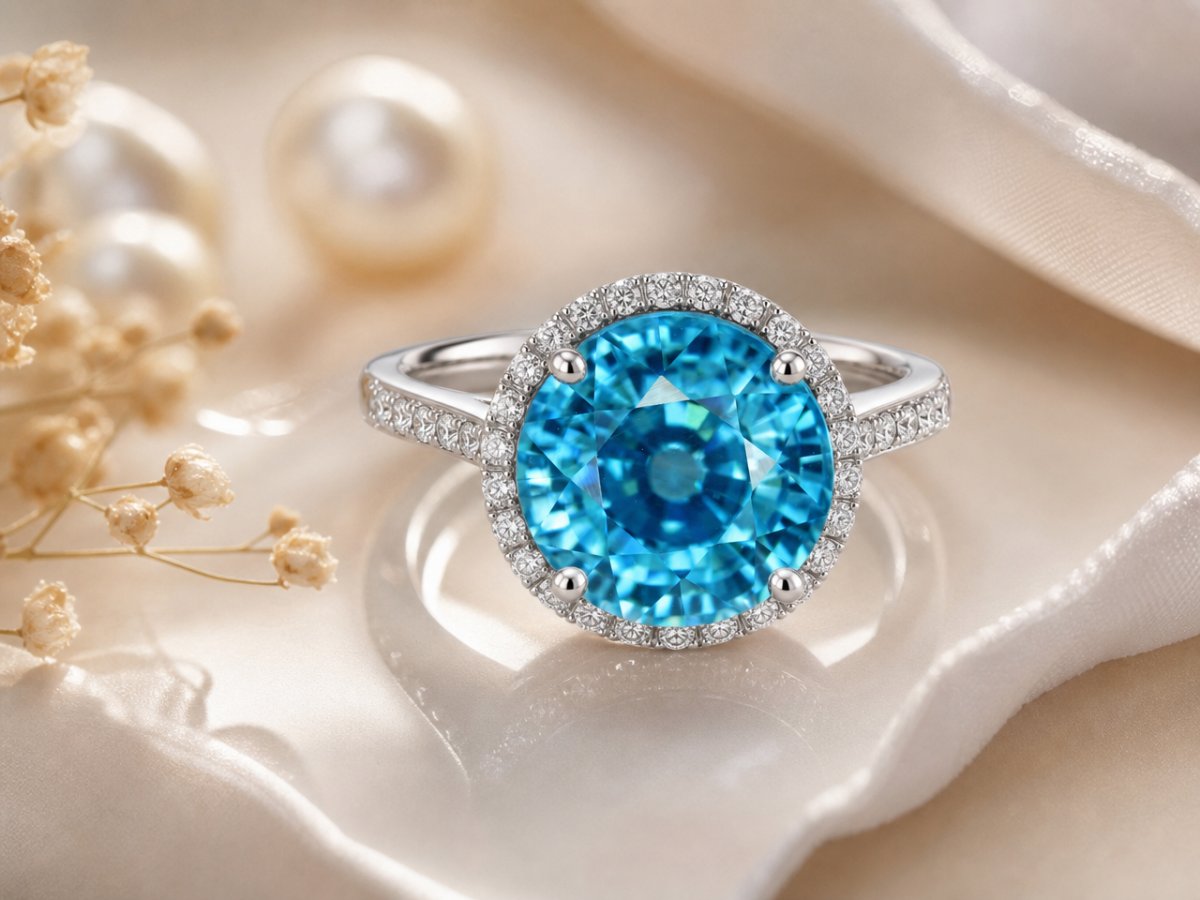


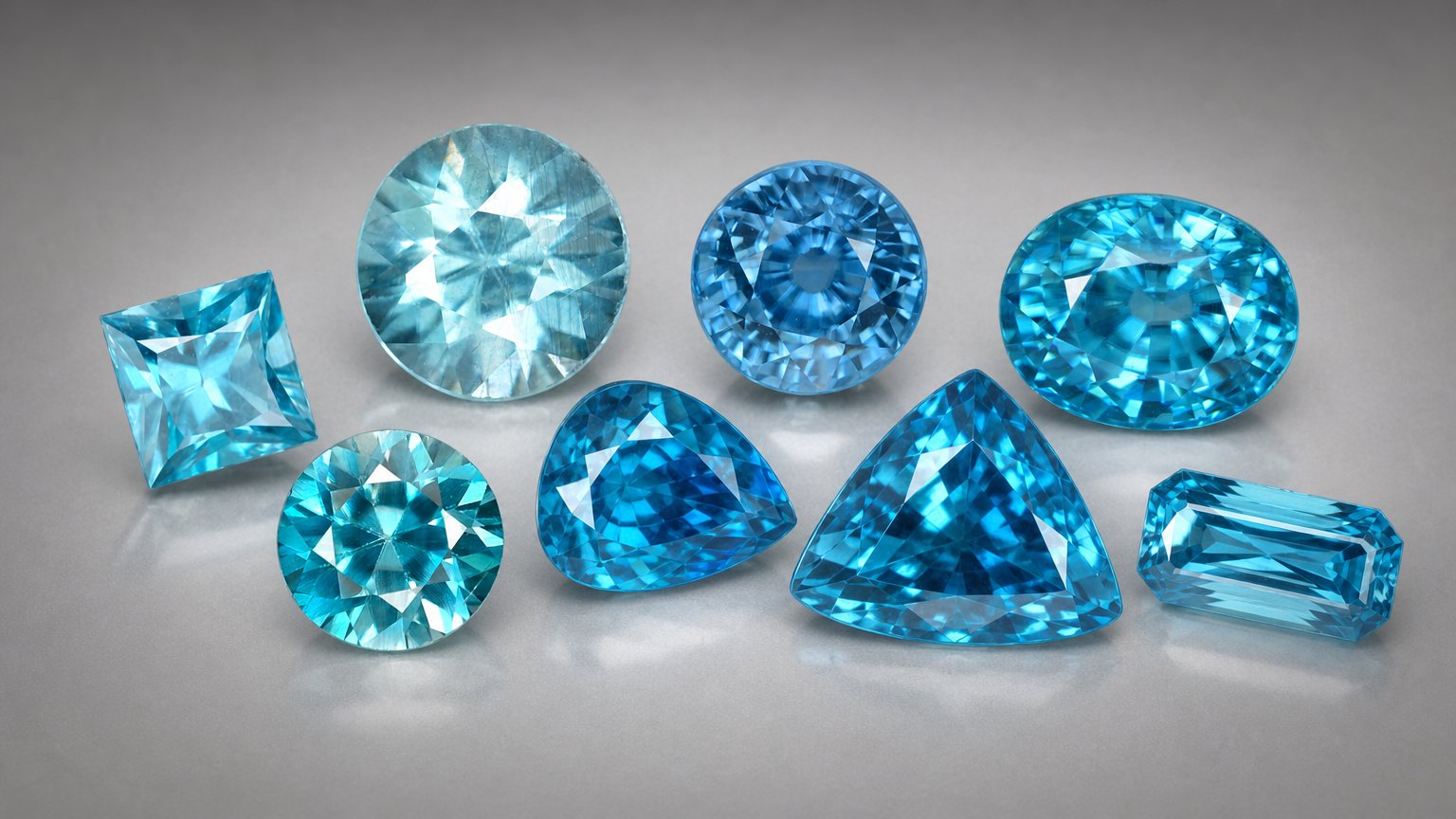
Blue zircon is a natural blue gemstone variety of zircon and is also associated with December as a birthstone. For buyers, its appeal is straightforward: a true blue gem with a long-standing place in the colored stone trade, available as faceted gems for jewelry, collecting and custom design. The most important step when buying blue zircon is to evaluate the stone as an individual gemstone, not just by name. Color, clarity, cutting quality, size, treatment disclosure and suitability for the intended jewelry design all matter.
This guide explains what to look for before purchasing blue zircon, including how to compare color, what origin information can and cannot tell you, how heat treatment should be disclosed, and how to choose a stone that suits your design or collection. It is written for buyers who want practical, trustworthy guidance rather than vague grading claims.
What Is Blue Zircon?
Blue zircon is a blue variety of the mineral species zircon. It should not be confused with cubic zirconia, which is a different material. The similarity in names can lead to misunderstandings, so buyers should always check that a listing clearly identifies the gemstone as natural zircon and specifies the color variety as blue zircon when appropriate.
For jewelry buyers, jewelers and designers, the distinction is important because gemstone identity affects expectations about appearance, treatment, care and disclosure. A reputable seller should provide clear product information and should not rely on the word “zircon” alone if the buyer may confuse it with a simulant or a different gem material.
Color and Appearance: What to Look For
Color is the first feature most buyers notice in blue zircon. Since blue is the defining color for this variety, the buying decision often begins with personal preference: do you want a lighter, brighter blue appearance, a deeper blue presence, or a balanced tone that works well in a particular setting?
When comparing blue zircon, look at three general color factors:
- Hue: the basic color impression. For blue zircon, the main visible color should read as blue.
- Tone: how light or dark the stone appears. A very light stone may look delicate, while a darker stone may appear more dramatic.
- Saturation: how strong or vivid the blue appears. A more saturated stone can look lively, while a softer blue may be preferred for subtle designs.
Color should be judged in the type of lighting where the gemstone will be worn or viewed. A gem photographed under bright studio lights may appear different in office lighting, warm indoor light or daylight. If buying online, review the images carefully, read the written description and compare the stone’s measurements and carat weight rather than relying on photos alone.
Matching Blue Zircon for Jewelry
If you are buying multiple stones for earrings, side stones or a matched suite, pay close attention to color consistency. Two blue zircons can both be attractive but may differ in tone or saturation when placed side by side. For pairs and layouts, matching face-up color is often more important than matching carat weight exactly.
For a single center stone, choose the color that best fits the design. A blue zircon intended for a simple solitaire setting may benefit from a clean, balanced face-up color, while a stone used in a more decorative design can be selected to harmonize with metal color and accent gems.
Clarity Considerations
Clarity describes how free a gemstone appears from internal features or surface-reaching characteristics when viewed face-up. In practical buying terms, most shoppers are concerned with whether inclusions are distracting to the unaided eye and whether they affect the overall beauty of the stone.
When evaluating blue zircon clarity, begin with the face-up view. If a gemstone looks clean and attractive in normal viewing conditions, minor features seen under magnification may not matter for most jewelry purposes. However, visible inclusions, chips or surface damage can affect appearance and should be considered carefully, especially in larger stones or stones intended for prominent ring settings.
For online purchases, use available photos, videos and written descriptions. If clarity is important for your project, ask the seller whether the stone is eye-clean, whether any inclusions are visible face-up, and whether the gem has any condition issues that should be considered before setting.
Cut and Shape: Why Cutting Quality Matters
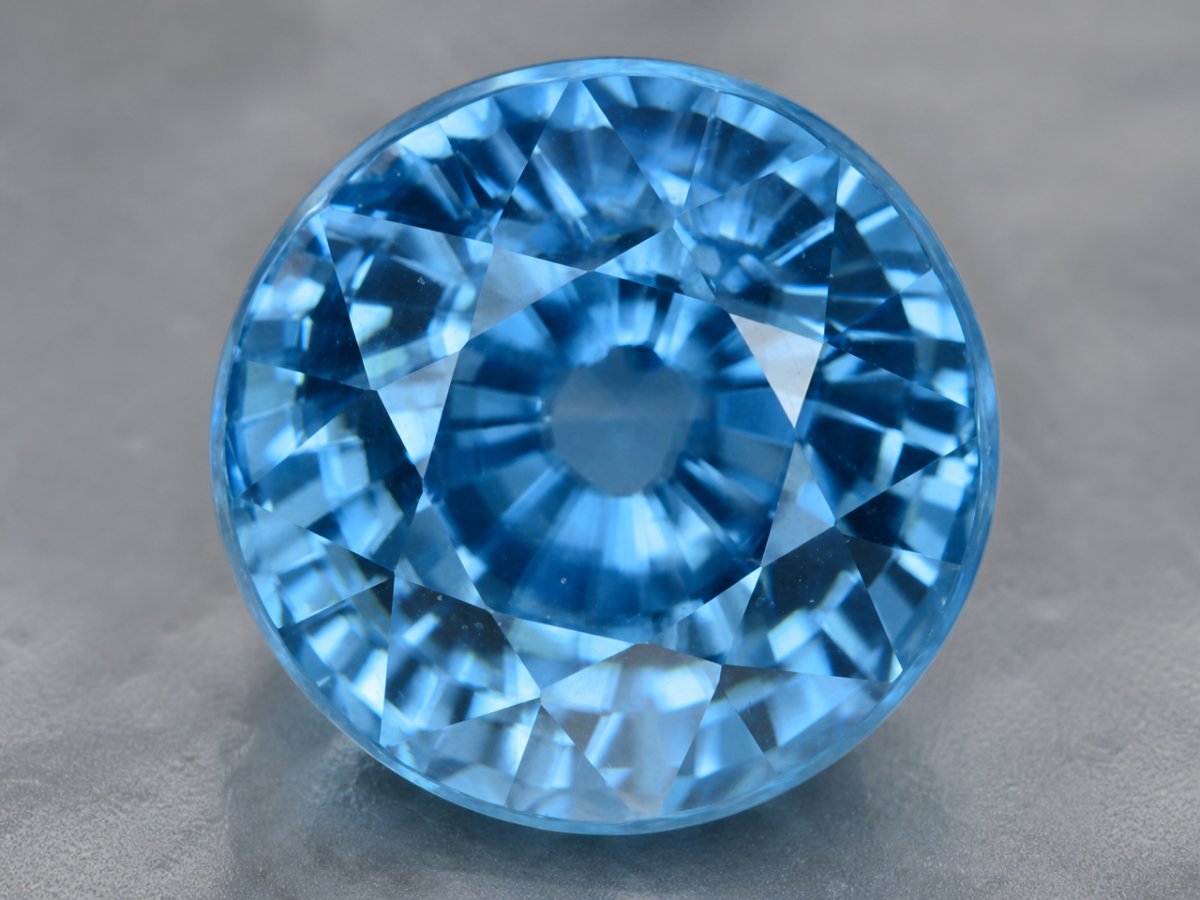
Cut has a major effect on how a blue zircon looks once set in jewelry. Even when two stones have similar color, the better-cut stone may appear more balanced and appealing. Cutting quality is not only about shape; it includes symmetry, proportions, polish and how evenly the gem displays its color.
Common buying checks include:
- Face-up appearance: Does the stone look lively and balanced, or does it have distracting dark or washed-out areas?
- Symmetry: Are the outline and facet arrangement even?
- Proportions: Does the stone face up well for its carat weight, or does it look unusually small or deep?
- Finish: Are there visible scratches, chips or poorly polished facets?
Shape is mostly a matter of design preference. Round, oval, cushion, emerald-cut, pear and other faceted shapes may each suit different jewelry styles. For rings, consider how the outline will be protected by the setting. For pendants and earrings, design flexibility is usually broader because those pieces are typically exposed to less direct impact than rings.
Size, Carat Weight and Measurements
Carat weight tells you how much a gemstone weighs, but measurements tell you how large it will appear in jewelry. When buying blue zircon, especially for a calibrated setting or a custom mounting, always check the millimeter dimensions as well as carat weight.
A well-proportioned stone should offer a pleasing face-up size for its weight. A gemstone that is cut very deep may carry more weight below the girdle and appear smaller from the top. A stone cut too shallow may show weaker areas in the face-up view. Because each gem is individual, compare both the dimensions and the visual presentation before choosing.
For replacement stones or ready-made settings, measurements are critical. A jeweler will need length, width and depth to determine whether the stone can be set securely. For custom jewelry, measurements help the designer plan the setting style, stone orientation and accent gem layout.
Treatments: Heat-Treated and Untreated Blue Zircon
Treatment disclosure is one of the most important parts of buying blue zircon. According to the verified gemstone information for blue zircon, heat treatment is a common treatment, while untreated stones also exist. A buyer should not assume a stone is untreated unless that is clearly stated by the seller.
Heat treatment is used in the gemstone trade for many colored stones, and the key buying issue is transparency. A properly described gemstone listing should make treatment status clear. If a stone is sold as untreated, the seller should be able to support that description with appropriate disclosure practices and, when necessary for a higher-value purchase, documentation.
Before purchasing, ask these questions:
- Is the blue zircon heat treated or untreated?
- Is treatment status clearly stated on the invoice or product description?
- If the stone is sold as untreated, is any supporting documentation available?
- Does the treatment disclosure affect how the seller recommends caring for or setting the stone?
For many buyers, a disclosed heat-treated blue zircon can be a perfectly suitable choice. For collectors or buyers who specifically prefer untreated gemstones, the distinction should be made before purchase, not after the stone has been set.
Origin: What It Means When Buying Blue Zircon
Blue zircon is associated with several important origins, including Cambodia, Madagascar and Vietnam. Other known origins include Myanmar, Sri Lanka and Tanzania. Origin can be useful information for collectors and for buyers who enjoy the story behind a gemstone, but it should not replace direct evaluation of the individual stone.
A blue zircon from a recognized origin is not automatically better than another stone. Color, clarity, cut, size, condition and treatment disclosure remain the main practical buying factors. If origin is important to you, ask whether the seller provides origin information and whether it is based on supplier disclosure, gemological documentation or general trade knowledge.
For most jewelry purchases, it is best to prioritize the gemstone’s appearance and suitability for the design. For collecting, origin may carry more personal significance, especially when building a collection organized by locality.
Durability and Jewelry Use
Before setting any gemstone, buyers should consider how and where it will be worn. Blue zircon is a faceted gemstone used in jewelry, but good jewelry design and sensible care are still important. Rings, especially everyday rings, expose gems to more knocks and abrasion than pendants, earrings or occasional-wear pieces.
If you plan to use blue zircon in a ring, discuss the setting with a qualified jeweler. Protective design elements such as secure prongs, bezels or settings that shield vulnerable edges may be appropriate depending on the stone’s shape and the wearer’s lifestyle. Pear, marquise and other pointed shapes often require careful setting protection at their tips, which is a general jewelry design consideration for faceted gemstones.
For earrings and pendants, blue zircon can be an attractive option because those jewelry types usually experience less impact. For bracelets, extra caution is sensible because wrist jewelry is frequently exposed to contact with hard surfaces.
Care Tips for Blue Zircon Jewelry
Care advice should always follow the seller’s and jeweler’s recommendations for the specific stone and setting. As a practical general approach, store blue zircon jewelry separately from harder or sharp-edged jewelry items, avoid wearing it during rough activity, and clean it gently using methods appropriate for the finished piece. If a gemstone has already been set, cleaning recommendations should take the metal, accent stones and setting construction into account as well.
How to Buy Blue Zircon Online
Buying blue zircon online can be straightforward when the listing provides enough information. At minimum, look for clear photos, accurate measurements, carat weight, shape, treatment disclosure and any available origin information. A concise but complete listing helps you compare stones objectively.
When browsing blue zircon at GemSelect or any specialist gemstone seller, compare stones by the factors that matter for your project. For a ring center stone, measurements, face-up color and condition may be especially important. For earrings, matched size and color may matter more. For a collector, treatment status and origin information may play a larger role.
Use the following checklist before purchase:
- Confirm the gem is blue zircon, a variety of zircon.
- Review the blue color in photos and written description.
- Check carat weight and millimeter measurements.
- Look for clarity and condition information.
- Assess whether the cut and shape suit your design.
- Confirm whether the stone is heat treated or untreated.
- Consider origin information if it is important to you.
- Ask a jeweler whether the stone and setting choice are appropriate for the intended jewelry use.
Blue Zircon as a December Birthstone
Blue zircon is associated with December, making it a meaningful choice for birthstone jewelry. When buying a December birthstone gift, consider the recipient’s style and how often the jewelry will be worn. Earrings, pendants and occasional-wear rings are common gift formats for colored gemstones, but the final design should match the wearer’s habits and preferences.
For a birthstone gift, treatment disclosure is still important. A heat-treated gemstone should be described as such, and an untreated stone should be identified clearly if that is part of the gift’s appeal. If the jewelry is being custom made, allow time for the jeweler to confirm measurements and setting suitability.
Common Buying Mistakes to Avoid
Confusing Zircon with Cubic Zirconia
Blue zircon is a natural zircon gemstone variety, not cubic zirconia. Always read the listing carefully and buy from a seller that clearly identifies the material.
Judging by Carat Weight Alone
Carat weight does not tell the whole story. Measurements, cut proportions and face-up appearance are essential for understanding how the stone will look in jewelry.
Ignoring Treatment Disclosure
Heat treatment is common for blue zircon, and untreated stones also exist. Treatment status should be disclosed clearly before purchase.
Overvaluing Origin Without Looking at the Stone
Origin can be interesting, but it should not outweigh the gemstone’s visible qualities and suitability for your intended use.
Choosing a Setting Without Considering Wear
A beautiful gemstone still needs an appropriate setting. Discuss ring, pendant, earring or bracelet use with a jeweler so the design supports secure and practical wear.
Conclusion: Choosing the Right Blue Zircon
The best blue zircon for you is the one that combines appealing blue color, suitable clarity, good cutting, appropriate size, clear treatment disclosure and a design-ready shape. Cambodia, Madagascar and Vietnam are among the important origins associated with blue zircon, with Myanmar, Sri Lanka and Tanzania also known sources, but origin should be considered alongside the qualities of the individual gem.
For most buyers, the most confident purchase comes from comparing several stones, reading the details carefully and asking questions before committing. Whether you are selecting a December birthstone, a custom jewelry center stone or a gem for a collection, clear information is your strongest buying tool.