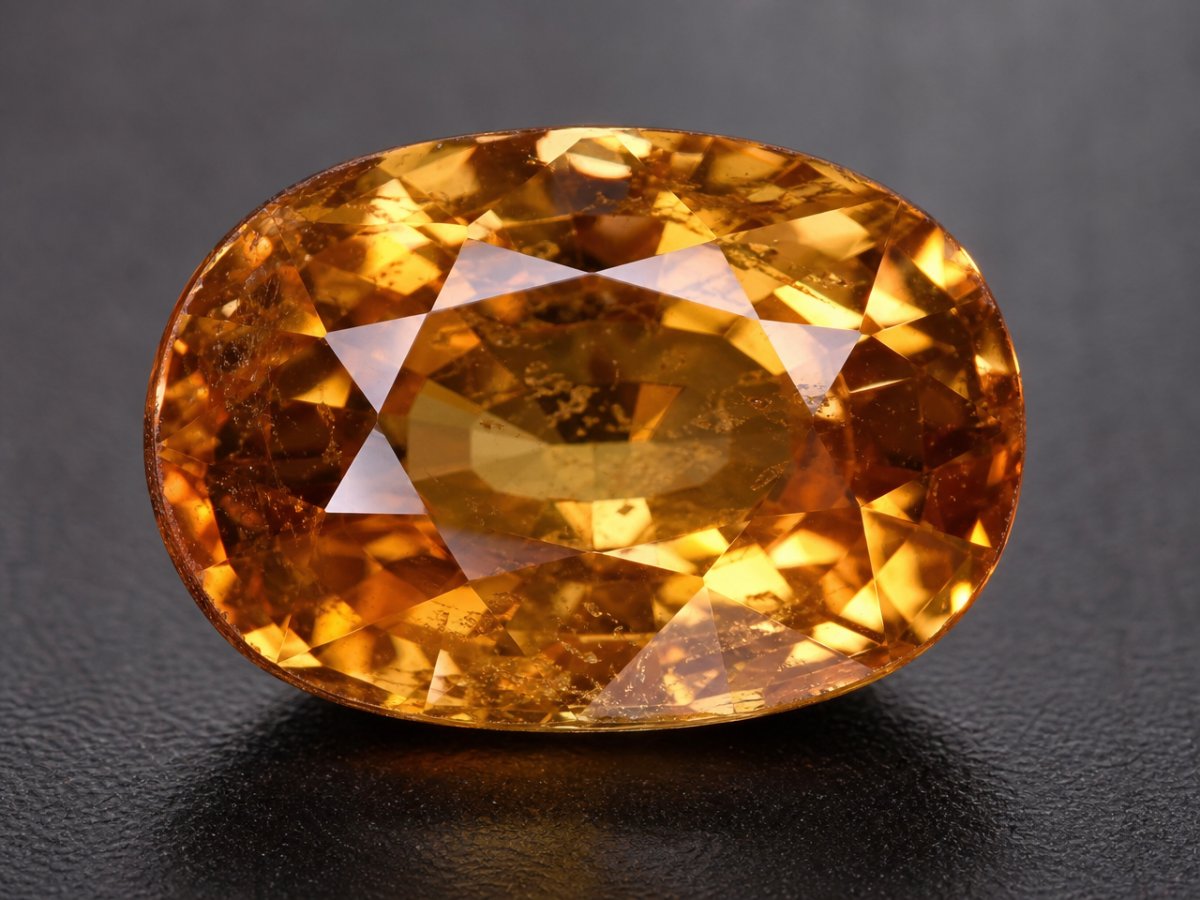


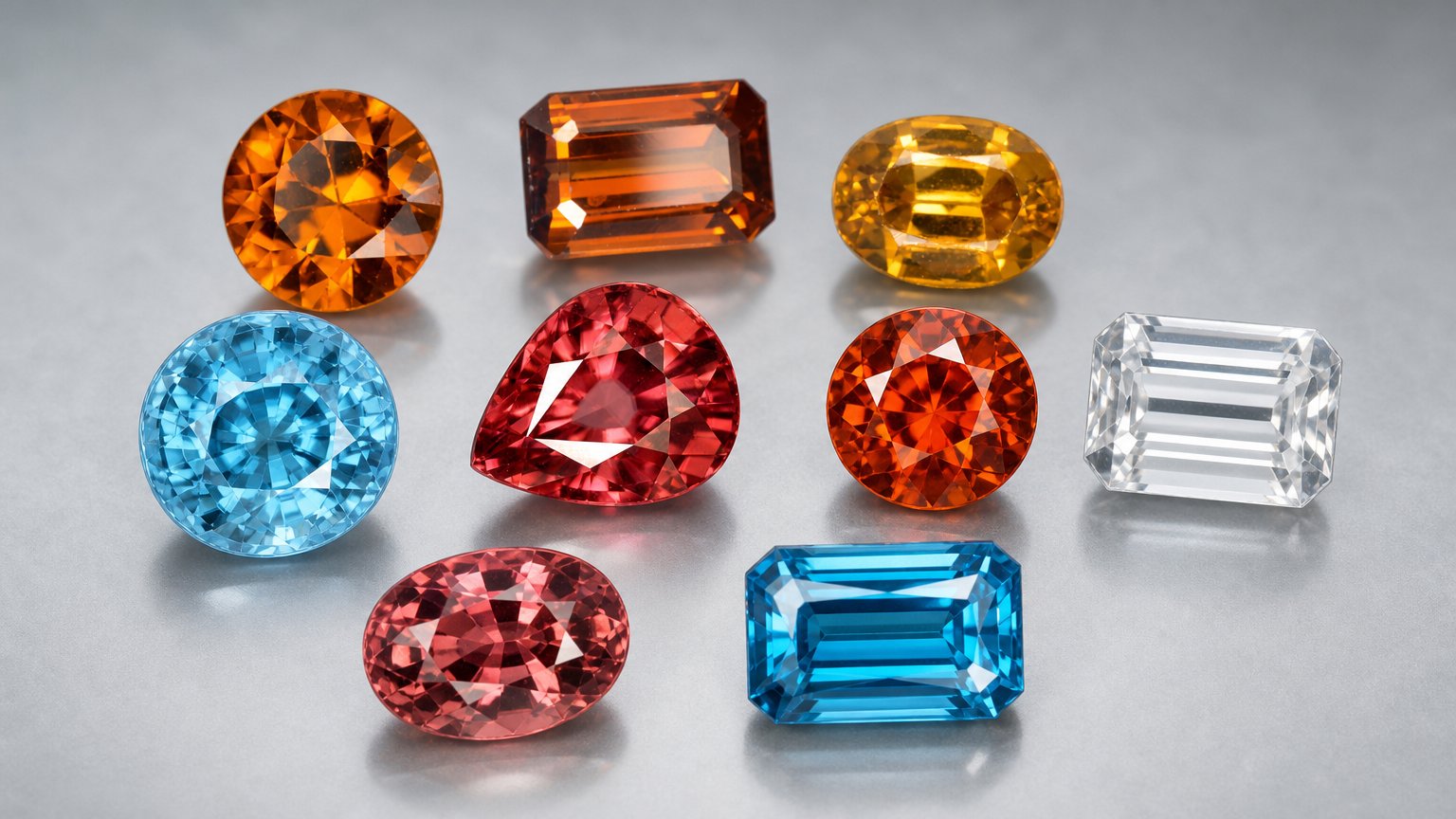
Zircon is a natural gemstone with a distinctive place in the modern gem world: it is admired for its lively appearance, recognized as a December birthstone and collected in a wide range of colors from blue and colorless to orange, white, pink, red, yellow and purple. Its meaning today is shaped less by a single ancient legend and more by its brightness, natural origin, color variety and birthstone tradition.
For gemstone buyers, jewelers, designers and collectors, zircon offers a meaningful alternative to more familiar gems. It is a natural mineral species, not to be confused with similarly named synthetic materials, and its identity is rooted in both gemology and cultural use. In symbolic terms, zircon is often appreciated as a stone of clarity, individuality and seasonal celebration, especially for those born in December.
What Zircon Represents Today
The meaning of zircon is best understood through three themes: natural brilliance, color expression and December birthstone symbolism. These are not scientific claims or medical properties; they are cultural and aesthetic associations that have developed around the gemstone’s appearance and use.
Because zircon can be exceptionally bright, many people connect it with ideas of clarity, focus and light. Colorless and white zircon naturally reinforce this impression, while blue zircon has become especially meaningful for December jewelry and gifts. Warmer colors such as orange, yellow and red can suggest energy and warmth, while softer pink and rarer purple tones may be chosen for more personal or expressive symbolism.
In modern jewelry culture, zircon also represents appreciation for natural gemstones. Its name is sometimes confused with cubic zirconia, but zircon is a naturally occurring gemstone species with the chemical formula ZrSiO₄. This distinction gives zircon an important symbolic role for buyers who value authenticity and natural gem identity.
Zircon as a December Birthstone
Zircon is associated with the month of December, making it especially significant as a birthstone. Birthstone traditions give gemstones personal meaning by connecting them to a month of birth, a birthday gift or a milestone that carries emotional value.
As a December birthstone, zircon is often viewed as a gemstone of winter light. Blue zircon is particularly popular in this role because its cool color suits December’s seasonal palette, while colorless and white zircon offer a bright, clean look. Orange, yellow, red and pink zircon can give the birthstone a warmer or more individual character.
The birthstone association is one of zircon’s strongest and clearest cultural meanings. It allows the gemstone to be worn not only for beauty but also as a personal marker of identity. A December zircon gift can symbolize remembrance, celebration and connection to the wearer’s birth month without relying on unsupported spiritual or healing claims.
Color Meaning and Symbolism
Zircon’s symbolism is closely connected to its color. While color meanings vary between cultures and individuals, gemstone buyers often choose a color because it expresses a mood, memory or personal style.
Blue Zircon
Blue is one of zircon’s best-known colors and has become strongly associated with its December birthstone identity. In general color symbolism, blue is often connected with calmness, trust and reflection. For this reason, blue zircon is frequently chosen for meaningful December gifts, winter-themed designs and jewelry intended to feel serene and elegant.
Colorless and White Zircon
Colorless and white zircon are associated with brightness, simplicity and clarity. Their appeal comes from a clean appearance and lively sparkle. Symbolically, these gems can represent honesty, fresh beginnings or understated elegance. They are also important in zircon’s modern identity because they show the gemstone’s natural brilliance without relying on strong body color.
Orange, Yellow and Red Zircon
Warm-colored zircon, including orange, yellow and red, carries a different emotional tone. These colors are often linked in general symbolism with warmth, creativity and vitality. For collectors and designers, warm zircon colors can give the gemstone a more expressive, sunlit personality.
Pink and Purple Zircon
Pink and purple zircon are less central to zircon’s popular image than blue, colorless, white and orange varieties, but they can still carry strong personal meaning. Pink is commonly associated with affection and softness, while purple is often used to suggest individuality and distinction. When chosen for jewelry, these colors make zircon feel more personal and less conventional.
Historical Identity and the Importance of the Name
Zircon’s historical identity is partly defined by the need to understand what it is-and what it is not. In modern gemology, zircon is the name of a natural mineral species. This is important because zircon is sometimes confused by name with cubic zirconia, a different material. Zircon’s meaning as a gemstone is therefore tied to authenticity: it is a natural gemstone with its own appearance, colors and gemological identity.
The mineral formula ZrSiO₄ and tetragonal crystal system belong to the scientific description of zircon, but they also help explain why the name matters. The word “zircon” identifies a real gemstone species rather than a look-alike category. For collectors and informed jewelry buyers, this distinction adds cultural value because the gem can be appreciated on its own terms.
In a meaning and history context, this modern clarification is especially useful. Many gemstones carry legends from distant periods, but zircon’s present-day reputation often centers on education, recognition and renewed appreciation. Understanding zircon correctly allows its symbolism to shift from confusion to confidence.
Origins and Cultural Geography
The places where zircon is found contribute to its story in the gemstone trade. Important sources include Cambodia, Madagascar and Tanzania, with additional origins including Australia, Myanmar, Sri Lanka and Vietnam. These origins are part of zircon’s modern cultural geography: they connect the gemstone to regions known for producing colored gems and help explain its availability in different colors and qualities.
Origin can influence how collectors experience a gemstone, but the symbolic meaning of zircon does not depend on one source alone. Instead, zircon’s significance is global. A blue zircon from one location and an orange zircon from another may both share the same mineral identity while offering different visual and emotional impressions.
For GemSelect customers and gemstone enthusiasts, this geographic range is one reason zircon remains interesting. It is not limited to a single color tradition or one narrow market identity. Its story crosses several gem-producing regions and continues to develop through modern collecting, cutting and jewelry design.
Tradition, Folklore and Modern Belief
Like many gemstones, zircon may be used in modern symbolic or personal traditions. Some wearers choose it as a birthstone, some as a reminder of clarity or light, and others simply because a certain color feels meaningful. These interpretations are best understood as personal or cultural symbolism rather than proven effects.
It is important to distinguish folklore and modern belief from documented fact. A person may regard zircon as a meaningful stone for calmness, confidence or renewal, especially if the color or birth month association resonates with them. However, such meanings are symbolic and should not be presented as medical, scientific or guaranteed outcomes.
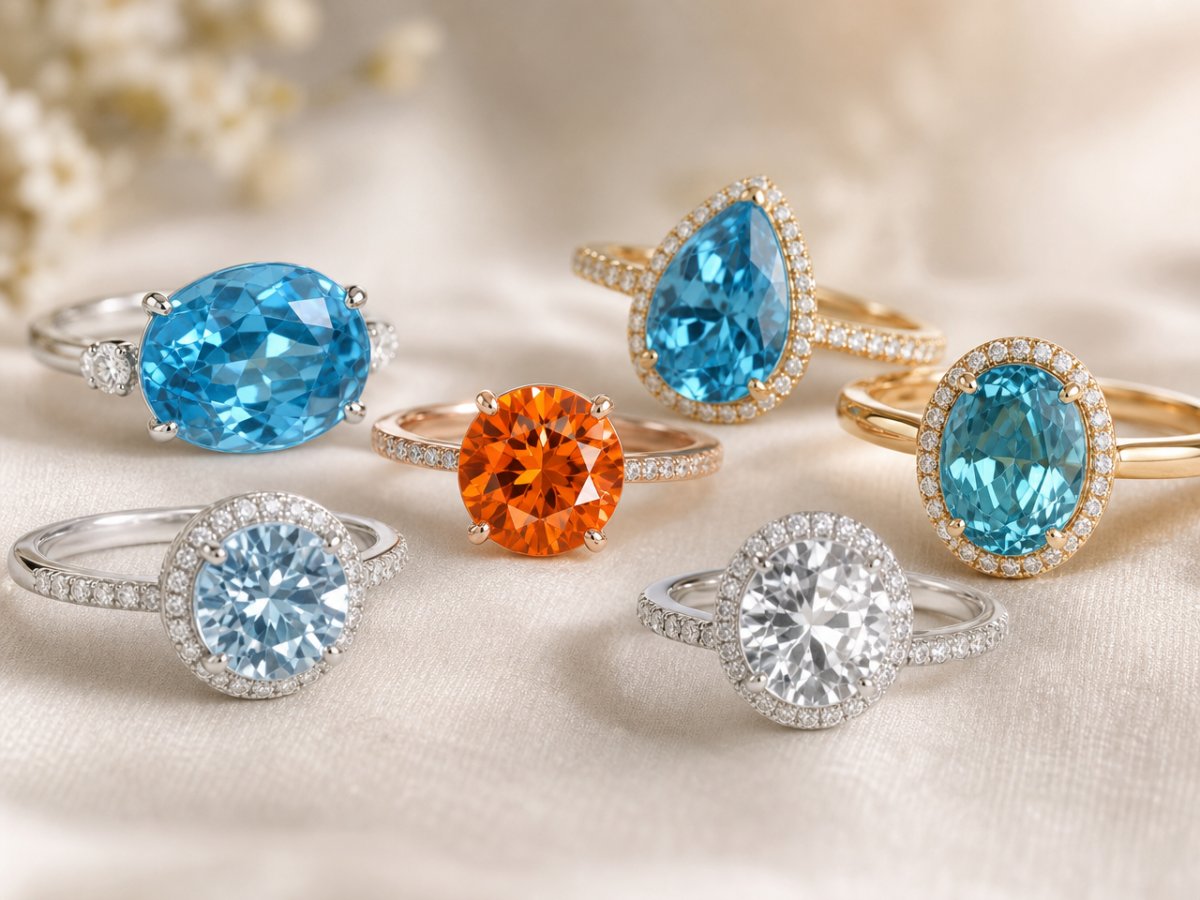
This distinction does not weaken zircon’s significance. In jewelry and collecting, meaning often comes from memory, intention and context. A December birthstone ring, a pair of blue zircon earrings or a colorless zircon pendant can become meaningful because of the occasion, the giver, the wearer or the story attached to the piece.
Zircon in Modern Gemstone Culture
Today, zircon occupies an appealing position between tradition and rediscovery. Its December birthstone status gives it a clear cultural role, while its variety of colors allows it to suit many personal interpretations. It can appear classic in colorless or white gems, cool and seasonal in blue, and expressive in orange, yellow, red, pink or purple.
Zircon is also appreciated by people who enjoy gemstones beyond the most familiar names. Its identity as a natural mineral species gives collectors a reason to value it independently. For designers, its range of colors makes it adaptable to different moods, from refined and icy to warm and vivid.
Although jewelry use is not the main focus of zircon’s meaning, its cultural significance is often experienced through wearable pieces. Rings, earrings, pendants and necklaces allow zircon’s birthstone and color symbolism to become part of daily life or special occasions. The emotional value comes not only from the gem itself but from how it is chosen and worn.
How Zircon’s Meaning Connects to Personal Choice
The most useful way to think about zircon meaning is to connect the gem’s established identity with the wearer’s own story. A December birthstone association provides a clear traditional reason to choose zircon. Color then adds another layer: blue for a cool and reflective style, colorless or white for clarity and brightness, orange or yellow for warmth, red for intensity, pink for affection and purple for individuality.
This makes zircon a flexible gemstone for symbolic jewelry. It does not require a single fixed meaning. Instead, it invites personal interpretation within a reliable framework: it is a natural gemstone, a December birthstone and a gem known in multiple colors from important gem-producing regions.
Conclusion
Zircon’s meaning is rooted in natural identity, brightness, color and December birthstone tradition. While it does not need exaggerated legends to be significant, it offers a rich modern story for gemstone lovers who value authenticity and personal symbolism. Its colors allow many interpretations, and its December association gives it a lasting role in meaningful gifts and birthstone jewelry.
Whether chosen in blue, colorless, white, orange or another hue, zircon is best appreciated as a natural gemstone with its own history and character. For buyers exploring meaningful gemstones at GemSelect, zircon stands out as a birthstone with both visual beauty and thoughtful symbolism.