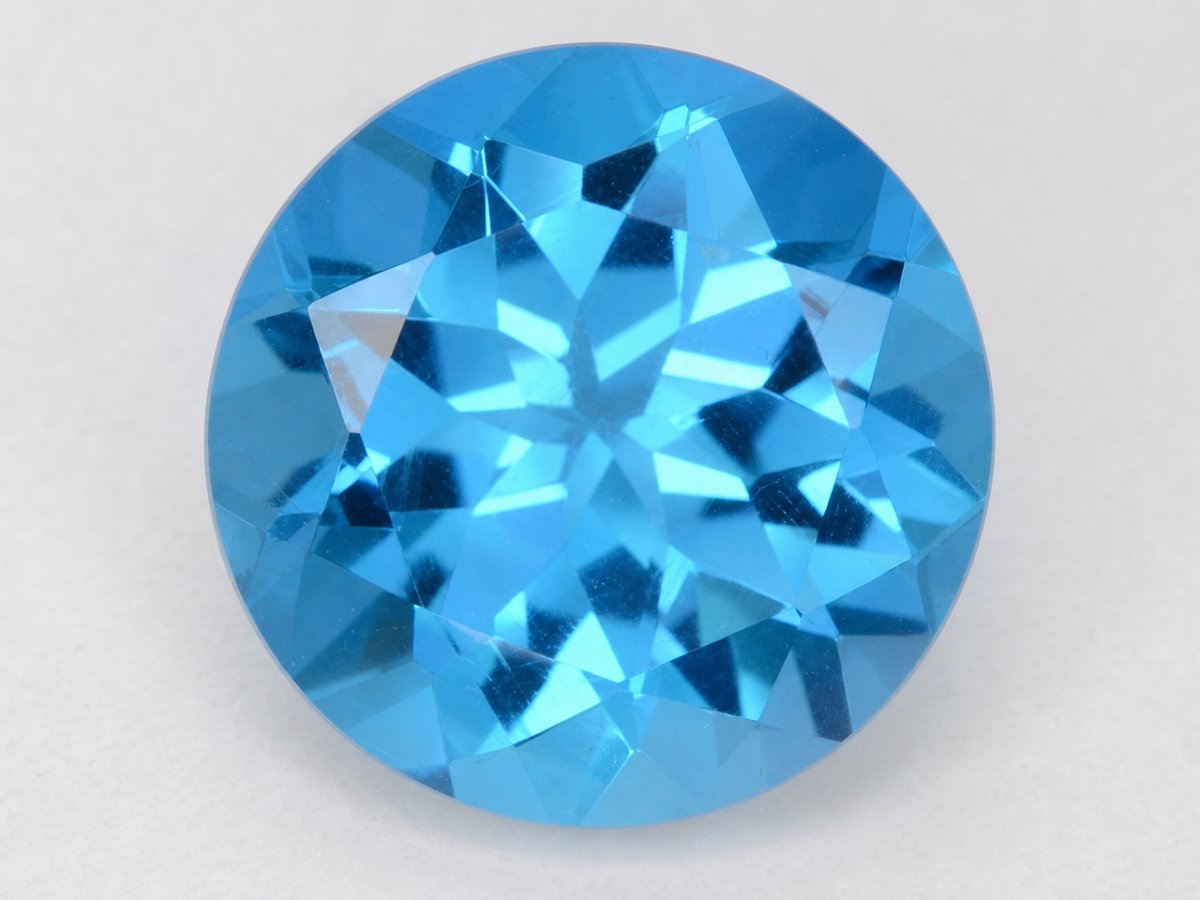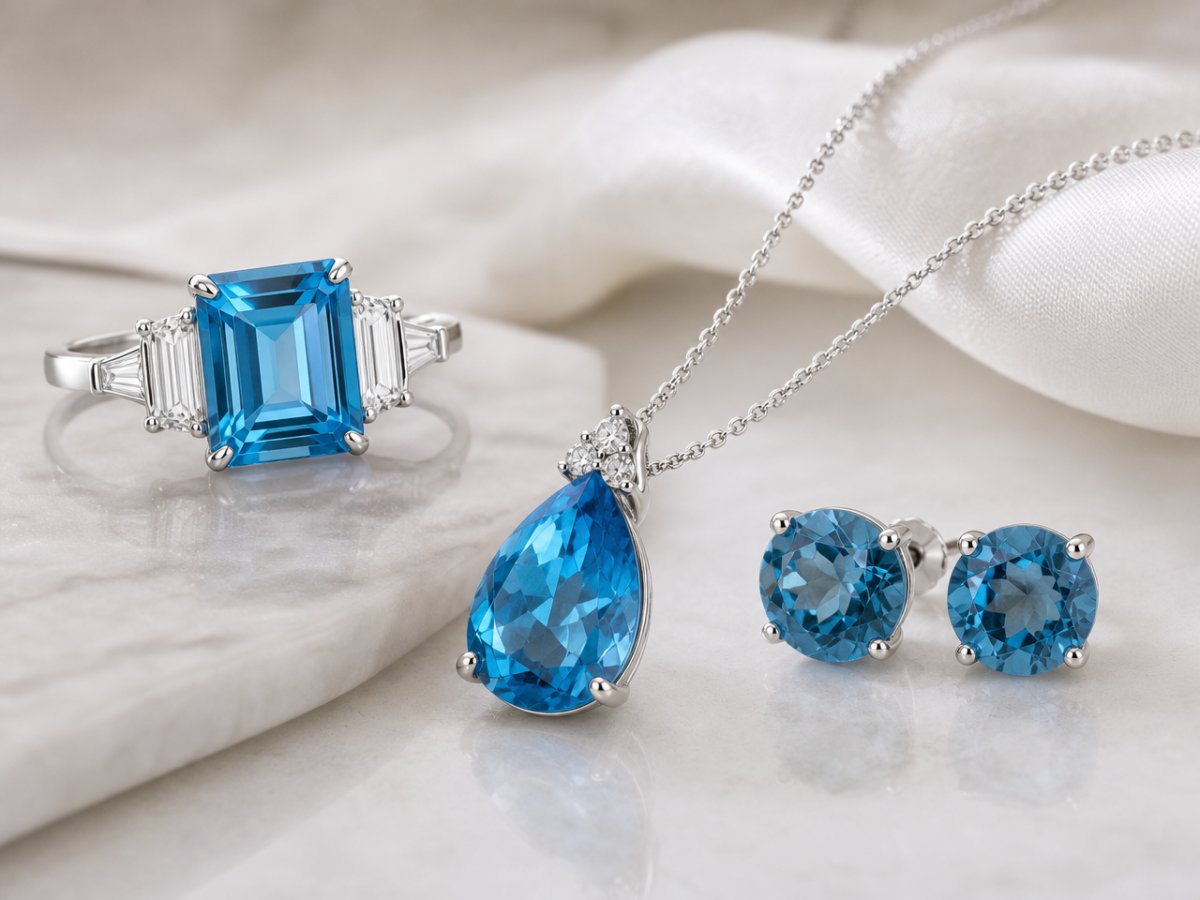


Blue topaz is a blue variety of the mineral topaz and is widely chosen for jewelry because it offers a clean, bright blue appearance in many practical shapes and cuts. For buyers, the most important decisions are visual: the shade of blue, the quality of the cut, the clarity seen in the gem, the size and shape needed for the design, and clear disclosure of any treatment.
This guide explains the main points to check before buying blue topaz, whether you are selecting a single stone for a ring, matched gems for earrings, or a larger focal gem for a pendant.
What Is Blue Topaz?
Blue topaz is a variety of topaz with the chemical formula Al₂SiO₄(F,OH)₂. It forms in the orthorhombic crystal system and has a Mohs hardness of 8, making it a durable gemstone for many jewelry styles when set and worn with reasonable care.
Its refractive index is 1.609-1.643 and its specific gravity is 3.49-3.57. For buyers, these gemological properties are mainly useful for identification and understanding how the stone behaves: blue topaz can take a bright polish, works well in faceted cuts, and has enough hardness for regular jewelry use.
Color: The First Buying Decision
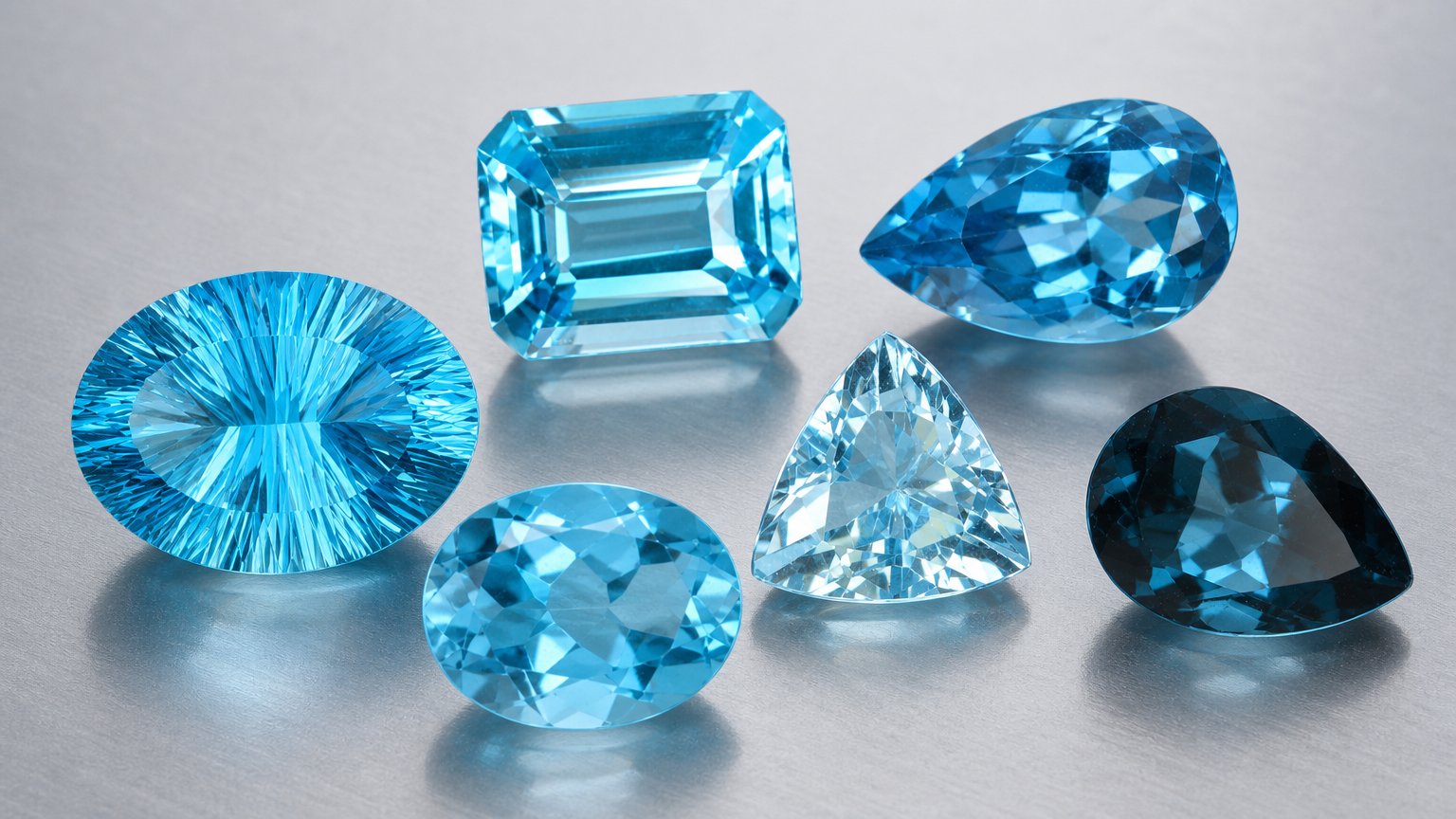
Blue is the defining color of blue topaz. When comparing stones, look at the overall tone and saturation rather than relying only on the name of the gem. Some stones appear lighter and brighter, while others may look deeper or more saturated depending on cutting style, size, lighting and photography.
Choose the blue that best suits the jewelry design. A lighter blue can look fresh and elegant in earrings or delicate rings, while a deeper-looking blue may create a stronger focal point in a pendant or statement ring. If you are buying several stones for one piece of jewelry, such as earrings or side stones, pay close attention to color matching.
Clarity and Transparency
Clarity affects how clean and lively a blue topaz looks. In faceted gemstones, inclusions, surface marks or chips can be more noticeable if they interrupt the open table or large step-cut facets. When shopping online, examine the product photos carefully and check whether the seller provides magnified images, dimensions and a clear description.
For most jewelry buyers, the practical question is simple: does the stone look clean and attractive at normal viewing distance? Small internal features may be acceptable if they do not distract from the color and brilliance, but visible damage around the edges or surface should be considered carefully, especially for ring stones.
Cut, Shape and Appearance
Blue topaz is most commonly found in faceted cuts, which help show brightness and color. Popular shapes include octagon, oval and round, with cushion, pear and square shapes also commonly used. Baguette, heart, marquise and trillion shapes may suit more specific design needs.
Cut style changes the personality of the gem. Brilliant-style faceting emphasizes sparkle, while step cuts create a more geometric, elegant look with broader flashes of light. Checkerboard cuts add a patterned surface effect and can be attractive in larger stones. Concave and Portuguese cuts are also seen and can create a more complex light return. Cabochon and sugarloaf cabochon cuts are less typical for blue topaz but may appeal to buyers looking for a smooth, sculptural appearance rather than faceted brilliance.
What to Check in the Cut
- Symmetry: The outline should look balanced, especially in ovals, pears, hearts and marquise shapes.
- Proportions: A stone that is too deep may look smaller for its carat weight, while a very shallow stone may lack visual depth.
- Facet condition: Look for clean facet junctions and no obvious chips, especially around corners and edges.
- Face-up appearance: The stone should look attractive from the top, since this is how it will be seen in jewelry.
Size, Carat Weight and Measurements
When buying blue topaz, do not rely on carat weight alone. Carat weight measures weight, not visible size. Because gemstones have different densities, two stones of the same carat weight can face up differently. Blue topaz has a specific gravity of 3.49-3.57, so measurements in millimeters are essential when fitting a stone into a setting or matching a pair.
For rings and earrings, exact dimensions and calibrated shapes can be important. For pendants and necklaces, you may have more flexibility and can choose the outline and size that create the visual effect you want.
Treatments: What Buyers Should Know
Irradiation is a common treatment associated with blue topaz. Treatment disclosure matters because it helps buyers understand what they are purchasing and compare gems fairly. Untreated blue topaz also exists, but buyers should expect clear information from the seller rather than making assumptions.
When buying, look for straightforward treatment information on the product page or invoice. At GemSelect, treatment disclosure is an important part of helping customers compare gemstones with confidence.
Origins of Blue Topaz
Blue topaz is associated with several sources, with Brazil especially important. Other known origins include Myanmar, Nigeria, Pakistan, Sri Lanka and the United States.
For most buyers, origin is secondary to appearance, treatment disclosure, cut quality and suitability for the intended jewelry. If origin is important to you as a collector or designer, choose a seller that provides origin information clearly when it is available.
Durability and Jewelry Use
With a Mohs hardness of 8, blue topaz is suitable for many types of jewelry, including rings, earrings, necklaces and pendants. It is also used in bracelets, brooches, contemporary jewelry designs, stud earrings and cufflinks.
Rings place gemstones in a more exposed position than earrings or pendants, so choose a secure setting and avoid unnecessary impact. Bracelets are also more likely to receive knocks during wear, so protective settings are worth considering. Earrings, pendants and necklaces are generally lower-impact uses and allow more freedom with larger or more decorative cuts.
Blue Topaz Buying Checklist
- Choose the color first: Select the blue tone that best fits your style or jewelry design.
- Check the photos carefully: Look for attractive face-up color, clean transparency and good symmetry.
- Use measurements, not just carat weight: Millimeter size is essential for settings and matched pairs.
- Review treatment disclosure: Irradiation is common for blue topaz, and sellers should state treatments clearly.
- Match the cut to the design: Faceted ovals, rounds and octagons are versatile; step cuts, checkerboard cuts and specialty cuts create different visual effects.
- Consider the jewelry type: Rings and bracelets need more protection than earrings and pendants.
- Buy from a transparent seller: Clear photos, specifications, treatment information and return policies help reduce uncertainty.
Summary
The best blue topaz for you is the one that combines the right blue color, attractive cutting, clean appearance, suitable size and clear treatment information. For most jewelry purchases, prioritize what you can see: color, cut, clarity and how the stone will perform in the intended design. Origin and gemological details can add context, but practical buying confidence comes from accurate descriptions, reliable images and transparent disclosure.