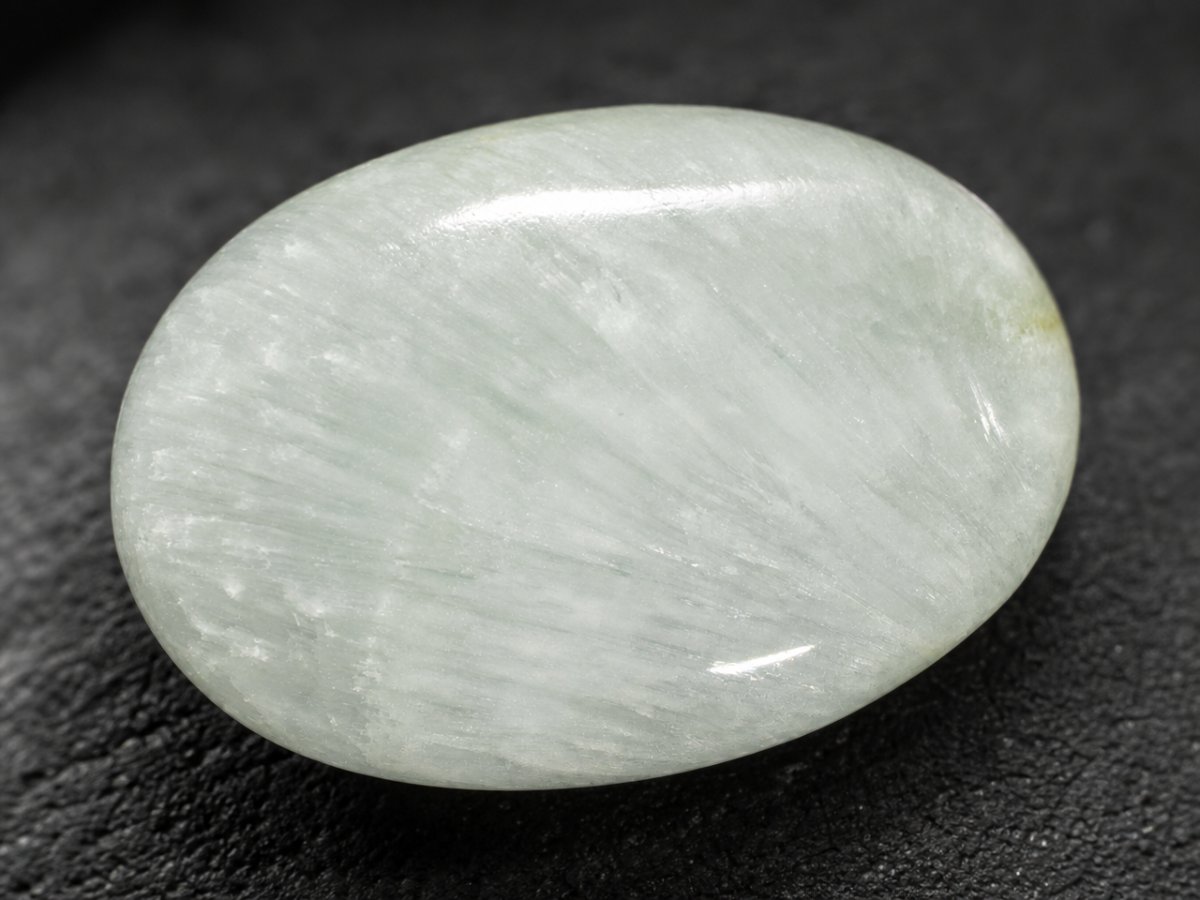


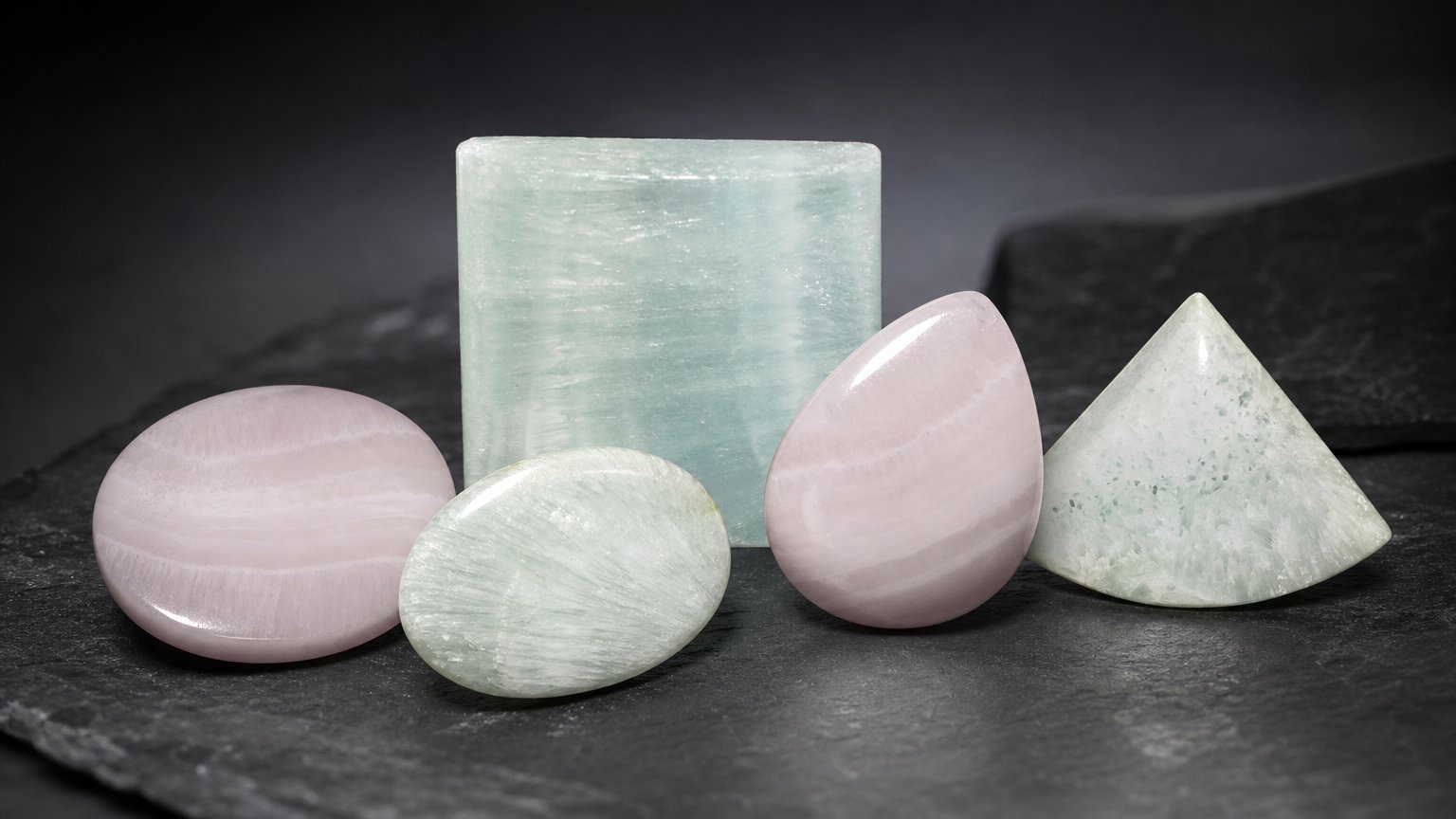
Aragonite is a distinctive calcium carbonate gemstone chosen for its earthy colors, interesting patterns and natural character. It is most often selected by buyers who appreciate cabochons, carvings and decorative gems rather than high-durability stones for everyday wear.
The most important buying point is durability. With a Mohs hardness of 3.5 to 4, aragonite is relatively soft, so it should be chosen and set with care. For pendants, necklaces and earrings it can be a beautiful and practical choice; for rings and bracelets, buyers should think carefully about protection and wear frequency.
What Is Aragonite?
Aragonite is a calcium carbonate mineral with the chemical formula CaCO3. It forms in the orthorhombic crystal system and has gemological properties that help identify it, including a refractive index of 1.530 to 1.685 and a specific gravity of 2.93 to 2.95.
For buyers, these technical properties matter mainly for identification and disclosure. The practical decision usually comes down to appearance, cut quality, size, condition and whether the stone is suitable for the intended jewelry design.
Color and Appearance: What to Look For
Aragonite is best known in warm natural colors, especially brown, with orange, yellow and white also seen often. Blue and pink material is also available, while red is less commonly encountered. Because aragonite is often appreciated for its organic look, buyers may prefer attractive banding, natural patterning or soft tonal variation rather than a perfectly uniform color.
When comparing stones, look for color that appears pleasing in normal lighting. Brown aragonite can range from subtle and earthy to stronger golden-brown tones. Orange and yellow stones usually appeal to buyers who want a brighter, warmer appearance. White aragonite can work well in clean, minimal designs or as a contrast gemstone.
As with many decorative gems, the "best" color is not a single grade. Choose the color that suits the design, but check that the stone looks balanced, not dull or overly patchy unless that natural pattern is part of its appeal.
Cut Styles and Shapes
Cabochons are the most common and practical cut for aragonite. A cabochon's smooth domed surface suits the gemstone's softer nature and can show color and pattern well. Oval cabochons are especially common, while pear, freeform and fancy shapes are also good options for pendants and statement pieces.
Aragonite may also be offered as carvings or slices. These can be attractive for collectors, designers and jewelry makers looking for more natural or sculptural pieces. Faceted aragonite exists, but it is less typical; buyers should evaluate faceted stones carefully for surface wear, abrasions and secure setting possibilities.
When judging cut quality, check symmetry, polish and the overall outline. On cabochons, the dome should look smooth and intentional, with no distracting flat areas or uneven shaping unless it is a deliberate freeform design.
Durability and Jewelry Suitability
Aragonite's hardness of 3.5 to 4 means it can be scratched more easily than many common jewelry gemstones. This does not make it unsuitable for jewelry, but it does mean the jewelry type matters.
Best jewelry uses
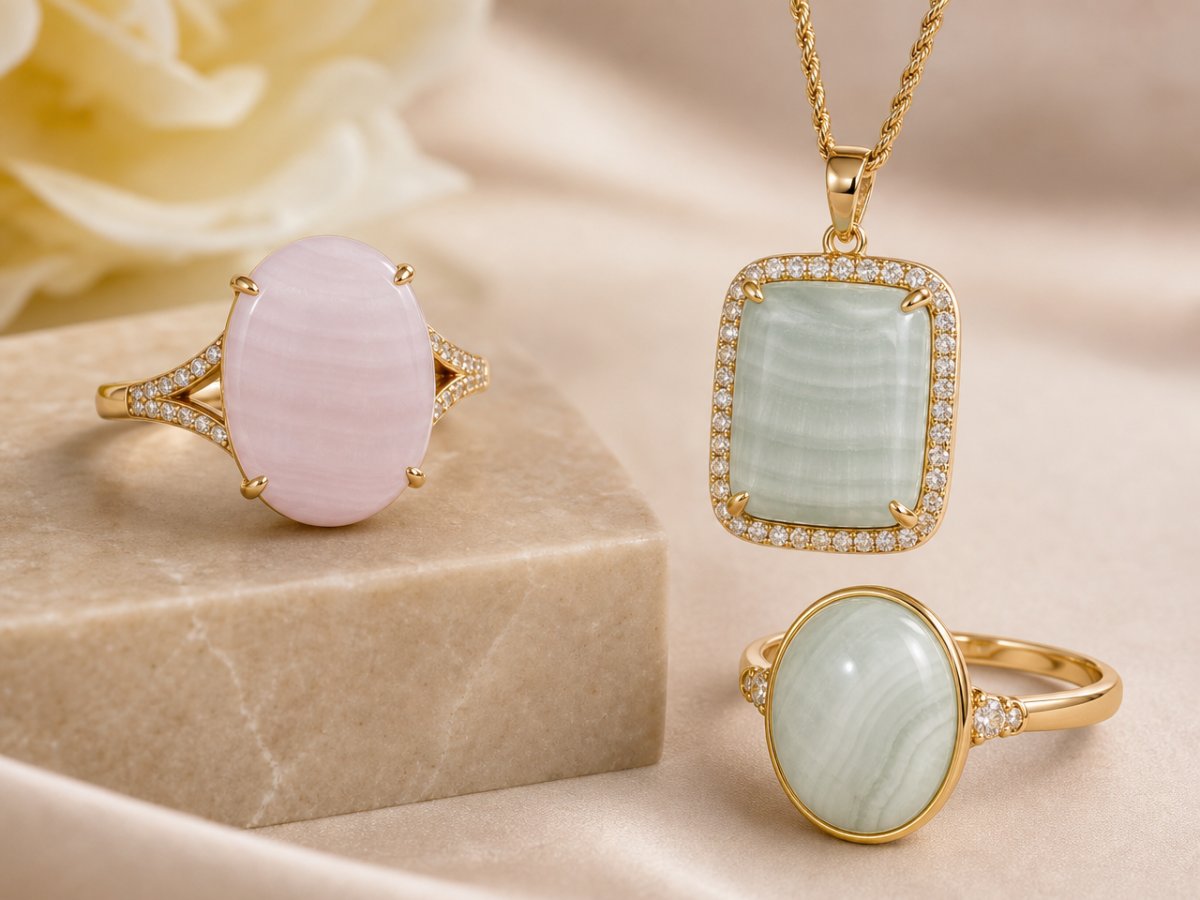
Pendants and necklaces are the most suitable uses because they are less exposed to knocks and abrasion. Earrings are also a good choice, especially when the stones are not placed where they will rub against other jewelry.
Use caution with bracelets and rings
Bracelets receive more contact during normal wear, so aragonite bracelet stones should be protected and worn with care. Rings are the highest-risk option because hands frequently hit hard surfaces. If aragonite is used in a ring, it is best reserved for occasional wear and placed in a protective setting.
For care, avoid harsh cleaning, steamers and ultrasonic cleaners. A soft cloth and gentle handling are the safest approach. Because aragonite is calcium carbonate, it is wise to keep it away from acidic cleaners and chemicals.
Treatments and Disclosure
Aragonite is commonly sold as untreated. This is an advantage for buyers who prefer natural gemstones without enhancement. As with any gemstone purchase, the listing should clearly state the treatment status. If treatment information is not shown, ask the seller before buying.
At GemSelect, treatment disclosure is an important part of helping buyers compare gemstones with confidence. For aragonite, an untreated listing is consistent with what buyers commonly expect for this gem.
Origin: India, Morocco and Spain
Aragonite is associated with several origins, including India, Morocco and Spain. Origin can be interesting to collectors and may help buyers organize a collection, but for most jewelry purchases it should not outweigh appearance, condition, cut and suitability for wear.
If origin matters to you, look for clear seller disclosure. Avoid assuming that a particular color or shape proves a specific source unless it is stated by the seller.
How to Choose Aragonite: Practical Buying Checklist
- Choose the right color: Brown is a classic choice, while orange, yellow and white offer different design moods. Blue and pink can add variety when available.
- Prioritize the cut style: Cabochons are the most dependable choice for jewelry. Carvings, slices and freeforms are excellent for decorative or custom designs.
- Inspect the surface: Because aragonite is soft, look for a good polish and avoid stones with obvious scratches, chips or worn edges unless priced and described accordingly.
- Match the stone to the jewelry type: Pendants, necklaces and earrings are safer choices than rings. Bracelets and rings need more protection.
- Check treatment disclosure: Aragonite is commonly untreated, but the listing should still make this clear.
- Consider size and setting: Larger cabochons can make attractive pendants, while smaller stones may suit earrings or accent designs. Protective settings are helpful for pieces exposed to contact.
- Buy from a transparent seller: Look for clear photos, dimensions, weight, origin when available and treatment information.
Aragonite Gemological Properties
| Mineral species | Calcium carbonate |
|---|---|
| Chemical formula | CaCO3 |
| Crystal system | Orthorhombic |
| Mohs hardness | 3.5-4 |
| Refractive index | 1.530-1.685 |
| Specific gravity | 2.93-2.95 |
Summary
Aragonite is a natural-looking gemstone best appreciated for warm earthy colors, cabochon cuts and decorative appeal. The key buying decision is whether the stone fits the intended use. For pendants, necklaces and earrings, aragonite can be an attractive choice. For rings and bracelets, its softness requires extra care and protective design.
Buyers should focus on pleasing color, good polish, clear treatment disclosure and a cut that suits the jewelry project. When selected with realistic expectations, aragonite offers character and individuality for collectors, designers and gemstone enthusiasts.